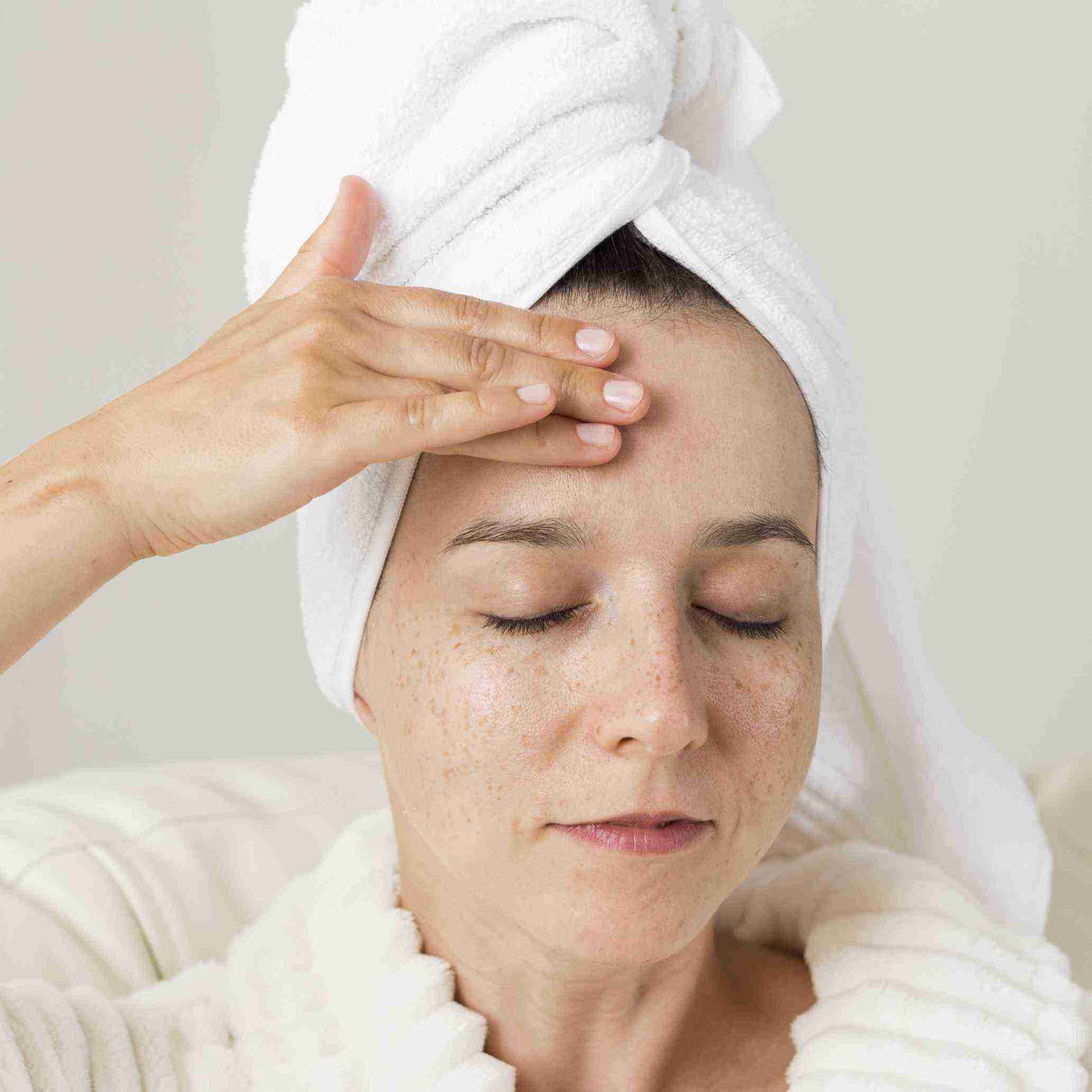
Introduction to Superficial to Medium Chemical Peels
Acne is a common skin condition caused by clogged pores, excess oil production, bacteria, and inflammation. It often leads to pimples, blackheads, whiteheads, and cystic breakouts, which can result in long-term scarring if untreated. Superficial to medium chemical peels are an effective solution for active acne and post-acne marks. These peels work by exfoliating the top layers of the skin, unclogging pores, and reducing oil production, leading to a clearer complexion and fewer breakouts over time.
Low-level laser therapy for telogen effluvium uses photobiomodulation at 650 nm wavelength to accelerate the transition of prematurely resting follicles back into the active anagen growth phase. When a triggering event pushes a large proportion of follicles into synchronised telogen, LLLT provides the metabolic stimulus needed to restart the growth cycle ahead of the natural recovery timeline.
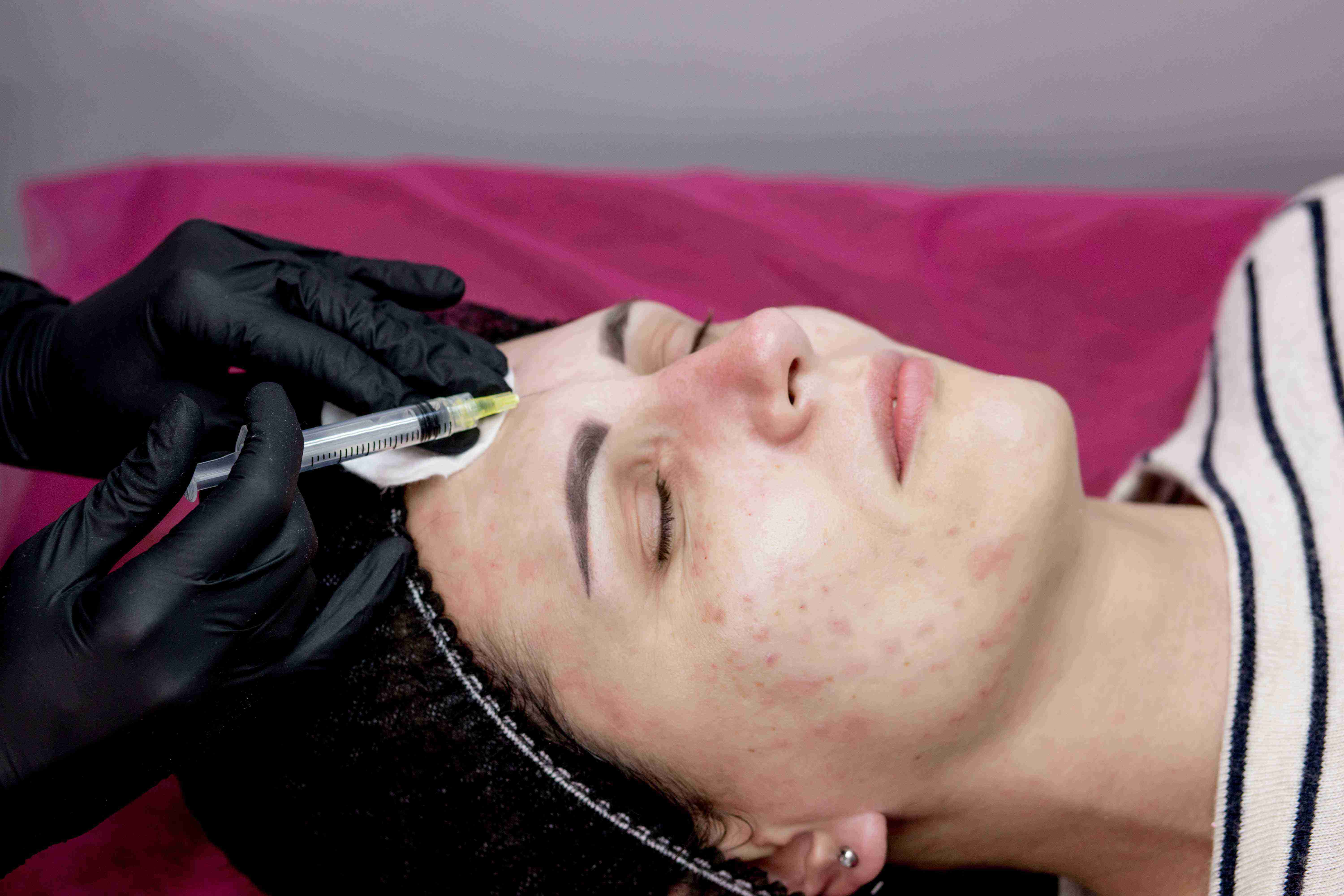
How Superficial to Medium Chemical Peels Work
This treatment targets acne and skin congestion by:

Identifying and addressing the original trigger event remains essential alongside LLLT treatment. At Claire Derma, our trichologists review your medical history to pinpoint the cause of the telogen shift — whether post-illness, surgical, hormonal, nutritional, or stress-related — and ensure it has been resolved or is being managed before starting laser therapy.
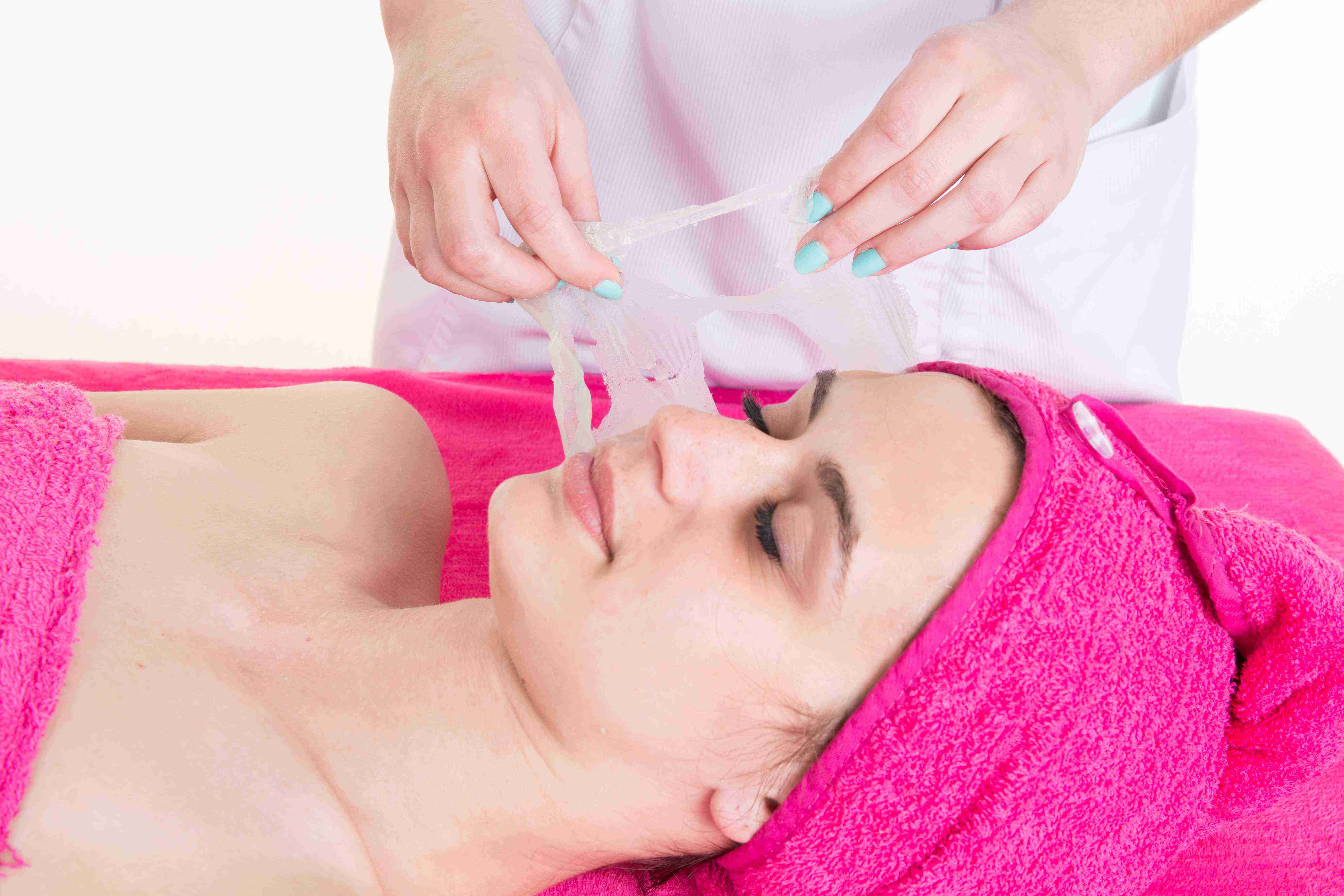
Treating Acne with Superficial to Medium Chemical Peels
The LLLT protocol for telogen effluvium at Claire Derma uses the same clinical-grade device and 650 nm wavelength as our androgenetic alopecia programme, but the treatment goals and expected timeline differ. Sessions deliver 3 to 5 J/cm² of energy over 20 to 30 minutes with full-scalp coverage.
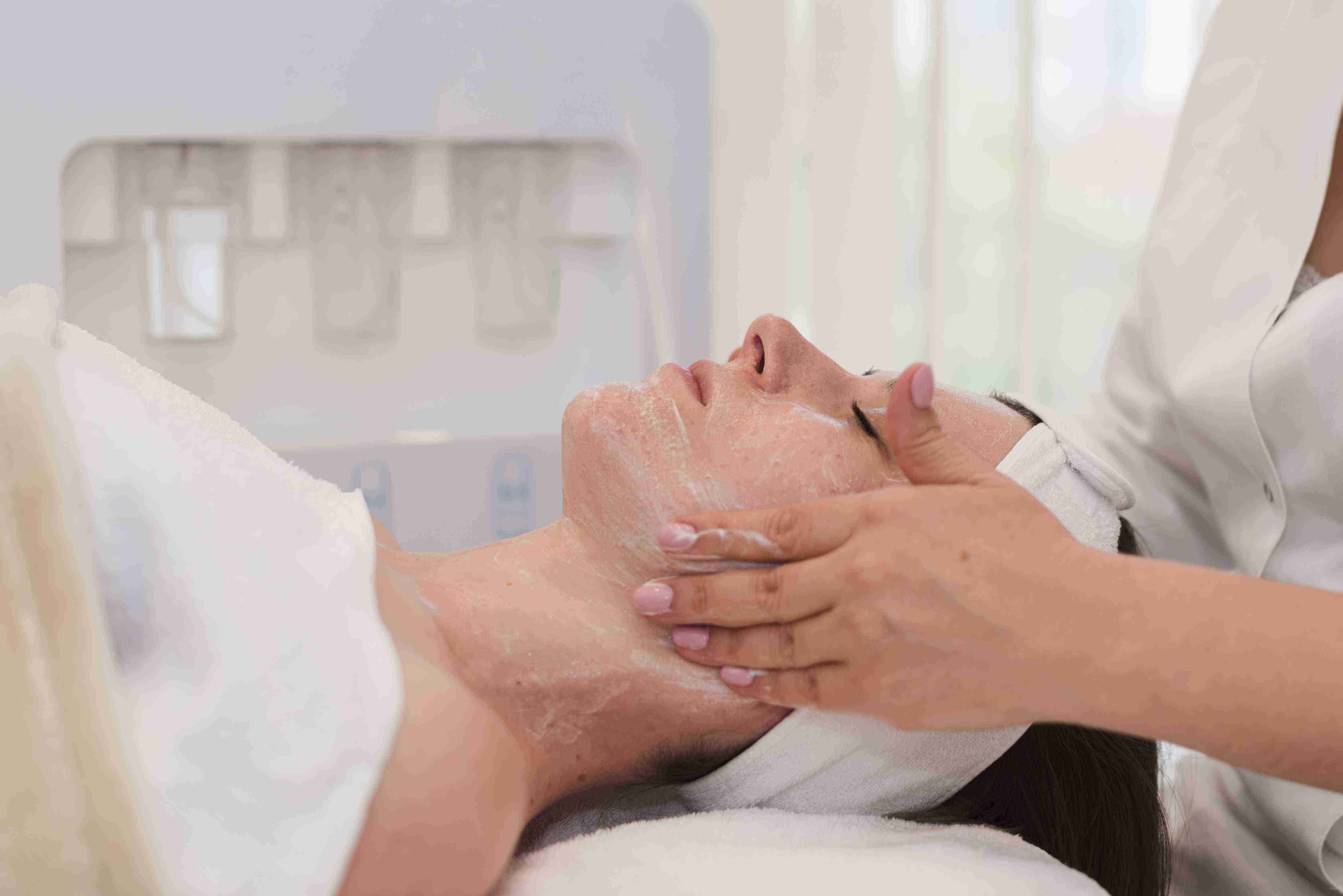
Benefits of Chemical Peels for Acne
LLLT for telogen effluvium at Claire Derma offers a non-invasive, side-effect-free approach to accelerating recovery from diffuse hair shedding. The treatment requires no medications, injections, or blood draws, making it accessible to patients who are breastfeeding, taking multiple medications, or who prefer a drug-free recovery strategy.
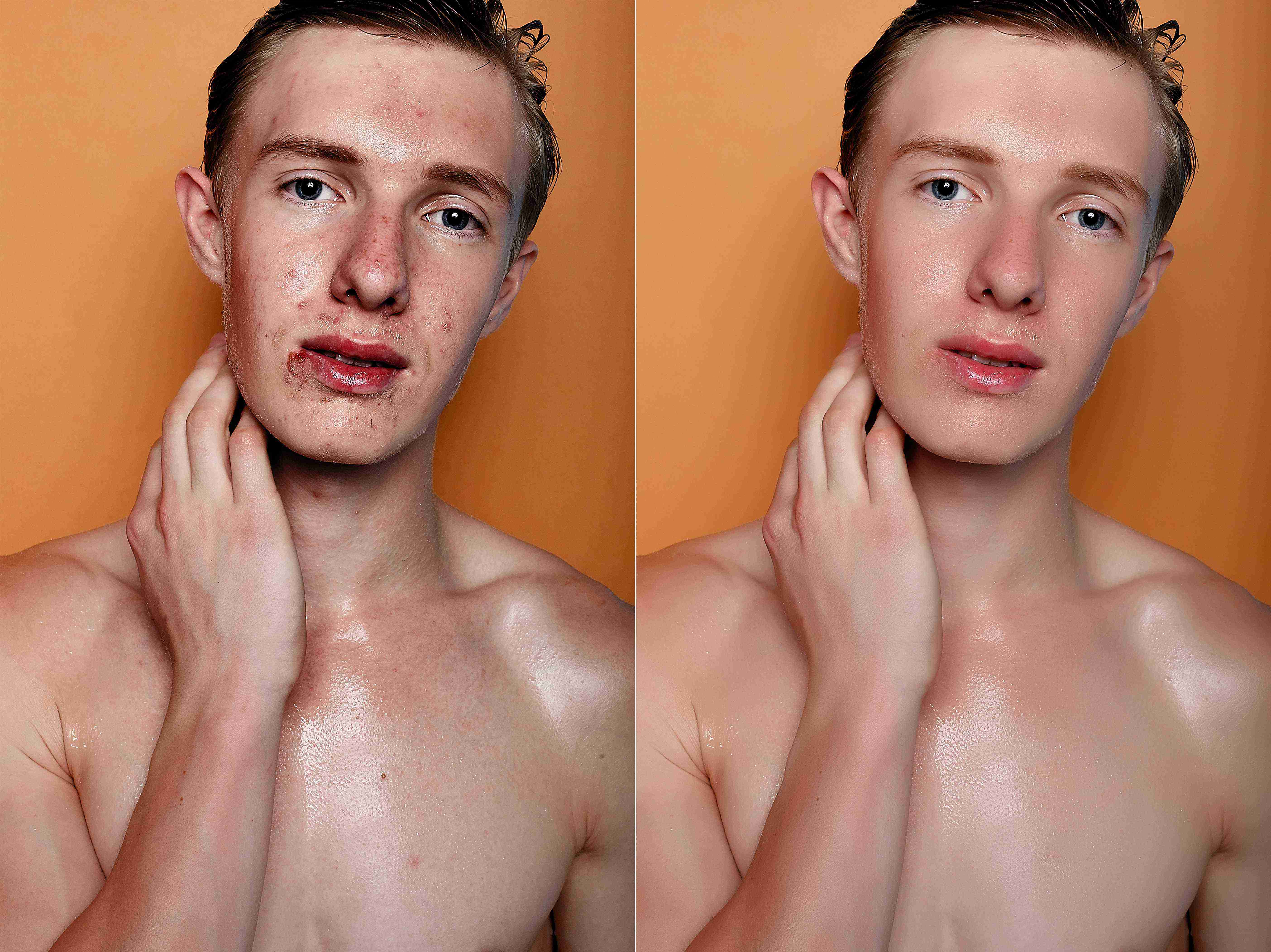
Ideal Candidates for the Treatment
This treatment is ideal for individuals who:
There is zero recovery time after each laser session at Claire Derma. The treatment is completely painless — you may feel mild warmth on the scalp during the 20-to-30-minute session, but nothing more. You can wash, style, and treat your hair normally immediately afterward. If you are using topical treatments as part of your recovery plan, they can be applied on the same day as your laser session.
The Treatment Process
01
Consultation & Skin Analysis
The dermatologist assesses acne severity and determines the best peel type. Our trichologist confirms telogen effluvium through clinical history, pull test, and dermoscopy. We identify the triggering event, review blood work for nutritional deficiencies, and photograph baseline scalp conditions.
02
Preparation
The skin is cleansed to remove oil and impurities before the treatment. No physical preparation is needed. Your scalp should be clean and free of heavy styling products for optimal light transmission. Our team positions the laser device for full-scalp coverage.
03
Peel Application
A customized chemical peel is applied and left on for controlled exfoliation. The clinical-grade device delivers 650 nm red light at 3 to 5 J/cm² across the entire scalp for 20 to 30 minutes. You sit comfortably with no sensation beyond mild warmth. Full-scalp coverage ensures all diffusely affected follicle populations receive uniform photonic stimulation.
Expected Results & Recovery

Noticeable improvements in 1–2 sessions.
Fades acne scars over multiple sessions.
Less roughness and irritation.
Skin heals within 3–7 days, depending on the peel depth.
Best results with regular sessions and a good skincare routine.
Got Questions?We've Got Answers
Find answers to the most common questions about our treatments, procedures, and recovery process. If you can't find what you're looking for, our support team is always here to help.
Typically, 3–6 sessions spaced 2–4 weeks apart are recommended.
Chemical peels fade acne scars and dark spots, but deep scars may require microneedling or laser treatments for optimal results.
Most people experience a mild tingling or stinging sensation, but it is tolerable and subsides quickly.
It is recommended to wait at least 24–48 hours before applying makeup to avoid irritation.
Some individuals experience temporary purging before clearing up.
LLLT accelerates the transition of resting follicles back into the growth phase but does not immediately halt shedding. Hairs already in telogen will complete their natural shedding cycle while new anagen hairs begin growing beneath them. At Claire Derma, most patients notice a gradual reduction in daily hair fall within three to four weeks as more follicles re-enter the growth phase.
LLLT is effective for accelerating recovery but works best when the underlying trigger has been identified and addressed. At Claire Derma, we always investigate the cause of your telogen effluvium — whether nutritional deficiency, hormonal shift, illness, or stress — and correct it alongside laser therapy.
At Claire Derma, we recommend two to three sessions per week for the duration of the treatment course, typically twelve to sixteen weeks for acute telogen effluvium and up to twenty-four weeks for chronic cases. Consistency is important because the photobiomodulation effect is cumulative — each session builds on the cellular energy boost provided by previous sessions.
LLLT is a non-invasive, drug-free therapy that delivers light energy to the scalp without any systemic medication. At Claire Derma, we consider it one of the safest treatment options for postpartum telogen effluvium in breastfeeding mothers because no chemicals enter the bloodstream or breast milk. The treatment involves only red light exposure at therapeutic wavelengths and has no reported adverse effects in clinical literature.