
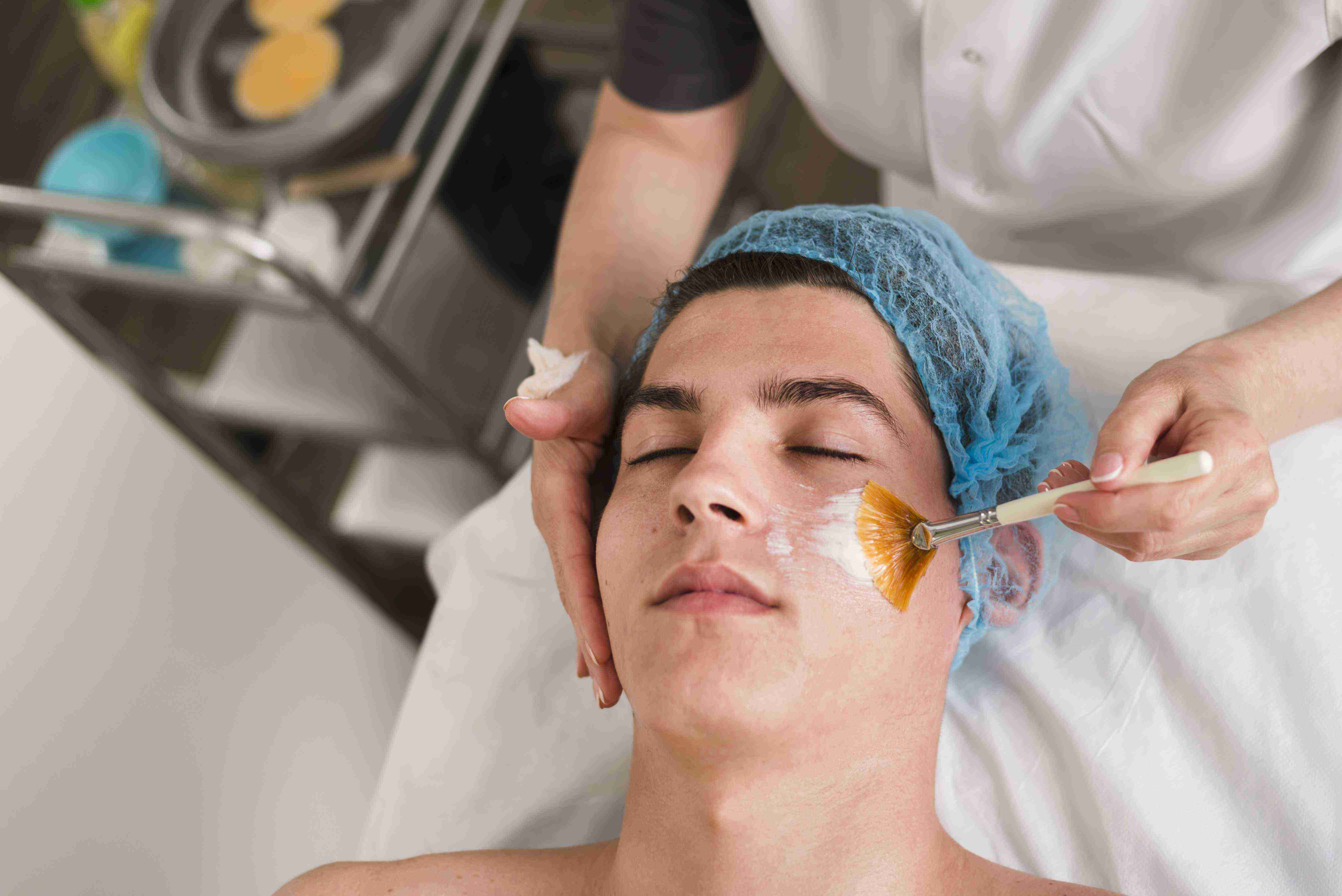
Introduction to Laser Hair Regrowth for Androgenetic Alopecia
Laser Hair Regrowth Therapy is a non-invasive treatment that uses low-level laser light to stimulate hair follicles, improving cellular metabolism and promoting natural hair growth. It is especially effective for androgenetic alopecia, where genetic and hormonal factors cause progressive hair thinning.
Low-level laser therapy for androgenetic alopecia uses photobiomodulation at wavelengths between 630 and 670 nm — with 650 nm being the optimal target — to stimulate cellular activity in the hair follicle. The red light photons are absorbed by cytochrome c oxidase in the mitochondria of dermal papilla cells, which improves the electron transport chain and increases ATP production.
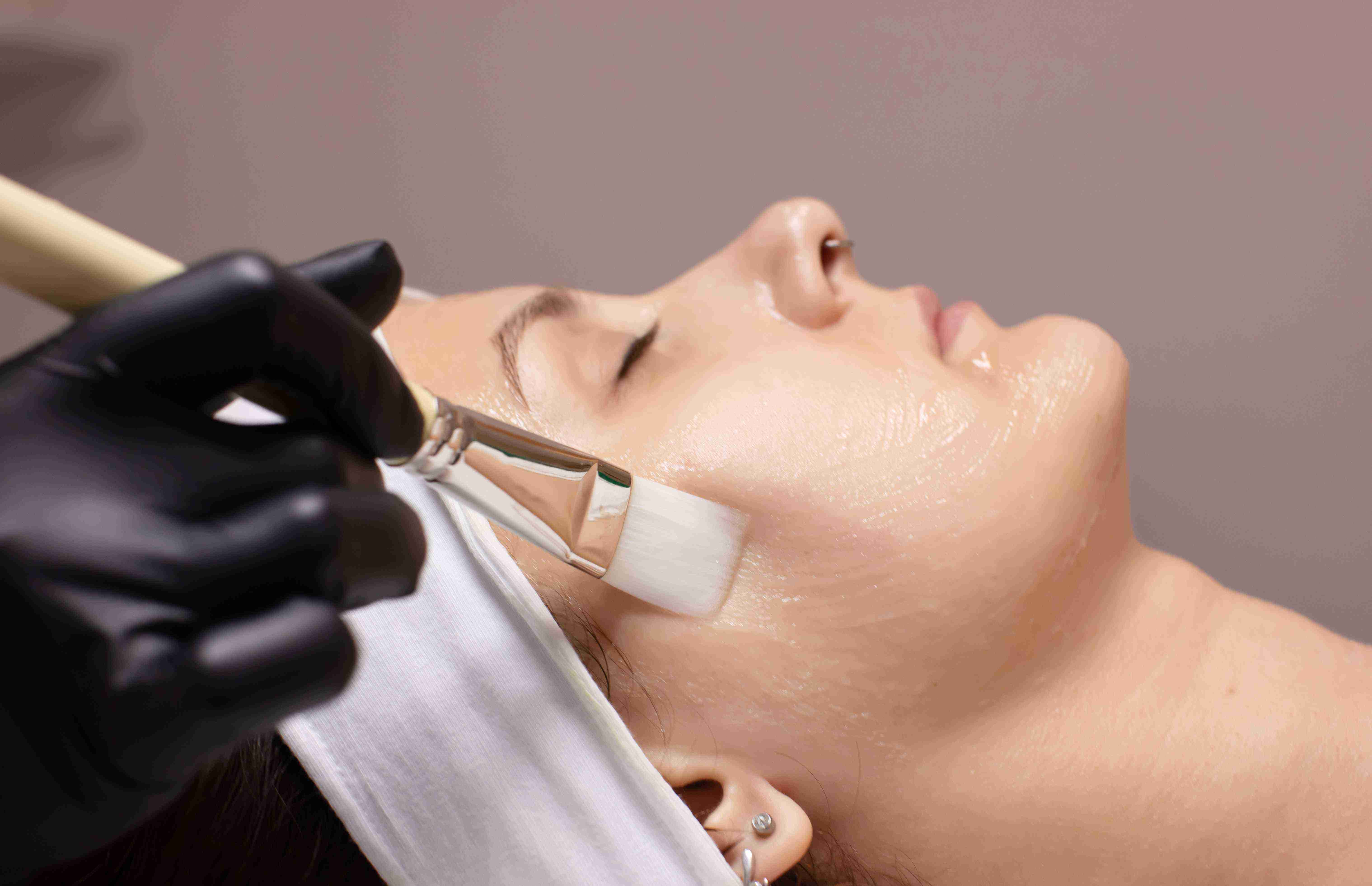
How Laser Hair Regrowth Works
These peels work by deeply penetrating the skin to:

The response to laser hair regrowth therapy varies by the stage of androgenetic alopecia and the proportion of follicles that are miniaturised versus completely atrophied. At Claire Derma, our trichologists perform dermoscopy before starting LLLT to assess the ratio of terminal to vellus hairs across the affected zones.
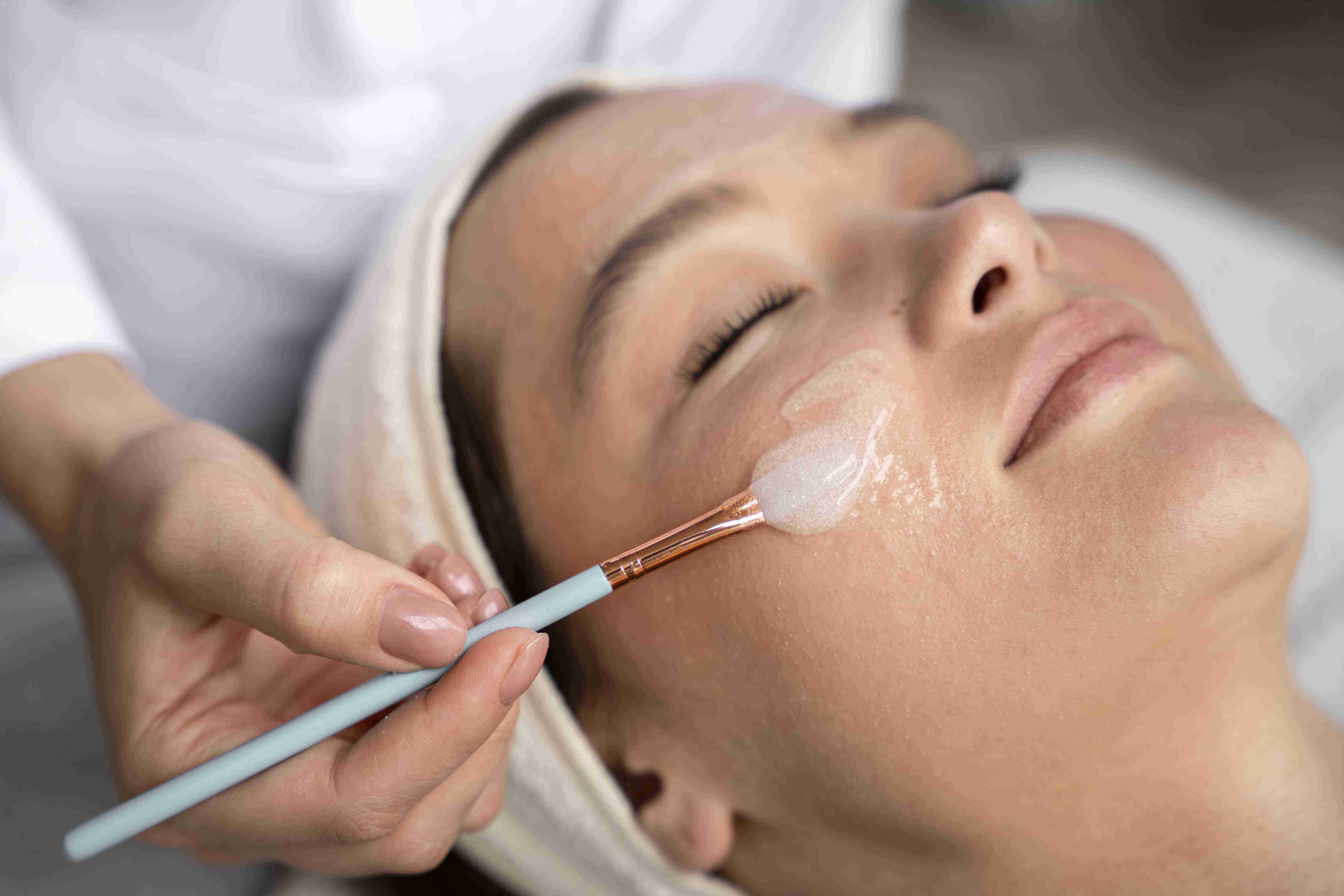
Treating Androgenetic Alopecia with Laser Hair Regrowth
At Claire Derma, our laser hair regrowth protocol uses devices that emit coherent red light at 650 nm wavelength with an energy density of 3 to 5 J/cm² per session. The treatment head is positioned to deliver uniform coverage across the entire scalp, with sessions lasting 20 to 30 minutes.
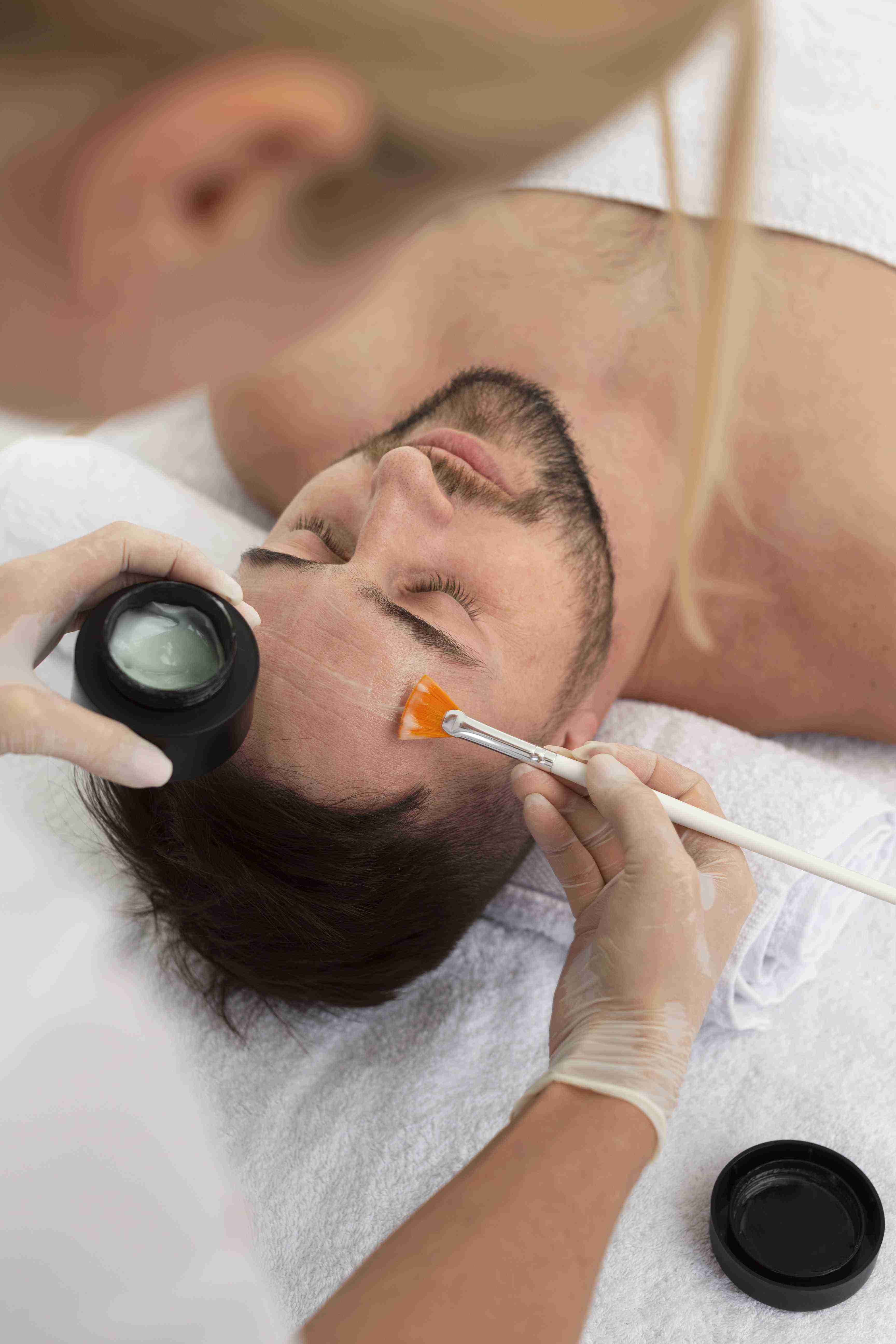
Benefits of Laser Hair Regrowth for Androgenetic Alopecia
Laser hair regrowth therapy at Claire Derma appeals to patients seeking a non-invasive, drug-free treatment option for androgenetic alopecia. The treatment involves no injections, no medication, and no recovery time — you sit comfortably while the laser device delivers photonic energy to your scalp.
Ideal Candidates for the Treatment
This treatment is ideal for individuals who:
There is no recovery period after laser hair regrowth sessions at Claire Derma. You can wash, style, and treat your hair normally immediately after each session. The treatment is painless — most patients describe a mild warmth on the scalp during the 20-to-30-minute session. No scalp preparation or post-treatment products are required.
The Treatment Process
01
Consultation & Skin Analysis
The dermatologist assesses acne severity and selects the best peel formulation. Our trichologist performs dermoscopy to assess your androgenetic alopecia stage and the proportion of miniaturised versus terminal follicles. We photograph baseline conditions and discuss whether LLLT is appropriate as a standalone or adjunctive treatment based on your severity.
02
Preparation
The skin is cleansed, and protective measures are taken for sensitive areas. No physical preparation is required before each laser session. Your scalp should be clean and free of heavy styling products that could interfere with light transmission. Our team at Claire Derma positions the laser device to ensure full scalp coverage.
03
Peel Application
A customized medium or deep peel solution is applied for controlled penetration. The clinical-grade laser device delivers 650 nm red light at 3 to 5 J/cm² across the entire scalp for 20 to 30 minutes. You sit comfortably during the session with no sensation beyond mild warmth.
04
Neutralization & Post-Treatment Care
The peel is neutralized, and a soothing recovery serum is applied. There is no recovery period. You leave the clinic and resume all normal activities immediately. Trichoscopy comparison is performed at three-month intervals to document changes in hair density and shaft diameter.
Expected Results & Recovery

Noticeable improvement in hair density within 2–4 months.
Reduced hair fall and improved hair strength.
Sustained results with regular maintenance sessions.
No downtime required.
Normal activities can be resumed immediately.
Mild scalp warmth may be experienced post-treatment.
Got Questions?We've Got Answers
Find answers to the most common questions about our treatments, procedures, and recovery process. If you can't find what you're looking for, our support team is always here to help.
Typically, 3–6 sessions, spaced 4–6 weeks apart, yield the best results.
Patients may feel a warm or stinging sensation, but discomfort is manageable.
Peeling and flaking can last between 5–10 days, depending on peel strength.
It significantly reduces acne and breakouts, but maintenance treatments and a proper skincare routine are essential.
Sun exposure must be strictly avoided for at least a week, and broad-spectrum sunscreen is mandatory.
LLLT works through photobiomodulation — red light at 650 nm is absorbed by cytochrome c oxidase in the mitochondria of hair follicle cells, increasing ATP production and cellular energy. This metabolic boost extends the anagen growth phase, stimulates dermal papilla cell proliferation, and triggers the release of growth factors including VEGF that improve blood supply to follicles.
LLLT can serve as an alternative for patients who cannot tolerate finasteride, but the two treatments work through different mechanisms and are most effective together. Finasteride reduces scalp DHT levels by approximately 60 percent, directly addressing the hormonal cause. LLLT strengthens follicle metabolism and resilience without affecting DHT levels. At Claire Derma, patients using both treatments consistently achieve better outcomes than either modality alone.
Reduced shedding is typically the first sign, appearing within four to six weeks of starting consistent sessions at Claire Derma. Visible hair thickening begins around three to four months, and meaningful density improvement is usually apparent by six months. Peak results develop at twelve months of continuous treatment.
Maintenance sessions are needed to sustain results because LLLT does not alter the underlying genetic predisposition to DHT-driven miniaturisation. At Claire Derma, patients who achieve satisfactory improvement during the initial six-month course transition from two-to-three sessions per week to one-to-two maintenance sessions weekly. Some patients maintain results with even less frequent sessions over time.