
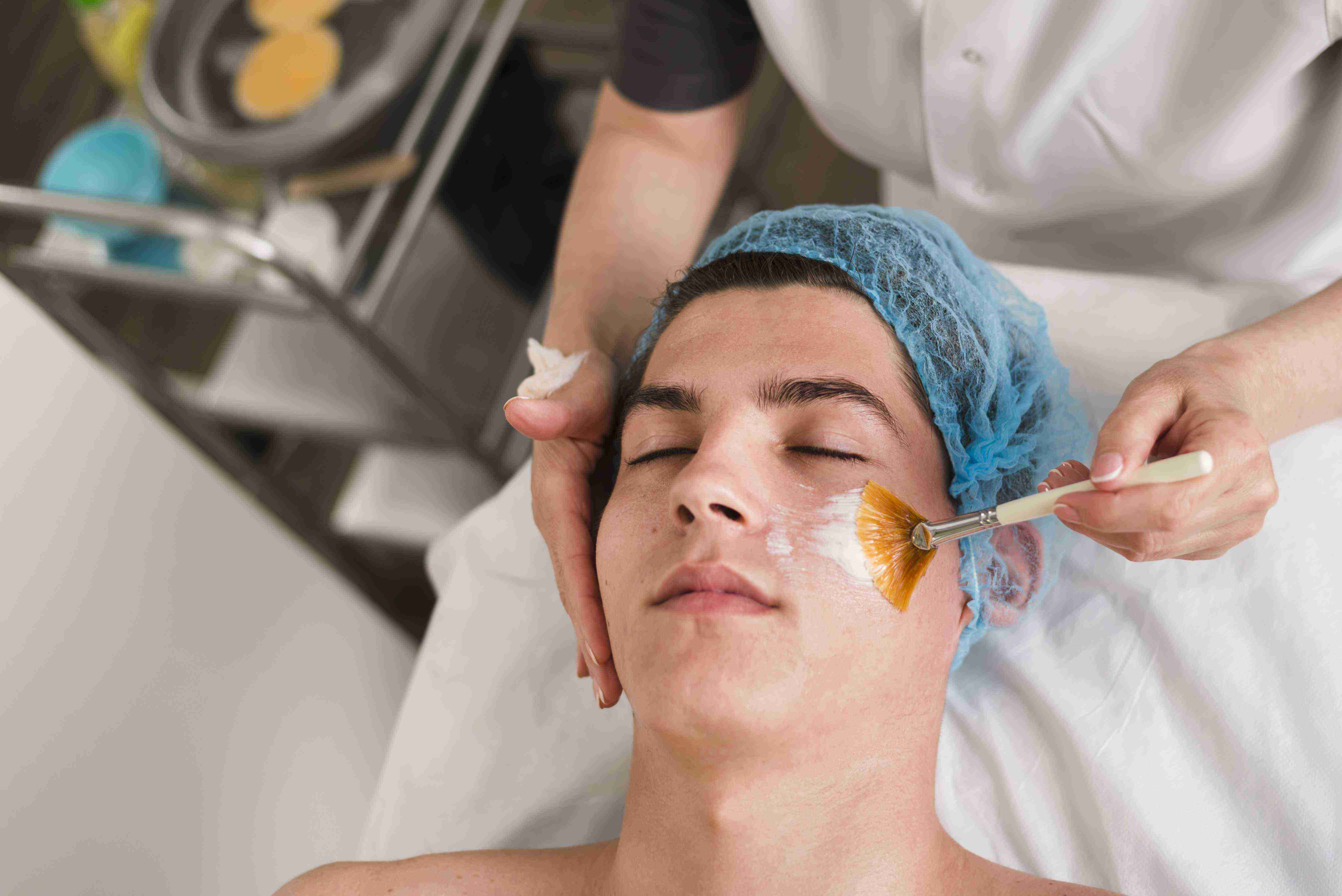
Introduction to Medium to Deep Laser Hair Removal
Acne can be persistent and difficult to manage, especially when it leads to scarring, inflammation, and deep breakouts. Medium to deep chemical peels offer an advanced treatment option that targets severe acne, clogged pores, and post-inflammatory hyperpigmentation. These peels penetrate deeper into the skin layers, effectively removing damaged skin cells, regulating oil production, and stimulating skin renewal for a clearer, smoother complexion. Medium to deep peels use stronger exfoliating agents such as trichloroacetic acid (TCA), phenol, or high-strength salicylic acid to reach the mid to lower dermis, making them effective for stubborn acne, deep scars, and long-term skin rejuvenation.
Laser hair removal uses concentrated light energy at a specific wavelength to target melanin within the hair follicle. The melanin absorbs the laser energy and converts it to heat, which damages the follicular stem cells responsible for hair regrowth — a process called selective photothermolysis. The key is that the laser pulse is long enough to heat the entire follicle but short enough to spare the surrounding skin.
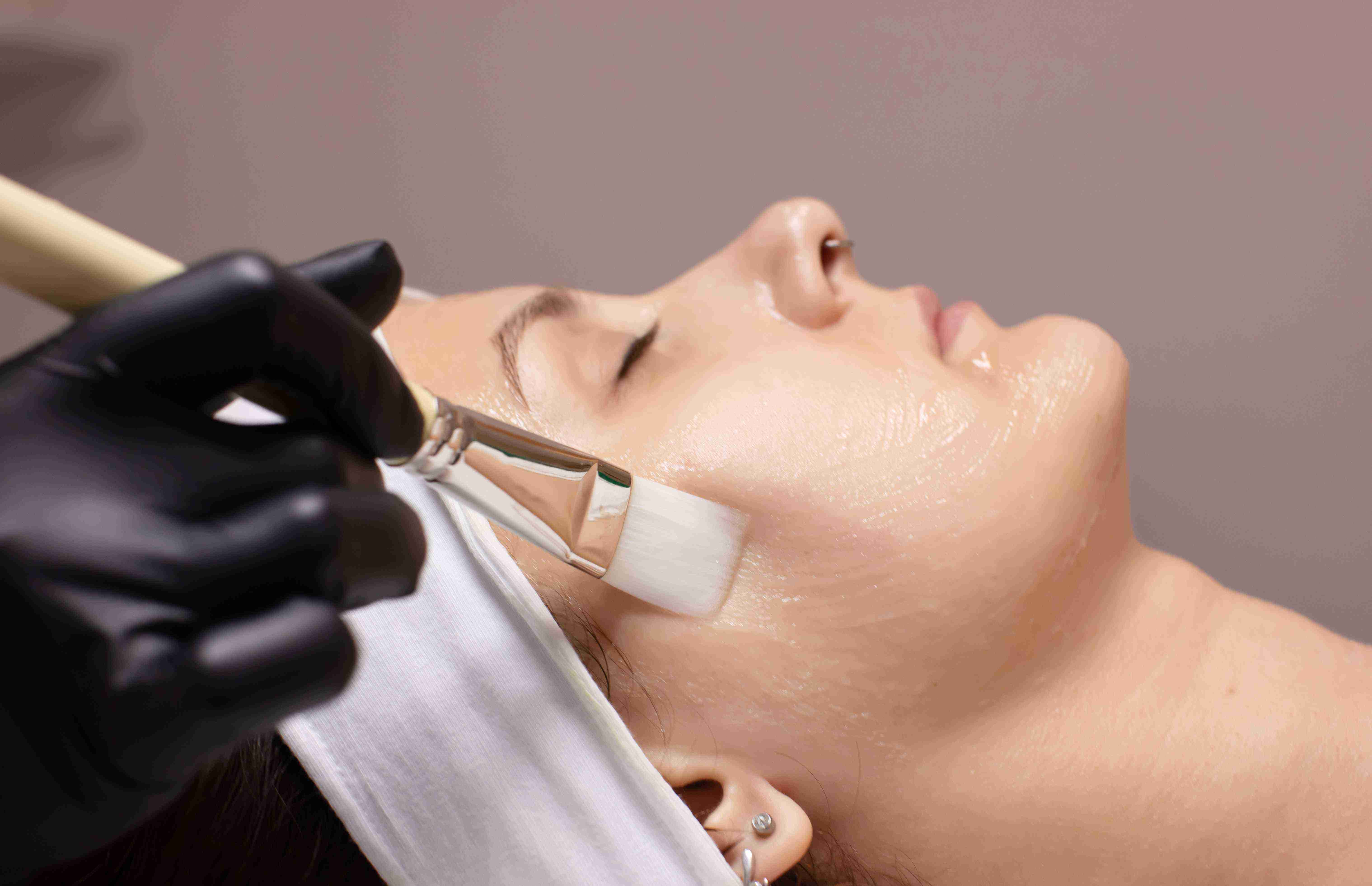
How Medium to Deep Chemical Peels Work
These peels work by deeply penetrating the skin to:

Laser hair removal is effective across most body areas where unwanted hair grows — face (upper lip, chin, sideburns), underarms, bikini line, legs, arms, chest, back, and abdomen. Ideal candidates have dark hair on lighter skin, which provides the strongest contrast for the laser to target melanin in the follicle without competing absorption from the epidermis.
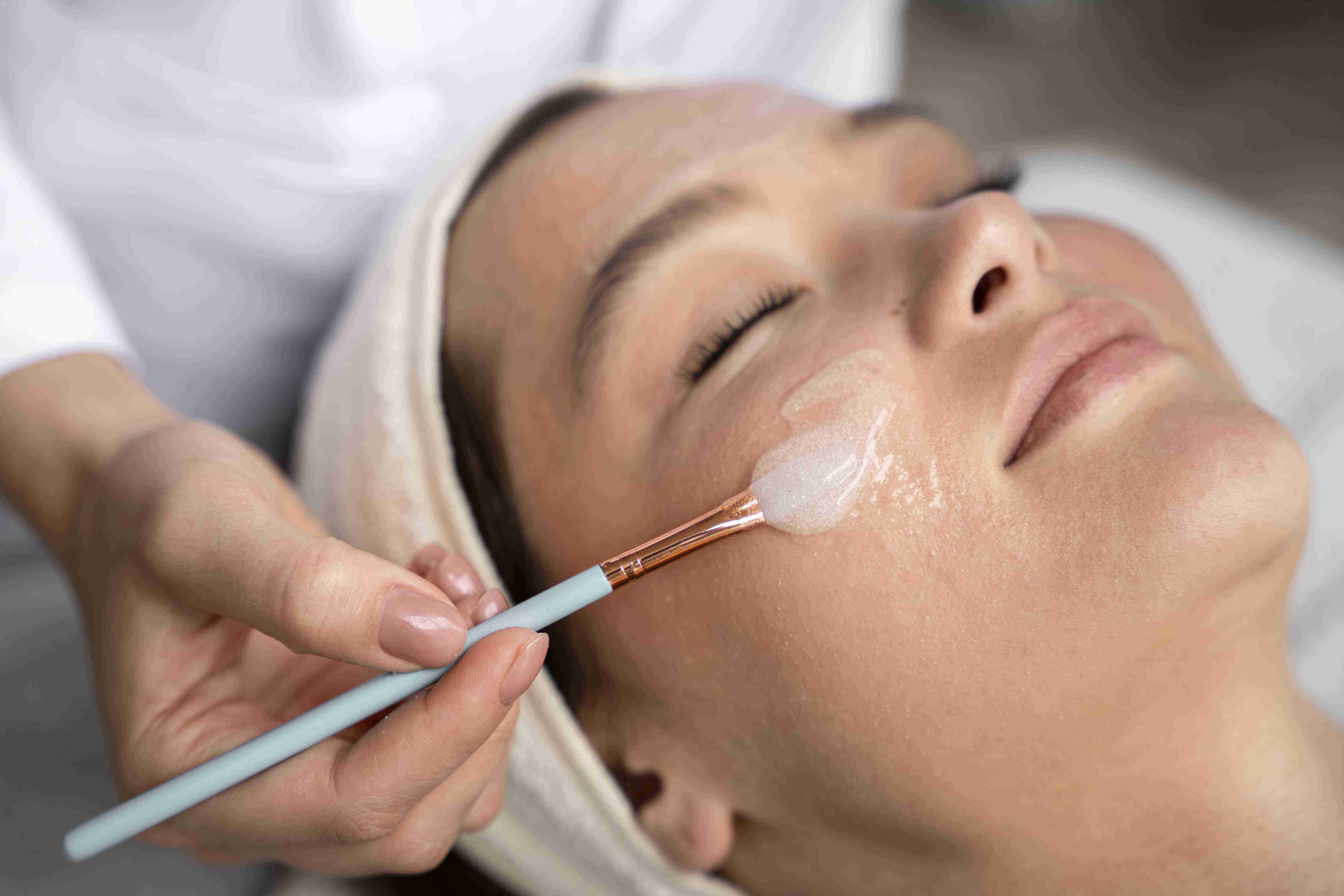
Treating Acne with Medium to Deep Chemical Peels
At Claire Derma, each laser hair removal session begins with a skin and hair assessment. The treatment area is shaved (hair above the surface absorbs laser energy wastefully and can cause surface burns), cleaned, and marked.
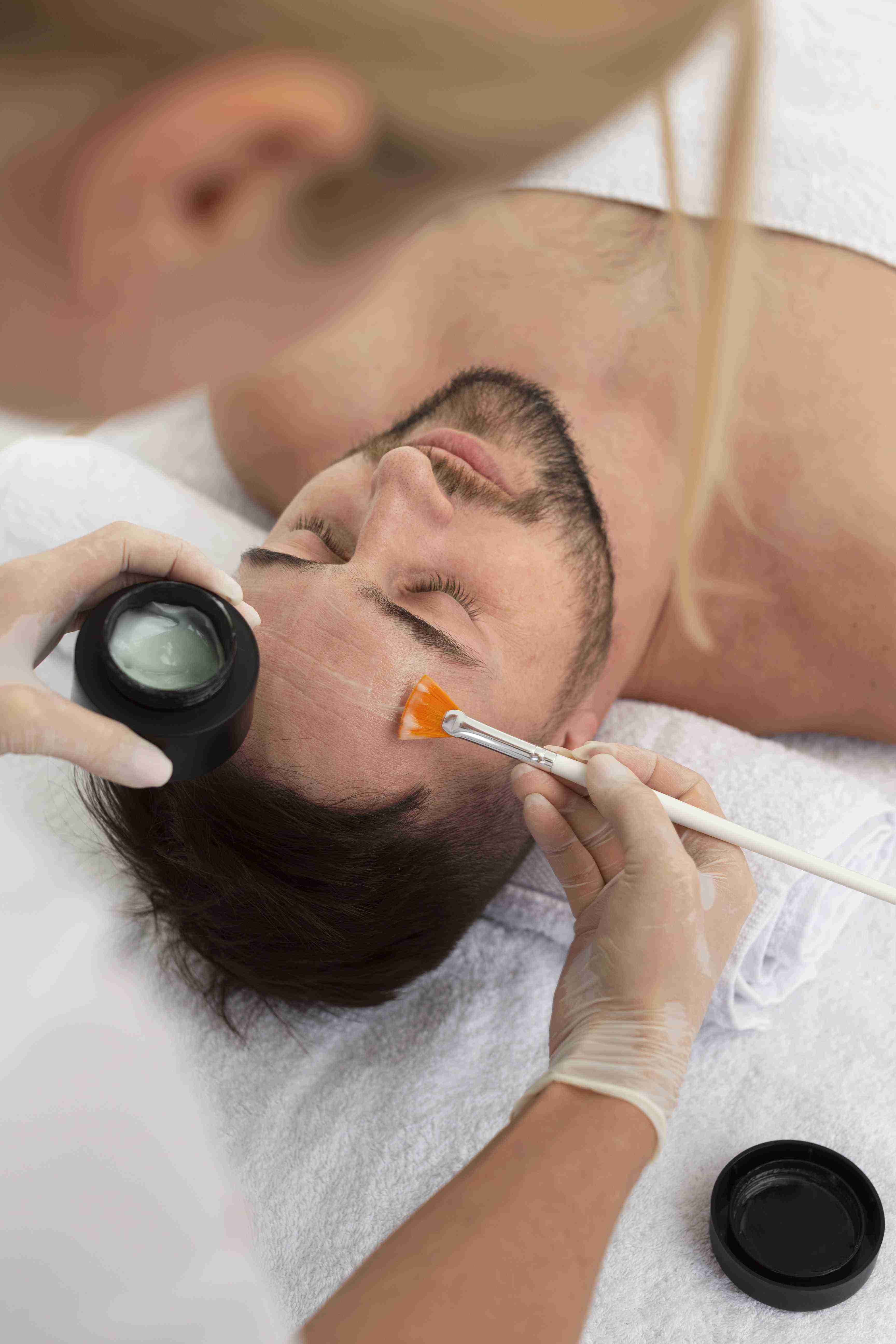
Benefits of Medium to Deep Peels for Acne
Professional laser hair removal at Claire Derma is performed by trained clinicians who understand the relationship between laser physics and skin biology. Incorrect fluence on dark skin causes burns. Too-short pulse durations on fine hair fail to heat the follicle sufficiently. Overlapping pulses on bony prominences increase pain and side-effect risk.
Ideal Candidates for the Treatment
This treatment is ideal for individuals who:
Laser hair removal is not effective on white, grey, or very light blonde hair because these hair types lack sufficient melanin for the laser to target. Red hair responds variably — some patients see moderate reduction while others see minimal change. Tanned skin increases the risk of epidermal burns because the extra melanin in the surface competes with the follicular target for laser energy.
The Treatment Process
01
Consultation & Skin Analysis
The dermatologist assesses acne severity and selects the best peel formulation. Your clinician assesses your skin type, hair colour, and the treatment area. Fitzpatrick classification guides laser and wavelength selection. Medical history including medications, sun exposure, and hormonal conditions is reviewed. A treatment plan specifying session count, interval, and laser platform is outlined.
02
Preparation
The skin is cleansed, and protective measures are taken for sensitive areas. The treatment area is shaved one to two days before or on the day of the session — the hair shaft must be at skin level so the laser energy travels down the melanin in the follicle rather than being wasted on surface hair.
03
Peel Application
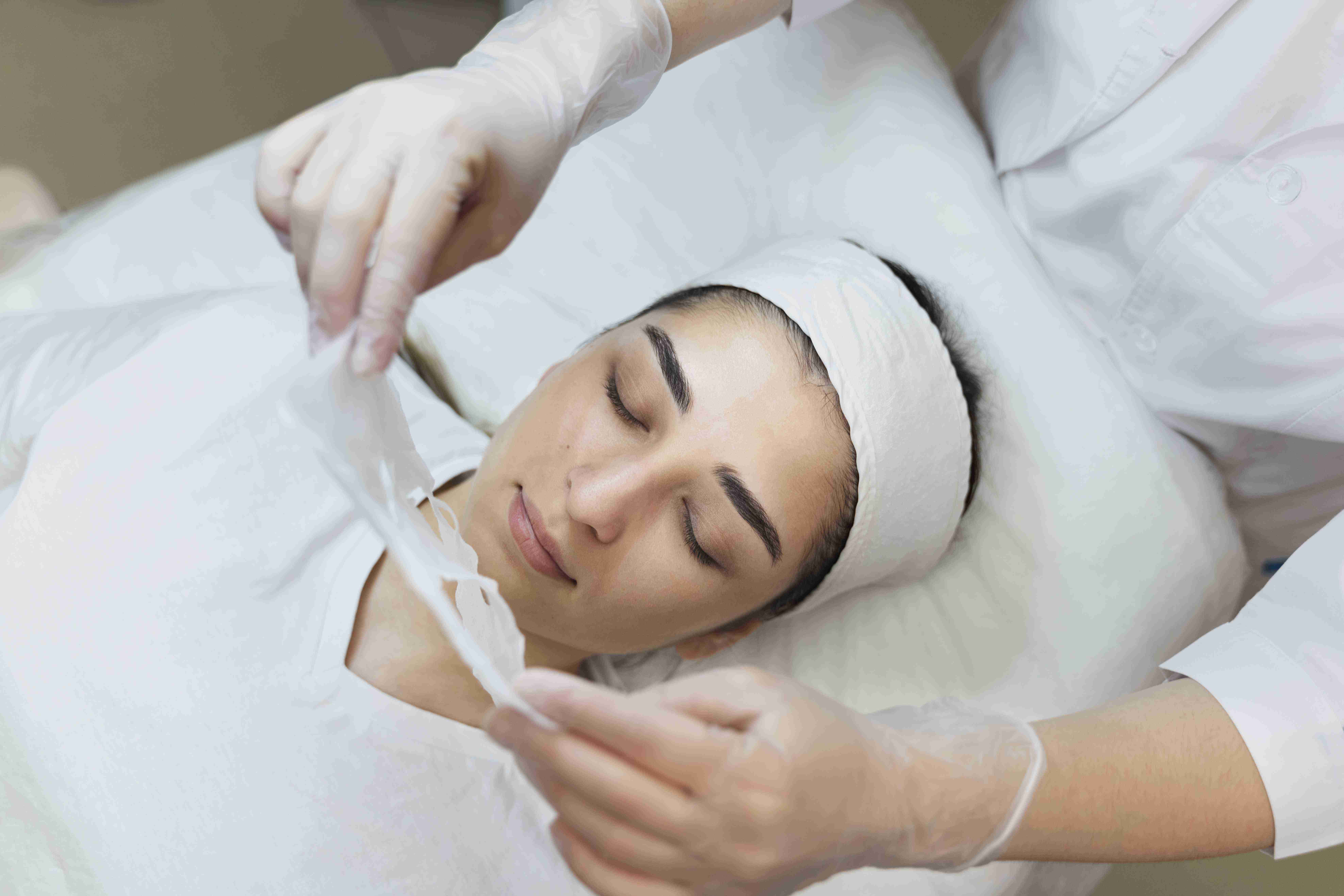
A customized medium or deep peel solution is applied for controlled penetration. The laser handpiece is moved across the treatment area in a systematic pattern, delivering pulses with integrated cooling. Each pulse targets multiple follicles simultaneously. Treatment time ranges from under five minutes for the upper lip to 45 minutes for the full back.
04
Neutralization & Post-Treatment Care
The peel is neutralized, and a soothing recovery serum is applied. Mild redness and perifollicular bumps resolve within a few hours. Apply soothing gel and SPF 50 to the treated area. Avoid heat exposure and intense exercise for 24 hours. Treated hairs shed over one to three weeks.
Expected Results & Recovery

Visible improvements after one session, with further refinement over multiple treatments.
Fewer blemishes, reduced scarring, and an even complexion.
Expect peeling and skin sensitivity for 5–7 days.
With proper maintenance, results can last several months.
Got Questions?We've Got Answers
Find answers to the most common questions about our treatments, procedures, and recovery process. If you can't find what you're looking for, our support team is always here to help.
Typically, 3–6 sessions, spaced 4–6 weeks apart, yield the best results.
Patients may feel a warm or stinging sensation, but discomfort is manageable.
Peeling and flaking can last between 5–10 days, depending on peel strength.
It significantly reduces acne and breakouts, but maintenance treatments and a proper skincare routine are essential.
Sun exposure must be strictly avoided for at least a week, and broad-spectrum sunscreen is mandatory.
Most patients need six to eight sessions for optimal results, with some areas requiring up to ten sessions for very dense or hormonally driven hair. Each session targets the 20 to 30 percent of follicles that are in the active growth phase at that time.
Laser hair removal provides permanent hair reduction, not permanent hair removal. After a full course, 70 to 90 percent of treated hair is eliminated. The remaining hairs are usually finer and lighter. Some follicles may reactivate over time due to hormonal changes — this is more common in hormonally sensitive areas like the face and bikini line. Annual maintenance sessions can address any regrowth.
Discomfort varies by area and individual pain tolerance. Most patients describe the sensation as a warm snap or rubber band flick against the skin. Areas with thinner skin and denser hair — like the bikini line and upper lip — tend to be more sensitive. The cooling systems built into our laser platforms at Claire Derma significantly reduce discomfort.
Yes, safely and effectively when the right technology is used. The 1064 nm Nd:YAG laser is the standard for Fitzpatrick types IV through VI because its longer wavelength bypasses epidermal melanin and targets the follicle directly. At Claire Derma, we use Nd:YAG with longer pulse durations and adjusted fluence for darker skin types, along with active cooling to protect the surface.