Introduction to Superficial to Medium Laser Resurfacing
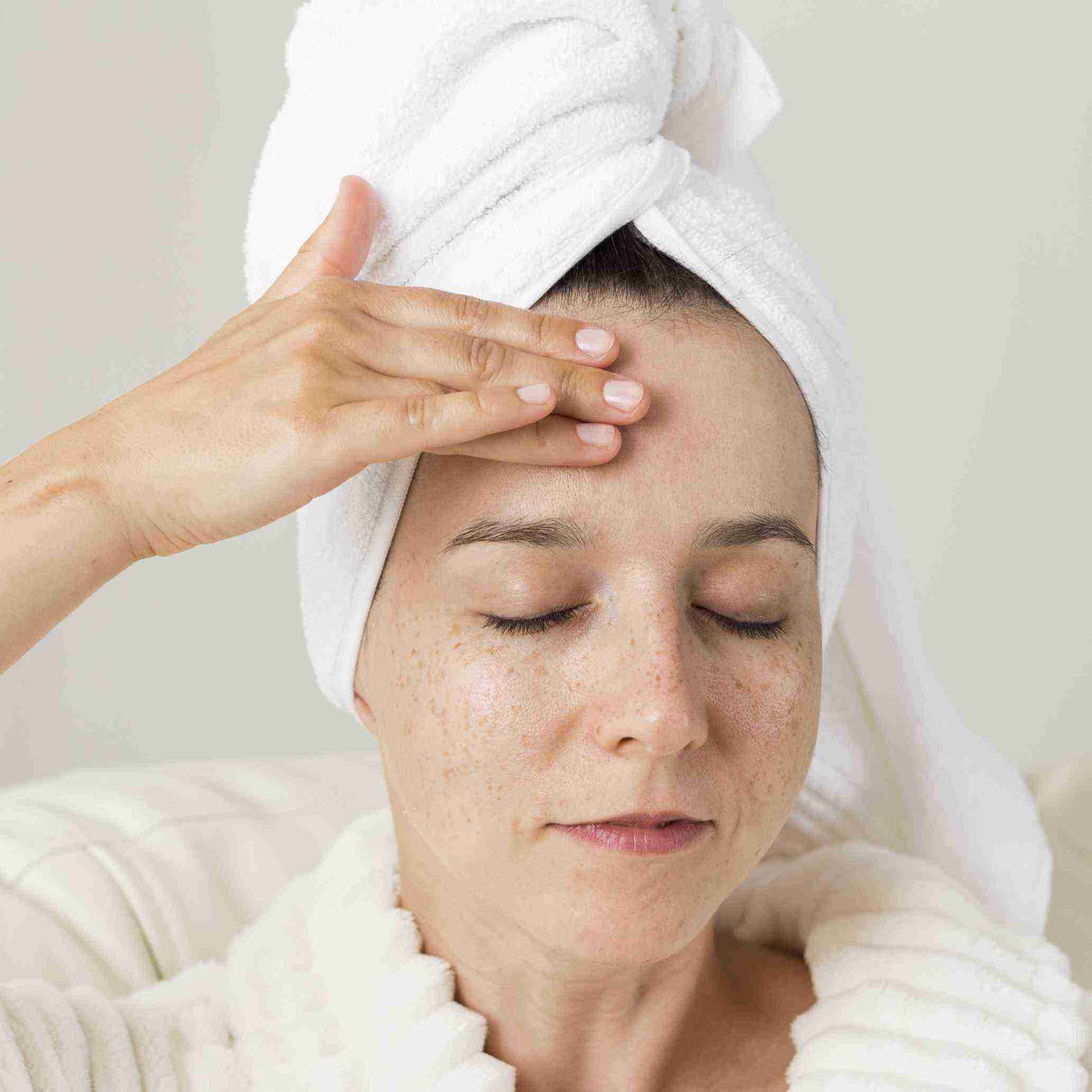
Acne is a common skin condition caused by clogged pores, excess oil production, bacteria, and inflammation. It often leads to pimples, blackheads, whiteheads, and cystic breakouts, which can result in long-term scarring if untreated. Superficial to medium chemical peels are an effective solution for active acne and post-acne marks. These peels work by exfoliating the top layers of the skin, unclogging pores, and reducing oil production, leading to a clearer complexion and fewer breakouts over time.
Laser skin resurfacing removes damaged outer layers of skin in a controlled manner while delivering thermal energy to the deeper dermis, stimulating a robust collagen-remodelling response. The two primary modalities are ablative and non-ablative resurfacing. Ablative lasers — CO2 at 10,600 nm and erbium:YAG at 2940 nm — vaporise the epidermis and a portion of the dermis, triggering intense wound healing that produces dramatic textural improvement.
How Superficial to Medium Chemical Peels Work
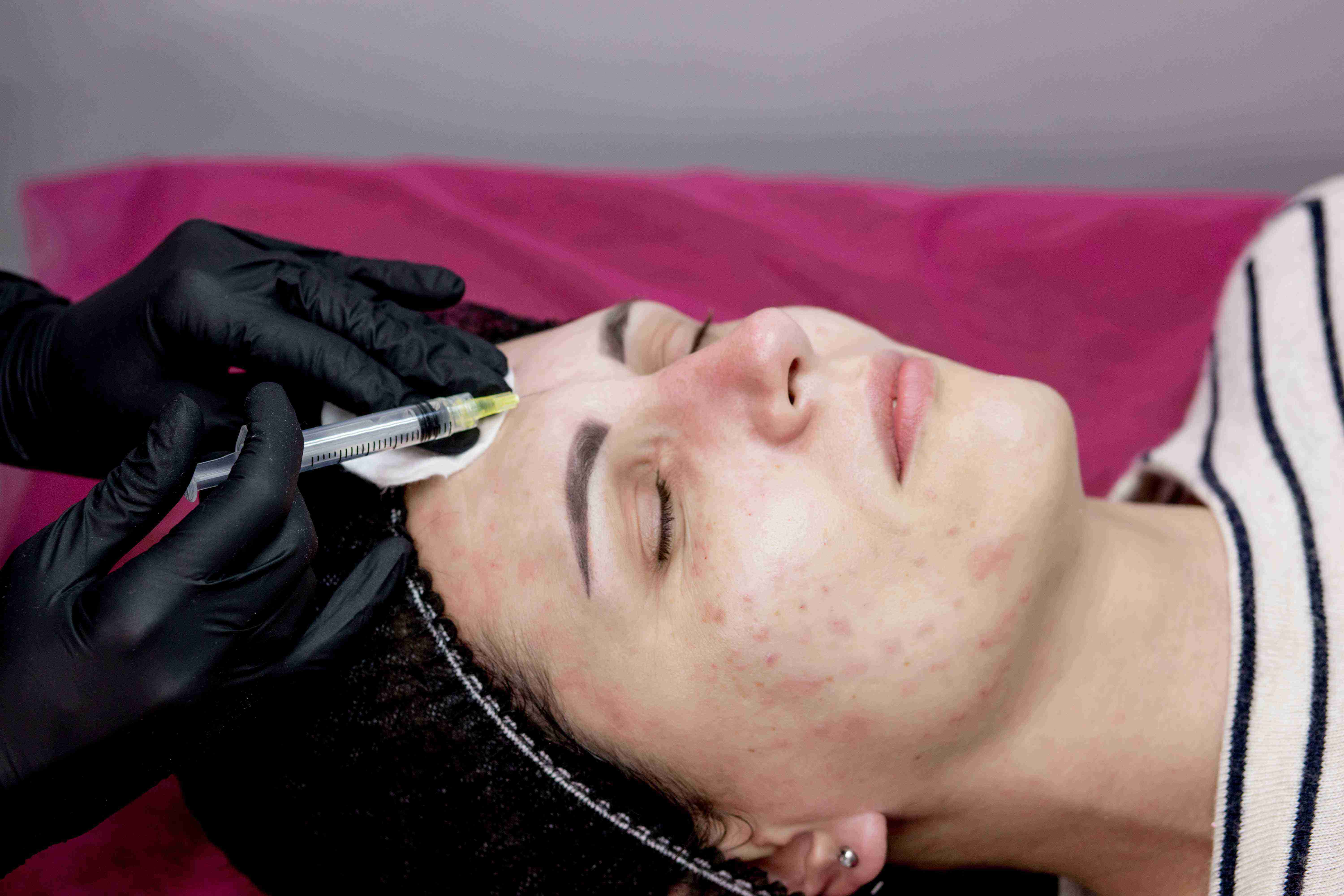
This treatment targets acne and skin congestion by:

Laser resurfacing addresses multiple skin concerns simultaneously: fine lines and wrinkles, acne scarring (boxcar and rolling scars in particular), surgical scars, uneven texture, enlarged pores, sun-damaged skin, and age spots. It's most commonly performed on the face but can also be applied to the neck, chest, and hands.
Treating Acne with Superficial to Medium Chemical Peels
At Claire Derma, resurfacing procedures are performed under topical anaesthesia, nerve blocks, or light sedation depending on the treatment depth and area. For fractional CO2 resurfacing, a topical numbing cream is applied for 45 to 60 minutes before the procedure.
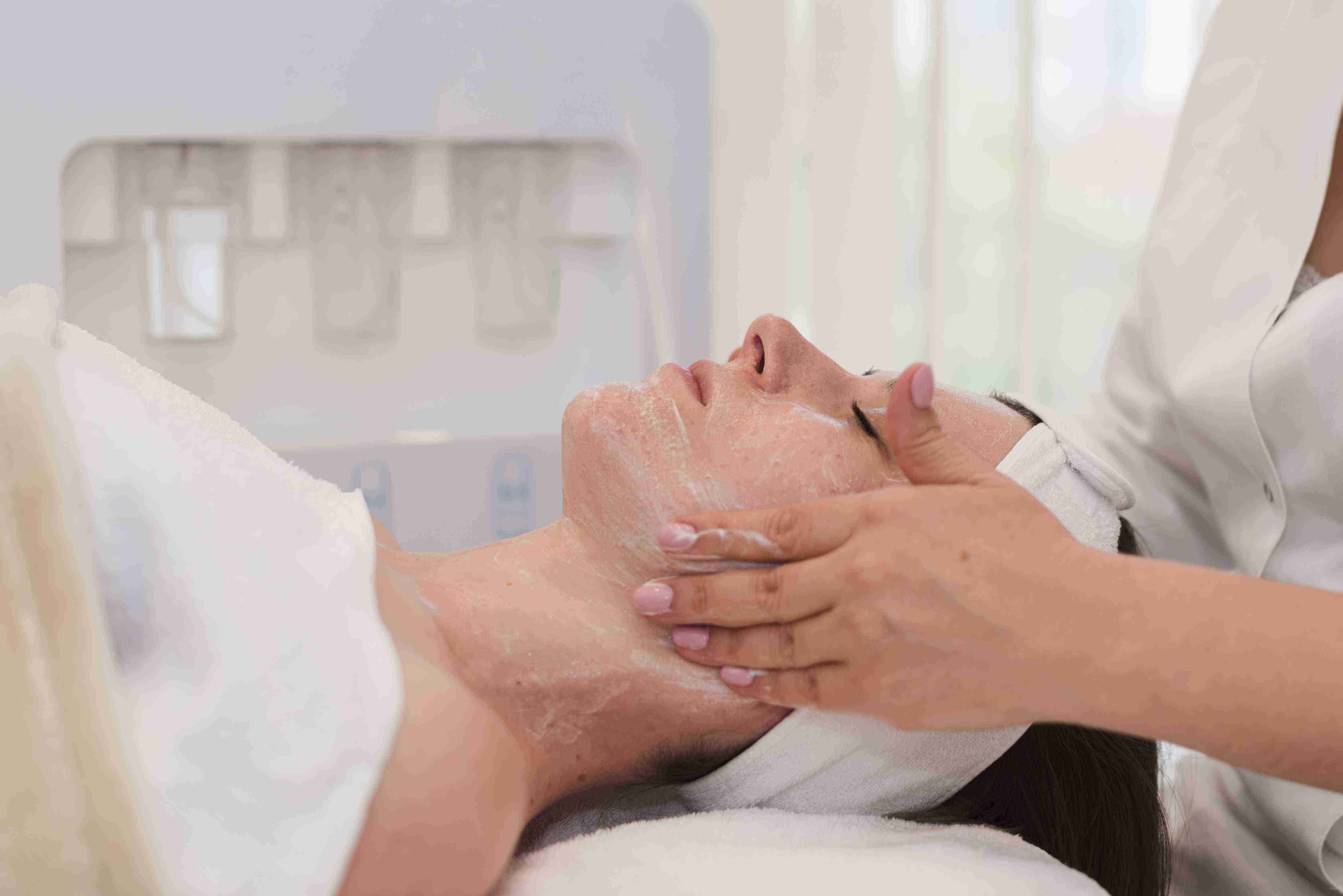
Benefits of Chemical Peels for Acne
Laser resurfacing at Claire Derma is performed by dermatologists who control every parameter — energy, density, pulse duration, and pass count — based on the tissue response they observe in real time. This is not a treatment that should follow a rigid preset.
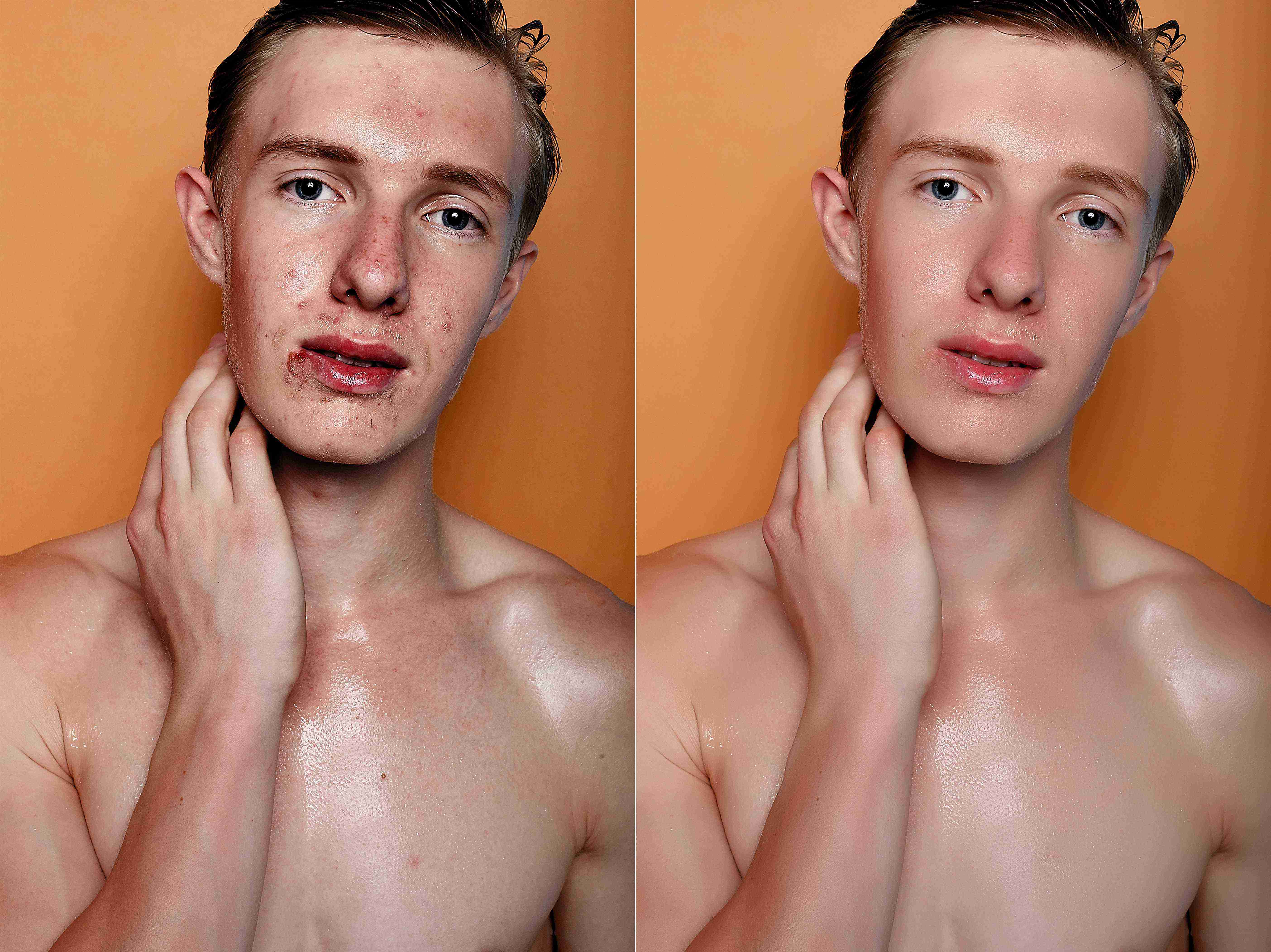
Ideal Candidates for the Treatment
This treatment is ideal for individuals who:
Recovery from laser resurfacing depends on the modality and intensity used. Fractional CO2 patients should expect five to ten days of redness, swelling, and oozing before the skin re-epithelialises. The treated area must be kept moist with a healing ointment and protected from sun exposure for several weeks. Fractional erbium recovery is shorter — three to five days of redness and mild peeling.
The Treatment Process
01
Consultation & Skin Analysis
The dermatologist assesses acne severity and determines the best peel type. Your dermatologist examines your skin's texture, scarring pattern, pigmentation, and overall quality. Skin type is classified. Treatment goals and downtime tolerance are discussed. A resurfacing plan is designed specifying the laser modality, fractional density, and expected sessions.
02
Preparation
The skin is cleansed to remove oil and impurities before the treatment. On the day of treatment, topical anaesthetic cream is applied for 45 to 60 minutes. For deeper ablative sessions, nerve blocks or light sedation may be used. Antiviral prophylaxis is confirmed for patients with herpes simplex history.
03
Peel Application
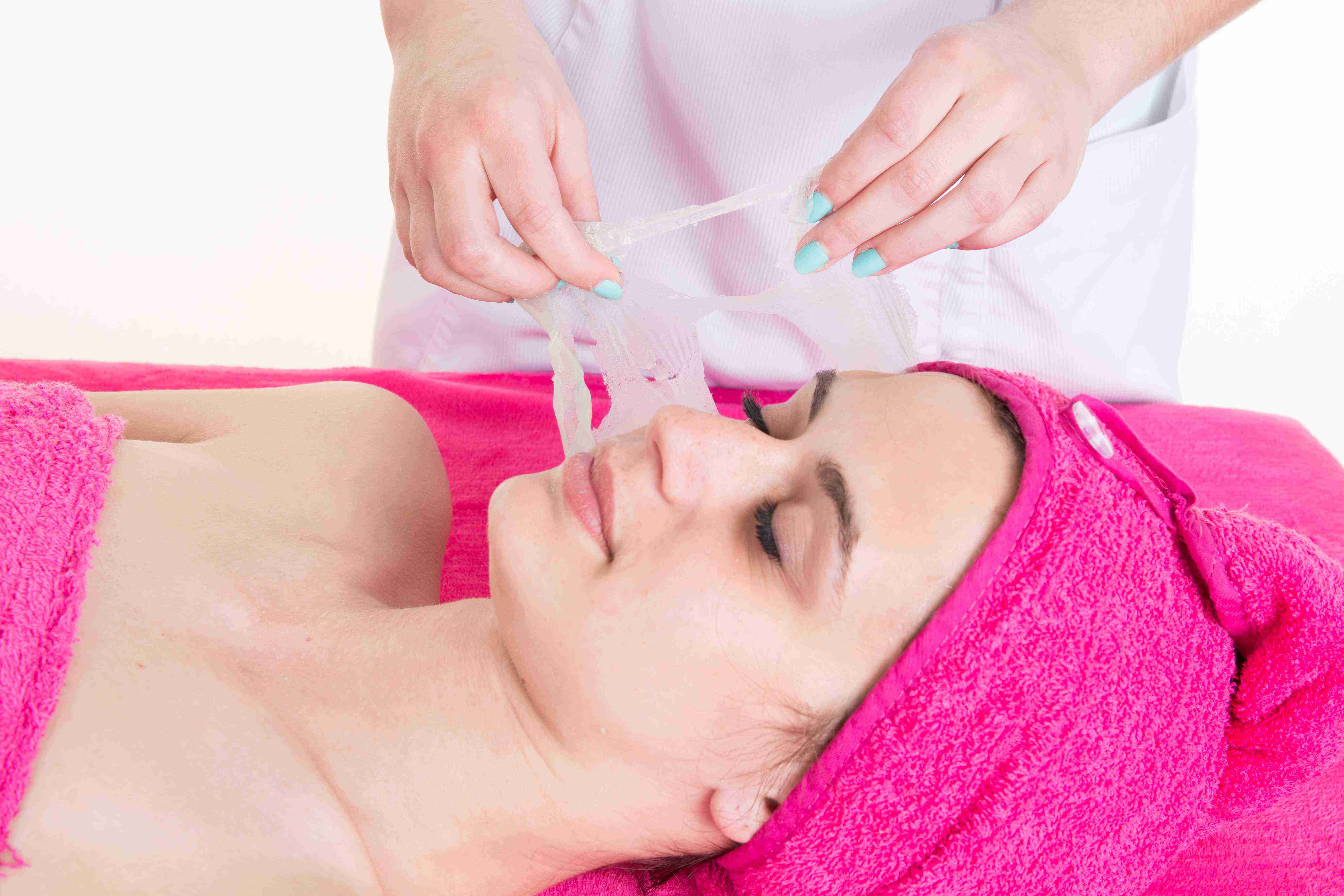
A customized chemical peel is applied and left on for controlled exfoliation. The fractional scanner delivers a grid of laser columns across the treatment area. Your dermatologist adjusts density and energy zone by zone based on tissue response. One to three passes may be performed depending on the concern and desired depth.
Expected Results & Recovery

Noticeable improvements in 1–2 sessions.
Fades acne scars over multiple sessions.
Less roughness and irritation.
Skin heals within 3–7 days, depending on the peel depth.
Best results with regular sessions and a good skincare routine.
Got Questions?We've Got Answers
Find answers to the most common questions about our treatments, procedures, and recovery process. If you can't find what you're looking for, our support team is always here to help.
Typically, 3–6 sessions spaced 2–4 weeks apart are recommended.
Chemical peels fade acne scars and dark spots, but deep scars may require microneedling or laser treatments for optimal results.
Most people experience a mild tingling or stinging sensation, but it is tolerable and subsides quickly.
It is recommended to wait at least 24–48 hours before applying makeup to avoid irritation.
Some individuals experience temporary purging before clearing up.
Recovery depends on the intensity of treatment. Fractional CO2 resurfacing requires five to ten days for the skin to re-epithelialise, with residual redness lasting two to four weeks. Fractional erbium heals in three to five days with less prolonged redness. Non-ablative fractional treatments involve one to three days of pinkness and no open wound.
For moderate acne scarring, three to five fractional CO2 or erbium sessions spaced six to eight weeks apart typically produce the best outcome. Mild textural concerns or fine wrinkles may improve satisfactorily after one to two sessions. Non-ablative fractional lasers require four to six sessions for comparable results.
Ablative resurfacing carries a higher risk of post-inflammatory hyperpigmentation in Fitzpatrick types IV through VI. At Claire Derma, we use lower densities, reduce the number of passes, and often choose the erbium:YAG wavelength over CO2 for darker skin because of its more precise ablation with less thermal spread. Pre-treatment with topical hydroquinone or tranexamic acid can help suppress melanocyte overactivity.
Ablative resurfacing (CO2 or erbium:YAG) removes the outer skin layers by vaporising tissue, creating an open wound that heals with fresh, remodelled skin. The results are dramatic but recovery takes one to two weeks. Non-ablative resurfacing heats the dermis without removing the surface, leaving the epidermis intact. Recovery is minimal, but results are more subtle and require multiple sessions.