

Introduction to Medium to Deep Chemical Peels
Pigmentation issues such as dark spots, melasma, sun damage, and post-inflammatory hyperpigmentation (PIH) can cause an uneven skin tone, making the skin appear dull and aged. Medium to deep chemical peels provide an advanced skin resurfacing treatment designed to fade stubborn pigmentation, exfoliate damaged skin layers, and promote even-toned skin. These peels utilize powerful exfoliating agents such as trichloroacetic acid (TCA), phenol, glycolic acid, and salicylic acid, which penetrate the mid to deep dermal layers to break down excess melanin and stimulate cell renewal for brighter, more radiant skin.
Laser pigmentation reduction targets excess melanin deposits in the skin using specific wavelengths that are preferentially absorbed by melanin. Q-switched lasers — including the Nd:YAG at 1064 nm and 532 nm, and the alexandrite at 755 nm — deliver ultra-short nanosecond or picosecond pulses that shatter melanin granules through a photoacoustic or photothermal effect. The fragmented melanin is then cleared by macrophages through the lymphatic system over the following weeks.
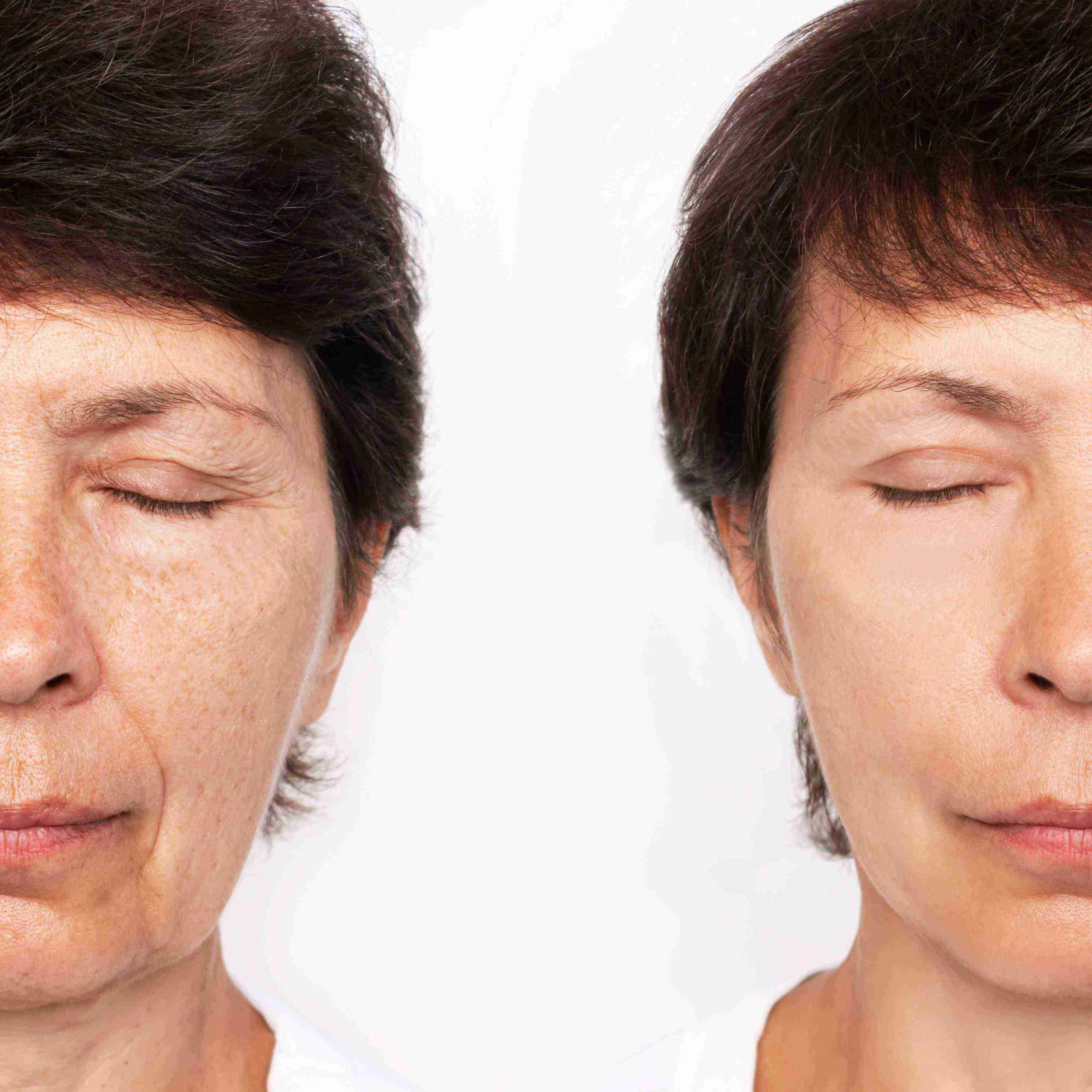
How Medium to Deep Chemical Peels Work
This treatment effectively reduces pigmentation by:

Laser pigmentation treatment is appropriate for patients with discrete sun spots, age spots, café-au-lait macules, freckles, post-inflammatory hyperpigmentation, and certain birthmarks like nevus of Ota. It also addresses uneven skin tone caused by cumulative UV damage. Ideal candidates have a clear diagnosis of the pigment type and realistic expectations about the number of sessions required.
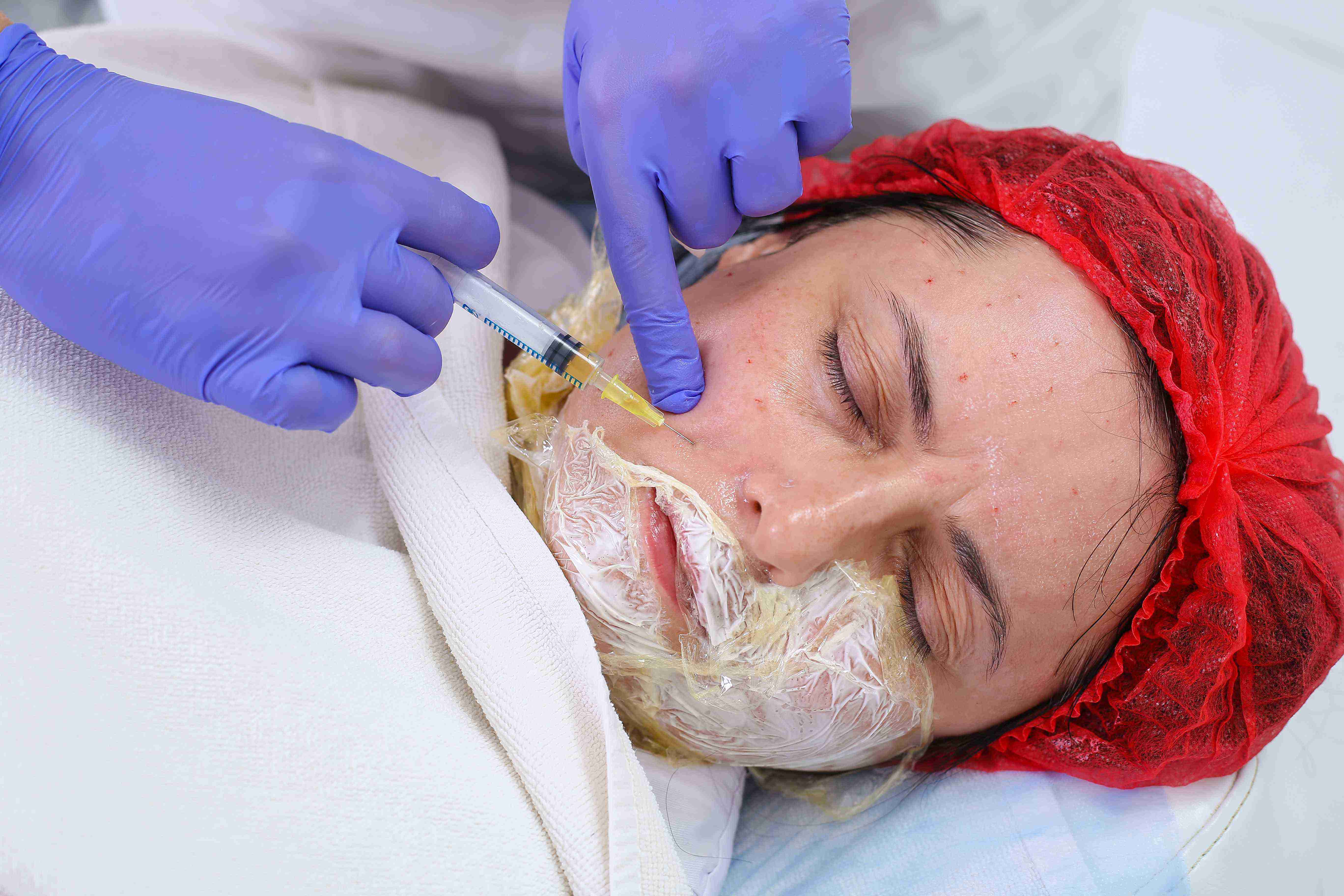
Treating Pigmentation with Medium to Deep Chemical Peels
At Claire Derma, a laser pigmentation session begins with cleansing the skin and photographing the treatment area under standardised lighting. Your dermatologist selects the laser platform and wavelength based on your pigment diagnosis and skin type. For discrete spots, the laser beam is directed precisely at the lesion using a small spot size (2 to 4 mm).
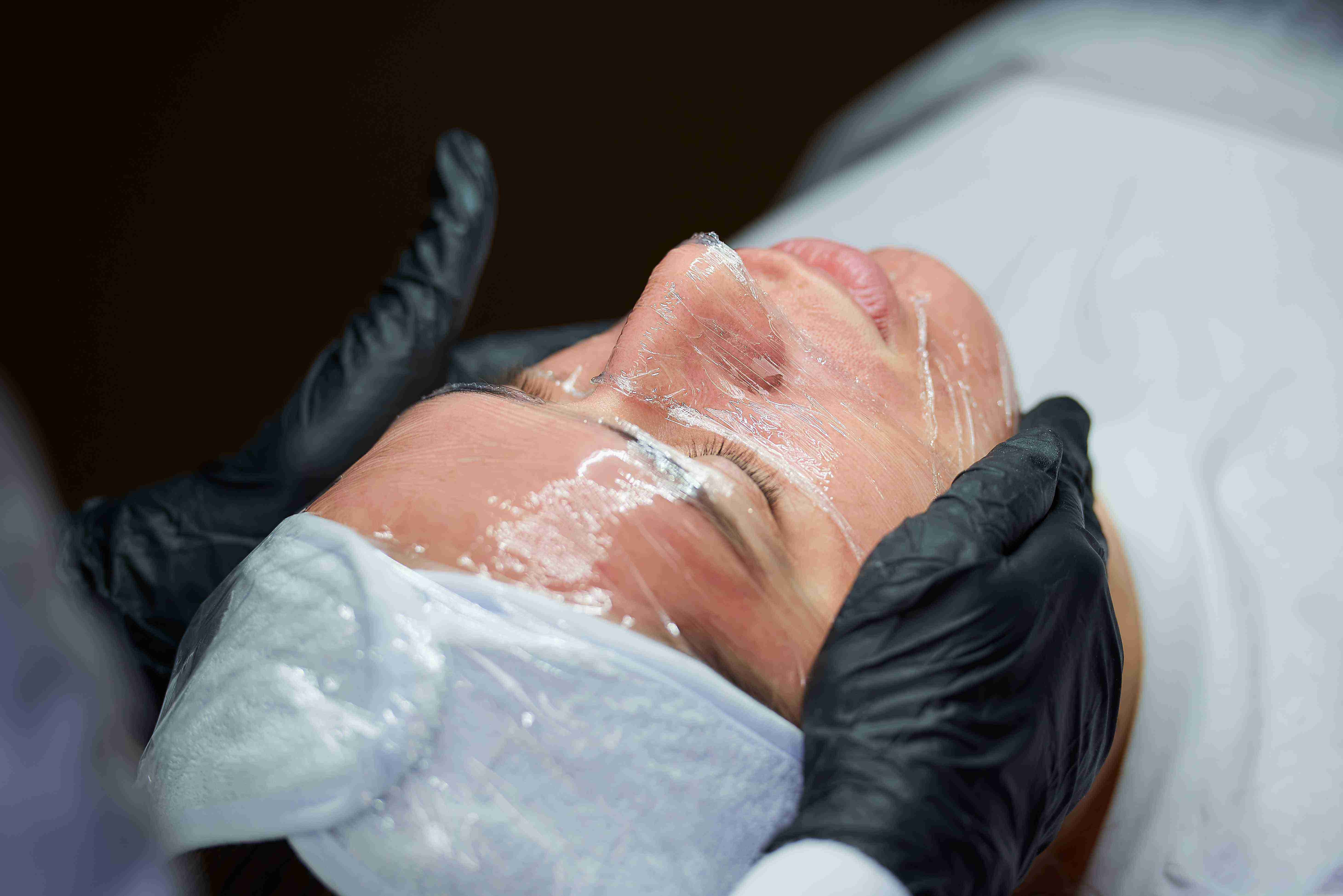
Benefits of Medium to Deep Peels for Pigmentation
Having laser pigmentation treatment at Claire Derma means your pigment type is diagnosed accurately before any laser is fired. This matters because the wrong treatment can make pigmentation worse — aggressive laser settings on melasma, for instance, can trigger a rebound flare that's harder to treat than the original condition.
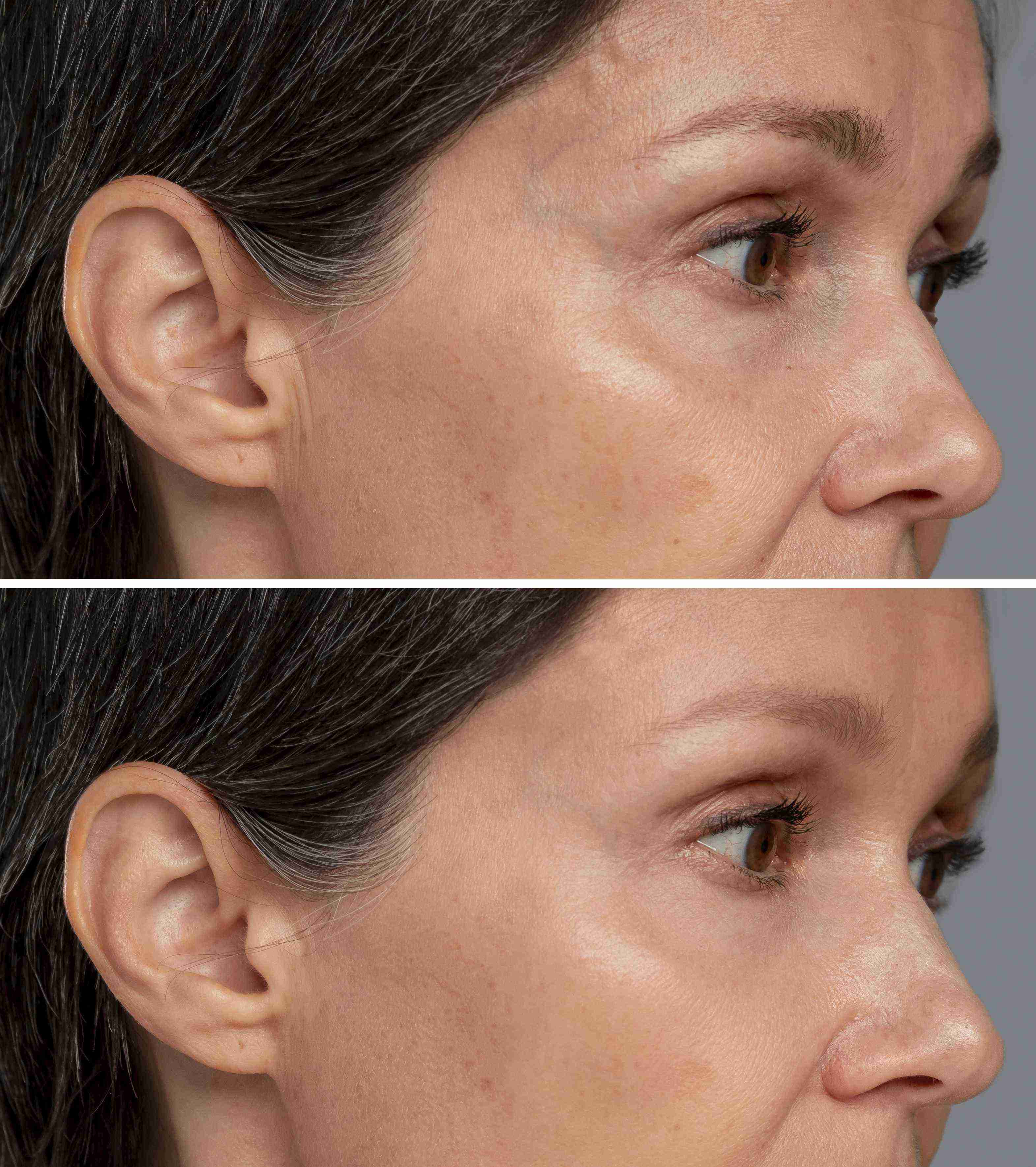
Ideal Candidates for the Treatment
This treatment is ideal for individuals who:
Laser pigmentation treatment requires strict sun avoidance before and after sessions. UV exposure stimulates melanocytes and can trigger post-inflammatory hyperpigmentation, undermining the treatment result. Patients should avoid direct sun for four weeks before and after each session and apply SPF 50 daily without exception. Tanned skin absorbs laser energy unpredictably and increases the risk of burns. At Claire Derma, we will postpone your session if your skin shows signs of recent sun exposure.
The Treatment Process
01
Consultation & Skin Assessment
The dermatologist evaluates skin type and pigmentation severity. Your dermatologist examines the pigmentation using Wood's lamp and dermoscopy to determine the type, depth, and distribution of melanin. Skin type is classified. A treatment plan is created specifying the laser platform, wavelength, expected sessions, and any preparatory topical regimen.
02
Preparation
The skin is cleansed, and a pre-peel skincare routine may be recommended. The skin is cleansed and dried. Protective eyewear is placed. The laser is calibrated — wavelength, fluence, spot size, and pulse duration are set based on your pigment diagnosis and skin type.
03
Peel Application
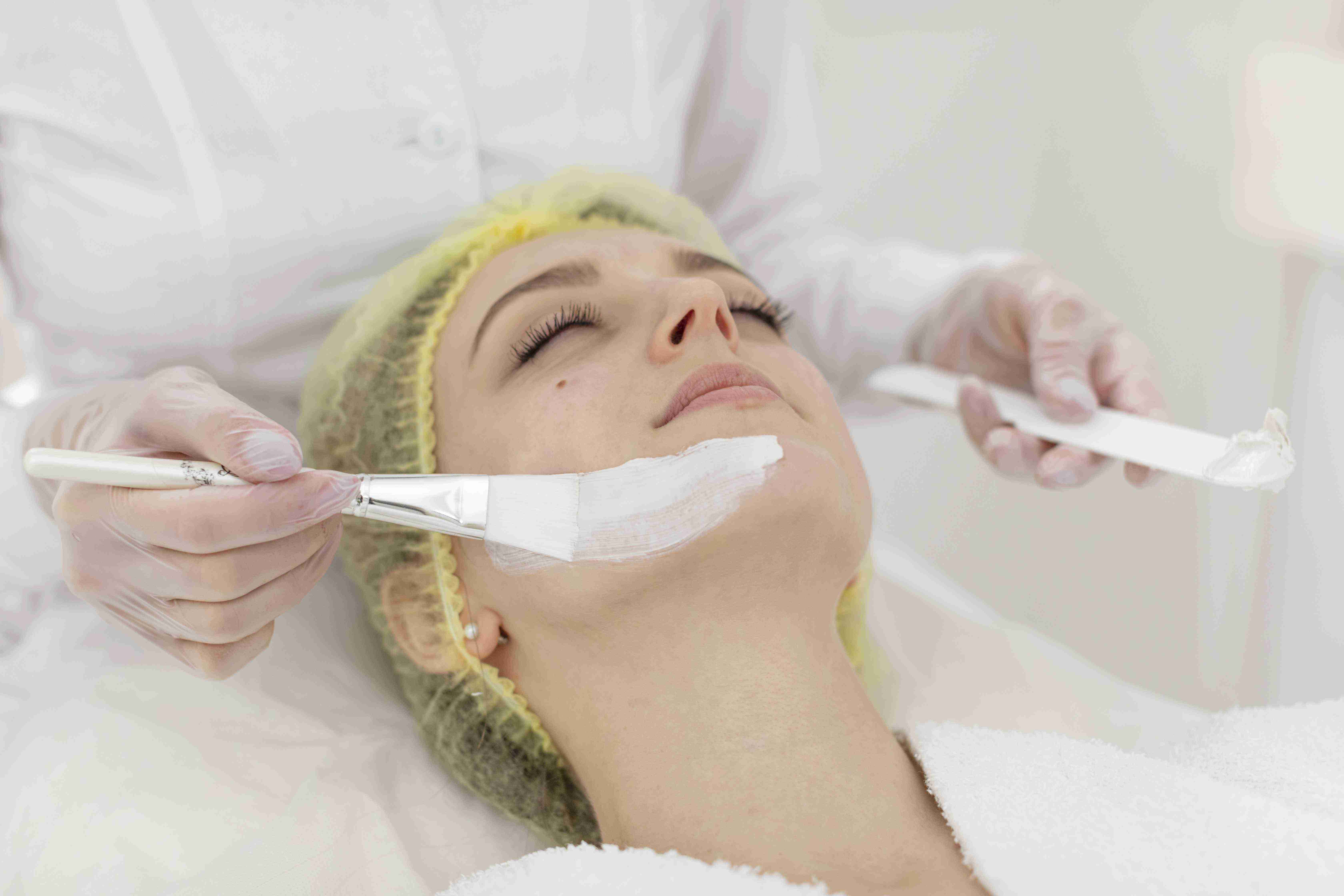
A customized medium or deep peel solution is applied and left on for a specific duration. The laser is directed at the pigmented area in precise, overlapping pulses. For discrete lesions, each spot receives targeted pulses until an immediate whitening or greying response is visible. For diffuse toning, the beam is swept across the area at lower fluence.
04
Recovery Phase
Peeling, redness, and irritation may occur for 5–10 days; sun protection is essential. Treated spots darken and may form thin micro-crusts that shed over seven to fourteen days. Mild redness and swelling are common for 24 to 48 hours. Strict sun avoidance and SPF 50 application are required. Avoid exfoliating products for one week.
Expected Results & Recovery

Dark spots and uneven tone begin to fade within a few weeks.
A more radiant complexion emerges as peeling subsides.
Peeling lasts around 5–10 days, with visible improvements in 2–4 weeks.
Regular treatments lead to progressive fading of pigmentation.
Got Questions?We've Got Answers
Find answers to the most common questions about our treatments, procedures, and recovery process. If you can't find what you're looking for, our support team is always here to help.
Typically, 3–6 sessions, spaced 4–6 weeks apart, provide the best results.
With proper sun protection and skincare, results can be long-lasting. However, melasma and sunspots may return with excessive sun exposure.
Yes, but the type and strength of the peel should be customized based on skin type and pigmentation level to avoid complications.
Patients may feel a warm or tingling sensation during the peel, but discomfort is temporary.
Makeup should be avoided for at least 5–7 days to allow proper healing.
Yes, if the wrong parameters are used or the pigment type is misdiagnosed. Aggressive laser settings on melasma, for example, can trigger melanocyte hyperactivity and cause a rebound darkening that's more extensive than the original condition. Post-inflammatory hyperpigmentation can also occur if the treatment causes excessive thermal injury to the epidermis, particularly in darker skin types.
For superficial spots, the treated area darkens immediately, crusts over three to five days, and sheds within seven to fourteen days. The skin beneath is lighter and clearer. For deeper or diffuse pigmentation, clearance is more gradual — you'll see progressive lightening across four to ten sessions. At Claire Derma, we photograph your skin at each visit so you can objectively track improvement.
It can be, but wavelength selection and parameter settings are critical. The 1064 nm Nd:YAG is the safest laser for darker skin types because its longer wavelength bypasses epidermal melanin, reducing the risk of burns and PIH. Fluence is kept conservative, and sessions are spaced further apart to allow the skin to recover fully.
For sun spots and age spots, recurrence depends largely on future sun exposure. If you maintain diligent sun protection, treated spots are unlikely to return. Post-inflammatory hyperpigmentation typically does not recur once the underlying cause (such as acne) is controlled. Melasma, however, is a chronic condition — it may improve with laser treatment but can relapse with sun exposure, hormonal shifts, or heat.