
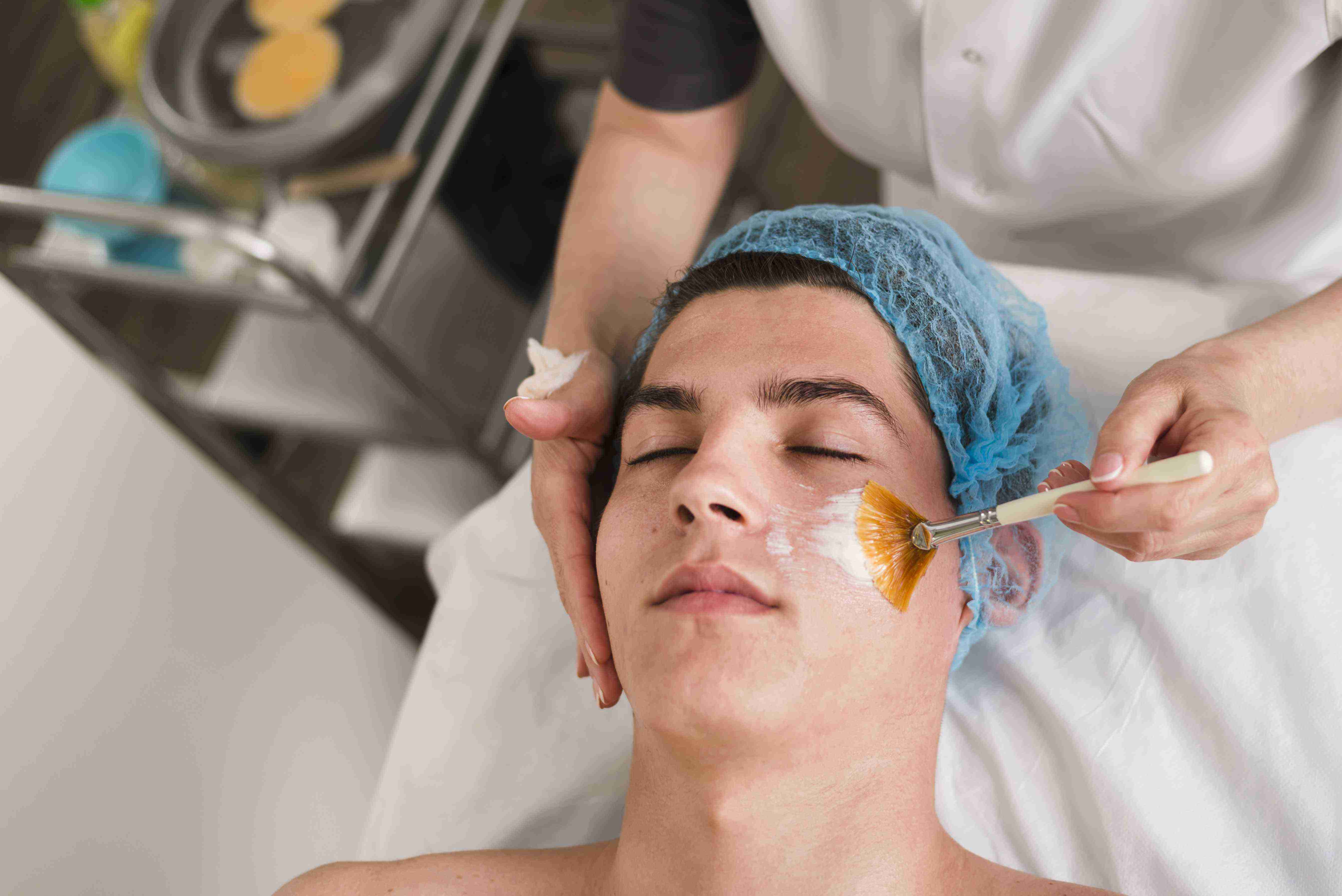
Introduction to Medium to Deep Chemical Peels
As skin ages, collagen production declines, leading to fine lines, wrinkles, skin laxity, and an uneven texture. Medium to deep chemical peels are an advanced skin rejuvenation treatment that helps reverse these signs of aging by removing damaged skin layers, stimulating new collagen growth, and promoting a youthful, radiant complexion. These peels use potent exfoliating agents, such as trichloroacetic acid (TCA), phenol, and high-strength glycolic acid, which penetrate deeper into the skin layers to trigger cell renewal, enhance skin elasticity, and smooth out wrinkles.
Laser tattoo removal works by delivering ultra-short pulses of light — in the nanosecond or picosecond range — at wavelengths that are absorbed by specific ink pigments trapped in the dermis. The rapid energy delivery creates a photoacoustic shockwave that shatters ink particles into fragments small enough for macrophages to engulf and transport to the lymph nodes for elimination.
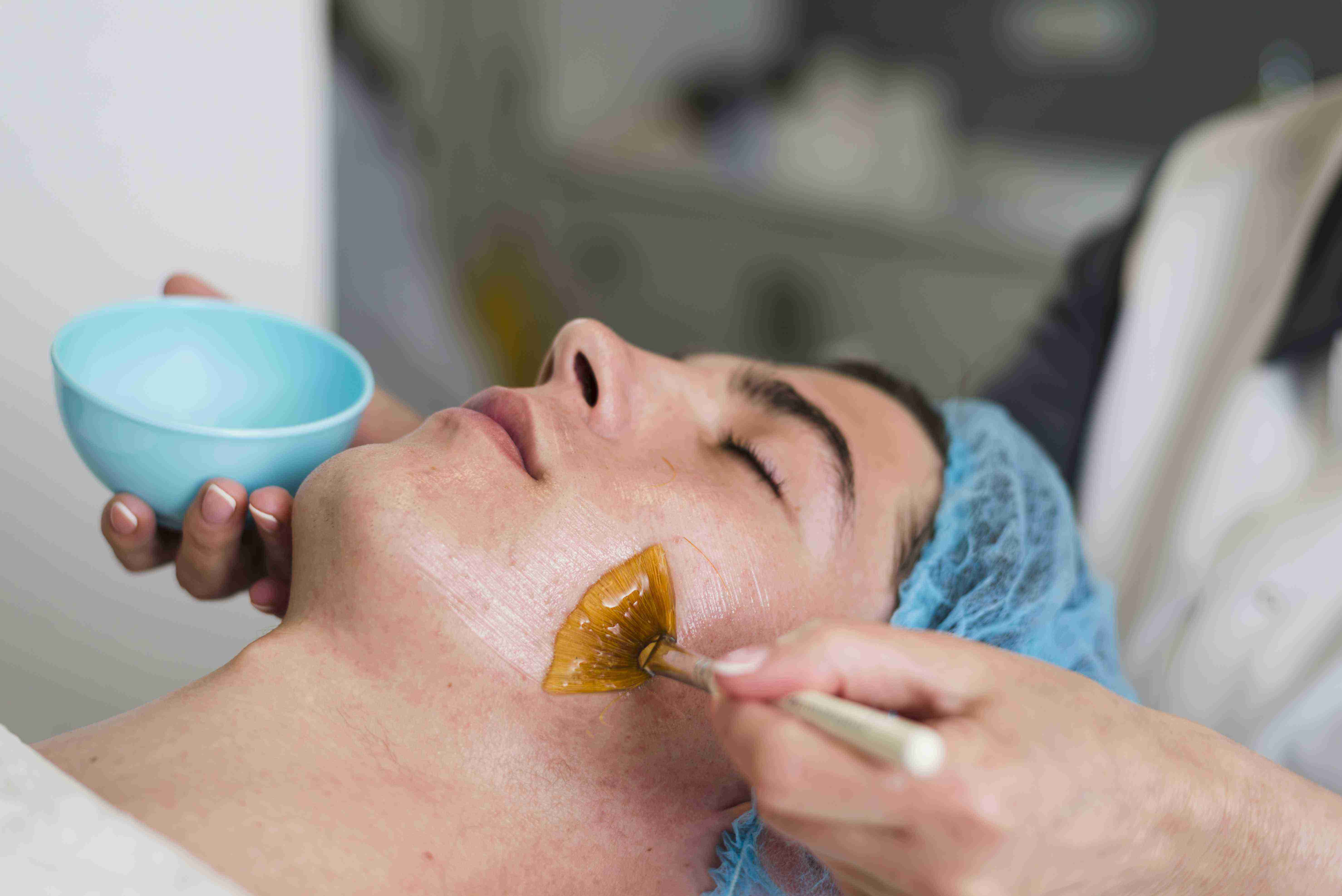
How Medium to Deep Chemical Peels Work
This treatment effectively combats aging by:

Laser tattoo removal is appropriate for patients who want full removal, significant fading for a cover-up tattoo, or selective removal of specific elements within a larger piece. Professional tattoos with dense, deeply placed ink generally require more sessions than amateur tattoos, which tend to have less ink and more superficial placement.

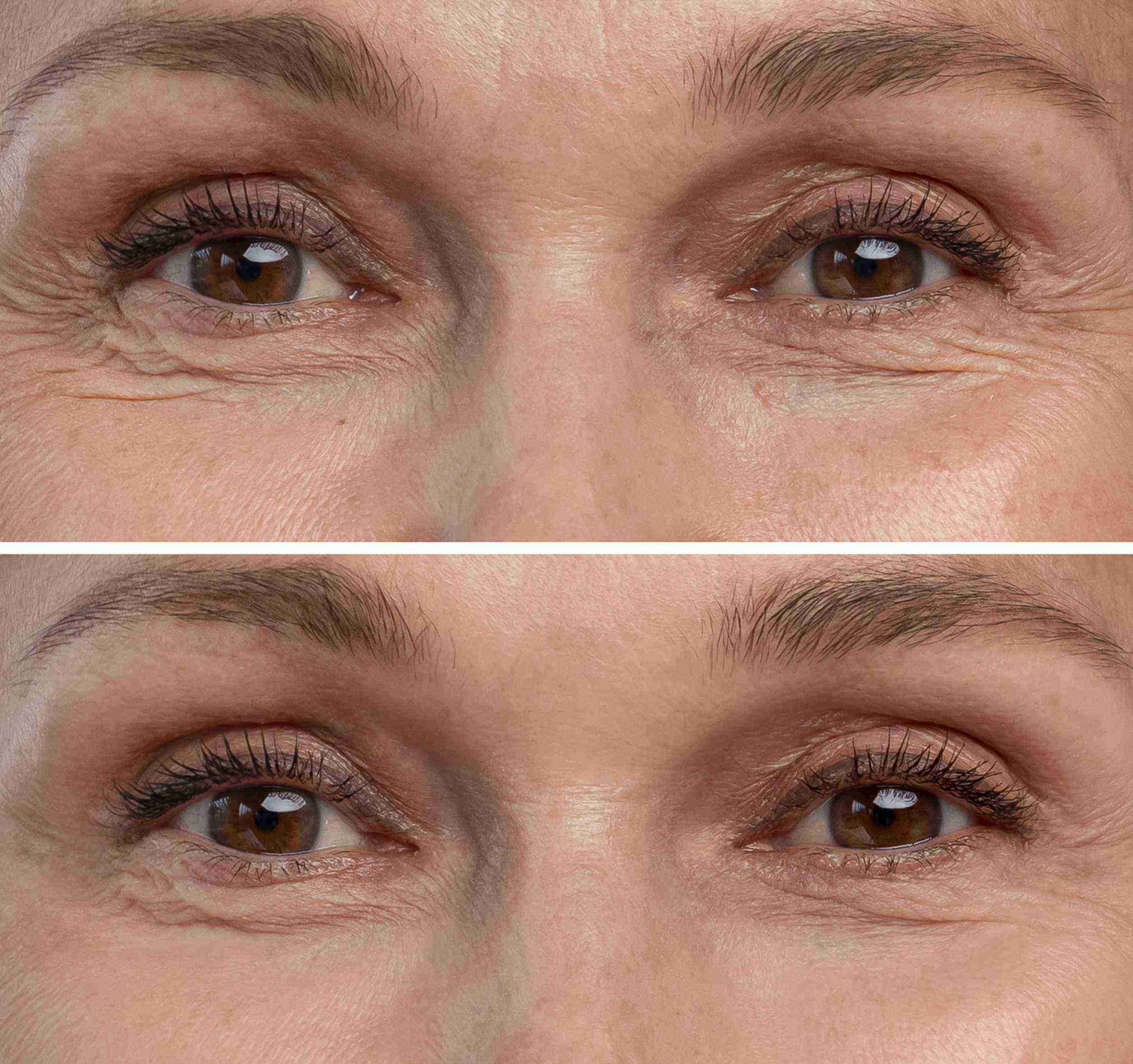
Reversing Signs of Aging with Medium to Deep Chemical Peels
A tattoo removal session at Claire Derma begins with photographing the tattoo under standardised lighting and assessing any changes since the previous session. The skin is cleansed, and the laser parameters are set based on the ink colours present and your skin type. For black ink, the Q-switched or picosecond Nd:YAG at 1064 nm is used.
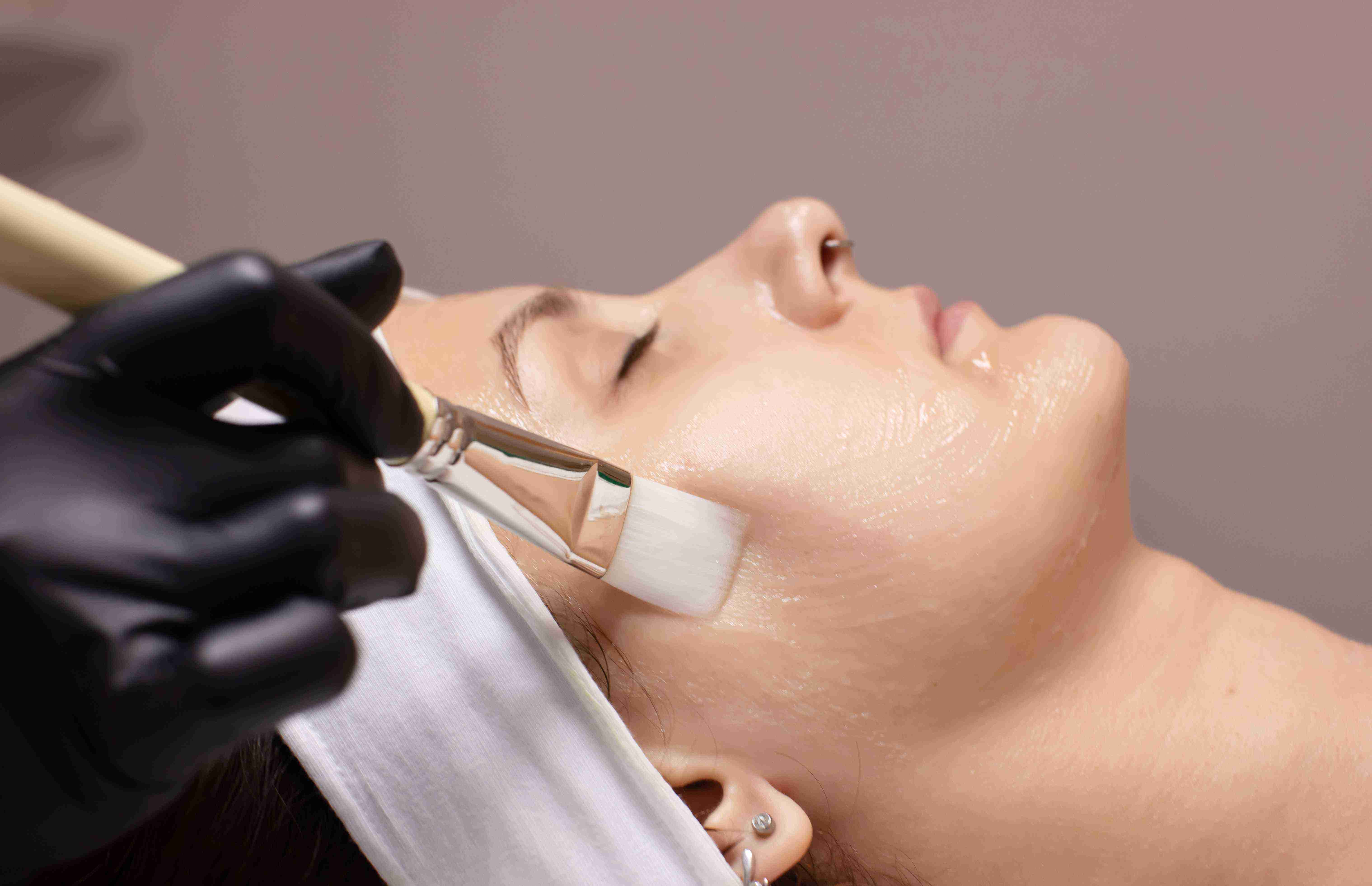
Benefits of Medium to Deep Peels for Anti-Aging
Tattoo removal at Claire Derma is managed by dermatologists who understand how different ink compositions, skin types, and tissue depths interact with laser energy. Many tattoo inks contain metallic compounds — titanium dioxide in white ink, iron oxide in red — that can darken paradoxically when hit with certain wavelengths.
Ideal Candidates for the Treatment
This treatment is ideal for individuals who:
Tattoo removal carries certain risks that are minimised with proper technique but cannot be eliminated entirely. Temporary hyperpigmentation or hypopigmentation around the treated area is common, particularly in patients with darker skin tones. Blistering may occur after treatment and should be left to heal without picking or popping. Ghost images — a faint outline of the original tattoo — sometimes persist after all ink has been cleared, particularly with dense professional tattoos.
The Treatment Process
01
Consultation & Skin Assessment
The dermatologist examines the skin and selects the appropriate peel strength. Your dermatologist evaluates the tattoo's size, colour palette, ink density, location, and age. Your skin type is classified. The Kirby-Desai scale is used to estimate session count. We discuss whether the goal is full removal or fading for a cover-up.
02
Preparation
Skin is cleansed, and sensitive areas are protected before applying the peel. The treatment area is cleaned and photographed. Protective eyewear is provided. Topical anaesthetic cream or local anaesthesia may be applied for larger or more sensitive tattoos — most patients require some form of numbing.
03
Peel Application
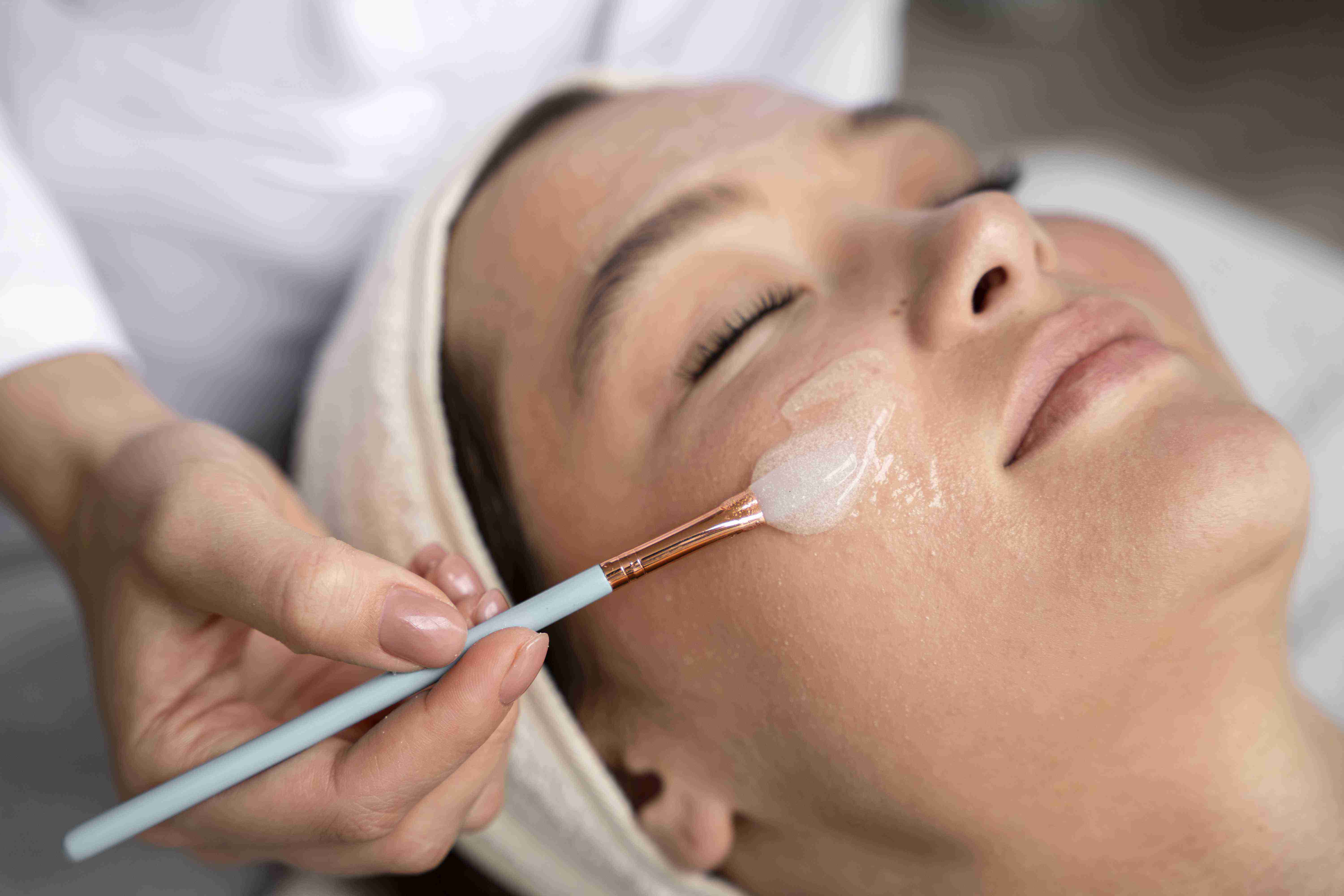
A customized medium or deep chemical peel solution is applied and left on for a set duration. The laser is directed at the tattoo in systematic, overlapping passes. An immediate whitening or frosting reaction on the skin surface confirms adequate energy delivery. Different wavelengths may be used within the same session for multi-coloured tattoos.
04
Post-Treatment Care
Redness and peeling occur for 5–10 days, requiring hydration and strict sun protection. The treated area will appear white and swollen immediately after, progressing to redness and possible blistering over the next 24 to 72 hours. A non-adherent dressing is applied.
Expected Results & Recovery

Fine lines and wrinkles begin to fade within a few weeks.
Skin looks refreshed and revitalized.
Peeling subsides within 7–10 days, with ongoing improvements over 2–6 months.
Regular treatments enhance collagen production and skin elasticity over time.
Got Questions?We've Got Answers
Find answers to the most common questions about our treatments, procedures, and recovery process. If you can't find what you're looking for, our support team is always here to help.
Typically, 3–5 sessions, spaced 4–6 weeks apart, provide the best rejuvenation.
With proper skincare and sun protection, results can last several months to years.
Mild tingling or warmth may be felt during the peel, but discomfort is temporary.
It’s best to avoid makeup for 5–7 days to allow proper skin healing.
Yes, deep peels are more effective for severe wrinkles and sagging skin, but they require longer recovery time.
Most tattoos require six to twelve sessions for substantial clearance, though some may need more. Black ink on lighter skin with an amateur tattoo may clear in as few as four to six sessions. Dense, professional, multi-coloured tattoos on darker skin can take twelve or more. At Claire Derma, we use the Kirby-Desai scale to give you a realistic estimate at consultation.
Most patients describe the sensation as a rapid series of sharp snaps against the skin — similar to the feeling of getting the tattoo but in shorter bursts. Pain varies by location: areas over bone or with thin skin (wrist, ankle, ribs) tend to be more uncomfortable.
Black and dark blue inks respond best and can usually be cleared completely. Red, orange, and warm tones are effectively targeted by the 532 nm wavelength. Green and light blue inks are more stubborn but respond to 755 nm alexandrite laser. Yellow, white, and fluorescent inks are the most resistant and may not clear entirely. White ink can sometimes darken paradoxically when treated.
When performed correctly with appropriate pulse durations and adequate spacing between sessions, scarring risk is low. Most patients are left with skin that looks normal or has only a faint ghost image. Pre-existing scarring within the tattoo — from the original tattooing process — may become more visible as the ink clears, but that scar was already present.