
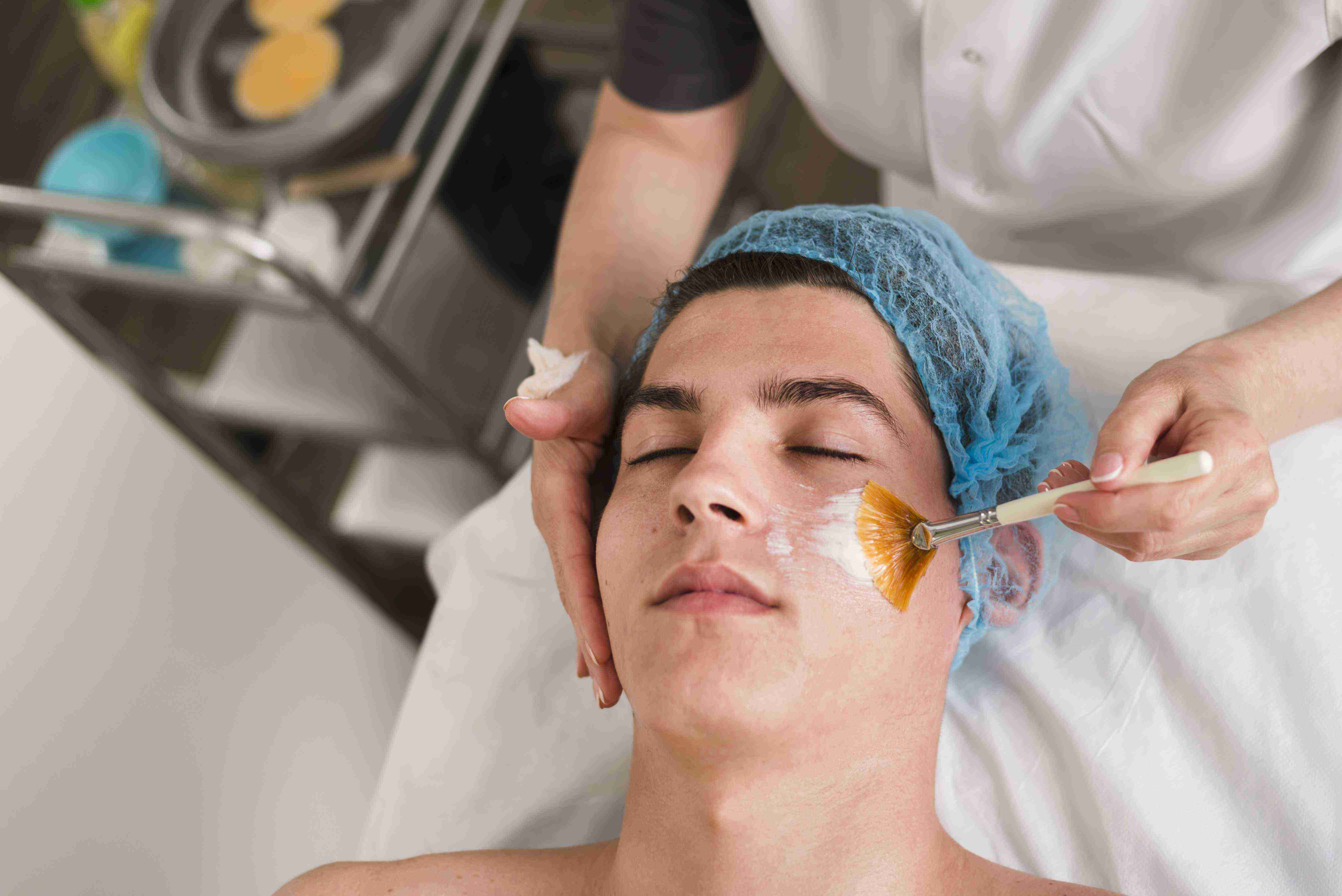
Introduction to Mesotherapy for Androgenetic Alopecia
Mesotherapy for hair involves injecting a customized blend of vitamins, minerals, amino acids, and other active ingredients directly into the scalp to promote hair growth and prevent hair loss. It is particularly effective for androgenetic alopecia, where genetic factors cause progressive hair thinning.
Mesotherapy for androgenetic alopecia involves injecting a tailored blend of vitamins, minerals, amino acids, and pharmaceutical agents directly into the scalp dermis to combat DHT-driven follicle miniaturisation. At Claire Derma, our trichologists formulate each cocktail to include minoxidil at 0.5%, finasteride solution, biotin, dexpanthenol, zinc, and a complex of amino acids including cysteine and methionine that serve as structural precursors for keratin production.
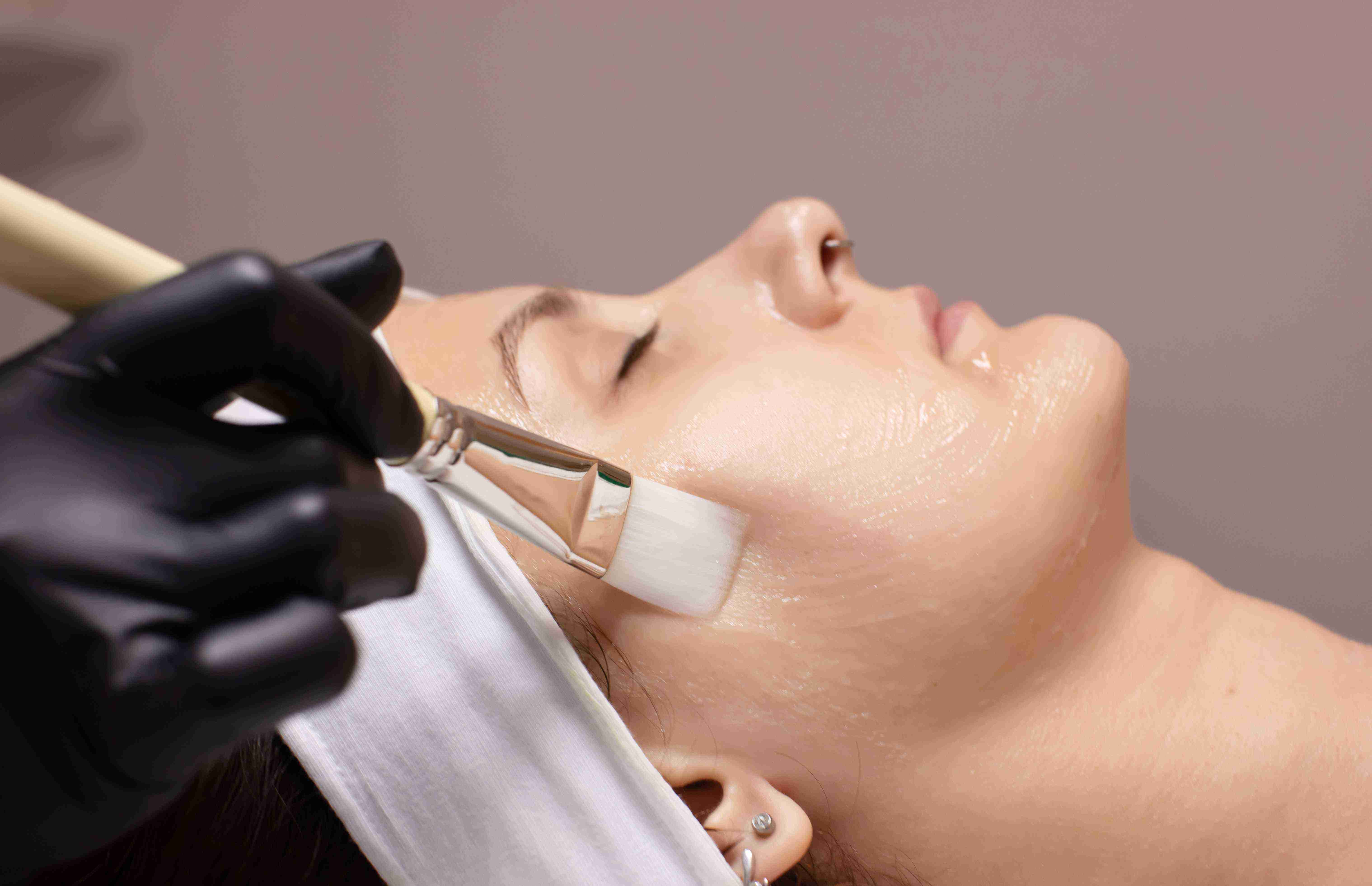
How Mesotherapy Works
These peels work by deeply penetrating the skin to:

Androgenetic alopecia presents differently across scalp zones, and mesotherapy protocols at Claire Derma are adapted accordingly. The frontal hairline and temples experience the strongest DHT influence and often show the earliest signs of recession, while the vertex thins in a characteristic circular pattern.
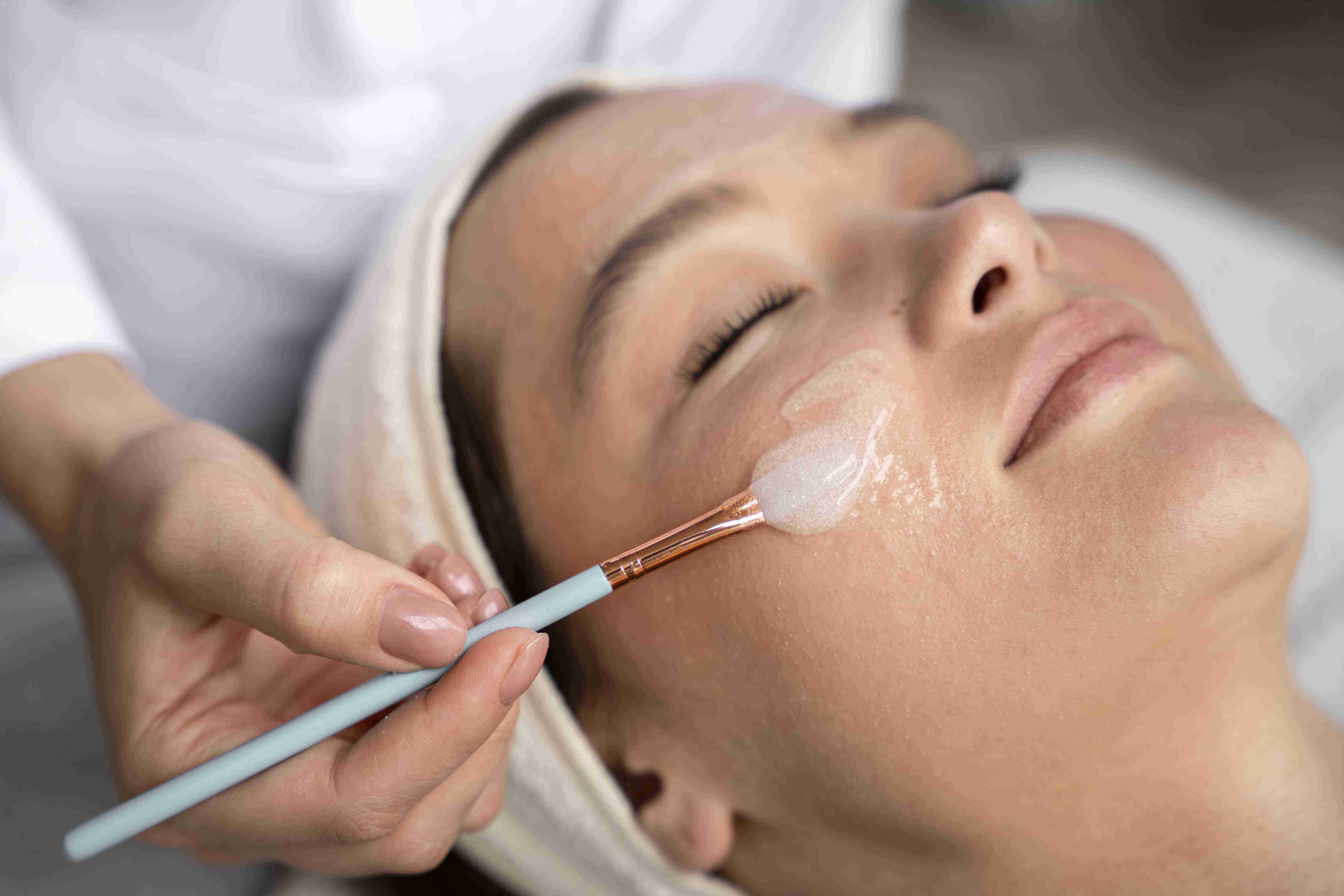
Treating Androgenetic Alopecia with Mesotherapy
The mesotherapy cocktail formulation at Claire Derma for androgenetic alopecia is designed around three action pillars: anti-androgen activity, growth stimulation, and structural nutrition. Minoxidil and finasteride solution address the DHT component, while biotin at 5 mg/ml and a complete amino acid complex provide the raw materials for keratin synthesis.
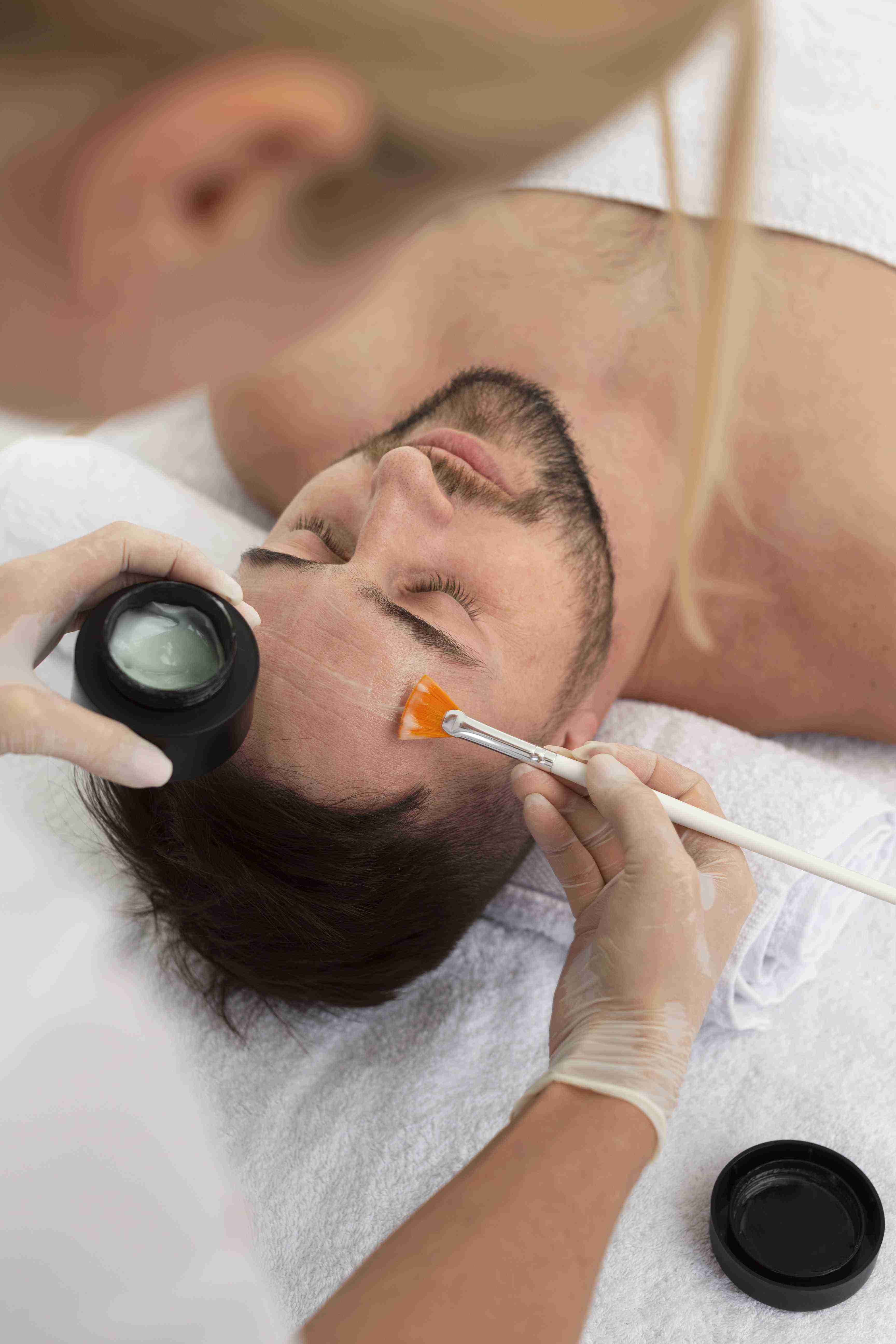
Benefits of Mesotherapy for Androgenetic Alopecia
Mesotherapy at Claire Derma provides a practical treatment option for androgenetic alopecia patients who want active intervention beyond topical products but prefer to avoid or supplement oral medications.
Ideal Candidates for the Treatment
This treatment is ideal for individuals who:
Post-session care for mesotherapy is straightforward. Mild redness and tiny injection marks at the treatment sites resolve within a few hours. At Claire Derma, we advise patients to avoid washing their hair for at least 12 hours after treatment so the injected cocktail has time to absorb fully into the perifollicular tissue. Skip heavy exercise, swimming, and sauna use for 24 hours.
The Treatment Process
01
Consultation & Skin Analysis
The dermatologist assesses acne severity and selects the best peel formulation. Our trichologist performs dermoscopy to grade your androgenetic alopecia on the Norwood or Ludwig scale and maps the distribution of miniaturised follicles. We discuss your treatment history, medication preferences, and any concerns about finasteride side effects.
02
Preparation
The skin is cleansed, and protective measures are taken for sensitive areas. The mesotherapy cocktail is freshly prepared using sterile technique, combining minoxidil, finasteride solution, biotin, dexpanthenol, zinc, and amino acids at concentrations tailored to your condition.
03
Peel Application
A customized medium or deep peel solution is applied for controlled penetration. Using a mesotherapy gun or manual 30-gauge needle technique, the cocktail is injected in 0.02 to 0.05 ml deposits at 1 cm intervals across the thinning zones at 1 to 2 mm depth.
04
Neutralization & Post-Treatment Care
The peel is neutralized, and a soothing recovery serum is applied. Redness and injection marks fade within hours. Avoid hair washing for 12 hours and skip heavy exercise for 24 hours. Resume topical minoxidil the following day if part of your home regimen.
Expected Results & Recovery

Visible improvement in hair density after 2–3 months.
Reduction in hair fall and improved hair thickness after multiple sessions.
Ongoing results with maintenance treatments every 4–6 months.
Minimal downtime, patients can resume normal activities immediately.
Mild redness or swelling may occur and typically subsides within 24–48 hours.
Got Questions?We've Got Answers
Find answers to the most common questions about our treatments, procedures, and recovery process. If you can't find what you're looking for, our support team is always here to help.
Typically, 3–6 sessions, spaced 4–6 weeks apart, yield the best results.
Patients may feel a warm or stinging sensation, but discomfort is manageable.
Peeling and flaking can last between 5–10 days, depending on peel strength.
It significantly reduces acne and breakouts, but maintenance treatments and a proper skincare routine are essential.
Sun exposure must be strictly avoided for at least a week, and broad-spectrum sunscreen is mandatory.
Mesotherapy with localised finasteride delivery can serve as an alternative for patients who cannot tolerate oral finasteride due to side effects. The injected finasteride acts on 5-alpha reductase at the follicular level with minimal systemic absorption. However, oral finasteride provides more consistent whole-scalp DHT suppression.
Most patients at Claire Derma notice reduced daily shedding within three to four weeks of starting treatment. Visible hair thickening typically becomes apparent after four to six sessions, around the two-to-three-month mark. Peak improvement develops over six to eight months as follicles complete full growth cycles under the influence of the mesotherapy cocktail.
Both treatments are effective but work through different mechanisms. PRP delivers a broad spectrum of autologous growth factors including PDGF and VEGF, while mesotherapy allows precise delivery of specific pharmaceutical agents like finasteride and minoxidil alongside nutritional components. At Claire Derma, some patients respond better to one modality than the other.
Because androgenetic alopecia is a progressive, genetically driven condition, some form of ongoing treatment is needed to maintain results. After the initial eight-to-twelve-session course at Claire Derma, maintenance mesotherapy sessions every four to six weeks sustain the improvement achieved. Some patients transition to less frequent sessions over time as their follicles stabilise.