
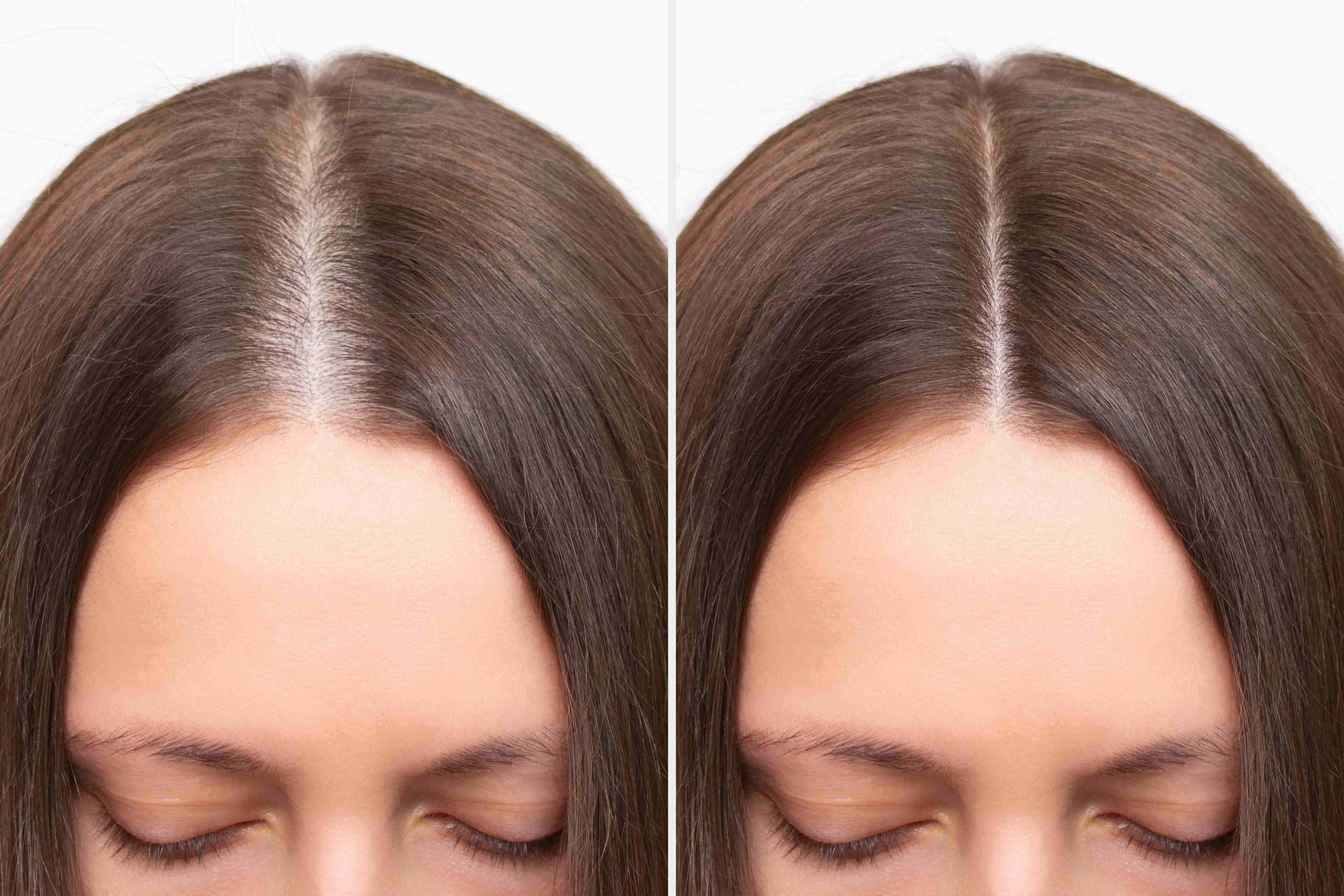
Introduction to Mesotherapy
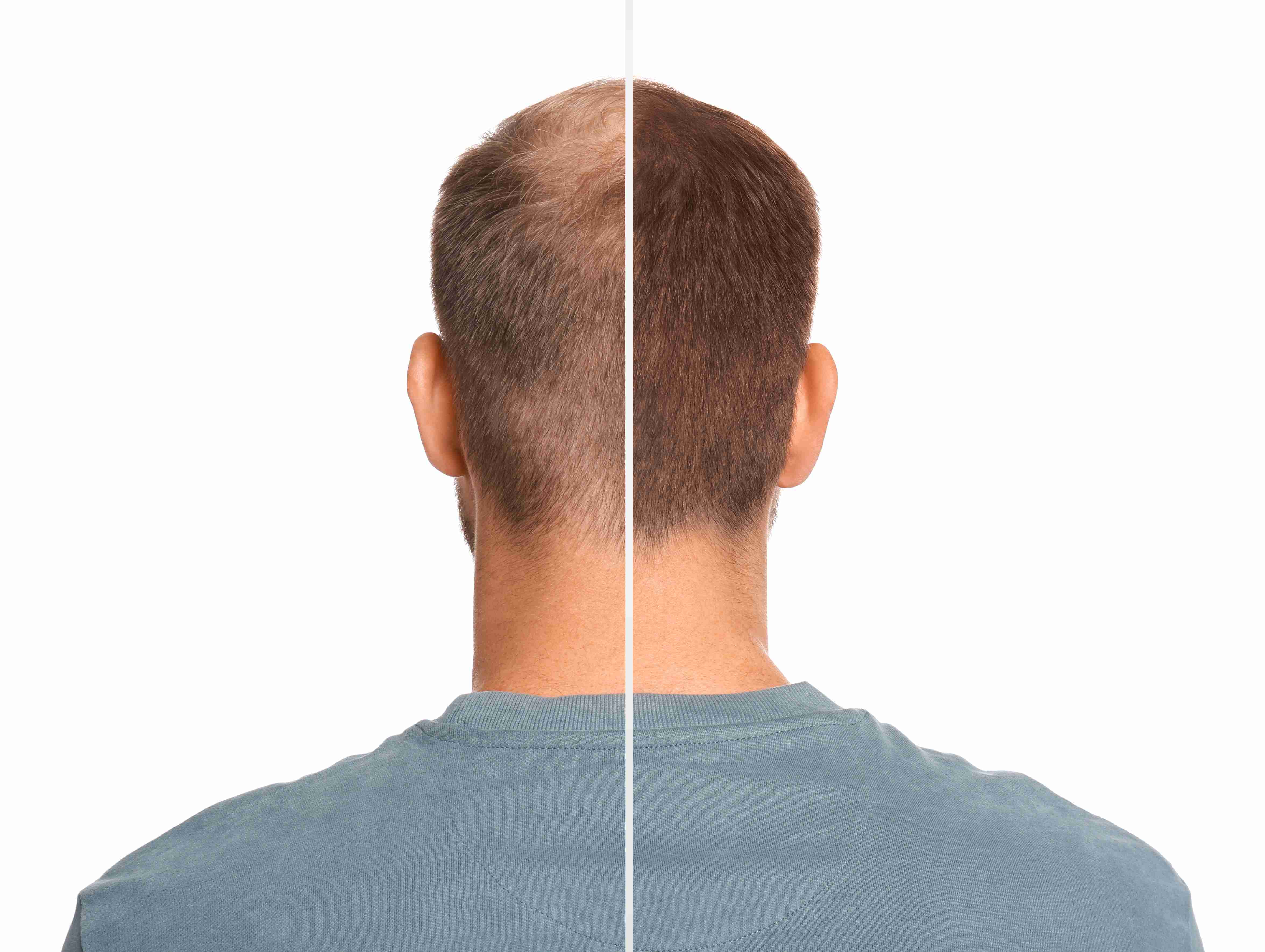
Mesotherapy is a non-surgical hair restoration treatment that delivers a customized blend of vitamins, minerals, amino acids, and growth factors directly into the scalp. This technique stimulates hair follicles, improves blood circulation, and strengthens hair roots, making it an effective solution for hair thinning, excessive hair fall, and early-stage baldness. Unlike oral supplements or topical treatments, mesotherapy ensures that essential nutrients reach the hair follicles directly, promoting stronger, healthier, and thicker hair growth.
Mesotherapy for hair loss involves microinjections of a customised cocktail of vitamins, minerals, amino acids, and vasodilators directly into the scalp at the level of the hair follicle. At Claire Derma, our dermatologists formulate these cocktails to include biotin, dexpanthenol (provitamin B5), pyridoxine (B6), zinc, copper peptides, and minoxidil — each selected for its specific role in hair follicle metabolism, keratin synthesis, or blood supply.
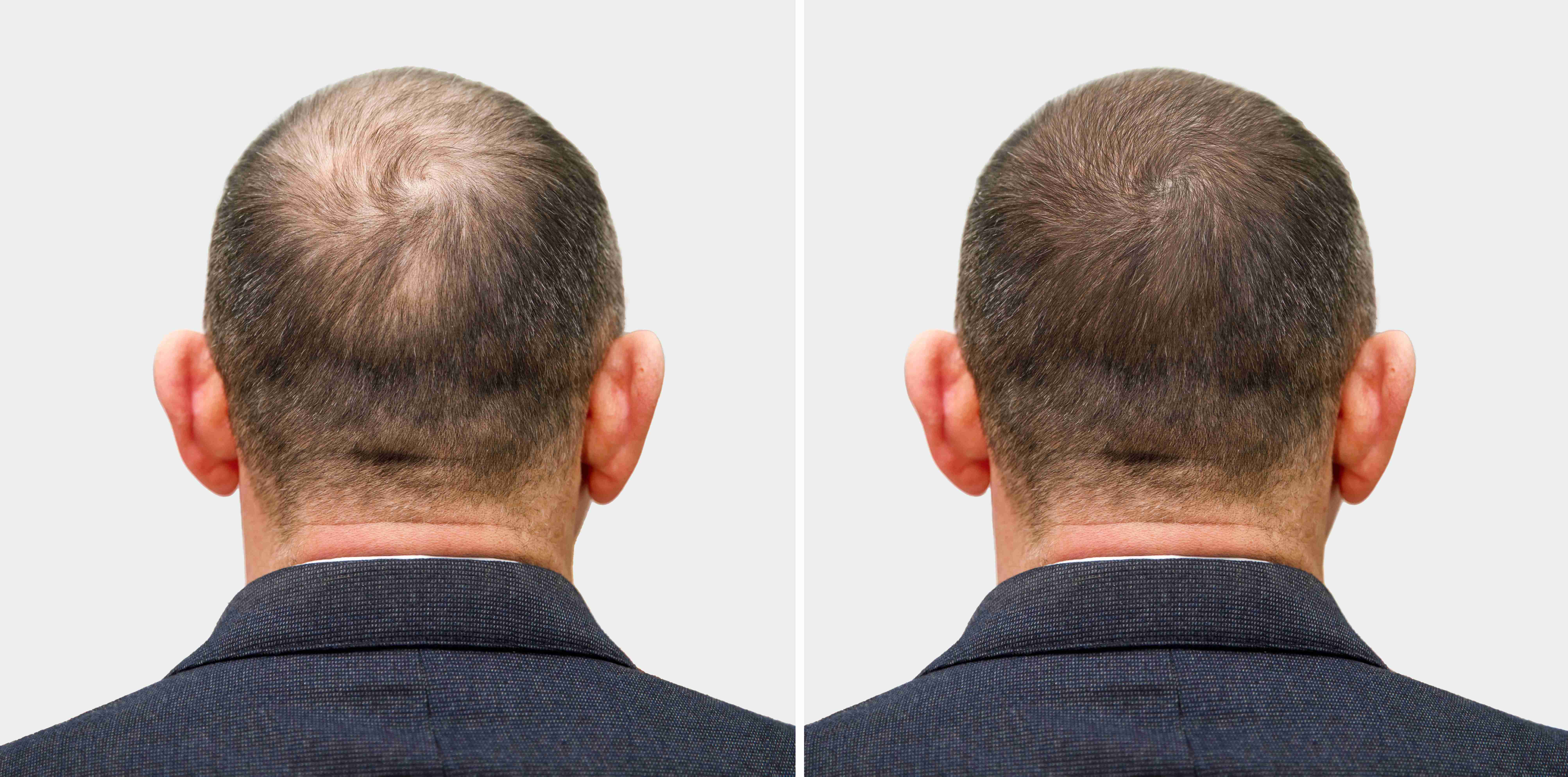
How Mesotherapy Works
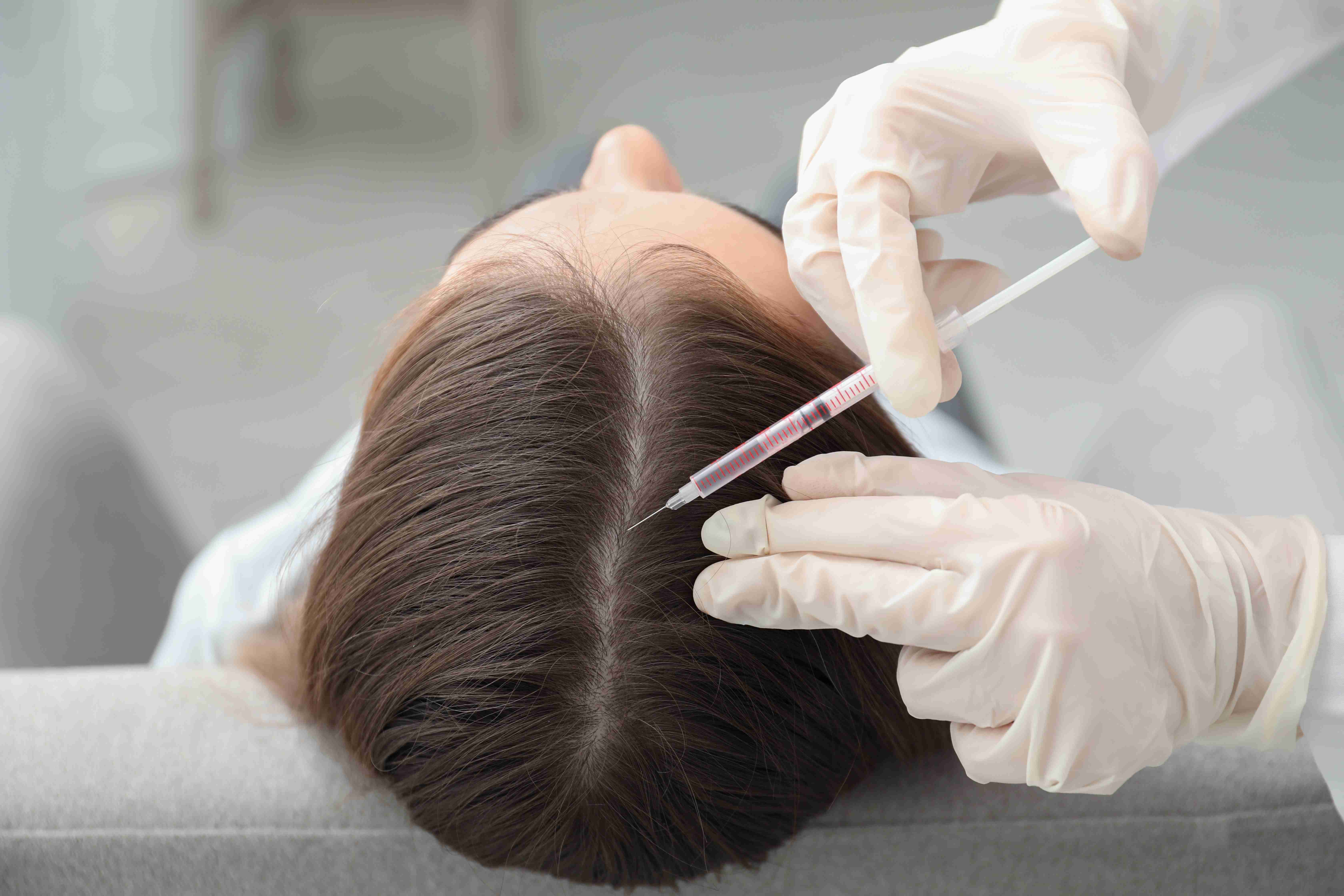
Mesotherapy involves injecting a specially formulated cocktail of hair-boosting nutrients into the scalp using microinjections. This process works by:

The mesotherapy cocktail for hair loss differs significantly from the diluted botulinum toxin used in MesoBotox or the growth factor preparations used in PRP therapy. Mesotherapy cocktails are pharmaceutical nutrient blends — they do not contain any biologics or toxins. At Claire Derma, our formulations are tailored based on your trichoscopy findings and any identified nutritional deficiencies.
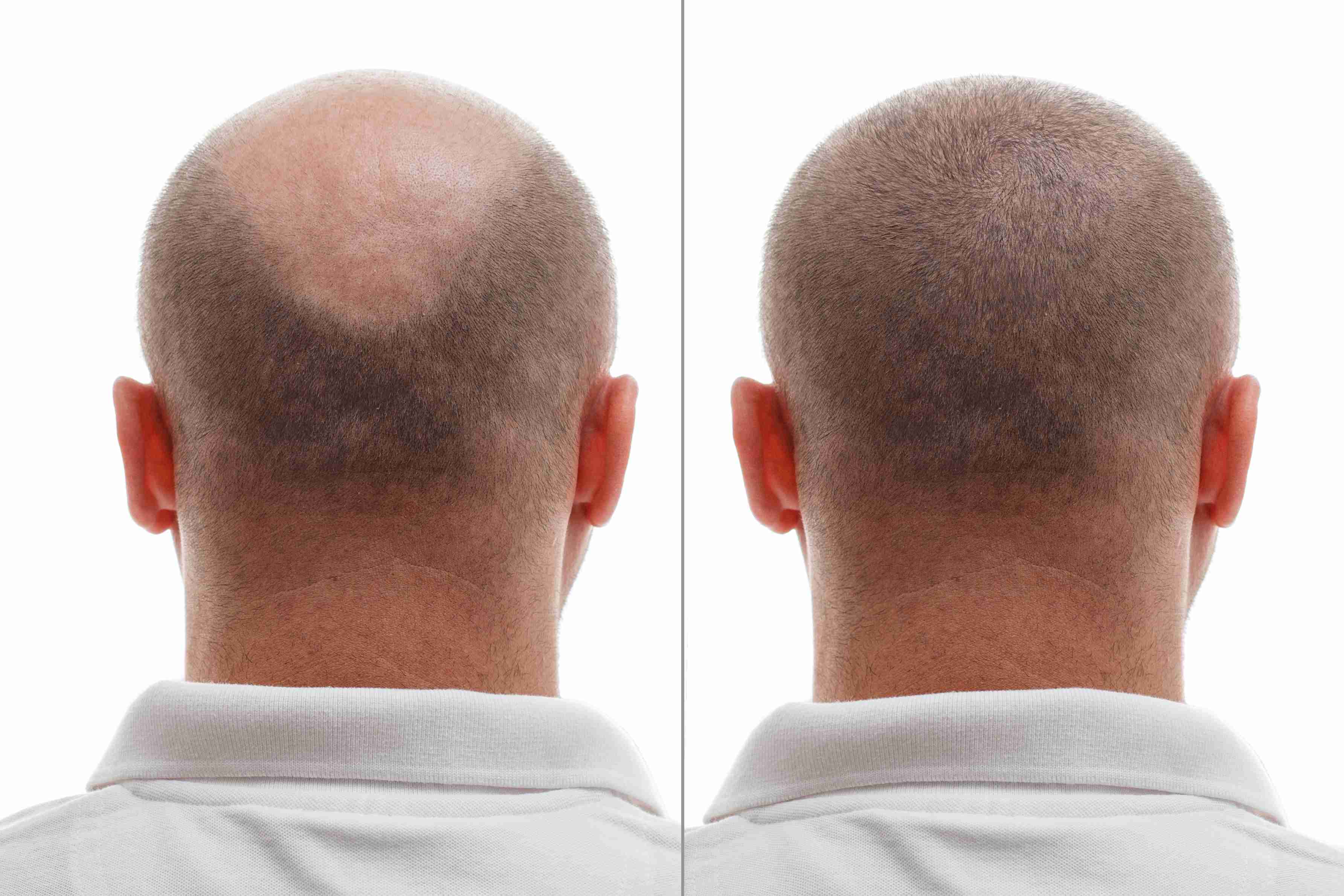
Treating Hair Loss with Mesotherapy
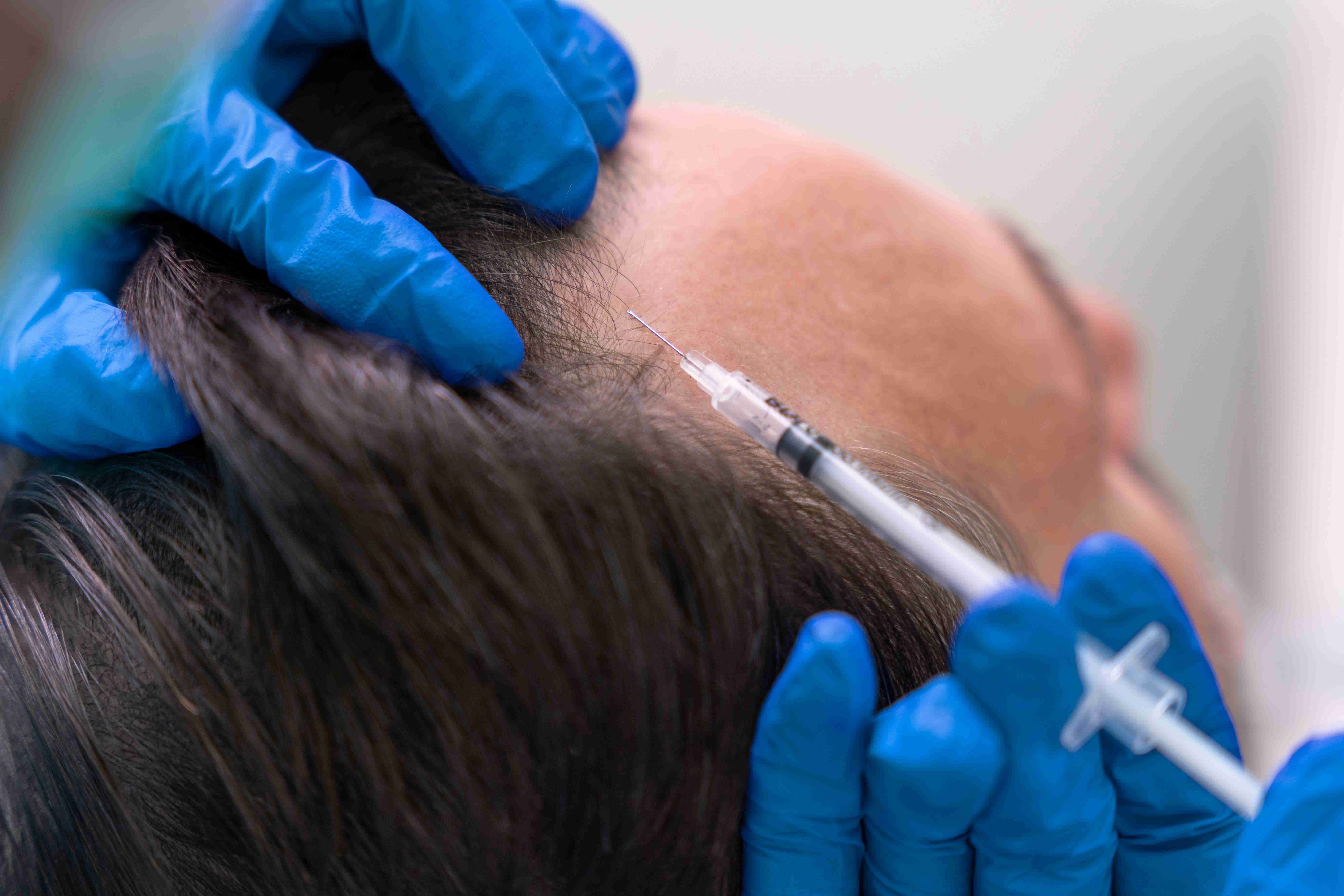
A mesotherapy session at Claire Derma takes 20 to 30 minutes. The customised cocktail is drawn into a syringe and delivered using either a manual technique with a 30-gauge needle or a mesotherapy injection gun that controls depth and volume per injection.
Benefits of Mesotherapy for Hair Loss
Mesotherapy occupies a different position in hair loss treatment compared to growth factor therapy. Growth factors (PRP or exosomes) act as biological signalling molecules that activate stem cells and stimulate angiogenesis. Mesotherapy delivers the nutritional building blocks — vitamins, minerals, amino acids — that follicular cells need to function well once activated.
Ideal Candidates for Mesotherapy
Mesotherapy is suitable for individuals who:
Patients at Claire Derma typically notice reduced hair shedding within four to six weeks of starting mesotherapy, with visible improvement in hair density and texture at the three to four month mark. The initial changes are often subtle — hair shafts feel stronger and thicker before new visible regrowth appears. Our dermatologists monitor progress with trichoscopy at baseline, the midpoint of the initial series, and at completion.
The Treatment Process
01
Consultation & Scalp Assessment
The dermatologist evaluates the scalp condition and determines the best formulation. Your dermatologist performs digital trichoscopy to assess hair density, miniaturisation ratio, and scalp condition. Blood work is ordered to check ferritin, vitamin D, thyroid function, and hormonal levels.
02
Microinjections
The nutrient-rich solution is injected into the scalp using a fine needle or meso-gun. The scalp is cleansed with antiseptic solution. A topical anaesthetic cream may be applied 15 to 20 minutes beforehand for comfort. The customised cocktail is drawn up fresh for each session.
Expected Results & Recovery

Reduced hair fall within a few weeks.
Noticeable hair regrowth in 2–3 months.
Stronger, healthier hair strands over time.
Minimal downtime, allowing normal activities to resume immediately.
Best results with consistent sessions every 2–4 weeks.
Got Questions?We've Got Answers
Find answers to the most common questions about our treatments, procedures, and recovery process. If you can't find what you're looking for, our support team is always here to help.
Typically, 6–10 sessions are recommended, spaced 2–4 weeks apart, for optimal hair restoration.
Hair fall reduction is noticeable within 3–4 weeks, while visible hair regrowth appears after 2–3 months.
The treatment involves mild discomfort, but numbing cream is used to ensure a comfortable experience.
Mesotherapy works best for hair thinning and mild to moderate hair loss. It is not effective for complete baldness.
Results can last up to a year, but maintenance sessions every 3–6 months are recommended for long-term benefits.
Yes, it is often combined with PRP therapy, GFC therapy, and low-level laser therapy for enhanced hair restoration.
No, patients can resume normal activities immediately after the treatment.
Mesotherapy uses pharmaceutical micronutrients — vitamins, minerals, amino acids, and vasodilators — that directly nourish hair follicle cells and improve the scalp microenvironment. PRP and growth factor therapy deliver biological signalling molecules — platelet-derived proteins and cytokines — that activate dormant stem cells and stimulate angiogenesis. At Claire Derma, we view them as complementary rather than competing treatments.
Most patients describe the sensation as mildly uncomfortable rather than painful — a series of tiny pinpricks across the scalp. At Claire Derma, we apply topical anaesthetic cream 15 to 20 minutes before the procedure to significantly reduce discomfort. The use of fine 30-gauge needles and a controlled injection device also minimises pain.
Mesotherapy is primarily designed for androgenetic alopecia, telogen effluvium, and nutritional hair loss — conditions where follicles are intact but underperforming. Alopecia areata is an autoimmune condition requiring immune-modulating treatment, which mesotherapy cocktails are not designed to provide.
Reduced shedding is often the first sign, appearing after three to four weekly sessions. Visible density improvement typically becomes apparent at the three to four month mark — corresponding to the end of the initial six to ten session course. Hair follicles operate on a cycle, and the newly stimulated growth takes time to produce visible length.