
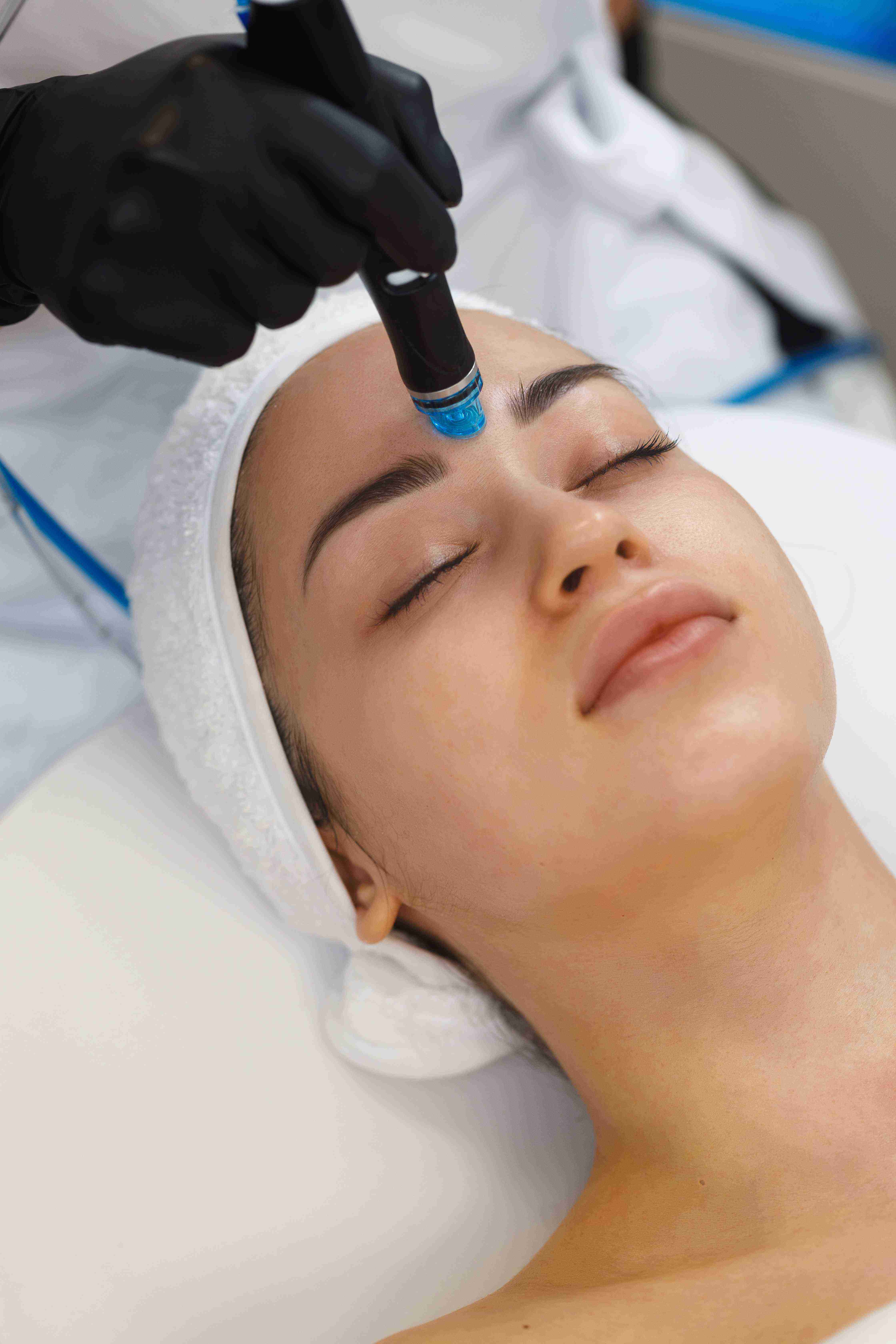
Introduction to Microneedling Radiofrequency (MNRF)
Microneedling Radiofrequency (MNRF) is an advanced skin rejuvenation treatment that combines microneedling with controlled radiofrequency energy to stimulate collagen production and promote deep skin repair. This treatment is particularly effective in reducing acne scars, improving skin texture, and enhancing overall skin quality. Acne scars form due to inflammation and collagen damage, leaving behind depressed scars, pigmentation, and uneven skin texture. MNRF helps smoothen, tighten, and regenerate the skin, making it a highly effective solution for acne scar revision.
Acne scars form when inflamed breakouts damage the collagen matrix beneath the skin's surface. Depending on the severity of the original lesion, the body either produces too little collagen — creating depressed scars like ice picks and boxcars — or too much, resulting in raised hypertrophic tissue. At Claire Derma, our dermatologists classify your scars using the Goodman and Baron grading system before selecting needle depths and session frequency.
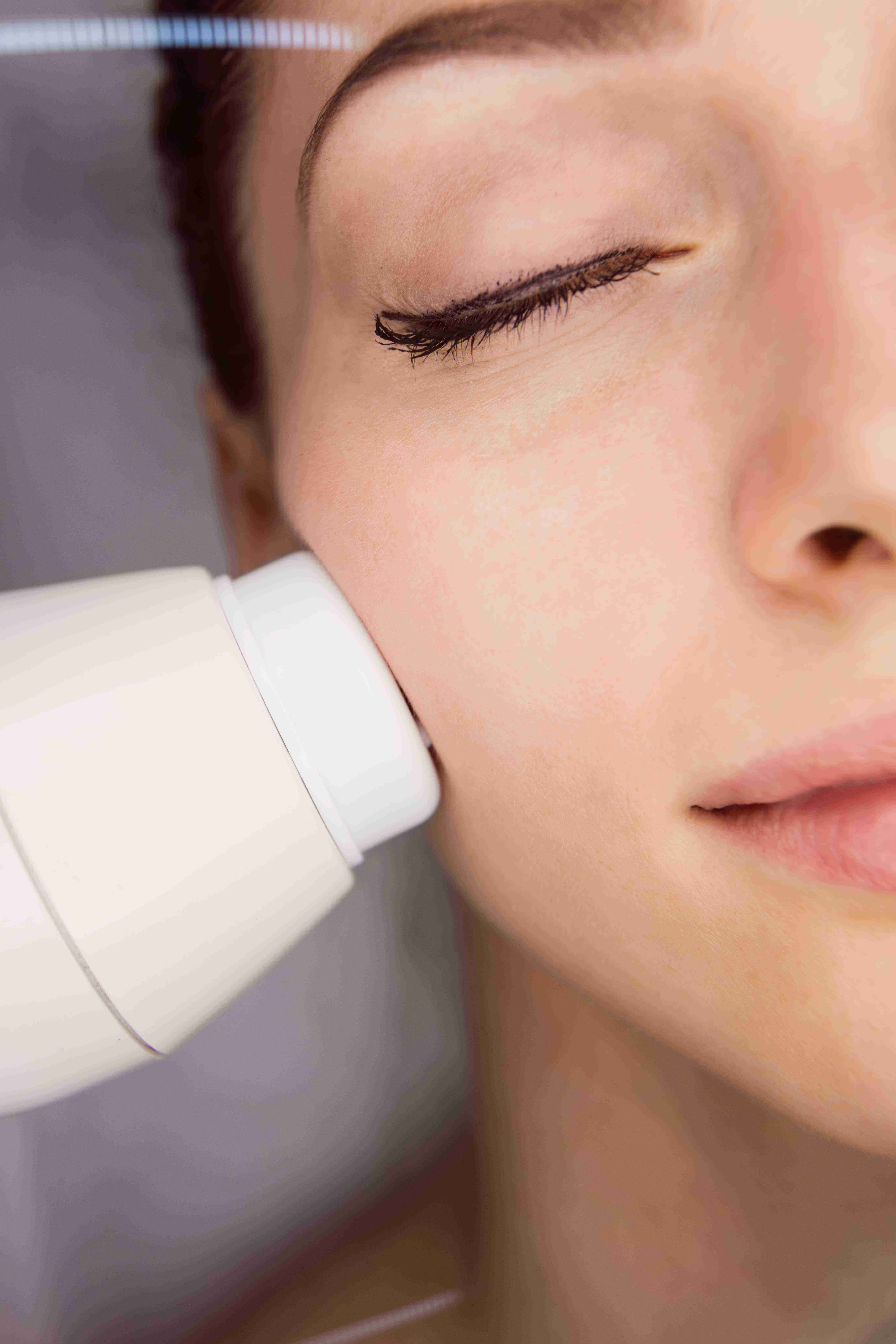
How Microneedling Radiofrequency Works
MNRF uses a device with ultra-fine needles that deliver radiofrequency (RF) energy into the deeper layers of the skin. This process:

Unlike traditional microneedling, RF energy penetrates deeper, making it more effective for stubborn acne scars.
Not all acne scars respond equally to microneedling, which is why accurate scar classification drives the treatment plan at Claire Derma. Rolling scars with their undulating, wave-like appearance are the most responsive — the needles break up fibrous bands tethering the skin downward, releasing the depression and allowing new collagen to fill the gap.
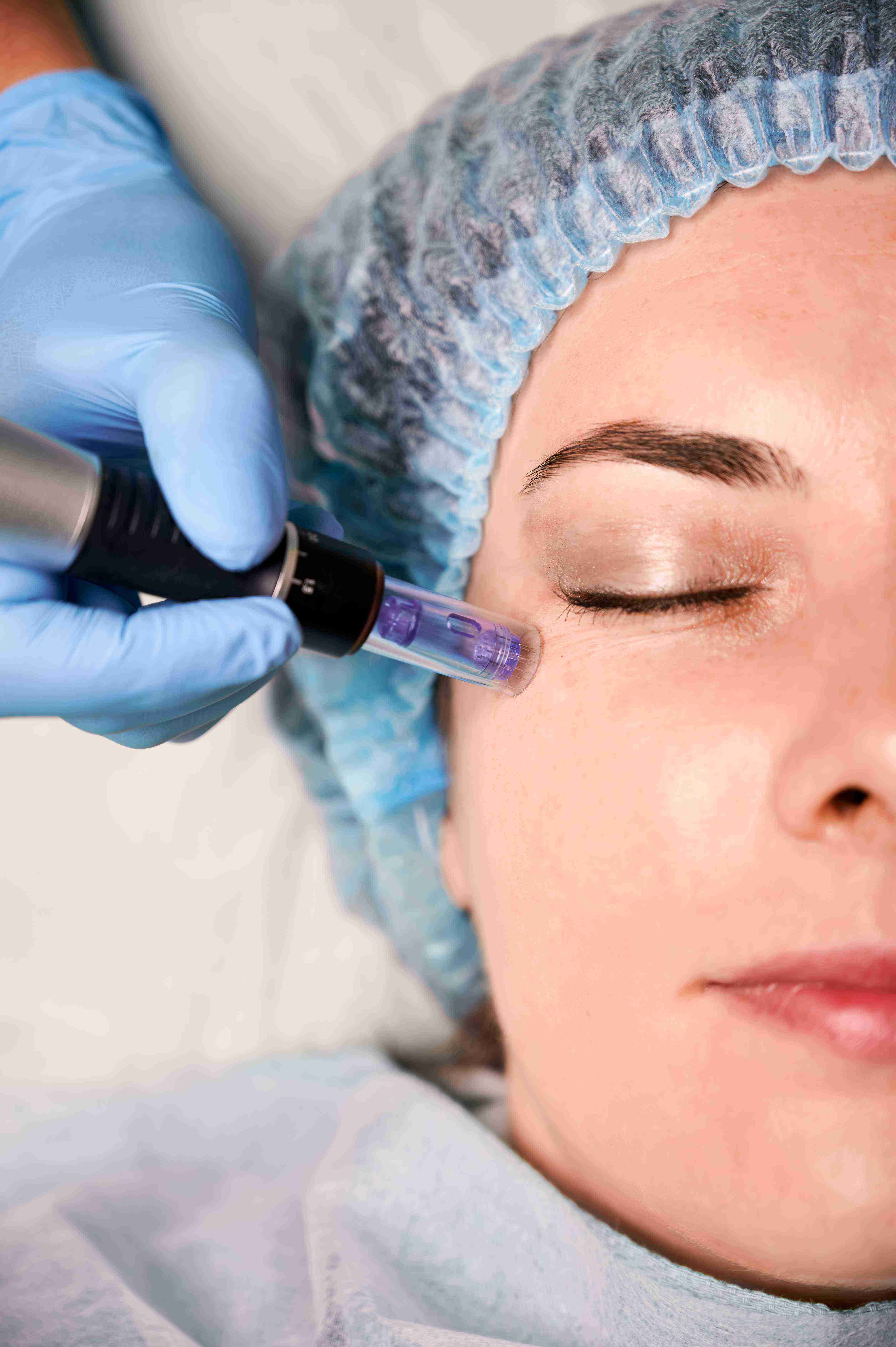
Treating Acne Scars with MNRF
Acne scars develop due to severe inflammation, leading to collagen degradation and tissue damage. MNRF helps by:
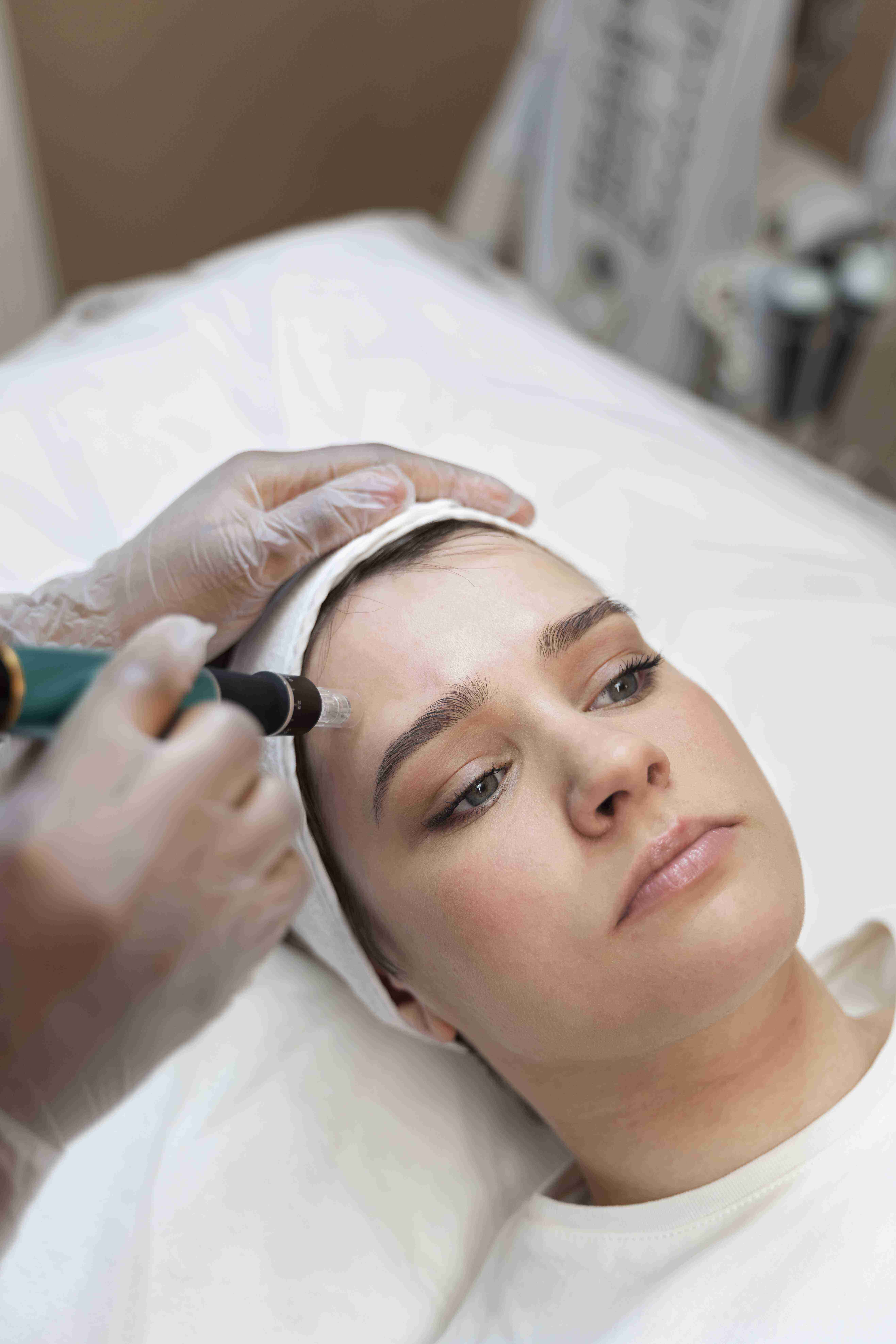
The microneedling device used at Claire Derma for acne scars is a motorised pen system with adjustable depth settings from 0.25 mm to 3.0 mm. Unlike derma rollers, the pen drives needles vertically into the skin, reducing drag and tearing — a distinction that matters when treating irregular scar surfaces where angled entry could worsen trauma.
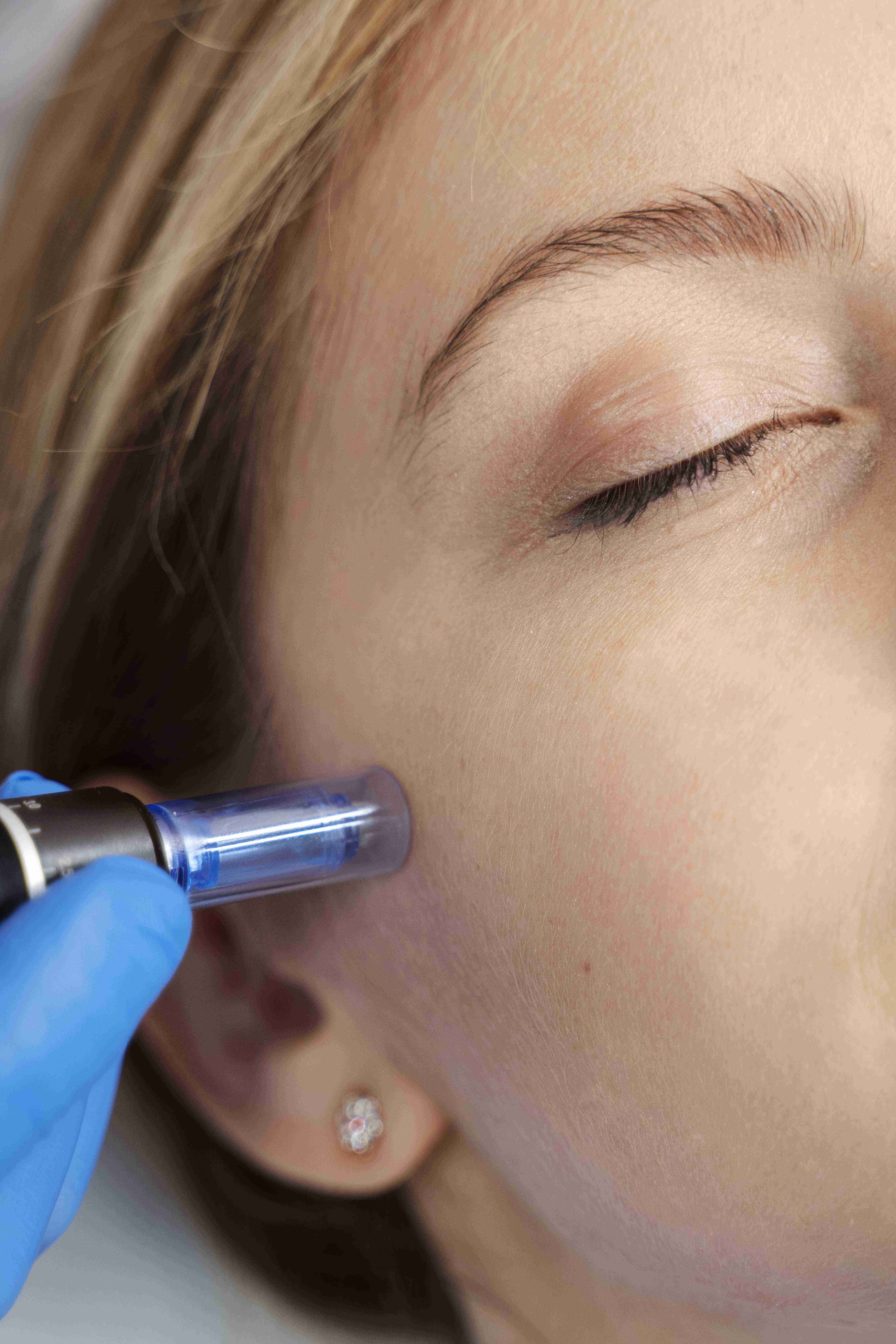
Benefits of MNRF for Acne Scars
Patients who pursue microneedling for acne scars at Claire Derma benefit from a treatment that improves skin texture without removing the epidermis or causing significant pigmentation risk. This matters especially for darker skin tones (Fitzpatrick types IV to VI), where ablative lasers carry a higher chance of post-inflammatory hyperpigmentation.
Ideal Candidates for the Treatment
This treatment is ideal for individuals who:
Recovery after microneedling for acne scars follows a predictable pattern. Expect redness similar to moderate sunburn for 24 to 48 hours, with mild swelling that peaks on day one and resolves by day three. Pinpoint bleeding during the session itself is normal and stops within minutes. Our team at Claire Derma provides a post-treatment kit with gentle cleanser, barrier-repair moisturiser, and SPF 50 mineral sunscreen.
The Treatment Process
01
Consultation & Skin Assessment
A dermatologist assesses scar type and skin condition. Your dermatologist maps each scar by type, depth, and location using magnification and cross-lighting. We photograph your skin under standardised conditions and assign a Goodman and Baron grade.
02
Reparation
The skin is cleansed, and a topical numbing cream is applied for comfort. A topical anaesthetic cream containing lidocaine and prilocaine is applied 30 to 45 minutes before treatment. Your skin is thoroughly cleansed and degreased with an alcohol-free antiseptic solution.
03
MNRF Treatment
A microneedling RF device is passed over the skin to deliver energy deep into the tissue. The depth and intensity are adjusted based on the scar severity and skin type. The motorised pen is passed across each treatment zone using depth settings matched to scar type — typically 1.5 mm for rolling scars and up to 2.5 mm for boxcar depressions. Dense scarring areas receive multiple overlapping passes.
04
Post-Treatment Care
Mild redness or swelling may occur but typically subsides within 24–48 hours. Sun protection and hydrating skincare are essential for optimal results. Immediately after treatment, a calming hyaluronic acid mask is applied. You leave the clinic with a layer of healing serum and mineral sunscreen. Redness fades over two to three days and light flaking may occur around day four.
Expected Results & Recovery

Visible improvements within 4–6 weeks, with continued enhancement over 3–6 months.
Mild redness or sensitivity for 24–48 hours.
Regular maintenance helps sustain results for years.
Got Questions?We've Got Answers
Find answers to the most common questions about our treatments, procedures, and recovery process. If you can't find what you're looking for, our support team is always here to help.
Most patients require 3–6 sessions, spaced 4–6 weeks apart, for optimal results.
The procedure causes mild discomfort, but numbing cream minimizes pain.
Yes, MNRF is effective for boxcar, rolling, and ice-pick scars but may need combination treatments for severe cases.
Temporary redness, swelling, or slight bruising may occur, but these resolve within a few days.
Makeup can be applied 24–48 hours after treatment, once redness subsides.
With proper skincare and sun protection, results can last for several years.
Most patients at Claire Derma undergo four to six sessions spaced four to six weeks apart for moderate acne scarring. Mild scarring may respond well in three sessions, while severe or deep scarring sometimes requires six or more. Visible texture improvements typically begin after the second session, but collagen remodelling continues for several months after the final treatment.
When performed correctly with appropriate needle depths and sterile technique, microneedling does not worsen acne scars. Problems arise when the treatment is done over active acne, at incorrect depths, or using non-medical-grade devices. At Claire Derma, our dermatologists confirm your acne is controlled before beginning scar treatment and customise depth settings for each scar type.
Both are effective, but they suit different situations. Microneedling works well across all skin tones and carries lower pigmentation risk than ablative lasers, making it the preferred choice for Fitzpatrick types IV to VI. Lasers can deliver faster results for lighter skin tones with deep scarring.
Microneedling significantly improves the appearance of acne scars but rarely eliminates them entirely. Clinical studies report 50 to 70 percent improvement in scar depth and texture after a full treatment series. Shallow rolling scars tend to respond best, while deep ice pick scars typically require combination therapy for the best results.