
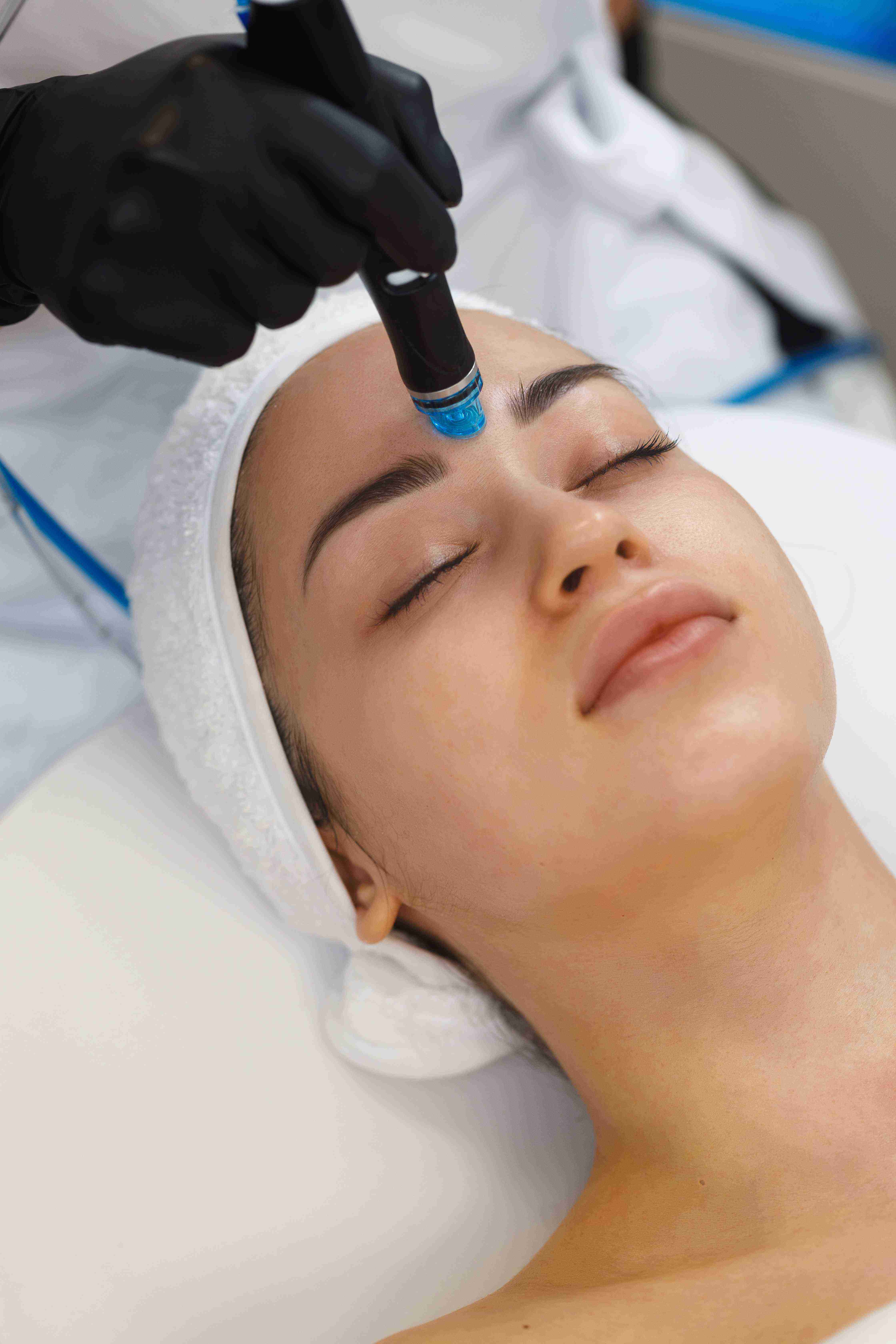
Introduction to Microneedling Radiofrequency (MNRF)
Microneedling Radiofrequency (MNRF) is a non-surgical skin rejuvenation treatment that combines microneedling with controlled radiofrequency energy to stimulate collagen production, tighten skin, and reduce signs of aging. As we age, collagen and elastin levels decline, leading to wrinkles, fine lines, sagging skin, and loss of firmness. MNRF is designed to restore skin elasticity and enhance overall skin texture, offering a minimally invasive solution for anti-aging.
Skin aging accelerates when collagen production drops — roughly one percent per year after age 30 — while existing collagen fibres become fragmented and disorganised. The result is thinner skin, loss of elasticity, and fine lines that deepen into wrinkles over time. Microneedling addresses this decline directly by triggering a controlled wound-healing cascade that forces the body to produce fresh type I and type III collagen.
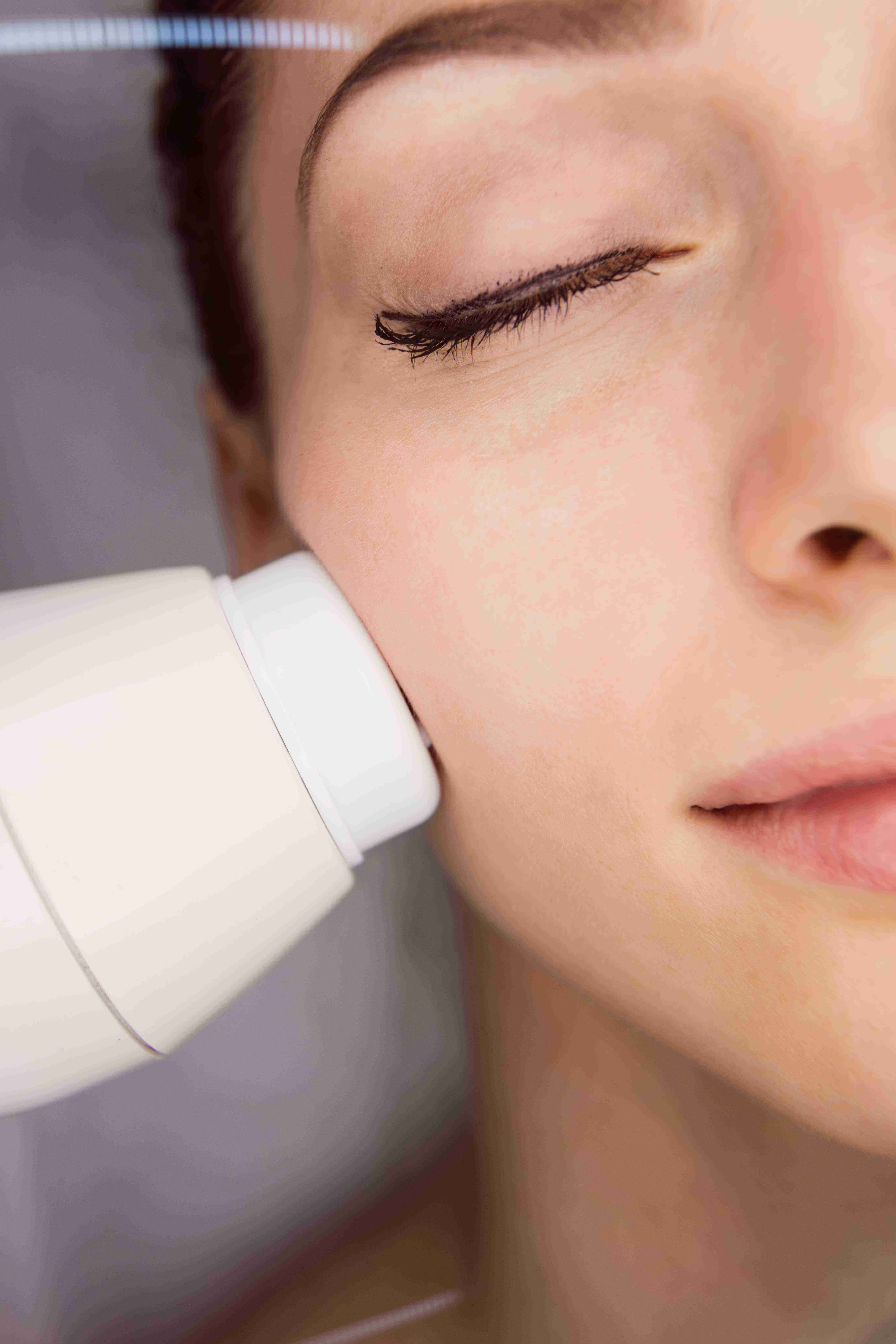
How Microneedling Radiofrequency Works
MNRF delivers precisely controlled RF energy through ultra-fine microneedles into the deeper layers of the skin. This process:

Unlike traditional microneedling, the RF energy penetrates deeper, making it highly effective for skin tightening and wrinkle reduction.
Aging skin presents multiple concerns at once — fine lines, uneven tone, enlarged pores, and crepe-like texture — and microneedling addresses several of these in each session. The collagen induction response tightens and thickens the dermis, which reduces fine lines from within rather than filling them temporarily.
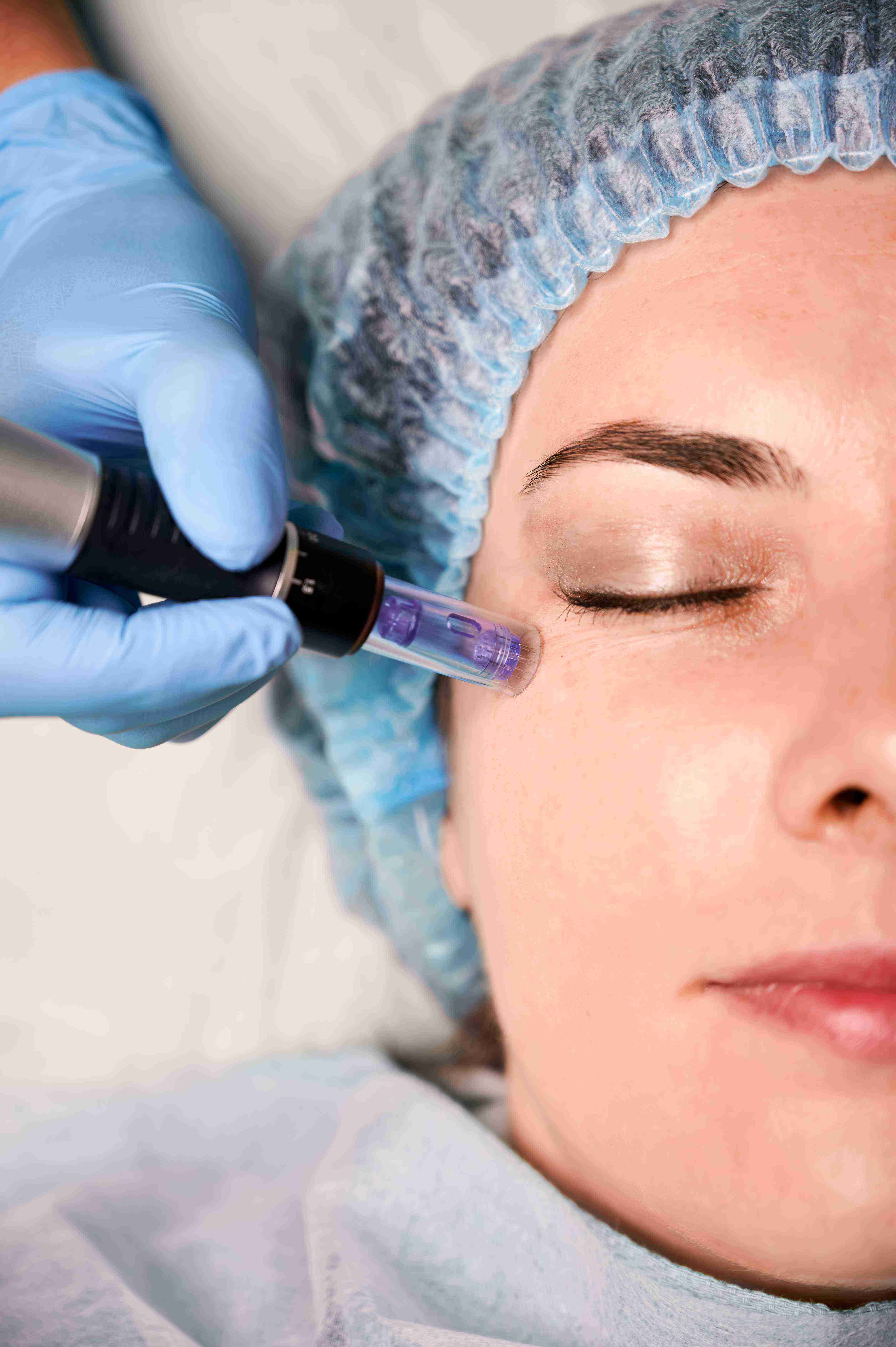
Reversing Signs of Aging with MNRF
Aging skin undergoes collagen depletion, reduced elasticity, and loss of volume, leading to wrinkles, fine lines, and sagging. MNRF helps by:
At Claire Derma, anti-aging microneedling protocols are designed around the concept of staged collagen building. Rather than one aggressive session, we deliver three to four treatments at gradually increasing depths, allowing the dermis to lay down collagen in organised layers that mimic youthful skin architecture.
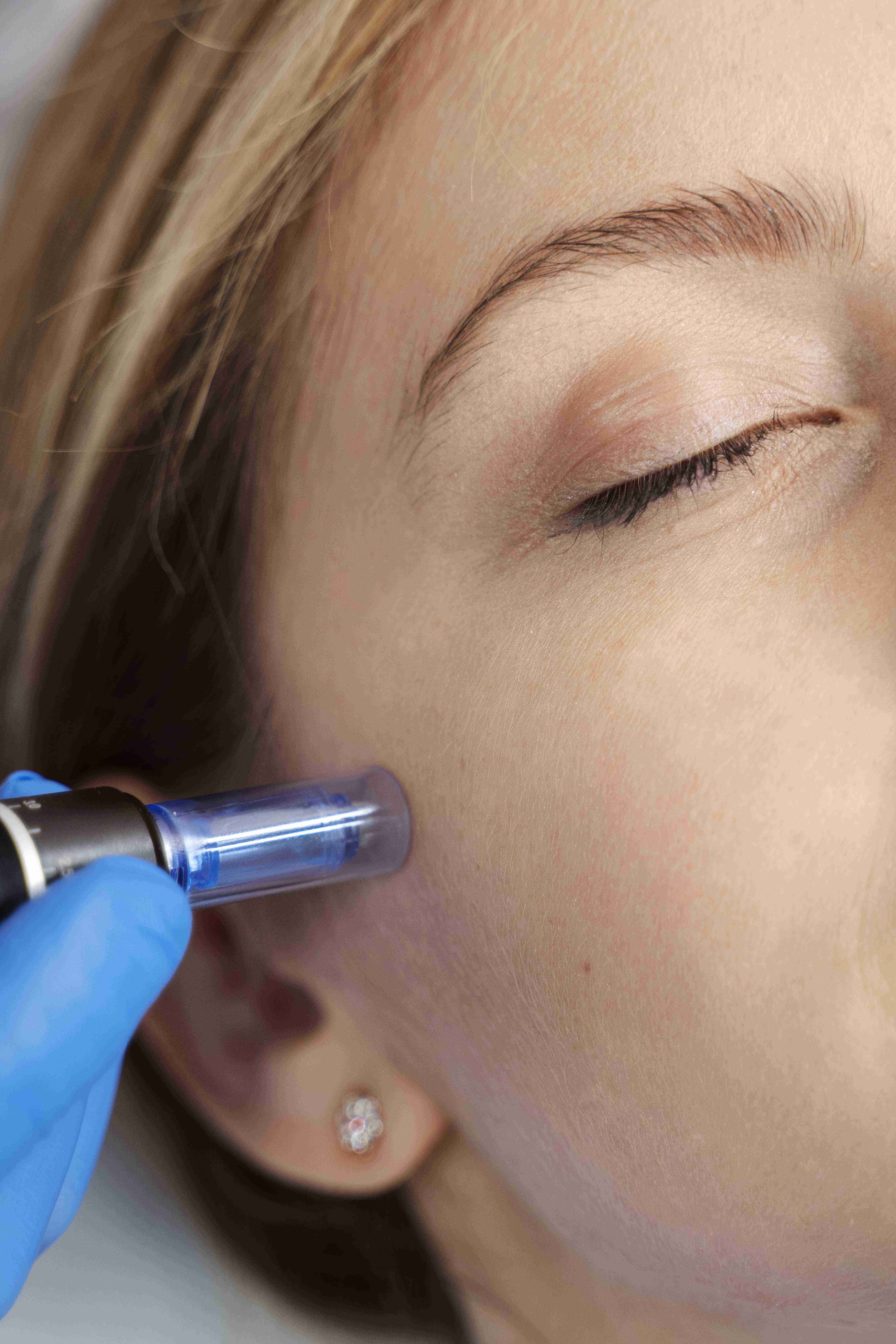
Benefits of MNRF for Anti-Aging
Choosing microneedling for anti-aging at Claire Derma is a middle ground between topical products and surgical intervention. Retinoids and peptide creams work gradually on the surface, while facelifts address structural laxity through tissue repositioning.
Ideal Candidates for the Treatment
This treatment is ideal for individuals who:
Post-treatment care directly affects how much collagen your skin builds after each microneedling session. For the first 24 hours, our team recommends only a gentle hydrating cleanser and the barrier-repair cream provided in your aftercare kit. Avoid retinoids, AHAs, BHAs, and vitamin C for five days — these active ingredients irritate the healing micro-channels and can trigger inflammatory hyperpigmentation.
The Treatment Process
01
Consultation & Skin Assessment
A dermatologist examines the skin’s condition and aging concerns. Your dermatologist evaluates skin elasticity, fine line depth, and overall photodamage using magnification and standardised photography. We discuss your anti-aging priorities — whether fine lines, laxity, or tone are the main concern — and map a treatment plan with expected session count, typically three to.
02
Preparation
The skin is cleansed, and a numbing cream is applied for comfort. Topical numbing cream is applied 30 to 40 minutes before the procedure. Your skin is cleansed with a gentle antiseptic to remove all traces of makeup, oil, and sunscreen.
03
MNRF Treatment
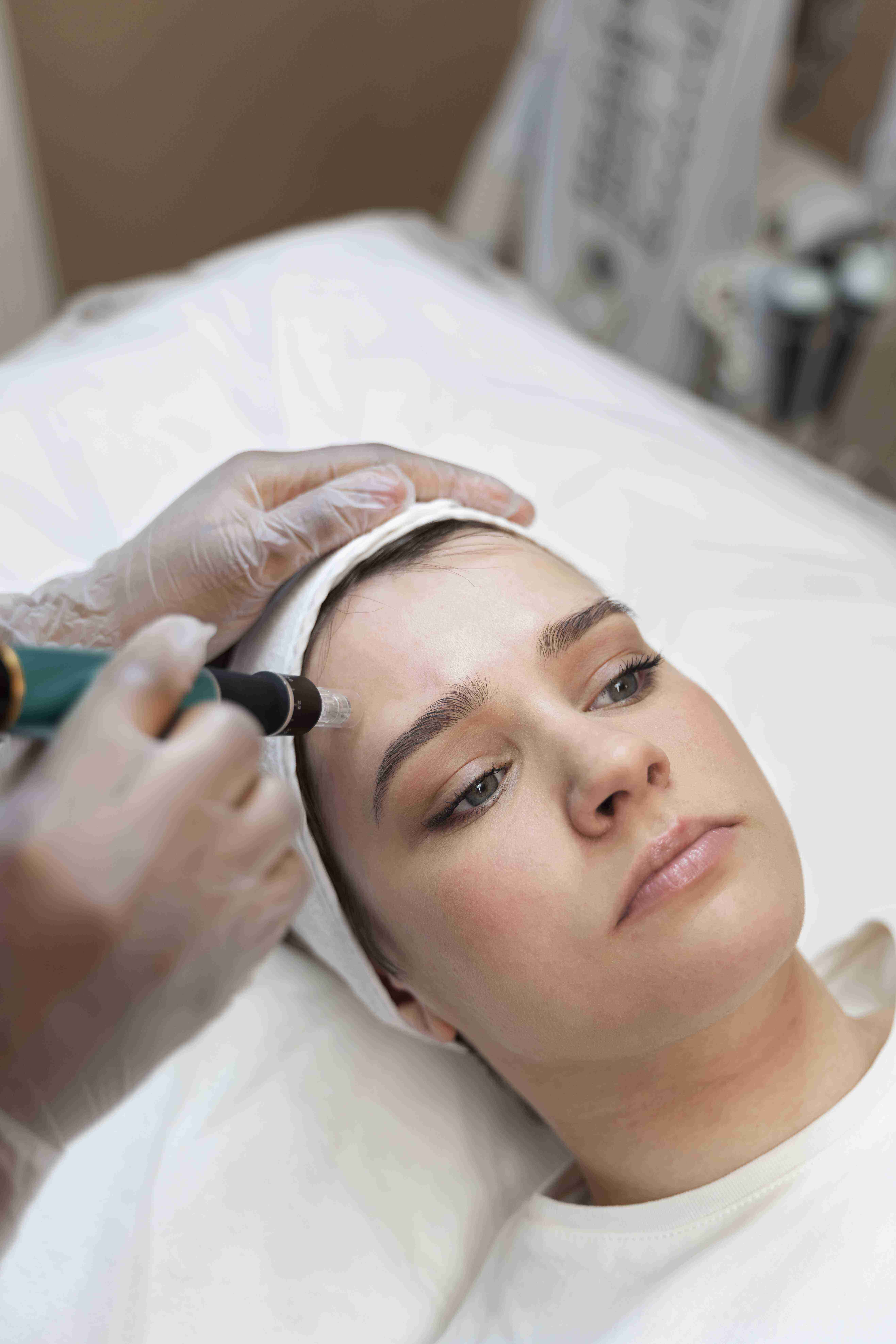
A microneedling RF device delivers energy deep into the skin, stimulating collagen and elastin. The depth and intensity are customized based on the patient’s needs. The microneedling pen is moved across the face in systematic passes, with depth adjusted per zone — 1.0 to 1.5 mm on the forehead and cheeks, 0.5 to 0.75 mm around the eyes and lips. Growth factor serum is applied between passes.
04
Post-Treatment Care
Mild redness and swelling may occur but subside within 24–48 hours. Hydrating and anti-aging skincare is recommended for enhanced results. Expect a sunburn-like flush for 12 to 24 hours, with possible mild swelling on day one. By day two or three, most patients appear completely normal. We provide a post-care kit and schedule your next session four weeks out.
Expected Results & Recovery

Noticeable results appear within 4–6 weeks, with continued improvement over 3–6 months.
Some redness and mild sensitivity for 1–2 days.
With proper skincare, results can last for years.
Got Questions?We've Got Answers
Find answers to the most common questions about our treatments, procedures, and recovery process. If you can't find what you're looking for, our support team is always here to help.
Most patients need 3–5 sessions, spaced 4–6 weeks apart, for the best results.
The treatment is well-tolerated with minimal discomfort, as numbing cream is applied beforehand.
Initial skin tightening is noticeable in a few weeks, but full results develop over 3–6 months as collagen rebuilds.
Yes, it can be combined with fillers, Botox, PRP, and laser treatments for enhanced results.
Mild redness, swelling, and sensitivity for 24–48 hours, but no major downtime.
With proper skincare, results can last for years, and maintenance treatments every 6–12 months help prolong the effects.
There is no fixed starting age, but most patients begin in their late twenties to early thirties when collagen production naturally starts declining. At this stage, microneedling acts more as prevention — maintaining collagen density before fine lines become established.
These treatments work through completely different mechanisms and often complement each other. Botox relaxes muscles that cause expression lines; fillers add volume to areas that have lost fat and collagen; microneedling stimulates your own collagen production to improve skin quality from within.
The collagen produced through microneedling is permanent — it becomes part of your skin's structural matrix. However, natural aging continues, so the skin will gradually lose collagen over time even after treatment. Most patients maintain their results with one to two maintenance sessions per year.
Yes, and at Claire Derma we frequently treat the neck and decolletage alongside the face. These areas show aging early because the skin is thinner and receives significant sun exposure over the years. We use shallower depths on the neck — typically 0.5 to 1.0 mm — because the skin is more delicate and closer to underlying structures.