
Introduction to Microneedling Radiofrequency (MNRF)
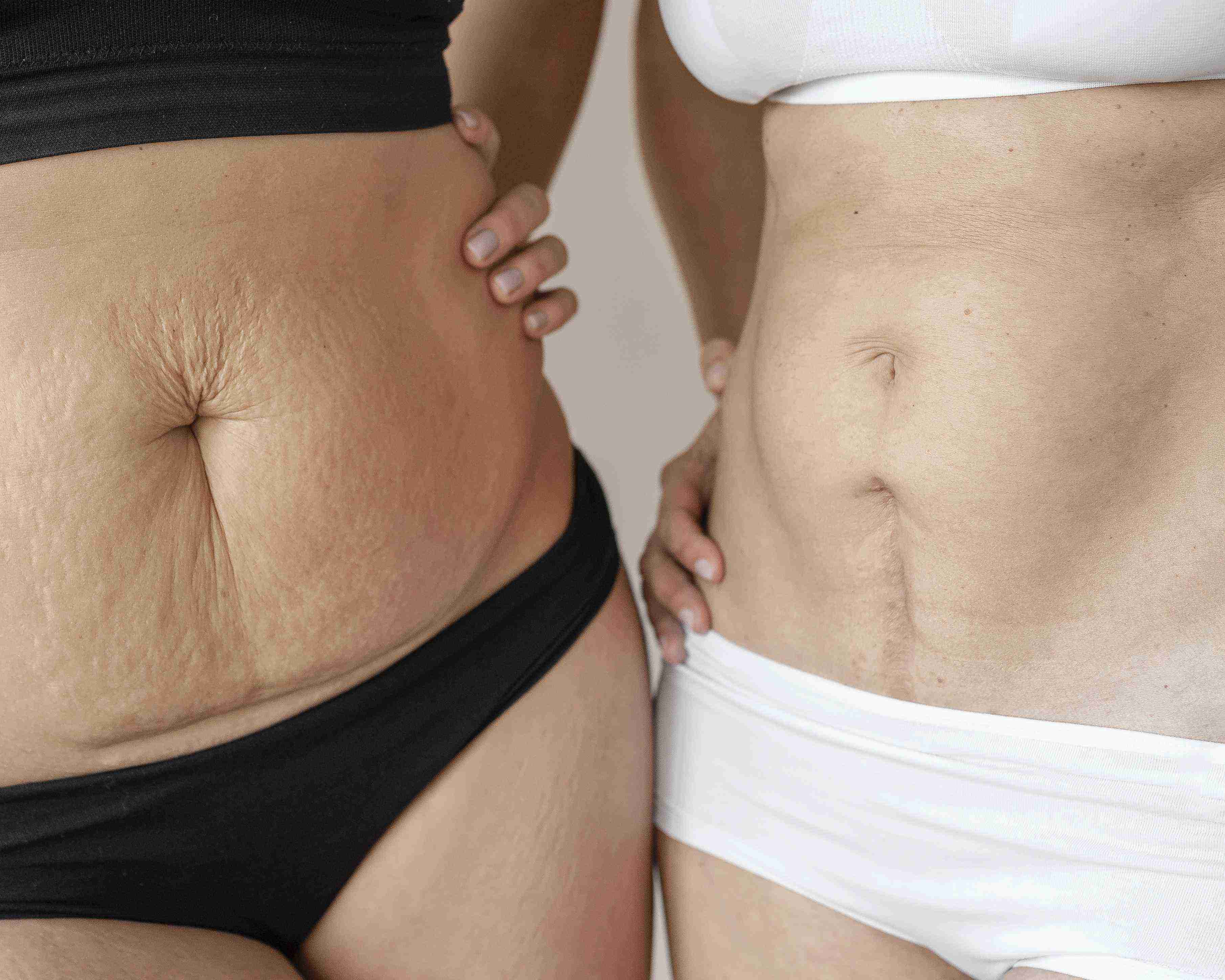
Microneedling Radiofrequency (MNRF) is an advanced skin rejuvenation treatment that combines microneedling with radiofrequency (RF) energy to stimulate collagen production, improve skin texture, and reduce the appearance of stretch marks. Stretch marks occur when the skin is overstretched, causing the collagen and elastin fibers to break. They often develop due to pregnancy, weight fluctuations, puberty, or rapid muscle growth. MNRF helps by repairing damaged skin, enhancing elasticity, and promoting smoother skin texture.
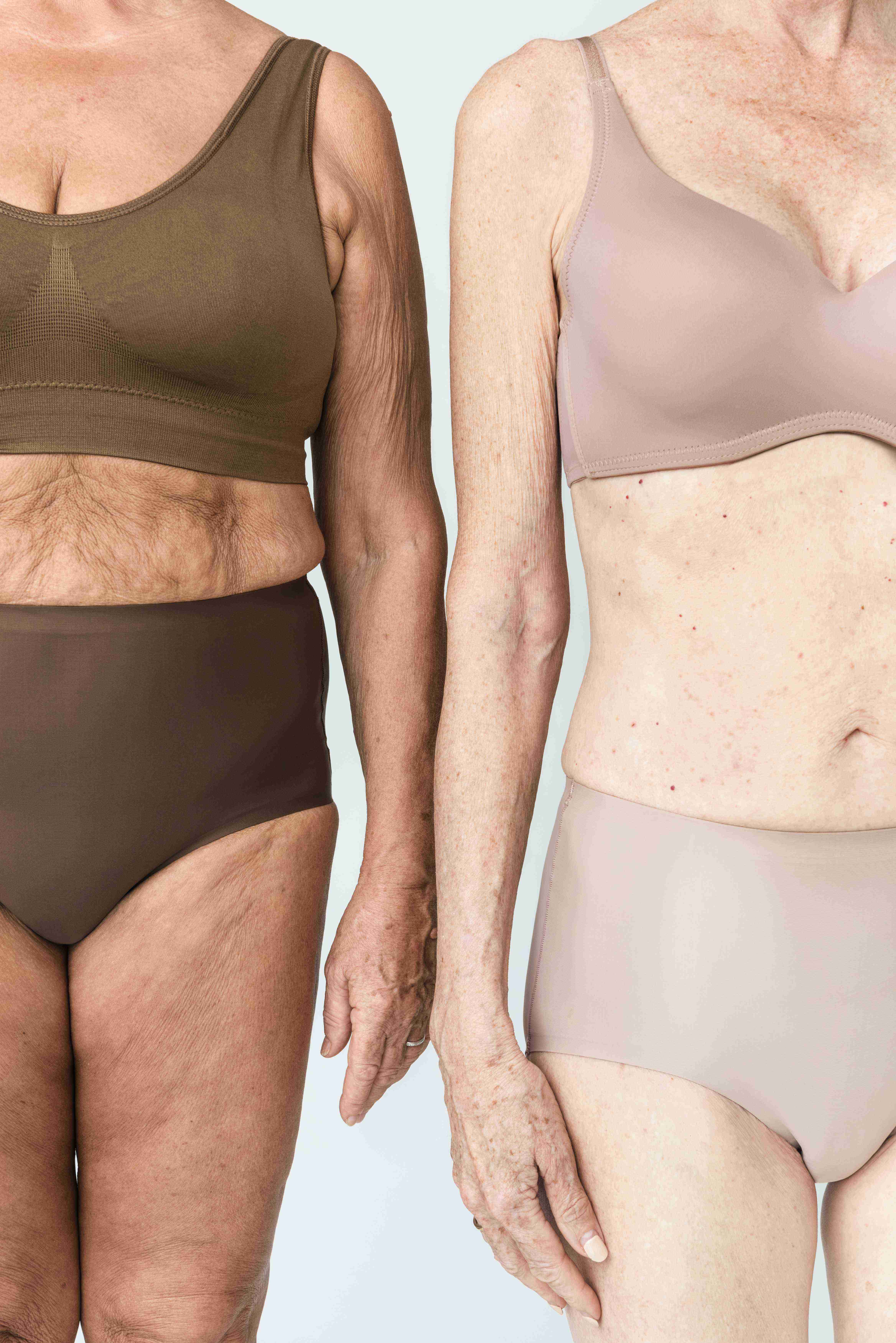
Stretch marks — known clinically as striae distensae — form when the dermis tears under rapid expansion from pregnancy, growth spurts, weight fluctuation, or muscle gain. The torn collagen and elastin fibres heal as flat, scar-like bands that initially appear red or purple (striae rubrae) before maturing into silvery-white lines (striae albae).

How Microneedling Radiofrequency Works
MNRF delivers controlled RF energy through microneedles deep into the dermis, triggering a natural healing response. This process:

This minimally invasive treatment is effective for both new and old stretch marks, offering progressive improvement over time.
Stretch marks vary widely in appearance and location, and each variation benefits from a tailored microneedling approach. Post-pregnancy marks on the lower abdomen tend to be broad and numerous, covering large surface areas. Growth-related striae on the thighs or back are often narrower but can extend vertically across long stretches of skin.
Treating Stretch Marks with MNRF
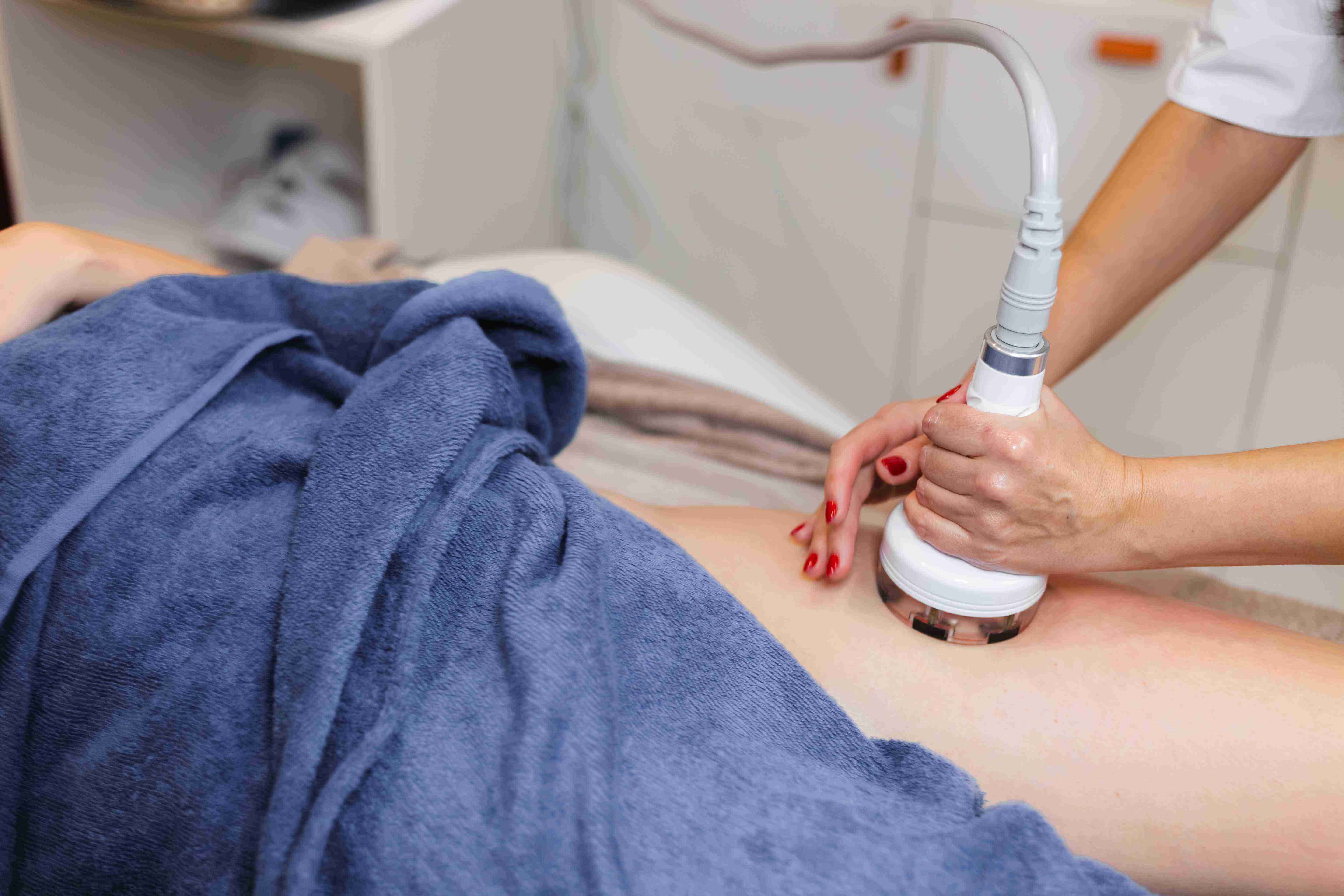
Stretch marks form when rapid skin stretching exceeds its ability to produce enough collagen and elastin, leading to micro-tears in the dermis. MNRF helps repair and reduce stretch marks by:
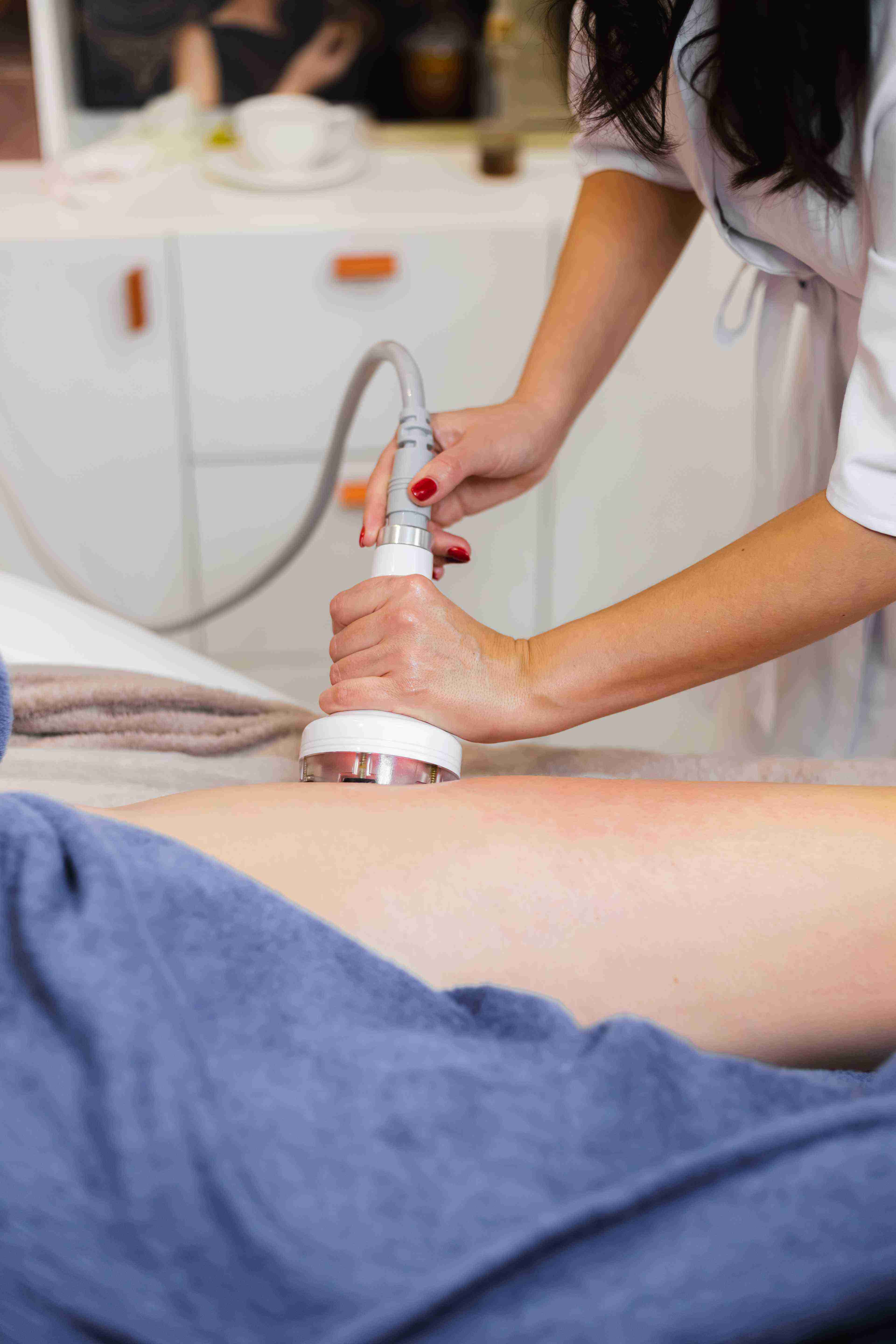
Treating stretch marks requires a more robust protocol than facial microneedling because body skin is thicker and scar tissue in stretch marks is denser. At Claire Derma, we use a motorised pen system with 12 to 36 needle cartridges to cover large surface areas efficiently.
Benefits of MNRF for Stretch Marks
Stretch marks are notoriously difficult to treat because the damage occurs deep within the dermis, below the reach of most topical products. Creams and oils marketed for stretch marks work primarily on the skin's surface and cannot rebuild the torn collagen and elastin that causes the visible depression and textural change.
Ideal Candidates for the Treatment
This treatment is ideal for individuals who:
Recovery after body microneedling for stretch marks is slightly more involved than facial treatments because deeper depths and larger treatment areas produce more inflammation. Expect redness and mild swelling for two to four days, with the treated skin feeling tight and warm for the first 24 hours. Light bruising is possible on thinner-skinned areas like the inner thighs.
The Treatment Process
01
Consultation & Skin Assessment
The dermatologist evaluates the severity and type of stretch marks. Your dermatologist examines the location, colour, width, and maturity of your stretch marks. We photograph the treatment area and classify each mark as striae rubrae or striae albae.
02
Preparation
The skin is cleansed, and a numbing cream is applied for comfort. Topical anaesthetic cream is applied generously to the treatment area 40 to 50 minutes before the procedure. Body skin requires longer numbing time due to its thickness. The area is then cleansed with antiseptic solution.
03
MNRF Treatment
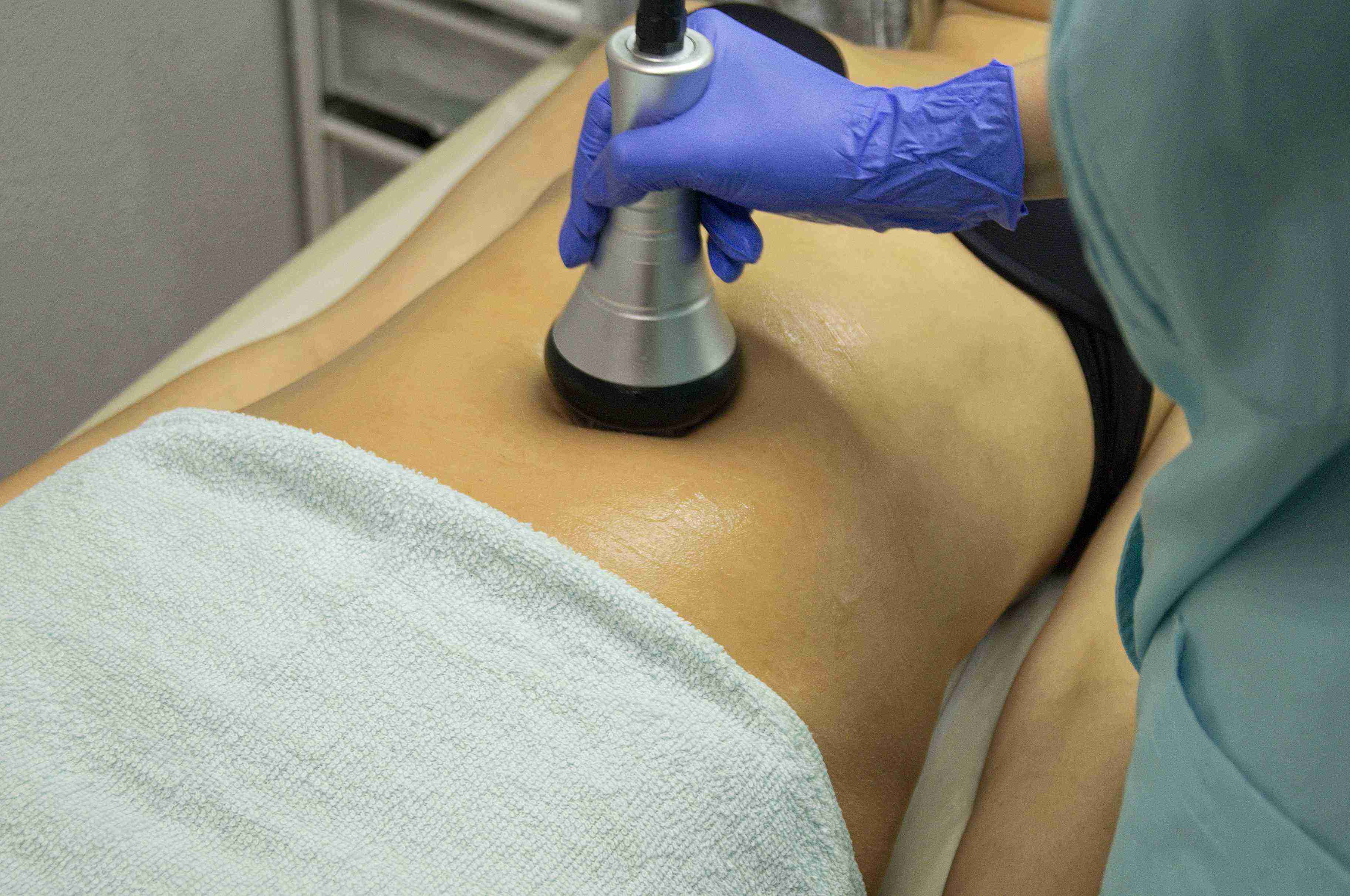
A microneedling RF device is used to create controlled micro-injuries and deliver RF energy. The depth and intensity are customized based on the stretch mark severity. The microneedling pen is moved across the stretch marks in a cross-hatch pattern at depths of 1.5 to 2.5 mm. Each mark receives multiple directional passes until uniform pinpoint bleeding appears — a clinical endpoint indicating adequate dermal stimulation.
04
Post-Treatment Care
Mild redness and swelling may occur for 24–48 hours. Hydrating creams and sun protection are recommended. A soothing barrier cream is applied before you leave the clinic. Redness and mild swelling persist for two to four days. Avoid swimming pools, hot tubs, and heavy exercise for 72 hours. Wear loose-fitting clothing over the treated area for the first week.
Expected Results & Recovery

Visible results start appearing within 4–6 weeks, with full improvement over 3–6 months.
Mild redness and swelling for 1–2 days.
Results can be permanent, though maintenance treatments may be needed.
Got Questions?We've Got Answers
Find answers to the most common questions about our treatments, procedures, and recovery process. If you can't find what you're looking for, our support team is always here to help.
Typically, 3–6 sessions, spaced 4–6 weeks apart, are recommended for optimal results.
The procedure is well-tolerated, with minimal discomfort due to numbing cream.
Yes, MNRF is effective for both. New stretch marks respond faster, while older ones require more sessions.
MNRF significantly reduces visibility, but complete removal is not guaranteed. Results vary based on skin type, stretch mark severity, and collagen response.
Mild redness, swelling, and sensitivity for 1–2 days, but no major downtime.
Results are long-lasting, and with proper skincare and maintenance sessions, stretch marks remain faded permanently.
Microneedling significantly improves the appearance of stretch marks but does not remove them entirely. The treatment rebuilds collagen and elastin within the damaged skin, reducing depth, width, and colour contrast with surrounding tissue. Most patients achieve 40 to 70 percent improvement after a full series of sessions. Newer red or purple marks respond more dramatically than mature white marks.
We recommend waiting at least three months post-delivery before starting treatment, and longer if you are breastfeeding, as some adjunct treatments may not be suitable. The three-month wait allows your hormones and skin to stabilise and any residual swelling to resolve. Starting treatment while stretch marks are still in their red or purple phase is actually ideal because they respond better at this stage.
With topical anaesthetic applied 40 to 50 minutes before the session, most patients describe the sensation as moderate pressure with occasional pricking. The abdomen and thighs tend to be more comfortable than the inner arms or chest. Deeper needle depths on the body can produce a scratching feeling, but the numbing cream keeps discomfort manageable.
Yes, though they require more sessions and often deeper needle depths compared to newer marks. White stretch marks have completed their scarring process and lost their blood supply, making them slower to respond. At Claire Derma, we typically recommend six to eight sessions for mature striae albae and may combine microneedling with PRP to boost the growth factor delivery to these less vascular areas.