
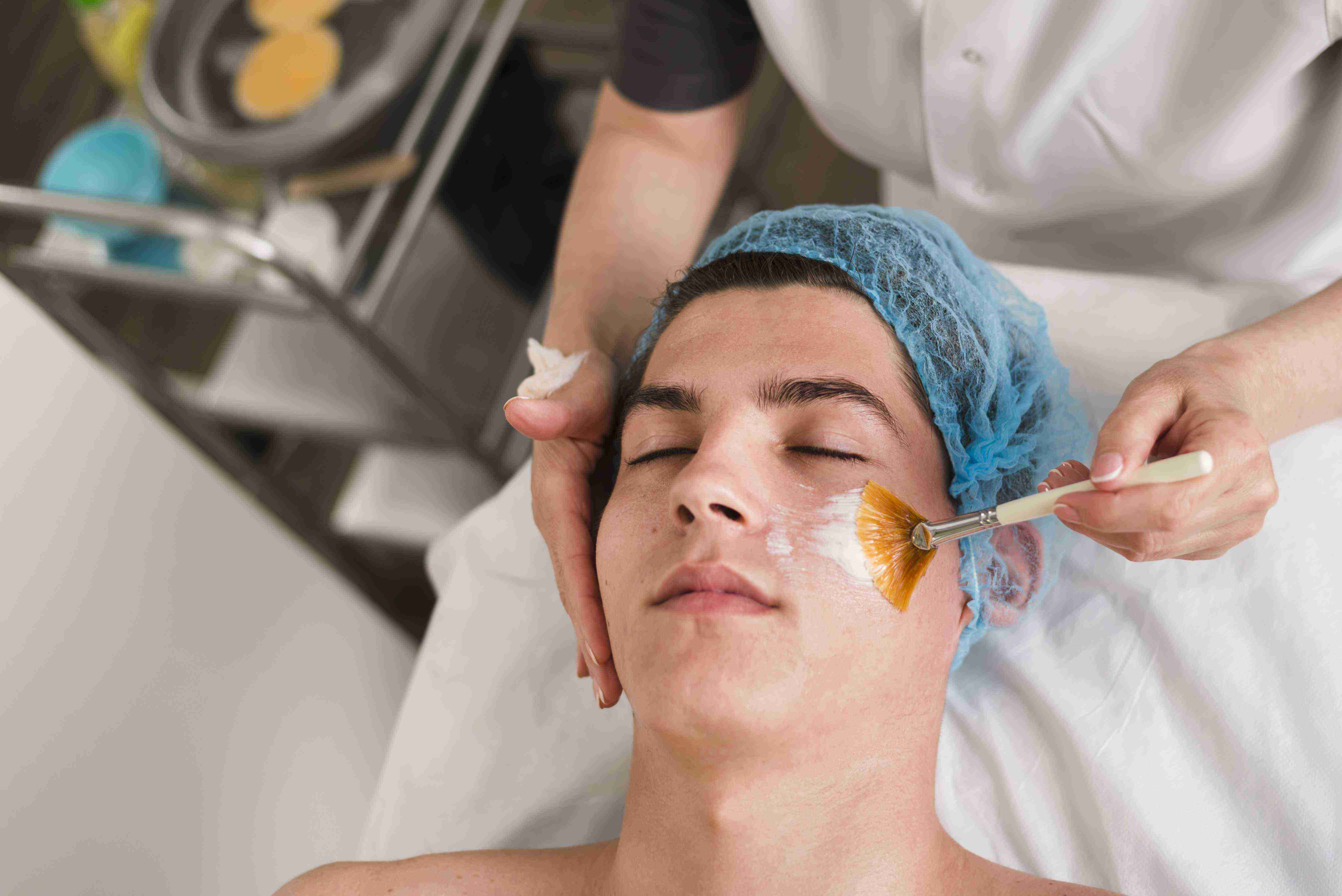
Introduction to Medium to Deep Chemical Peels
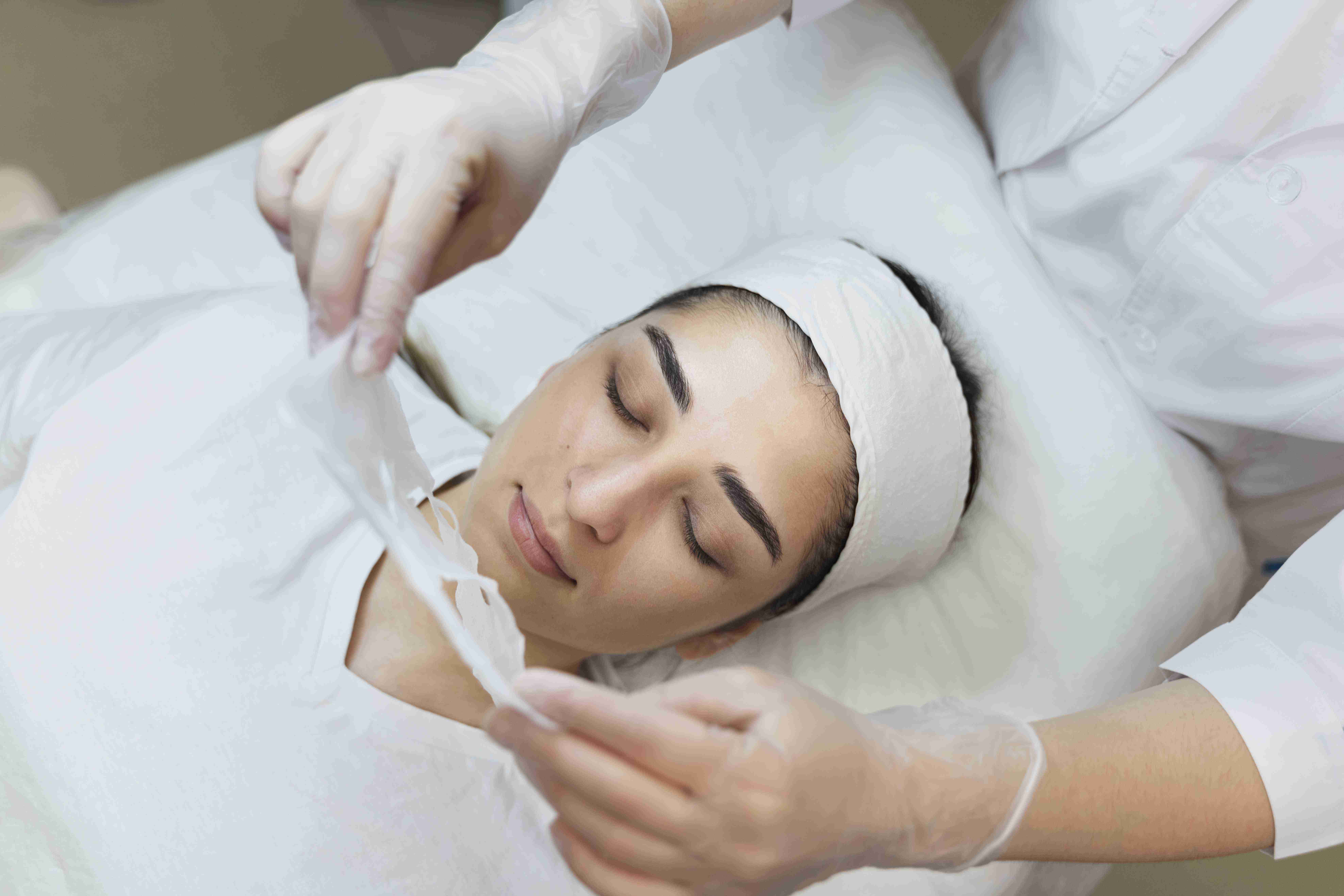
Acne can be persistent and difficult to manage, especially when it leads to scarring, inflammation, and deep breakouts. Medium to deep chemical peels offer an advanced treatment option that targets severe acne, clogged pores, and post-inflammatory hyperpigmentation. These peels penetrate deeper into the skin layers, effectively removing damaged skin cells, regulating oil production, and stimulating skin renewal for a clearer, smoother complexion. Medium to deep peels use stronger exfoliating agents such as trichloroacetic acid (TCA), phenol, or high-strength salicylic acid to reach the mid to lower dermis, making them effective for stubborn acne, deep scars, and long-term skin rejuvenation.
Mole and wart removal at Claire Derma follows strict surgical safety protocols designed to protect both the treatment site and surrounding healthy tissue. Every lesion is evaluated under dermoscopy before any intervention so the removal method matches the growth's depth, vascularity, and anatomical position. Our dermatologists use single-use sterile instrument packs, calibrated electrosurgical units, and standardised wound closure techniques that reduce infection risk to below one percent.
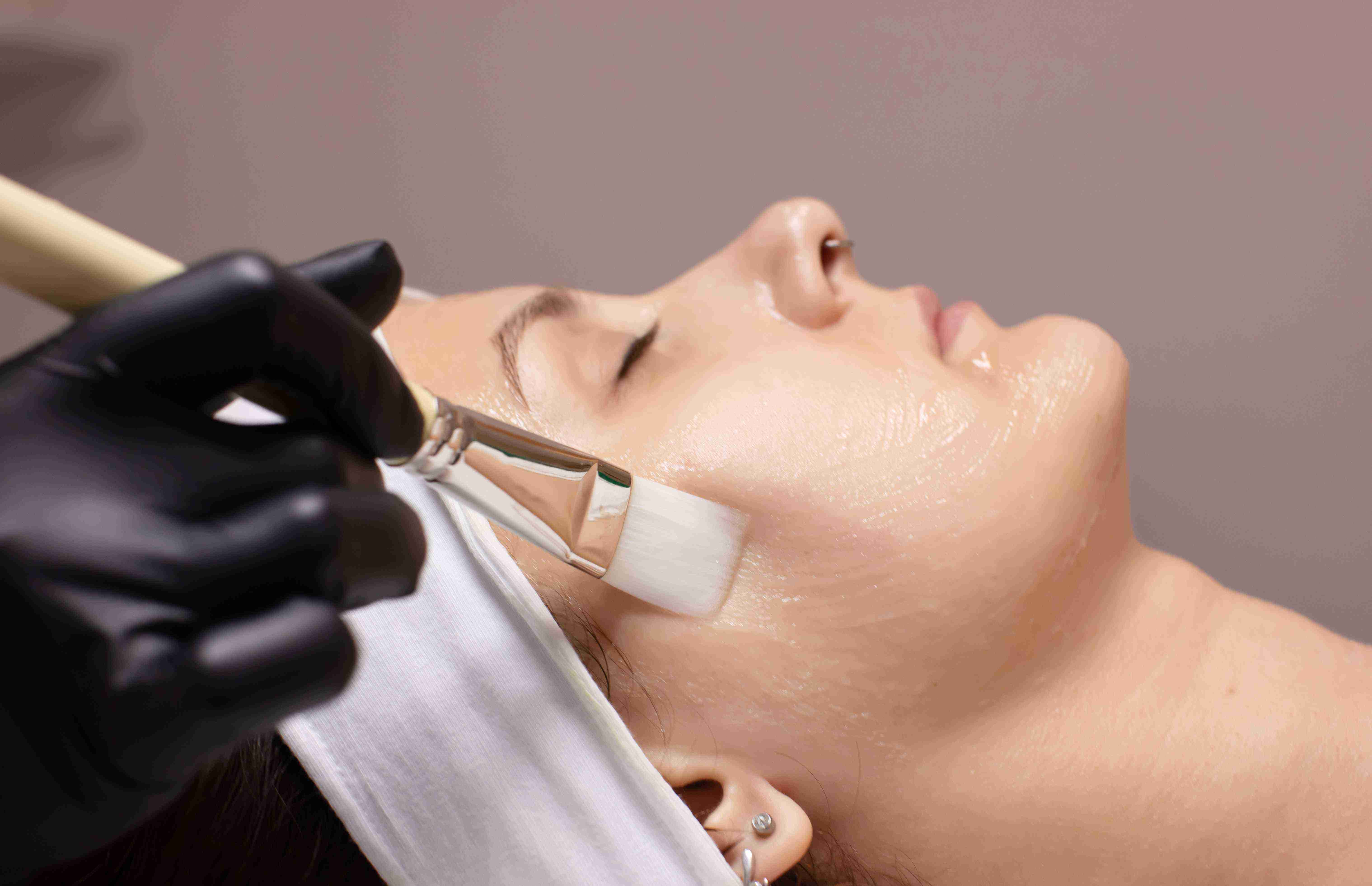
How Medium to Deep Chemical Peels Work
These peels work by deeply penetrating the skin to:

Pre-surgical evaluation at Claire Derma goes beyond a surface-level visual check. Our team performs polarised dermoscopy on every mole and wart scheduled for removal, capturing high-resolution images that reveal pigment patterns, vascular architecture, and structural symmetry invisible to the naked eye.
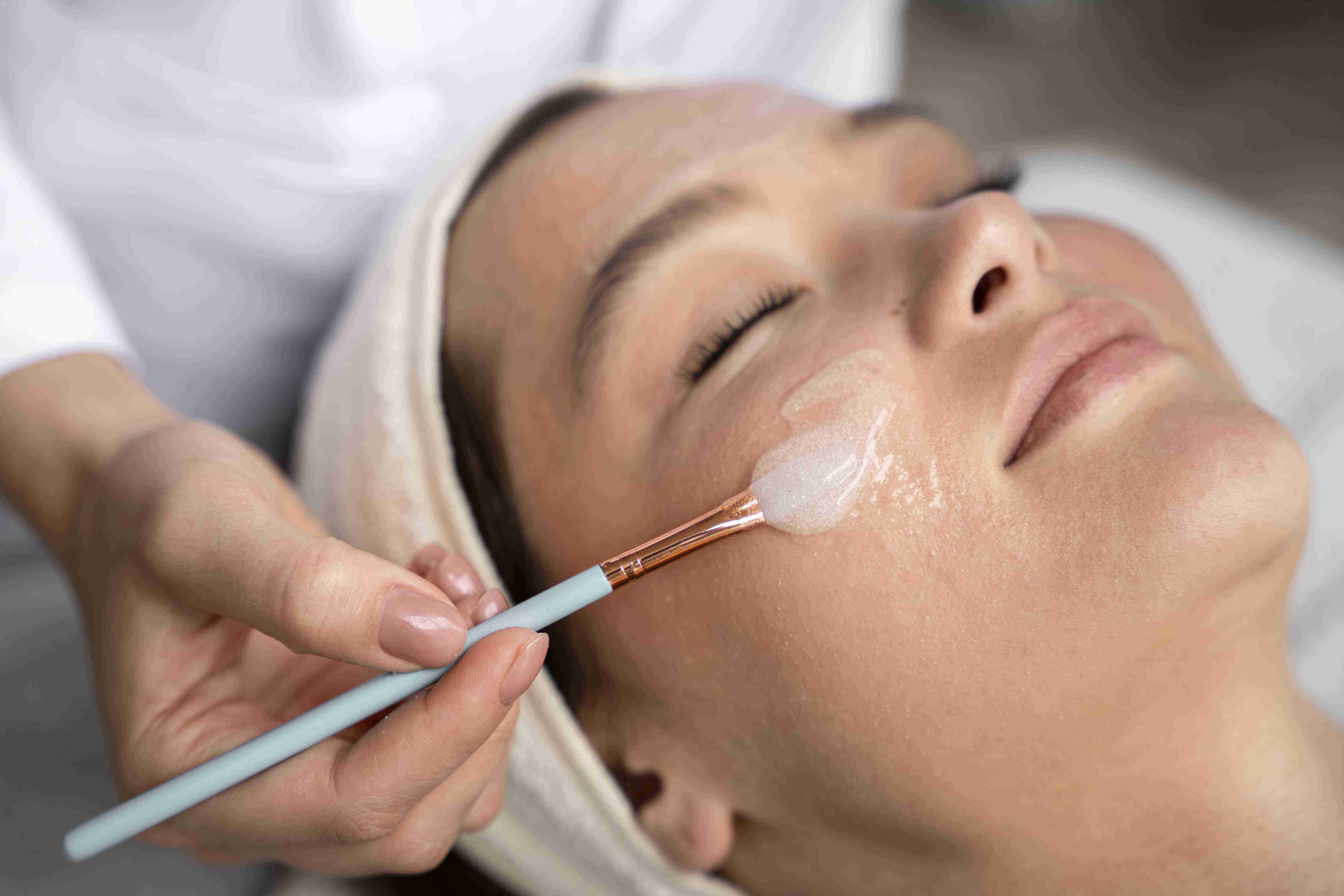
Treating Acne with Medium to Deep Chemical Peels
Safe removal requires matching the technique to the lesion. At Claire Derma, shave excision with a DermaBlade is reserved for raised benign moles where histological margins are not critical. Elliptical excision with primary closure is used when full-thickness analysis is needed or when the mole sits in a high-tension area like the shoulder or upper back.
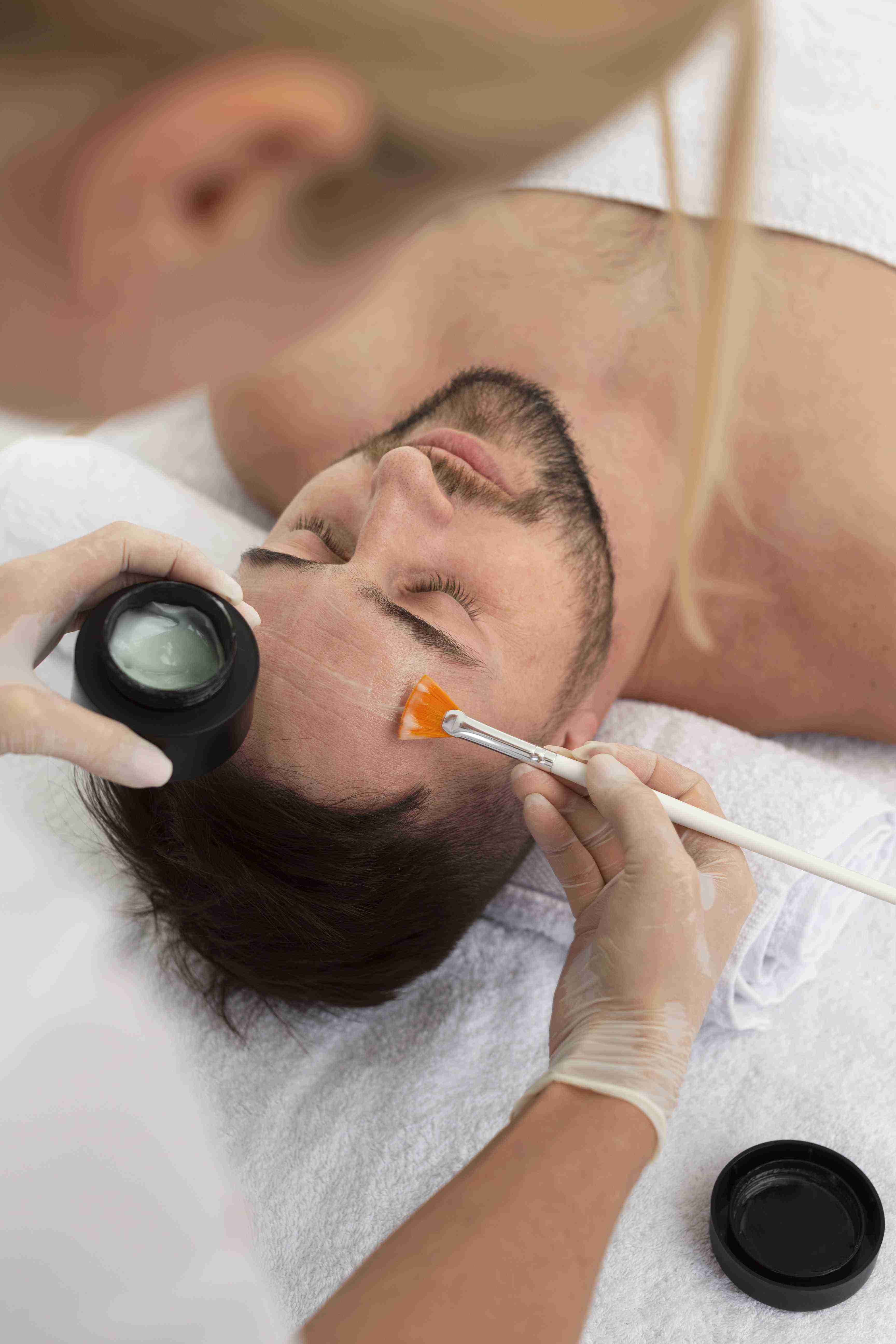
Benefits of Medium to Deep Peels for Acne
Choosing a clinic with proper surgical infrastructure makes a measurable difference in outcomes. At Claire Derma, every removal is performed in a dedicated procedure room with appropriate lighting, suction, and emergency equipment. Our dermatologists hold surgical training specific to cutaneous procedures, which means they understand tissue planes, vascular anatomy, and wound biomechanics at each body site.
Ideal Candidates for the Treatment
This treatment is ideal for individuals who:
Wound care in the first 48 hours has the greatest influence on final scar quality. At Claire Derma, we provide each patient with a take-home aftercare kit that includes sterile non-adherent dressings, a gentle wound cleanser, and petroleum-based ointment to maintain a moist healing environment.
The Treatment Process
01
Consultation & Skin Analysis
The dermatologist assesses acne severity and selects the best peel formulation. Your dermatologist examines each mole and wart under dermoscopy, photographs the lesions, and reviews your medical history including medications, allergies, and any bleeding tendencies. A treatment plan is discussed covering technique selection, expected healing time, and whether histopathology is recommended for any of the lesions.
02
Preparation
The skin is cleansed, and protective measures are taken for sensitive areas. The skin is cleaned with chlorhexidine antiseptic and draped with a sterile field. Buffered lidocaine with adrenaline is injected around the lesion using a 30-gauge needle for minimal discomfort. The anaesthetic takes full effect within two to three minutes.
03
Peel Application
A customized medium or deep peel solution is applied for controlled penetration. The lesion is removed using the pre-selected technique — shave, elliptical excision, or curettage with electrodesiccation. Haemostasis is achieved with aluminium chloride, electrocautery, or direct pressure. Excised tissue is placed in formalin for pathology when indicated.
04
Neutralization & Post-Treatment Care
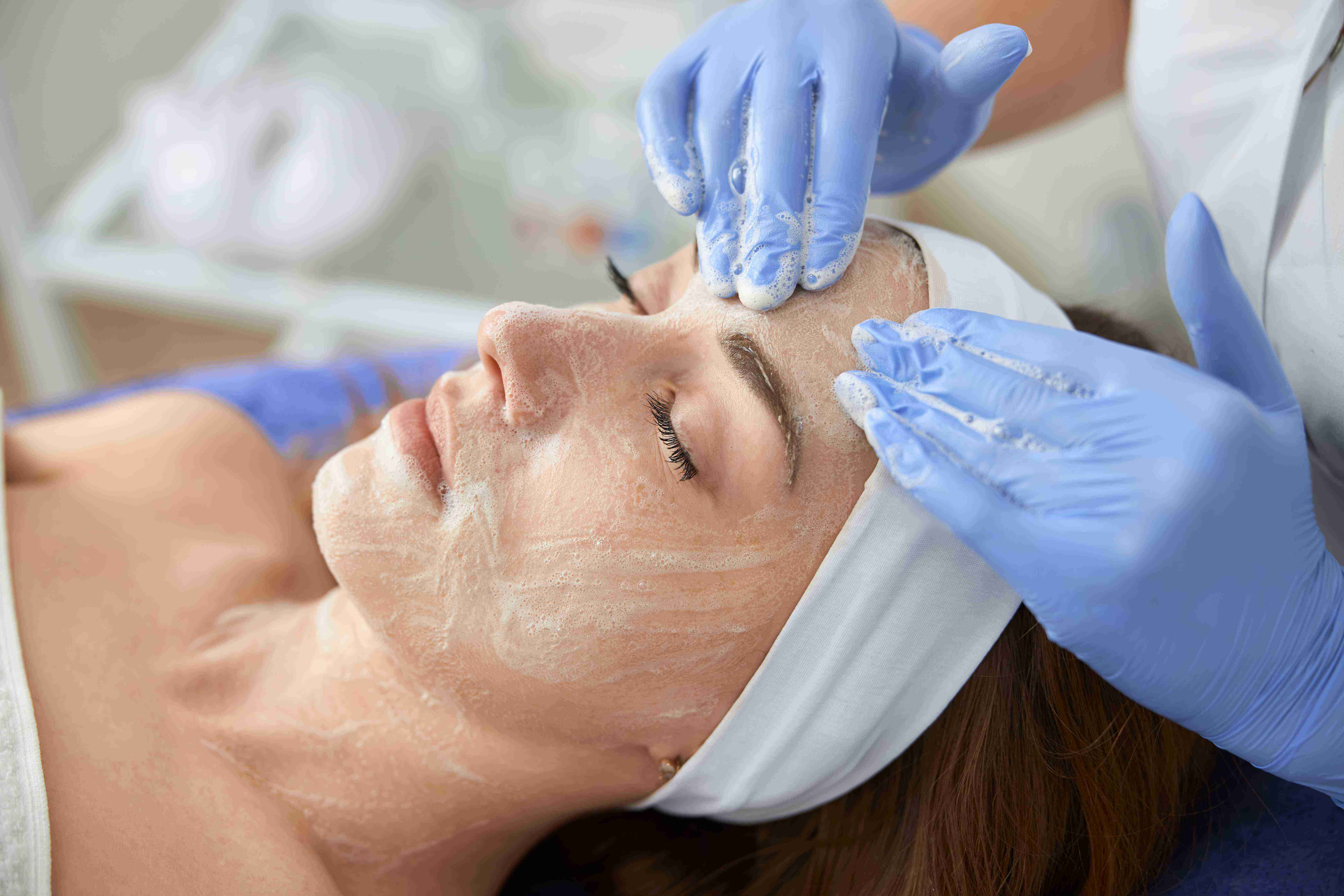
The peel is neutralized, and a soothing recovery serum is applied. Written aftercare instructions are provided before you leave. Suture removal is booked at the appropriate interval based on body site. Pathology results are communicated within seven working days.
Expected Results & Recovery

Visible improvements after one session, with further refinement over multiple treatments.
Fewer blemishes, reduced scarring, and an even complexion.
Expect peeling and skin sensitivity for 5–7 days.
With proper maintenance, results can last several months.
Got Questions?We've Got Answers
Find answers to the most common questions about our treatments, procedures, and recovery process. If you can't find what you're looking for, our support team is always here to help.
Typically, 3–6 sessions, spaced 4–6 weeks apart, yield the best results.
Patients may feel a warm or stinging sensation, but discomfort is manageable.
Peeling and flaking can last between 5–10 days, depending on peel strength.
It significantly reduces acne and breakouts, but maintenance treatments and a proper skincare routine are essential.
Sun exposure must be strictly avoided for at least a week, and broad-spectrum sunscreen is mandatory.
Every mole is examined with polarised dermoscopy before removal, which reveals subsurface pigment patterns and vascular structures that indicate whether a lesion is benign, atypical, or suspicious. If any concerning features are present, we perform an excisional biopsy with appropriate margins rather than a simple shave. The entire specimen is then sent for histopathological review.
Over-the-counter salicylic acid and freeze sprays are imprecise — they often damage surrounding healthy skin while failing to reach the deeper viral tissue. At Claire Derma, curettage physically removes the wart down to its base under local anaesthesia, and electrodesiccation destroys residual viral cells with controlled energy. This reduces recurrence rates significantly compared to topical methods.
Most mole and wart removals are performed under local anaesthesia only, so you remain fully alert throughout and can drive yourself home. The exception is if we are treating a large number of lesions in a single session or if you feel anxious and have taken a pre-procedure sedative. In those cases, having someone available to drive is a sensible precaution.
Light daily activities can resume the same day. We recommend avoiding heavy exercise, swimming, and contact sports for five to seven days after suture-based excisions, as increased blood pressure and moisture exposure can disrupt wound healing. Shave excision sites heal faster and usually allow a return to full activity within three to four days.