
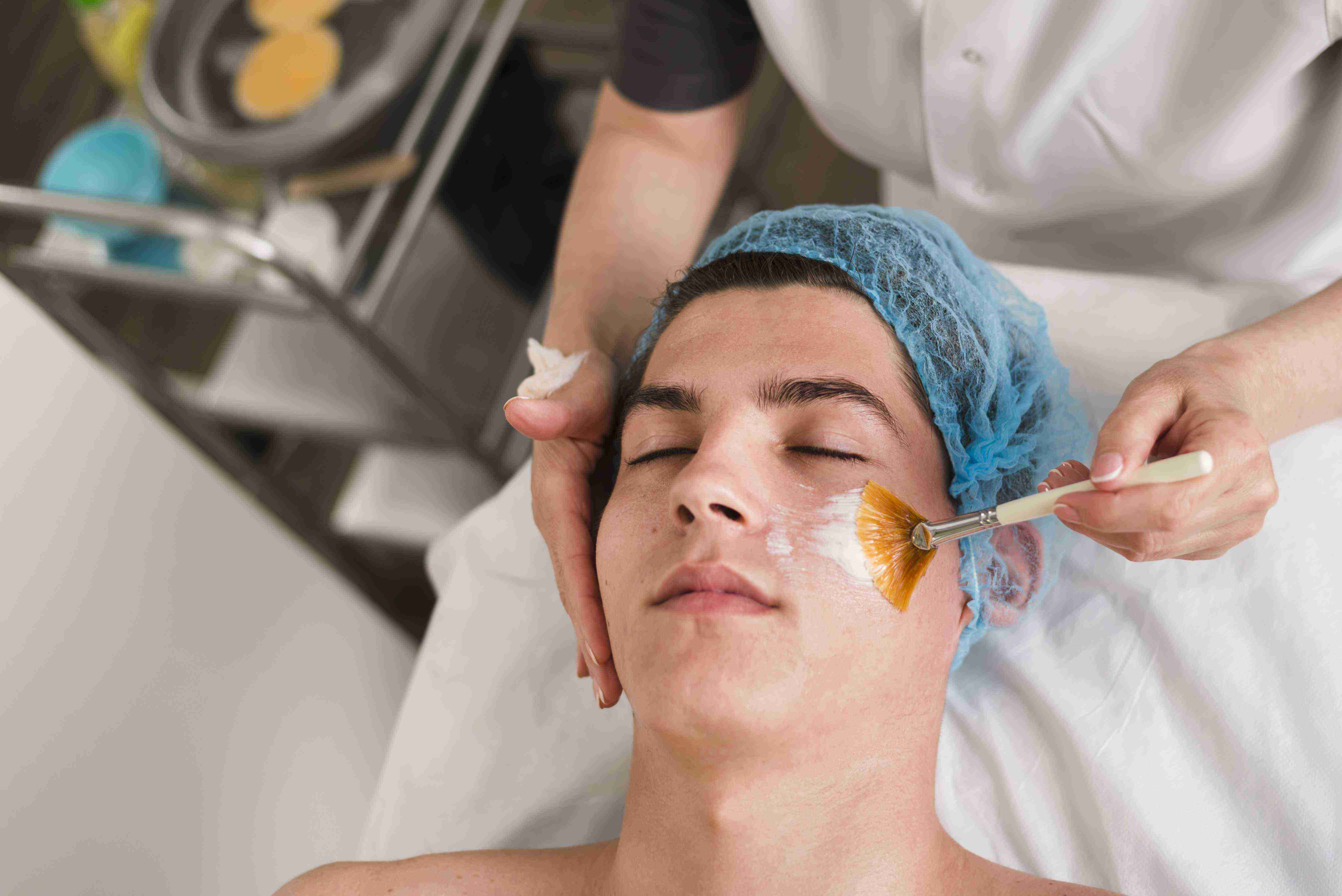
Introduction to Medium to Deep Chemical Peels
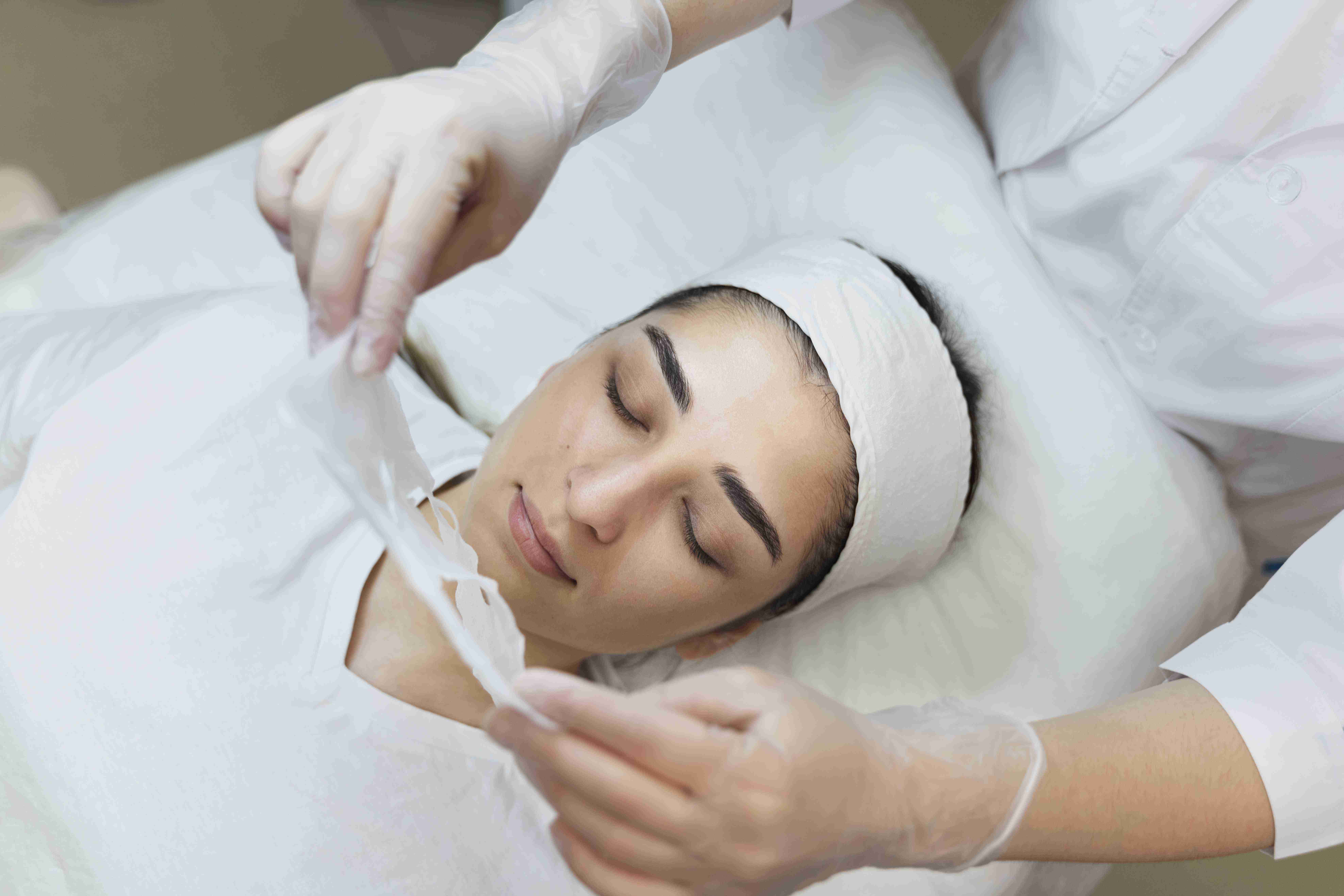
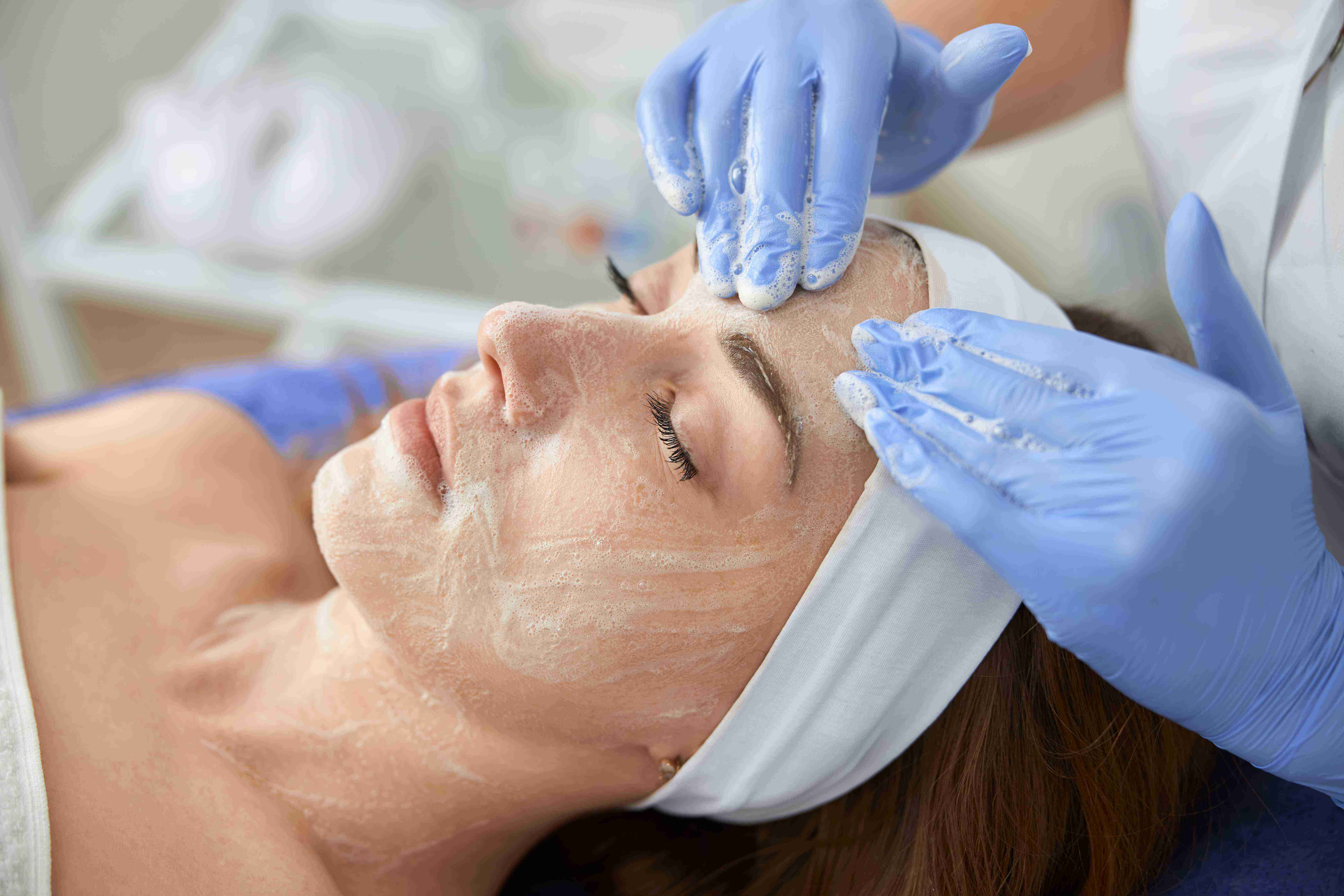
Acne can be persistent and difficult to manage, especially when it leads to scarring, inflammation, and deep breakouts. Medium to deep chemical peels offer an advanced treatment option that targets severe acne, clogged pores, and post-inflammatory hyperpigmentation. These peels penetrate deeper into the skin layers, effectively removing damaged skin cells, regulating oil production, and stimulating skin renewal for a clearer, smoother complexion. Medium to deep peels use stronger exfoliating agents such as trichloroacetic acid (TCA), phenol, or high-strength salicylic acid to reach the mid to lower dermis, making them effective for stubborn acne, deep scars, and long-term skin rejuvenation.
Nail surgery at Claire Derma addresses conditions that conservative treatments have failed to resolve — recurrent ingrown toenails, nail plate deformities caused by trauma or chronic fungal infection, and subungual lesions that require biopsy or excision. Ingrown nails are the most common presentation: the lateral edge of the nail plate penetrates the surrounding skin fold, triggering pain, swelling, and in many cases secondary bacterial infection.
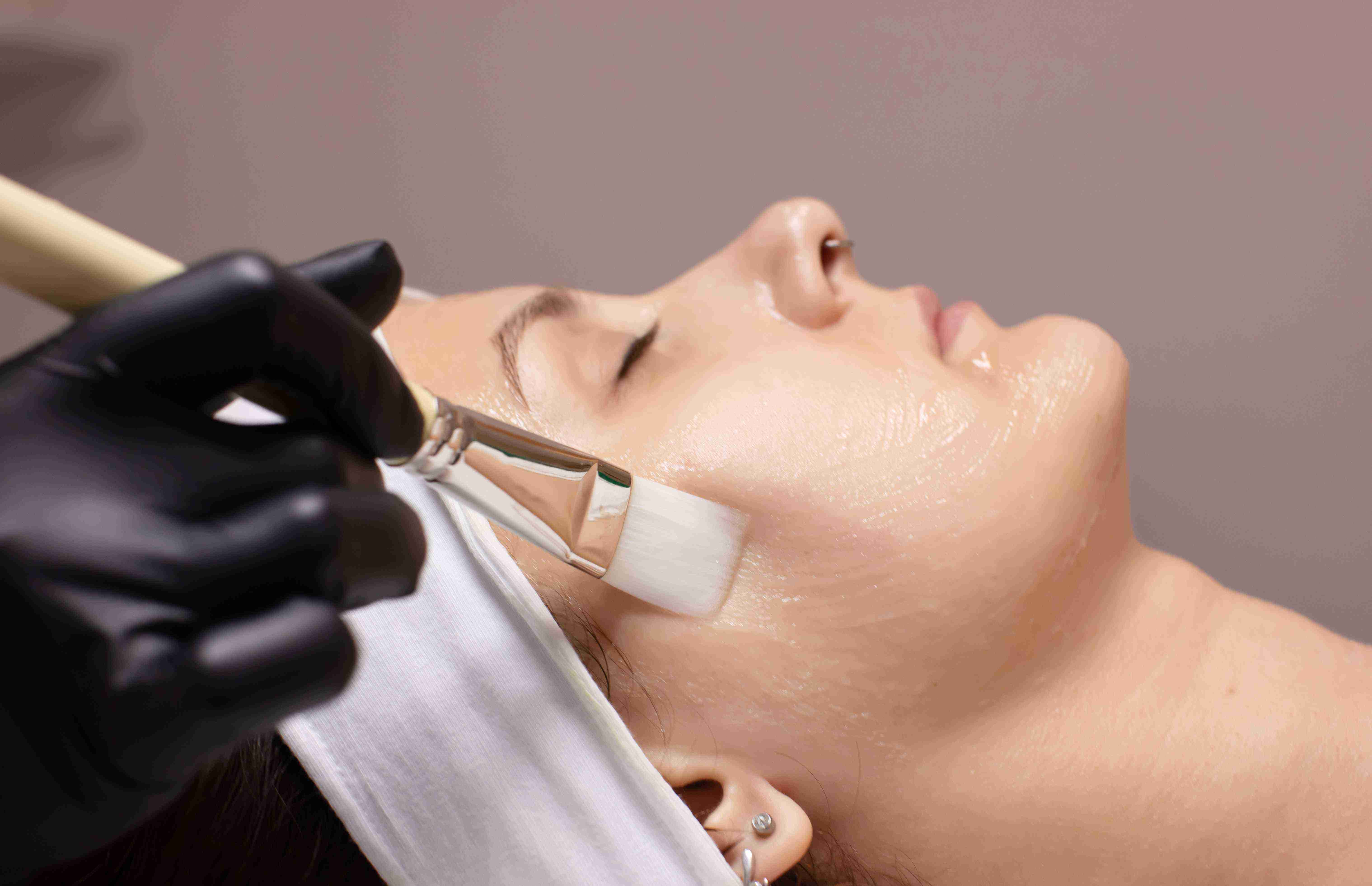
How Medium to Deep Chemical Peels Work
These peels work by deeply penetrating the skin to:

Assessment at Claire Derma begins with a thorough examination of the nail unit and surrounding soft tissue. For ingrown nails, we grade the severity using the Heifetz classification — stage one involves erythema and mild swelling, stage two adds infection and granulation tissue, and stage three presents with chronic hypertrophy of the lateral nail fold.
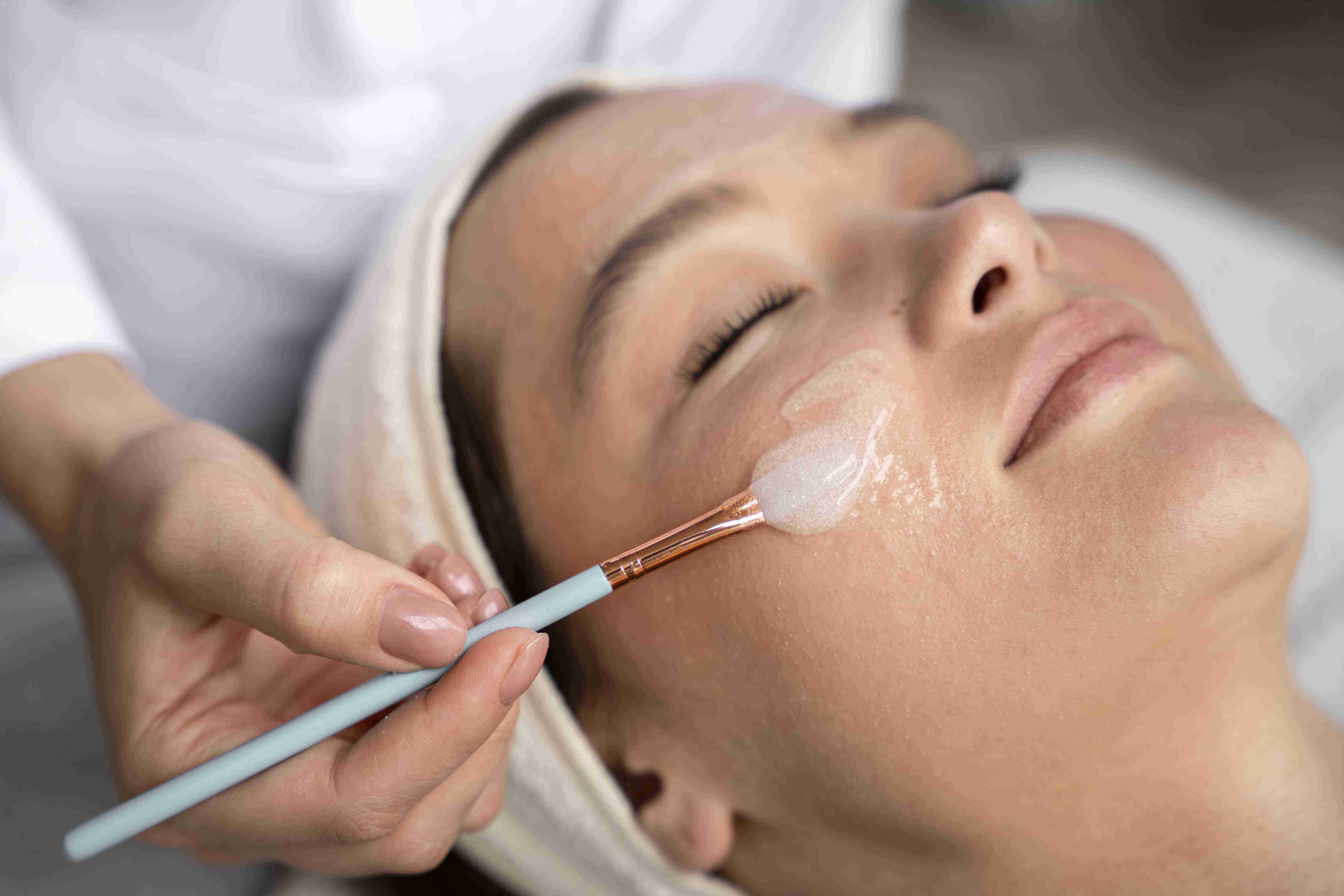
Treating Acne with Medium to Deep Chemical Peels
Surgical technique at Claire Derma is selected based on the condition and the patient's long-term needs. For recurrent ingrown toenails, partial nail avulsion with phenol matricectomy is our standard approach — the offending lateral strip of nail is removed, and liquefied phenol is applied to the corresponding matrix horn to destroy the germinal cells permanently.
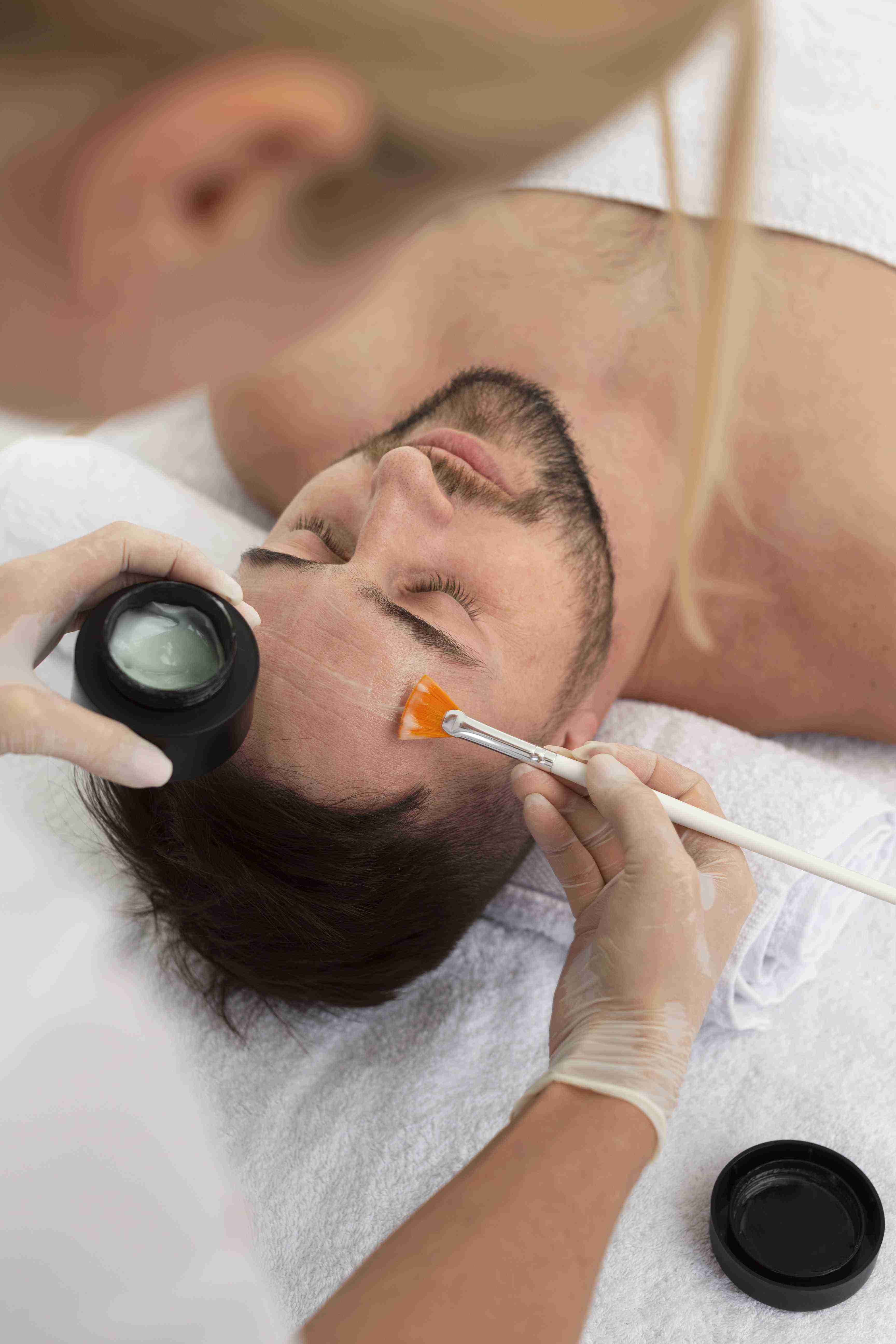
Benefits of Medium to Deep Peels for Acne
Professional nail surgery at Claire Derma resolves conditions that topical treatments and repeated GP visits cannot fix. Patients with recurrent ingrown toenails often endure months of antibiotics, warm soaks, and temporary relief before being referred for surgery that should have been offered earlier.
Ideal Candidates for the Treatment
This treatment is ideal for individuals who:
Post-operative care for nail surgery at Claire Derma is straightforward but must be followed carefully to ensure clean healing. After phenol matricectomy, the toe is dressed with a non-adherent pad and tubular bandage. The wound produces a serous discharge for two to four weeks as the phenol-treated matrix heals by secondary intention — this is normal and expected.
The Treatment Process
01
Consultation & Skin Analysis
The dermatologist assesses acne severity and selects the best peel formulation. Your dermatologist examines the nail unit, grades the severity of the condition, and reviews your medical history including diabetes status and circulation. Dermoscopy and cultures are performed if needed.
02
Preparation
The skin is cleansed, and protective measures are taken for sensitive areas. The digit is cleaned with antiseptic solution. A digital ring block is administered using plain lidocaine — adrenaline is avoided in digital blocks to protect blood supply to the finger or toe.
03
Peel Application
A customized medium or deep peel solution is applied for controlled penetration. The nail or nail segment is avulsed using an elevator and haemostat. For ingrown nails, phenol is applied to the exposed matrix for two to three minutes and neutralised with alcohol.
04
Neutralization & Post-Treatment Care
The peel is neutralized, and a soothing recovery serum is applied. Daily dressing changes begin 24 hours after surgery — warm salt water soak, antiseptic ointment, and fresh non-adherent dressing. A review at two weeks assesses healing and manages any granulation tissue. The wound heals by secondary intention over four to six weeks.
Expected Results & Recovery

Visible improvements after one session, with further refinement over multiple treatments.
Fewer blemishes, reduced scarring, and an even complexion.
Expect peeling and skin sensitivity for 5–7 days.
With proper maintenance, results can last several months.
Got Questions?We've Got Answers
Find answers to the most common questions about our treatments, procedures, and recovery process. If you can't find what you're looking for, our support team is always here to help.
Typically, 3–6 sessions, spaced 4–6 weeks apart, yield the best results.
Patients may feel a warm or stinging sensation, but discomfort is manageable.
Peeling and flaking can last between 5–10 days, depending on peel strength.
It significantly reduces acne and breakouts, but maintenance treatments and a proper skincare routine are essential.
Sun exposure must be strictly avoided for at least a week, and broad-spectrum sunscreen is mandatory.
A digital ring block using plain lidocaine is injected at the base of the affected finger or toe. The injection itself stings for a few seconds, after which the entire digit goes completely numb. Patients feel no pain during the procedure. Post-operative discomfort is typically mild — most patients manage it with paracetamol or ibuprofen for the first two to three days.
After partial nail avulsion with phenol matricectomy, the nail is permanently narrower by two to three millimetres on the treated side. Most patients find this cosmetically acceptable — the remaining nail looks natural and proportional, and the narrow gap at the side is barely noticeable. The treated lateral groove heals as a smooth skin fold.
Phenol matricectomy has a success rate above ninety-five percent for preventing regrowth of the treated nail edge. In rare cases — typically less than five percent — a small spicule of nail may regrow from surviving matrix cells and require a repeat procedure. Factors that increase recurrence risk include incomplete phenol application and active infection at the time of surgery.
Desk-based work can resume the next day, though elevating the foot under the desk improves comfort. Physically active jobs may require three to five days off depending on the extent of the procedure. Open-toed shoes or loose trainers are recommended for the first two to three weeks. Closed shoes can usually be worn comfortably from week three onwards.