


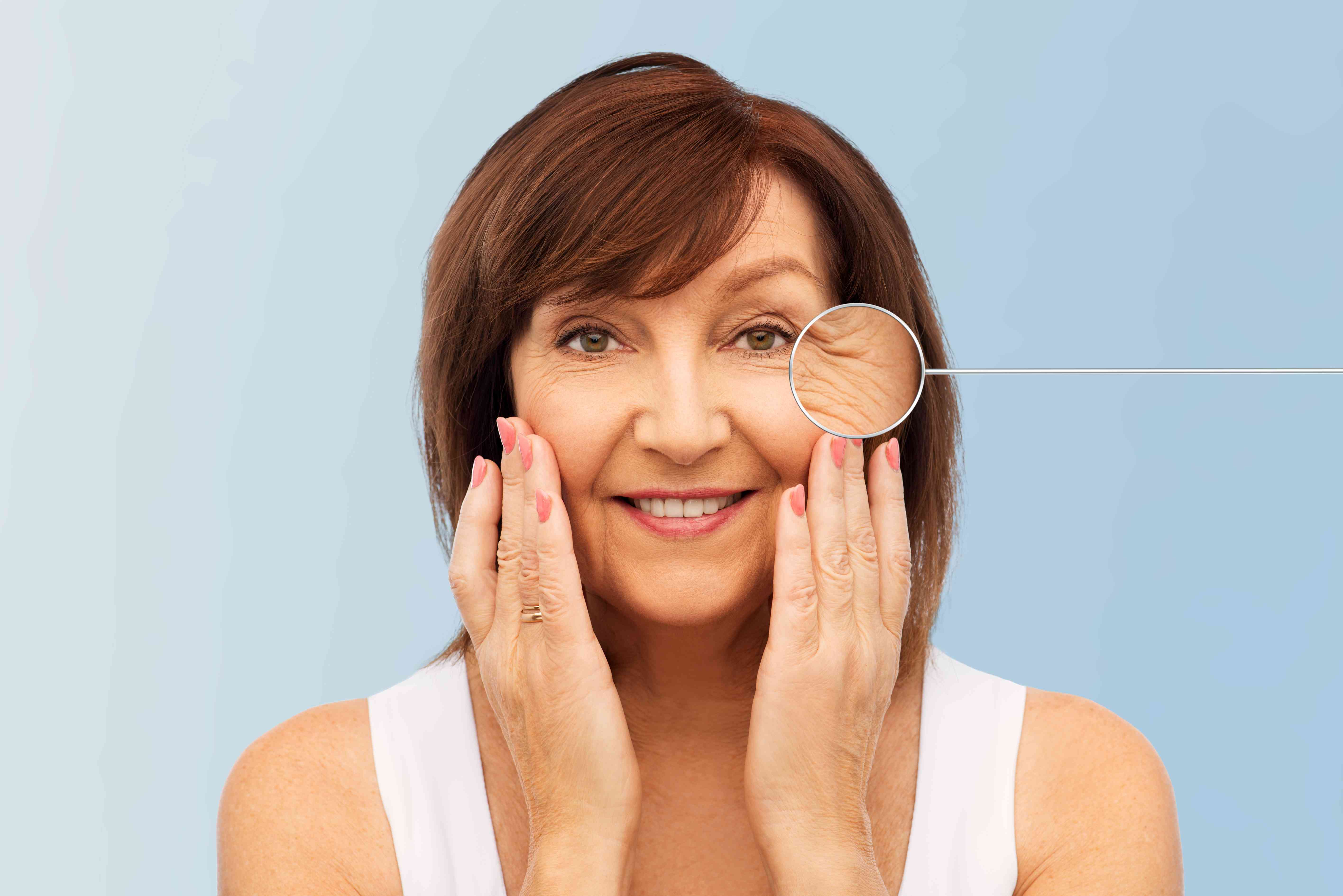


Electrolyte-Infused Skincare: Why Minerals Matter for Healthy, Glowing Skin
Discover how electrolyte-infused skincare supports hydration, barrier repair, and glowing skin. Learn about key minerals like magnesium, potassium, and calcium.
Read article

Nail avulsion is a minor surgical procedure where part or the entire nail plate is removed. It is done when the nail is severely infected, thickened, damaged, or causing persistent pain that does not improve with medicines.

At ClairéDerma, nail avulsion is performed under local anesthesia to ensure comfort. Dermatologists may use:
Detailed nail and skin examination
Local anesthesia to numb the finger or toe
Partial or complete nail removal
Cleaning of the nail bed
Medication or dressing to promote healing

Relief from chronic pain and pressure
Effective treatment for stubborn nail infections
Allows healthy nail regrowth
Prevents repeated inflammation
Quick outpatient procedure

Severe fungal nail infections
Thick, deformed, or damaged nails
Recurrent ingrown nails
Painful nail conditions not responding to treatment
Nail trauma cases
Diagnosis and decision on partial or full removal.
Finger or toe is numbed and cleaned.
Affected portion or full nail is gently removed.
Cleaning and application of medication or dressing.
Monitoring healing and nail regrowth.
Mild discomfort may occur for a few days. The area heals gradually, and a new nail may take months to regrow fully.


Treatment for nail surgical procedures at our Noida and Greater Noida clinics.
Treatment for benign skin lesion removal at our Noida and Greater Noida clinics.

Treatment for cyst & abscess surgery at our Noida and Greater Noida clinics.
Discover how electrolyte-infused skincare supports hydration, barrier repair, and glowing skin. Learn about key minerals like magnesium, potassium, and calcium.
Read article
Find out how the skinminimalism trend can make your skincare routine easier in 2025. Find out how using fewer products that do more than one thing can help your skin, save you money, and make you less irritated.
Read article
Discover how chemical peels can transform your skin. Learn about different types, benefits, and aftercare tips for the best results.
Read articleFind answers to the most common questions about our treatments, procedures, and recovery process. If you can't find what you're looking for, our support team is always here to help.
7 questions
The procedure is painless due to anesthesia; mild soreness afterward is manageable.
In most cases, yes, unless the nail root is intentionally treated to stop regrowth.
Fingernails take a few months; toenails may take 6-12 months.
Yes, but loose footwear is advised initially.
No, it is also done for trauma, deformities, or chronic ingrown nails.
Proper wound care and medication reduce this risk.
Normal activities can resume soon, avoiding pressure on the area.