
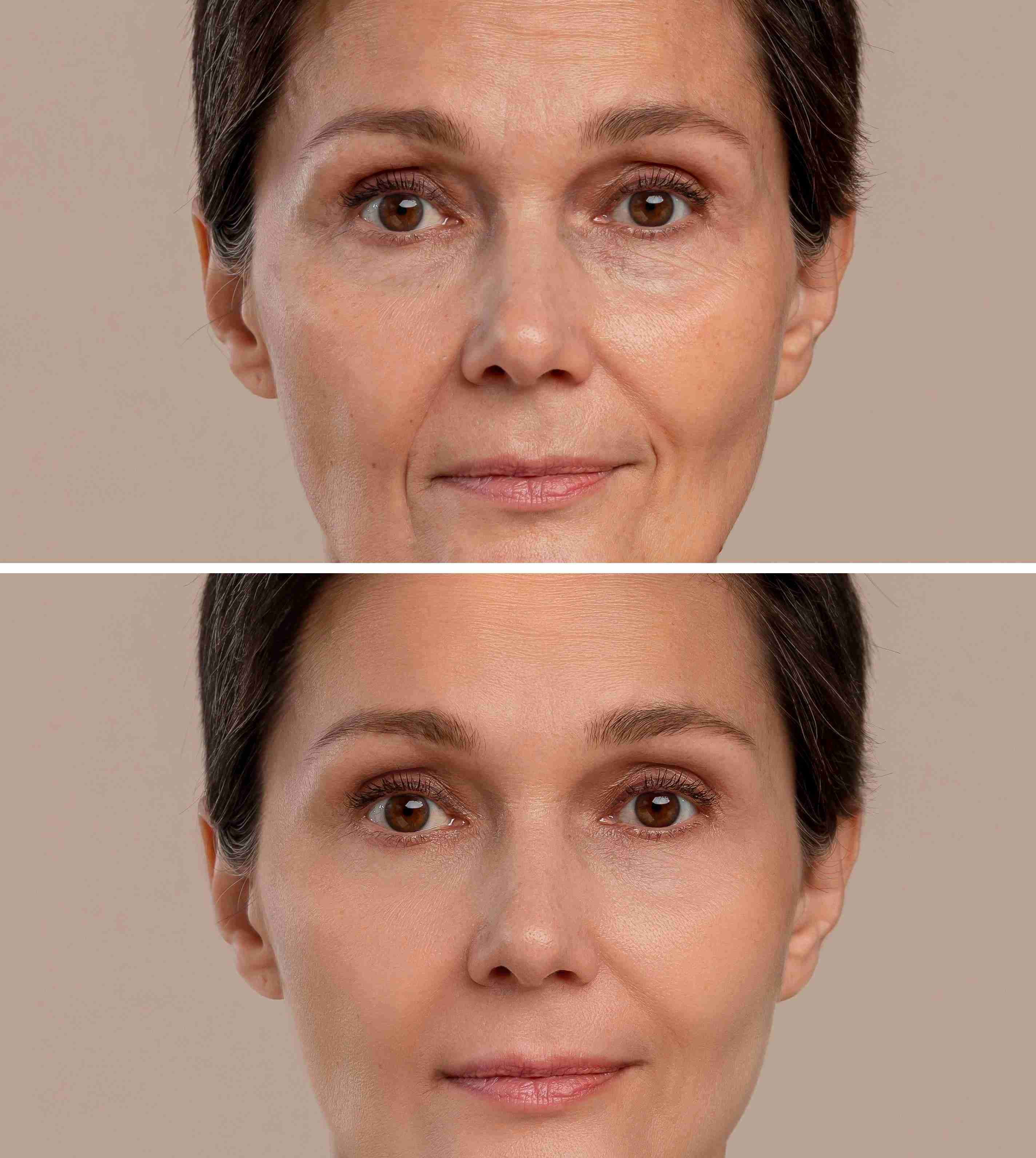
Introduction to Neurotoxin (Botox) Injections
Aging causes fine lines and wrinkles due to collagen depletion, repetitive facial movements, and loss of skin elasticity. Neurotoxin injections, commonly known as Botox, offer a non-surgical and highly effective solution to smooth wrinkles and restore a youthful, refreshed appearance. By temporarily relaxing specific facial muscles, Botox helps reduce dynamic wrinkles, preventing them from becoming deeper while maintaining natural expressions.
Neurotoxin injections — most commonly botulinum toxin type A (Botox, Dysport, or Xeomin) — work by temporarily blocking the release of acetylcholine at the neuromuscular junction. This interrupts the nerve signal that tells specific facial muscles to contract, relaxing the dynamic wrinkles those muscles create. At Claire Derma, our dermatologists use neurotoxin to treat forehead lines, frown lines (glabellar complex), crow's feet, and other expression-driven wrinkles that deepen with repeated muscle movement over years.
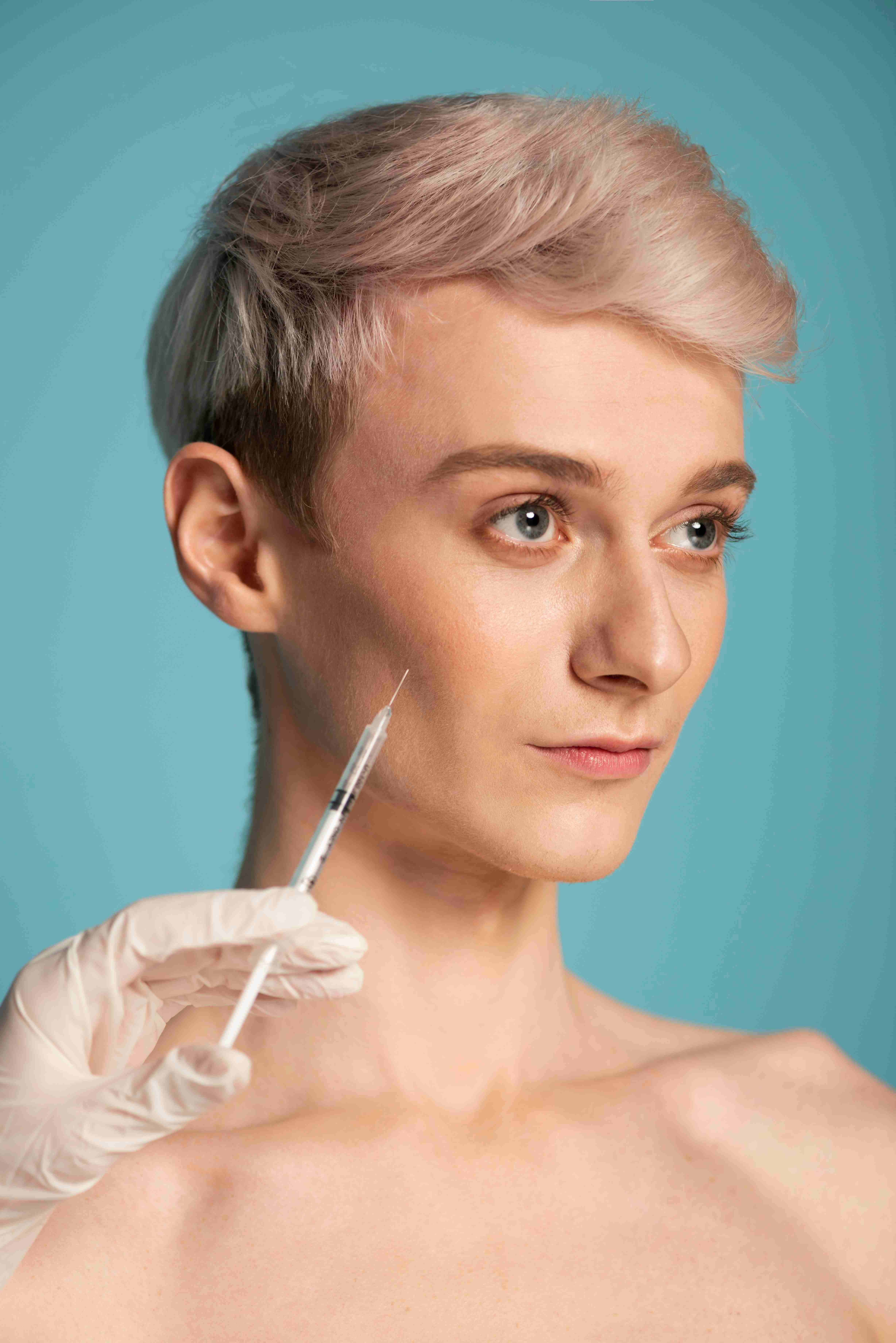
How Botox Works
Botox is a purified neurotoxin that works by blocking nerve signals to the muscles, preventing them from contracting excessively. This results in:

Understanding the specific muscles involved in facial aging is what separates a skilled neurotoxin treatment from a generic one. The frontalis muscle creates horizontal forehead lines when you raise your eyebrows. The corrugator supercilii and procerus muscles produce the vertical frown lines between the brows. The orbicularis oculi muscle contracts to form crow's feet when you smile or squint.
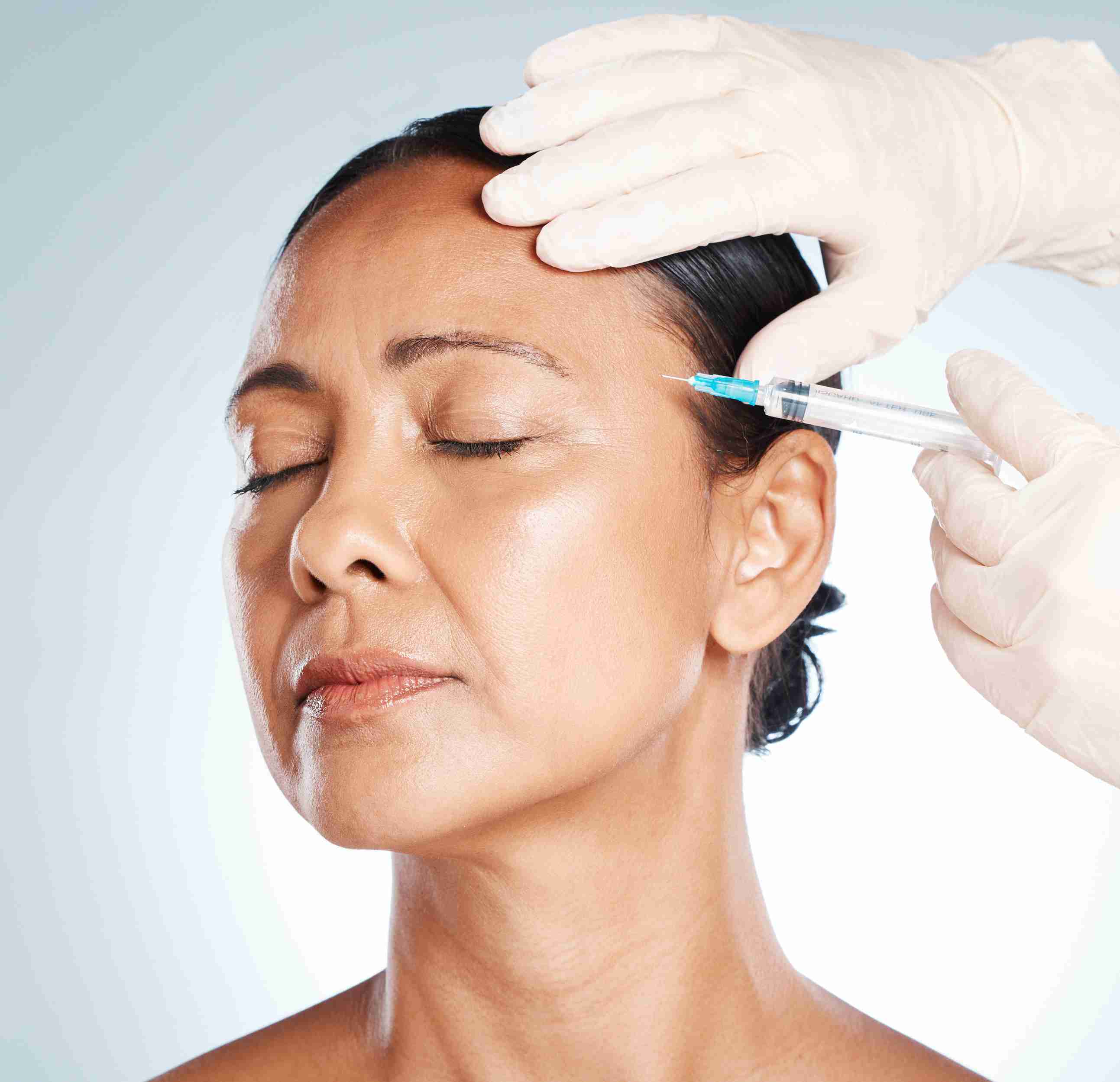
Reversing Signs of Aging with Botox
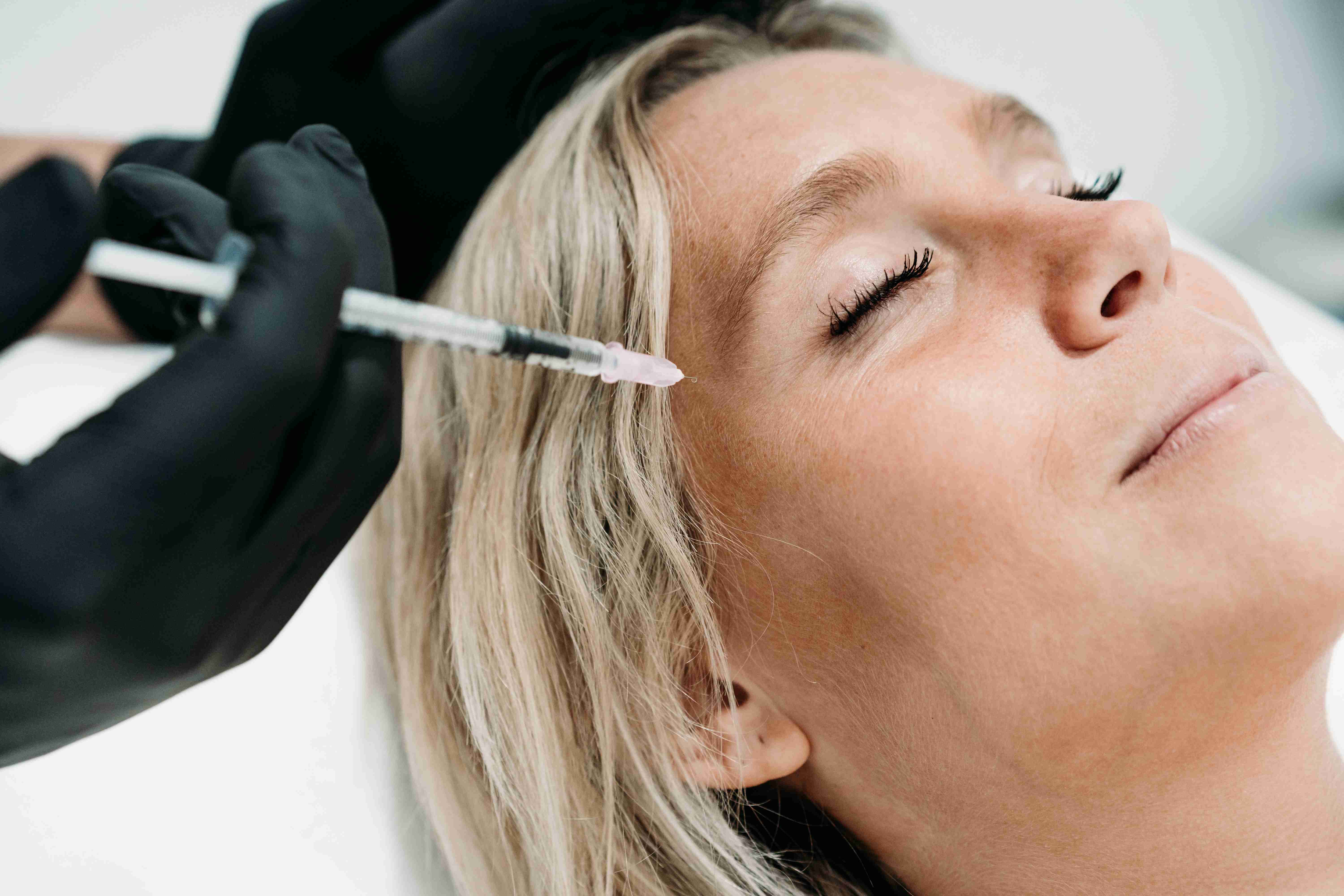
A neurotoxin session at Claire Derma is fast and precise — the injection phase itself takes ten to fifteen minutes. Your dermatologist marks the planned injection sites with a surgical marker while you make a series of facial expressions to confirm muscle activity.

Benefits of Botox Anti-Wrinkle Injections
Neurotoxin injections offer a prevention benefit that goes beyond simply treating existing wrinkles. Repeated muscle contraction gradually etches dynamic wrinkles into static lines — creases visible even when the face is at rest. By relaxing these muscles early, neurotoxin prevents the progressive deepening of expression lines over time.
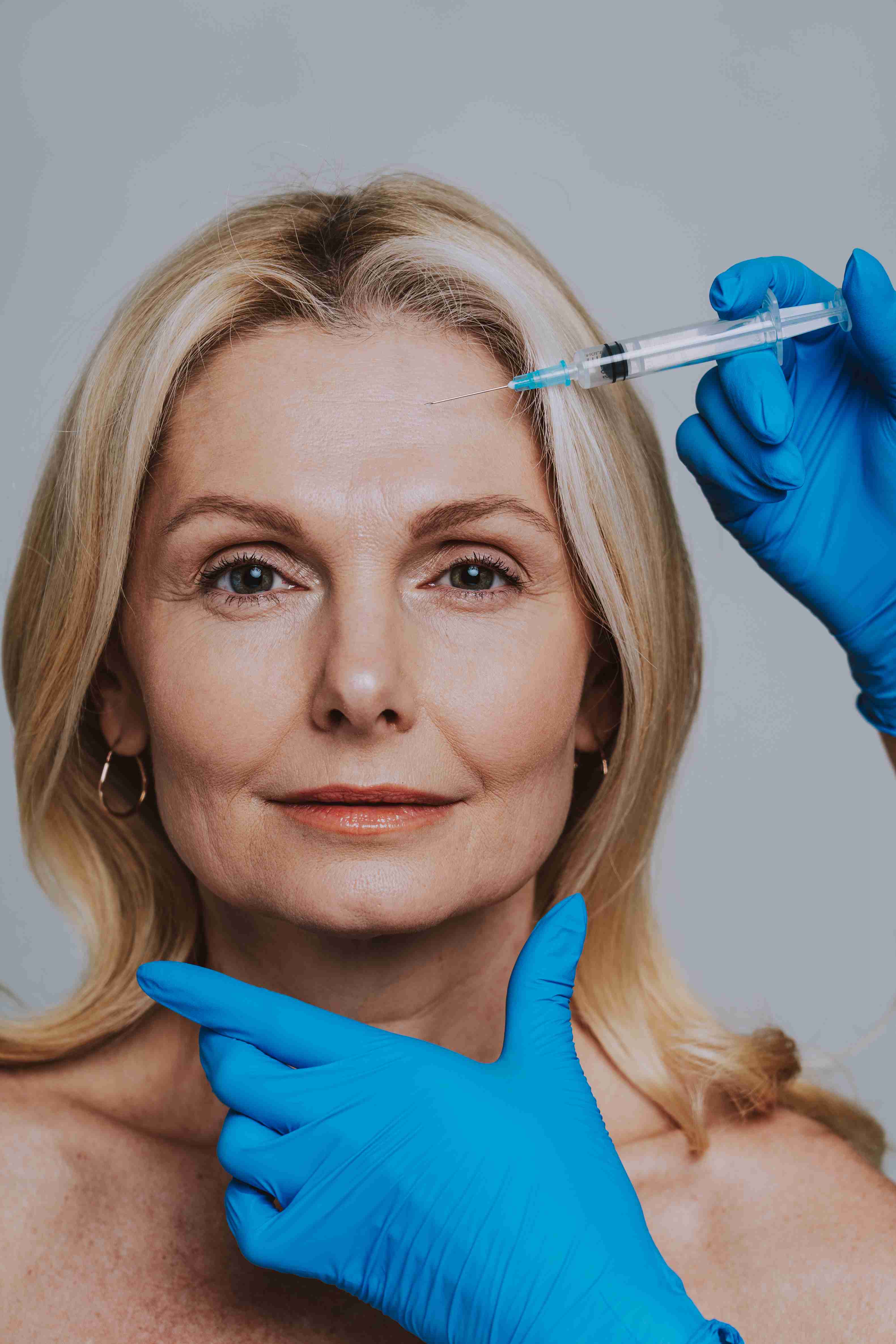
Ideal Candidates for Botox Injections
This treatment is ideal for individuals who:
Results from neurotoxin injections begin to appear within three to five days, with full effect reached at ten to fourteen days. At Claire Derma, we advise patients to avoid rubbing or massaging the treated areas for four hours post-injection, as pressure can cause the neurotoxin to migrate to unintended muscles. Strenuous exercise, saunas, and lying face-down should be avoided for 24 hours.
The Treatment Process
01
Consultation & Facial Analysis
The dermatologist assesses wrinkle severity and muscle activity. Your dermatologist examines your facial anatomy during rest and active expression. We identify the specific muscle groups driving your wrinkles, assess skin thickness, and determine the ideal unit count for each area.
02
Preparation
The targeted areas are cleansed, and numbing cream may be applied if necessary. Injection sites are marked on your skin using a fine surgical marker while you hold specific expressions. The treatment area is cleaned with antiseptic. If desired, ice is applied briefly for comfort.
03
Precise Injections
Small amounts of Botox are injected using a fine needle into targeted muscles. Using a 30 or 32-gauge needle, exact unit doses are injected at each marked point — typically five points for glabellar, four to eight for forehead, and two to four per side for crow's feet. The entire injection process takes ten to fifteen minutes.
Expected Results & Recovery

Wrinkle reduction is noticeable within a few days.
Full effects appear in about two weeks.
No downtime, making it ideal for busy lifestyles.
Results last 3–6 months, with follow-up treatments maintaining the effects.
Mild redness or swelling may occur, but this resolves within a few hours.
Got Questions?We've Got Answers
Find answers to the most common questions about our treatments, procedures, and recovery process. If you can't find what you're looking for, our support team is always here to help.
Initial results appear in 3–5 days, with full results visible in 10–14 days.
No, when performed correctly, Botox preserves natural facial expressions while smoothing wrinkles.
Results typically last 3–6 months, with maintenance treatments recommended.
Discomfort is minimal, often compared to a tiny pinch. A numbing cream can be applied if needed.
Possible redness, swelling, or mild bruising, which resolves within a few hours.
Yes, Botox pairs well with dermal fillers, PRP, or skin boosters for enhanced anti-aging results.
Individuals who are pregnant, breastfeeding, or have neuromuscular disorders should avoid this treatment.
Not when properly dosed and placed. The frozen look comes from over-treatment — injecting too many units or treating muscles that should retain movement. At Claire Derma, our dermatologists use precise unit dosing and strategic injection placement to relax wrinkle-causing muscles while preserving the natural facial movements that convey emotion.
All three contain botulinum toxin type A and work by the same mechanism — blocking acetylcholine release at the neuromuscular junction. They differ in their protein formulations and diffusion characteristics. Botox and Dysport contain complexing proteins around the toxin molecule, while Xeomin is a purified toxin without them.
There is no fixed age — it depends on when dynamic wrinkles start bothering you or when prevention makes sense for your muscle activity pattern. At Claire Derma, we commonly start seeing patients for preventive neurotoxin in their late twenties to early thirties, when frown lines or forehead creases first become noticeable during expression.
Long-term safety data spanning over twenty years shows that regular neurotoxin use at cosmetic doses is well-tolerated with no cumulative systemic effects. The most common long-term change is gradual muscle atrophy in the treated area — which is actually desirable, as it can reduce the dose needed over time and extend intervals between treatments.