
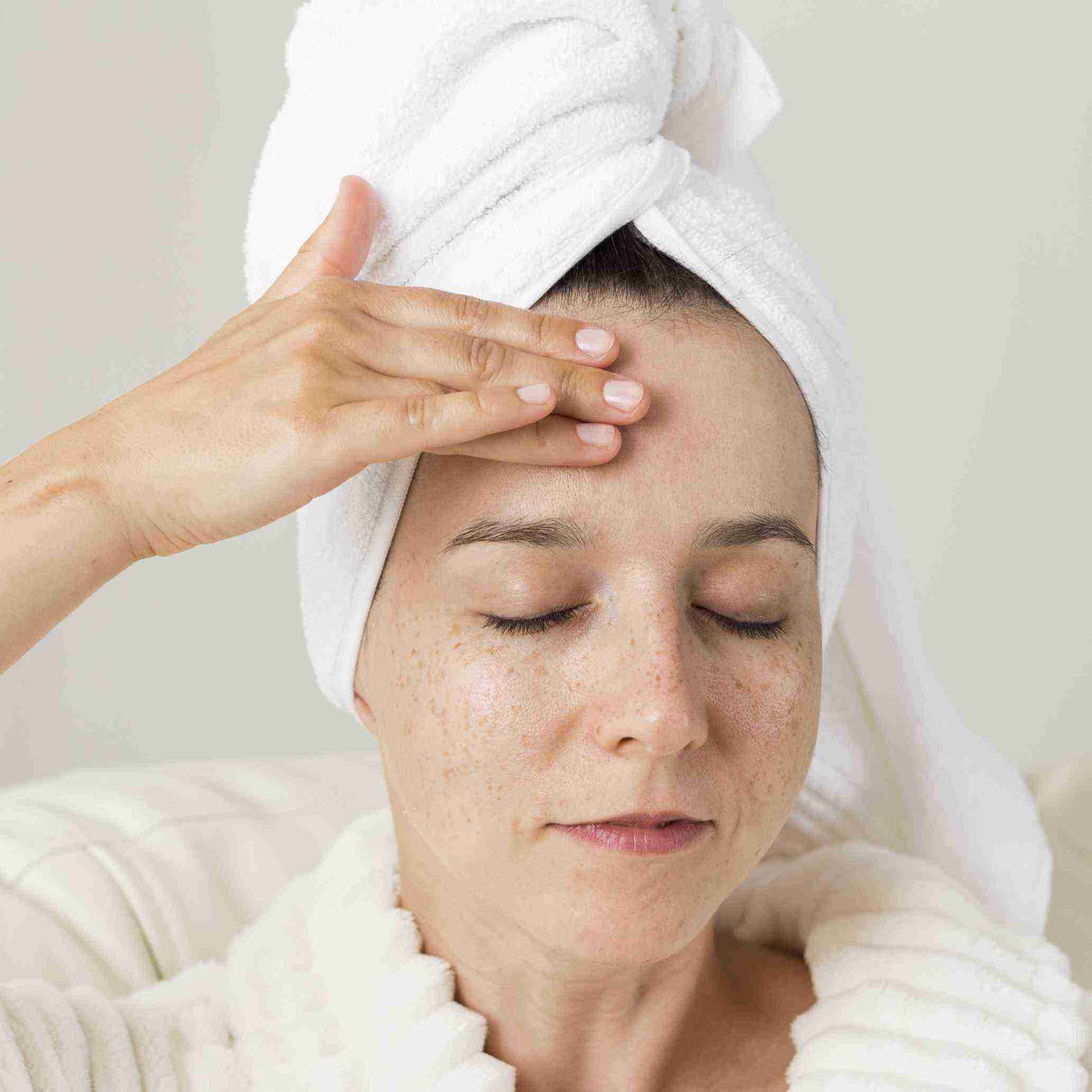
Introduction to PRP Therapy for Alopecia Areata
Alopecia Areata is an autoimmune condition causing patchy hair loss. PRP Therapy effectively reduces inflammation and stimulates hair regrowth by promoting hair follicle regeneration.
Alopecia areata is an autoimmune condition where T-lymphocytes attack the hair follicle bulb, collapsing the immune privilege that normally shields growing follicles from the body's own defences. This produces the characteristic smooth, round patches of complete hair loss that can appear anywhere on the scalp.
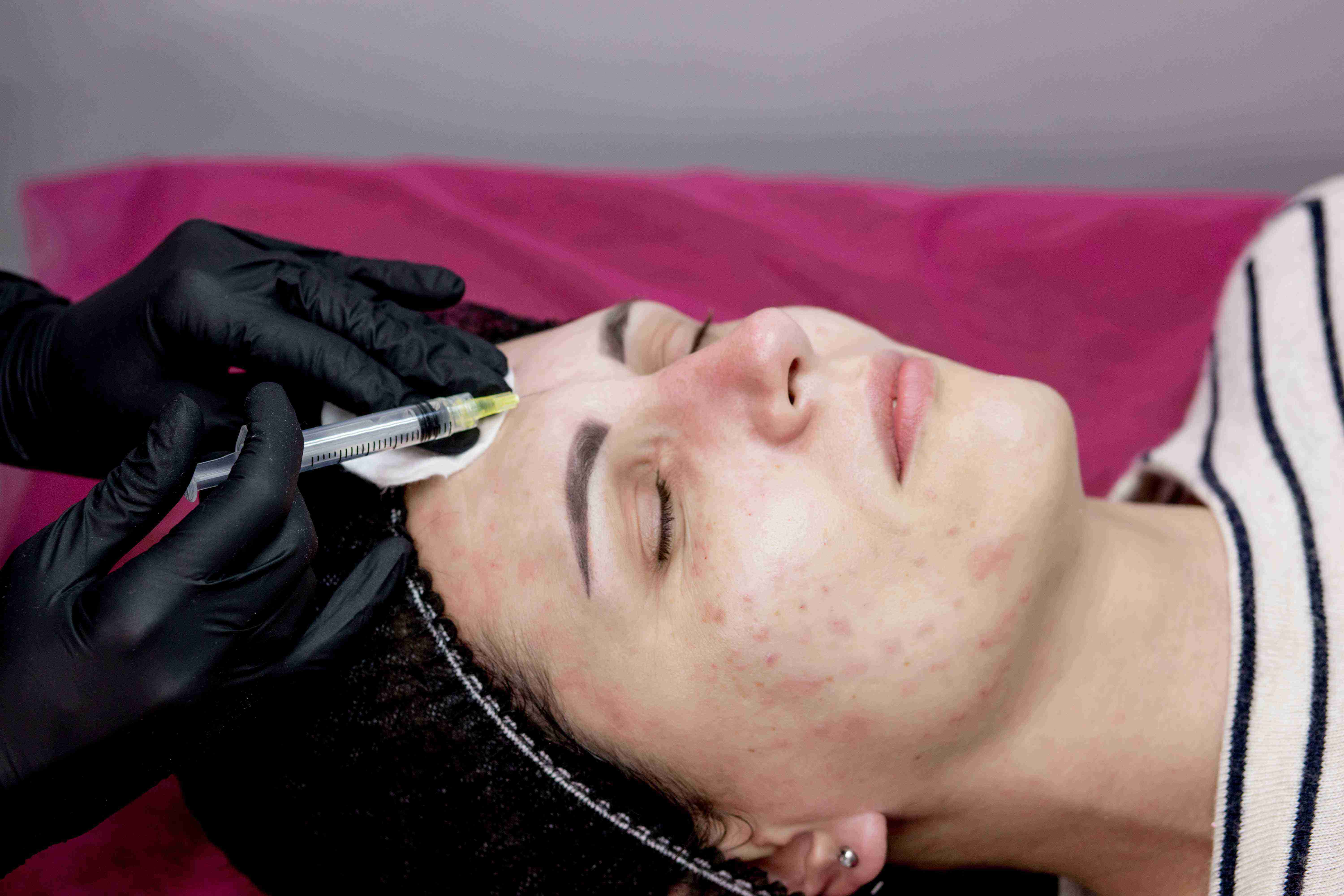
How PRP Therapy Works
This treatment targets acne and skin congestion by:

The clinical presentation of alopecia areata varies widely, from a single coin-sized patch to multiple confluent areas covering large portions of the scalp. At Claire Derma, our trichologists assess the extent, activity, and duration of your patches before recommending PRP as a standalone treatment or as part of a broader management plan.
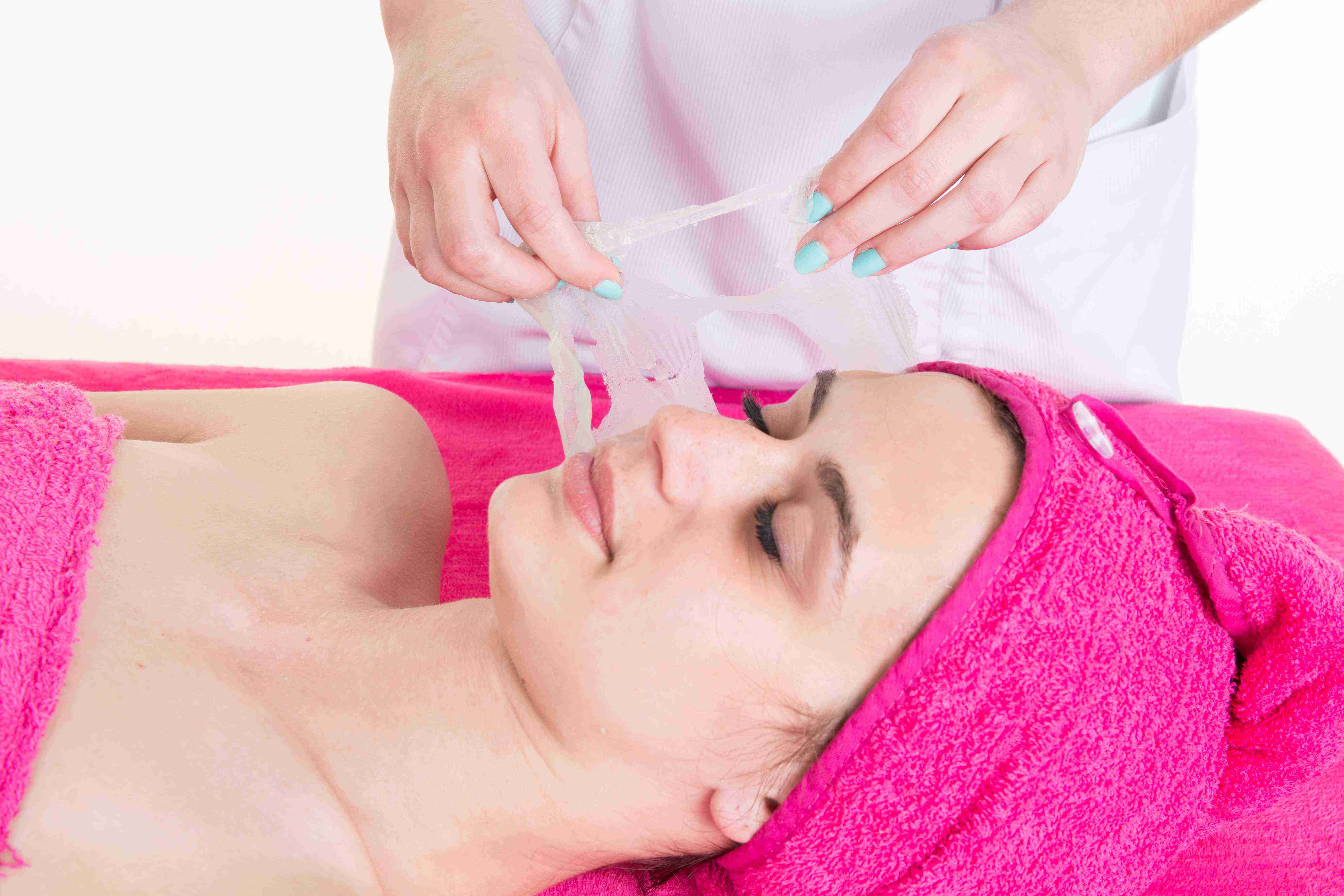
Treating Alopecia Areata with PRP Therapy
PRP preparation for alopecia areata at Claire Derma follows the same rigorous double-spin centrifuge protocol used across all our trichology treatments, yielding four to six times baseline platelet concentration. However, the injection strategy differs from androgenetic alopecia.
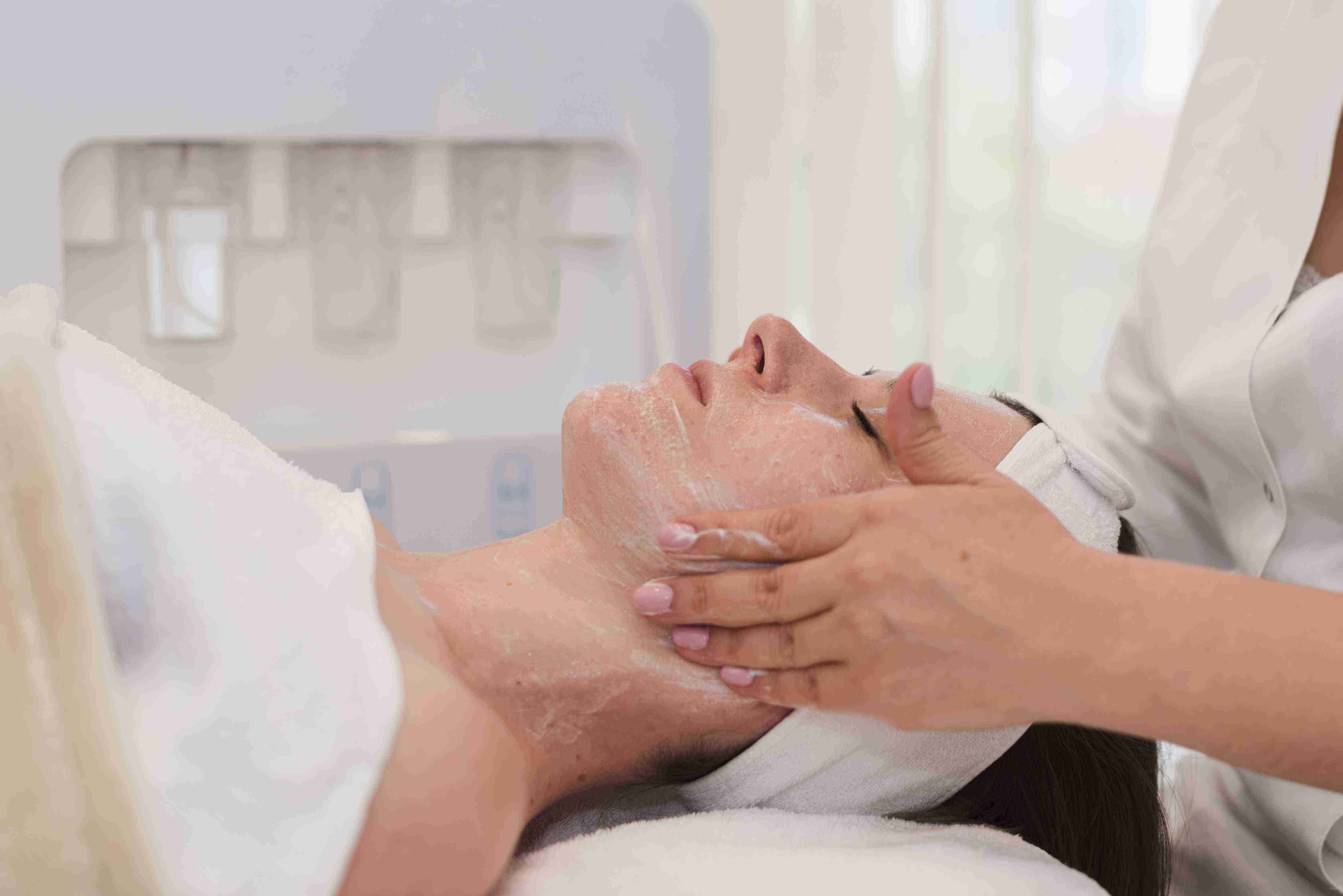
Benefits of PRP Therapy for Alopecia Areata
PRP therapy offers distinct advantages for alopecia areata patients at Claire Derma, particularly those concerned about the long-term side effects of systemic immunosuppressants. Oral JAK inhibitors and corticosteroid courses carry metabolic and immunological risks that some patients prefer to avoid.
Ideal Candidates for the Treatment
This treatment is ideal for individuals who:
Post-treatment care after PRP for alopecia areata at Claire Derma is straightforward. Expect mild redness and tenderness at the injection sites for 24 to 48 hours. You can wash your hair the next morning with a gentle, sulphate-free shampoo. Avoid applying topical steroids to treated patches for at least 48 hours so the PRP growth factors have time to bind to follicular receptors without interference.
The Treatment Process
01
Consultation & Skin Analysis
The dermatologist assesses acne severity and determines the best peel type. Our trichologist examines your patches using dermoscopy to assess activity signs such as exclamation-mark hairs, black dots, and yellow dots. We document patch size, location, and duration, then classify your condition on the SALT score.
02
Preparation
The skin is cleansed to remove oil and impurities before the treatment. We draw 20 to 40 ml of blood depending on the total patch area requiring treatment. The sample is processed through a double-spin centrifuge to achieve four to six times baseline platelet concentration.
03
Peel Application
A customized chemical peel is applied and left on for controlled exfoliation. Activated PRP is injected using 30-gauge needles at 0.5 to 1 cm intervals within each patch and along its margins, targeting a depth of 3 to 4 mm. Each injection deposits 0.05 to 0.1 ml of concentrate.
Expected Results & Recovery

Visible hair regrowth within 2–3 months.
Significant improvement after multiple sessions.
Reduction in new patch formation with consistent treatments.
No downtime required.
Mild redness or swelling may appear temporarily.
Normal activities can be resumed immediately.
Got Questions?We've Got Answers
Find answers to the most common questions about our treatments, procedures, and recovery process. If you can't find what you're looking for, our support team is always here to help.
Typically, 3–6 sessions spaced 2–4 weeks apart are recommended.
Chemical peels fade acne scars and dark spots, but deep scars may require microneedling or laser treatments for optimal results.
Most people experience a mild tingling or stinging sensation, but it is tolerable and subsides quickly.
It is recommended to wait at least 24–48 hours before applying makeup to avoid irritation.
Some individuals experience temporary purging before clearing up.
PRP does not cure alopecia areata because the underlying autoimmune predisposition remains. However, PRP can accelerate regrowth in existing patches and may help reduce recurrence by supporting follicular immune privilege restoration. At Claire Derma, we use PRP as part of a long-term management strategy rather than a one-time cure.
The main difference is the injection strategy and treatment goals. In androgenetic alopecia, PRP is distributed across a broad thinning zone to thicken miniaturised follicles. For alopecia areata, our trichologists concentrate injections within and around specific patches to modulate local immune activity and reactivate dormant follicles.
PRP works best for patchy alopecia areata with limited involvement, typically under 50 percent of the scalp. Extensive disease — alopecia totalis or universalis — generally requires systemic immunomodulatory treatment as the primary approach.
Most patients at Claire Derma undergo four to six sessions spaced three to four weeks apart for the initial treatment course. Small, recent-onset patches may show vellus regrowth after just two sessions, while larger or chronic patches typically need the full series before visible terminal hair appears.