
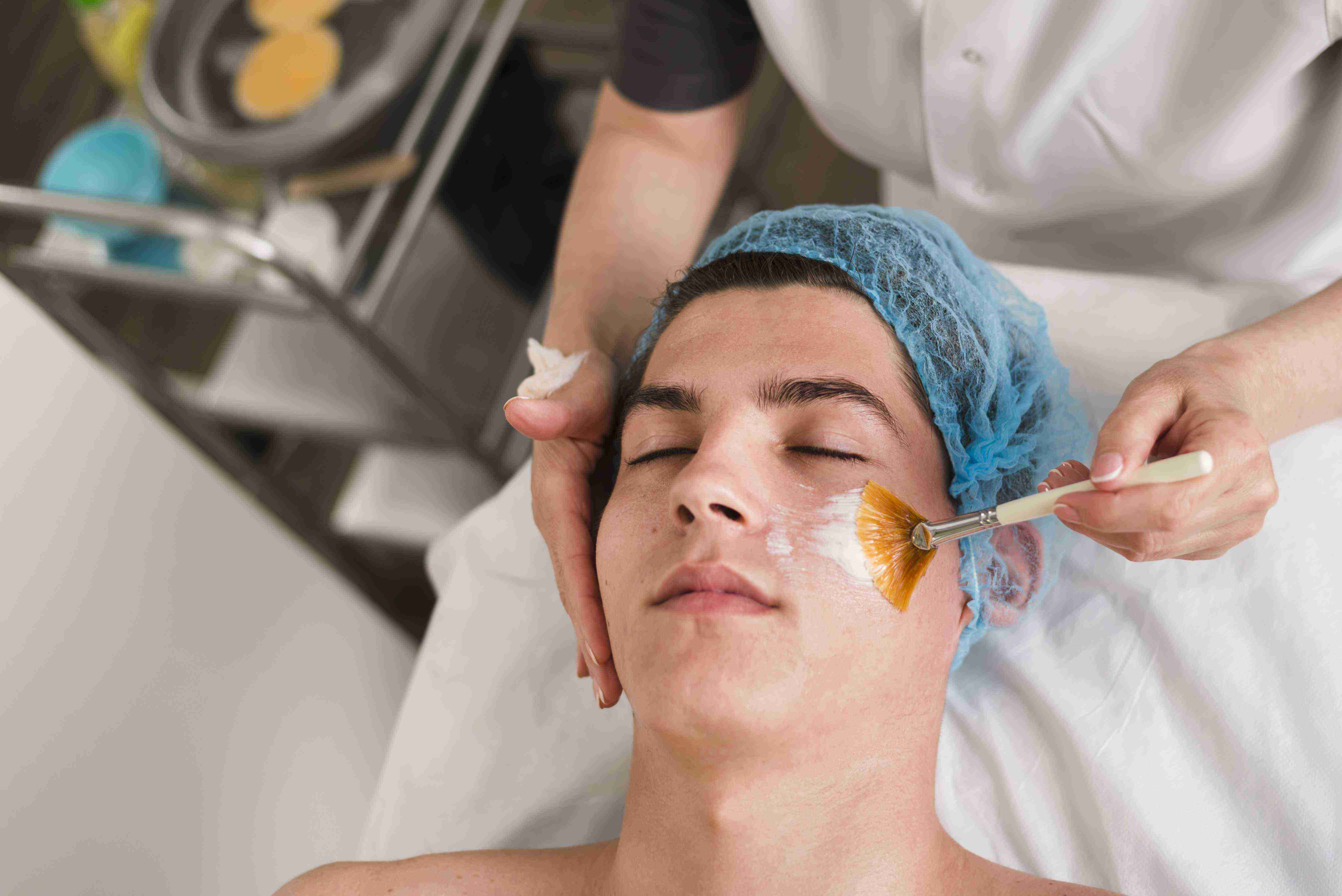
Introduction to PRP Therapy for Androgenetic Alopecia
Platelet-Rich Plasma (PRP) Therapy is an advanced, non-surgical treatment that stimulates natural hair regrowth by using the patient’s own growth factors. It effectively treats androgenetic alopecia, improving hair density and reducing hair thinning.
Androgenetic alopecia is driven by dihydrotestosterone binding to androgen receptors in genetically susceptible follicles, progressively miniaturising them until they produce only fine vellus hairs. PRP therapy at Claire Derma targets this process by delivering a concentrated dose of autologous growth factors — including PDGF, VEGF, and EGF — directly into the dermal papillae of thinning areas.
How PRP Therapy Works
PRP therapy works by utilizing the patient's own growth factors to:

The pattern of hair loss in androgenetic alopecia follows a predictable trajectory — frontal recession and vertex thinning in men, diffuse crown thinning in women — and each zone responds differently to PRP. At Claire Derma, our trichologists map your scalp using dermoscopy to identify areas with the highest ratio of miniaturised to terminal hairs.
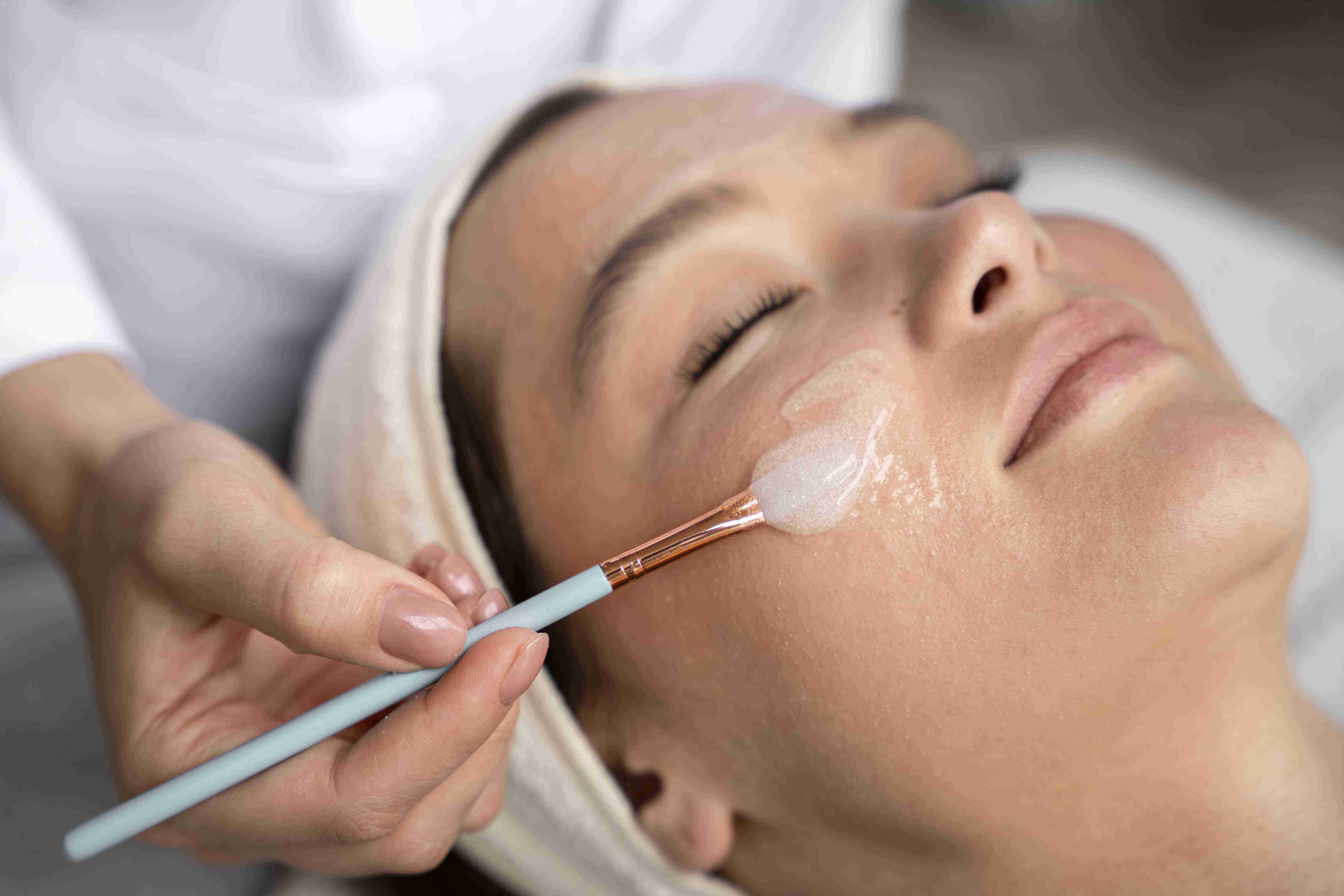
Treating Androgenetic Alopecia with PRP Therapy
At Claire Derma, our PRP preparation for androgenetic alopecia uses a double-spin centrifuge protocol. The first spin at 1,500 rpm separates red blood cells from platelet-poor and platelet-rich layers. The second spin at 2,500 rpm concentrates the platelet layer to achieve four to six times the baseline count in approximately 5 to 7 ml of injectable plasma.
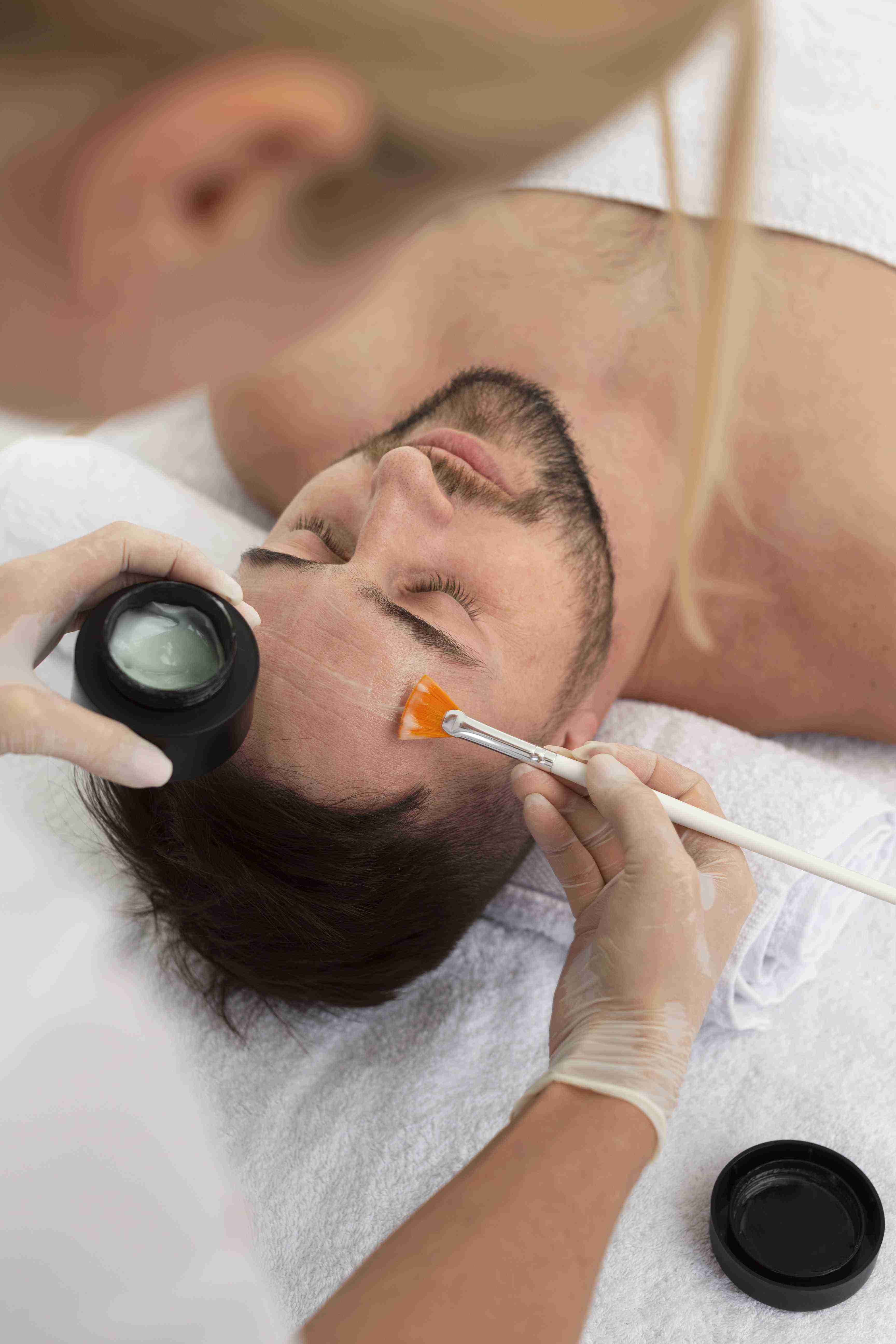
Benefits of PRP Therapy for Androgenetic Alopecia
PRP therapy for androgenetic alopecia at Claire Derma offers several advantages over pharmacological treatments alone. Because the preparation comes from your own blood, there is no risk of allergic reaction or systemic side effects like those associated with oral finasteride.
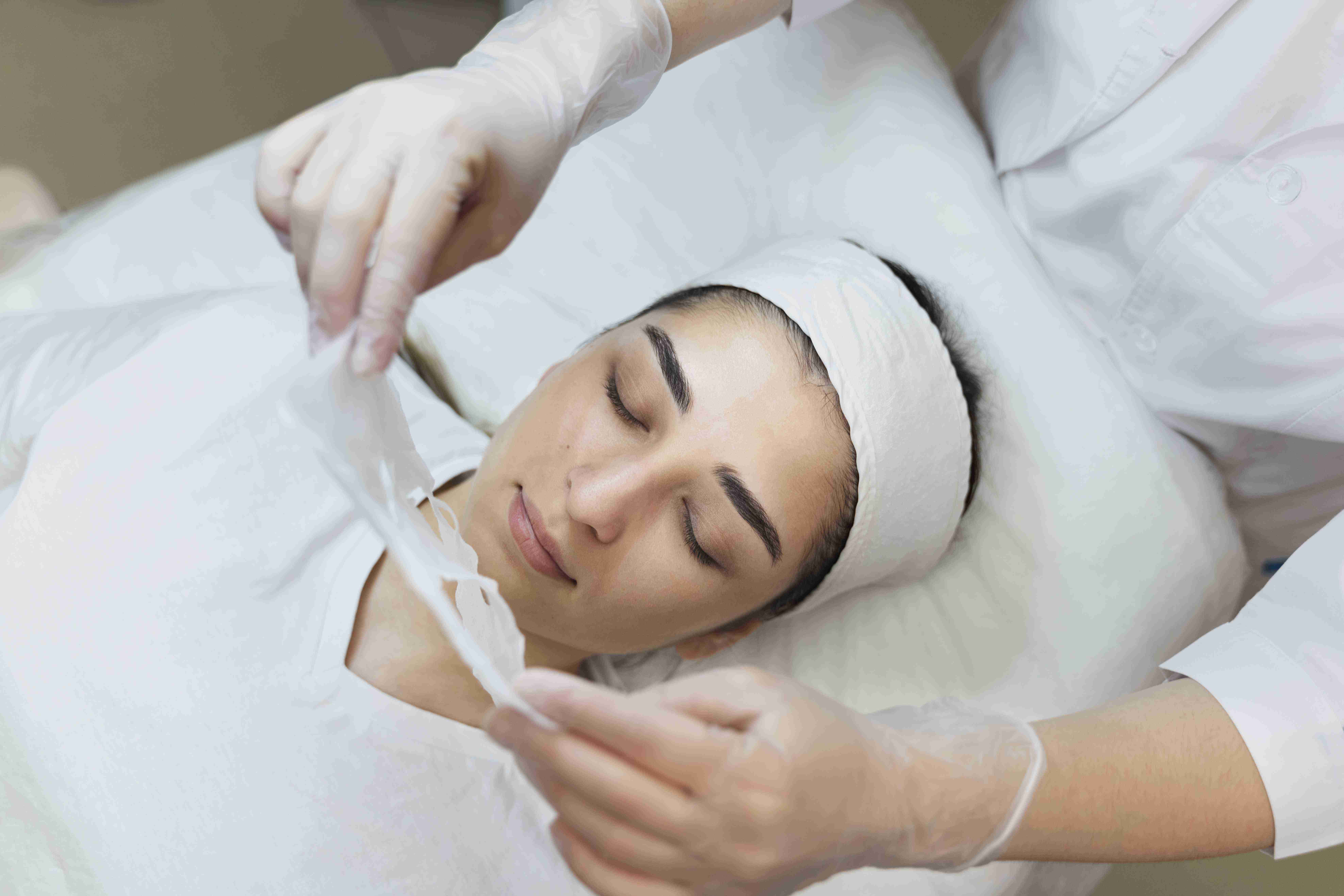
Ideal Candidates for the Treatment
This treatment is ideal for individuals who:
After PRP treatment for androgenetic alopecia at Claire Derma, you may experience mild scalp soreness and occasional pinpoint bruising at injection sites for one to two days. We advise avoiding vigorous scalp massage, harsh shampoos, and heat styling for 48 hours to allow the growth factors to remain concentrated in the treated tissue. You can wash your hair gently the following morning.
The Treatment Process
01
Consultation & Skin Analysis
The dermatologist assesses acne severity and selects the best peel formulation. Our trichologist examines your scalp with digital dermoscopy to classify your hair loss stage on the Norwood or Ludwig scale. We measure miniaturisation ratios and photograph treatment zones under standardised lighting.
02
Preparation
The skin is cleansed, and protective measures are taken for sensitive areas. A small blood draw of 20 to 30 ml is taken from your arm. The sample is processed using a double-spin centrifuge protocol — first at 1,500 rpm, then at 2,500 rpm — to isolate a platelet concentrate at four to six times baseline.
03
Peel Application
A customized medium or deep peel solution is applied for controlled penetration. Using 30-gauge needles, our trichologist injects 0.05 to 0.1 ml of activated PRP at 1 cm intervals across the mapped treatment zones, targeting a depth of 3 to 5 mm to reach the dermal papillae.
04
Neutralization & Post-Treatment Care
The peel is neutralized, and a soothing recovery serum is applied. You can leave the clinic immediately after treatment. Mild tenderness and occasional pinpoint bleeding resolve within 24 to 48 hours. We recommend avoiding harsh shampoos and heat styling for two days.
Expected Results & Recovery

Noticeable hair density improvement within 2–3 months.
Reduced hair fall and thicker hair strands after 3–6 sessions.
Ongoing improvement with maintenance treatments every 4–6 months.
Minimal downtime; most patients resume normal activities immediately.
Possible mild redness or tenderness at injection sites, resolving in 24–48 hours.
Got Questions?We've Got Answers
Find answers to the most common questions about our treatments, procedures, and recovery process. If you can't find what you're looking for, our support team is always here to help.
Typically, 3–6 sessions, spaced 4–6 weeks apart, yield the best results.
Patients may feel a warm or stinging sensation, but discomfort is manageable.
Peeling and flaking can last between 5–10 days, depending on peel strength.
It significantly reduces acne and breakouts, but maintenance treatments and a proper skincare routine are essential.
Sun exposure must be strictly avoided for at least a week, and broad-spectrum sunscreen is mandatory.
Clinical studies show PRP and minoxidil both improve hair density in androgenetic alopecia, but they work through different mechanisms. Minoxidil prolongs the anagen phase by opening potassium channels in follicular smooth muscle, while PRP delivers a concentrated mix of growth factors that stimulate dermal papilla cell proliferation and angiogenesis. At Claire Derma, many patients use both treatments together for a synergistic effect.
Most patients at Claire Derma report reduced shedding within four to six weeks of the first session, which is often the earliest sign that follicles are responding. Visible thickening and improved scalp coverage typically become apparent after the second or third treatment, around the two-to-three-month mark. Peak results develop over six to twelve months as treated follicles complete full growth cycles.
PRP is not a permanent cure for androgenetic alopecia because the underlying genetic sensitivity to DHT remains. Without maintenance sessions, follicles will gradually resume their miniaturisation trajectory. At Claire Derma, we recommend maintenance PRP every three to four months after the initial four-session course to sustain the gains.
The centrifuge protocol significantly impacts treatment quality. Poorly prepared PRP with low platelet concentrations delivers fewer growth factors and produces weaker results. At Claire Derma, we use a standardised double-spin technique that consistently achieves four to six times baseline platelet concentration, the range shown in research to produce optimal follicle stimulation. We verify the concentrate quality before each injection session.