
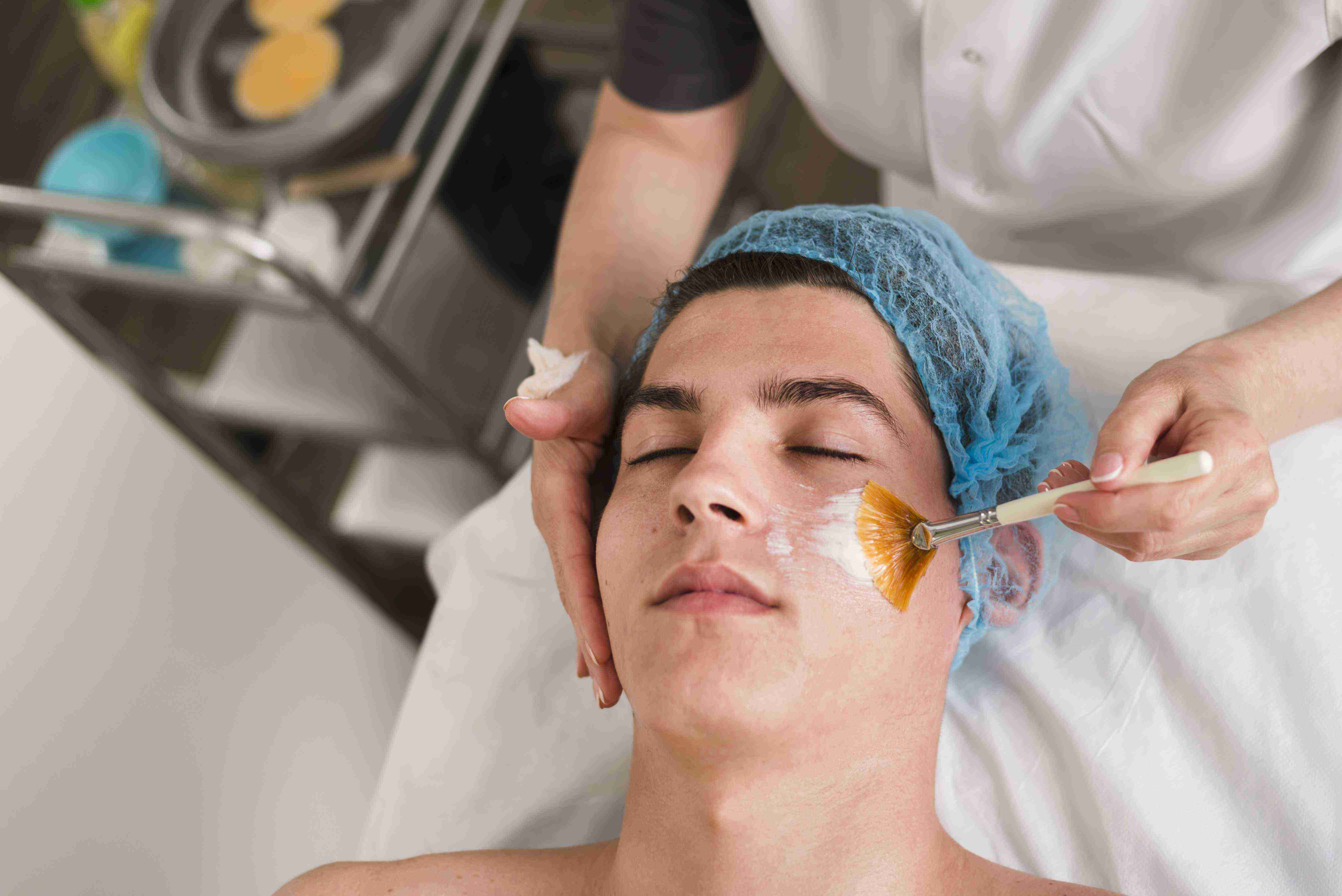
Introduction to Medium to Deep Chemical Peels
Acne can be persistent and difficult to manage, especially when it leads to scarring, inflammation, and deep breakouts. Medium to deep chemical peels offer an advanced treatment option that targets severe acne, clogged pores, and post-inflammatory hyperpigmentation. These peels penetrate deeper into the skin layers, effectively removing damaged skin cells, regulating oil production, and stimulating skin renewal for a clearer, smoother complexion. Medium to deep peels use stronger exfoliating agents such as trichloroacetic acid (TCA), phenol, or high-strength salicylic acid to reach the mid to lower dermis, making them effective for stubborn acne, deep scars, and long-term skin rejuvenation.
The carbon peel — often called the Hollywood Peel or Carbon Laser Facial — combines a liquid carbon lotion with Q-switched Nd:YAG laser energy at 1064 nm wavelength. A thin layer of medical-grade carbon is applied to the face, where its micro-particles settle into pores, bind to oil, dead skin cells, and surface debris.
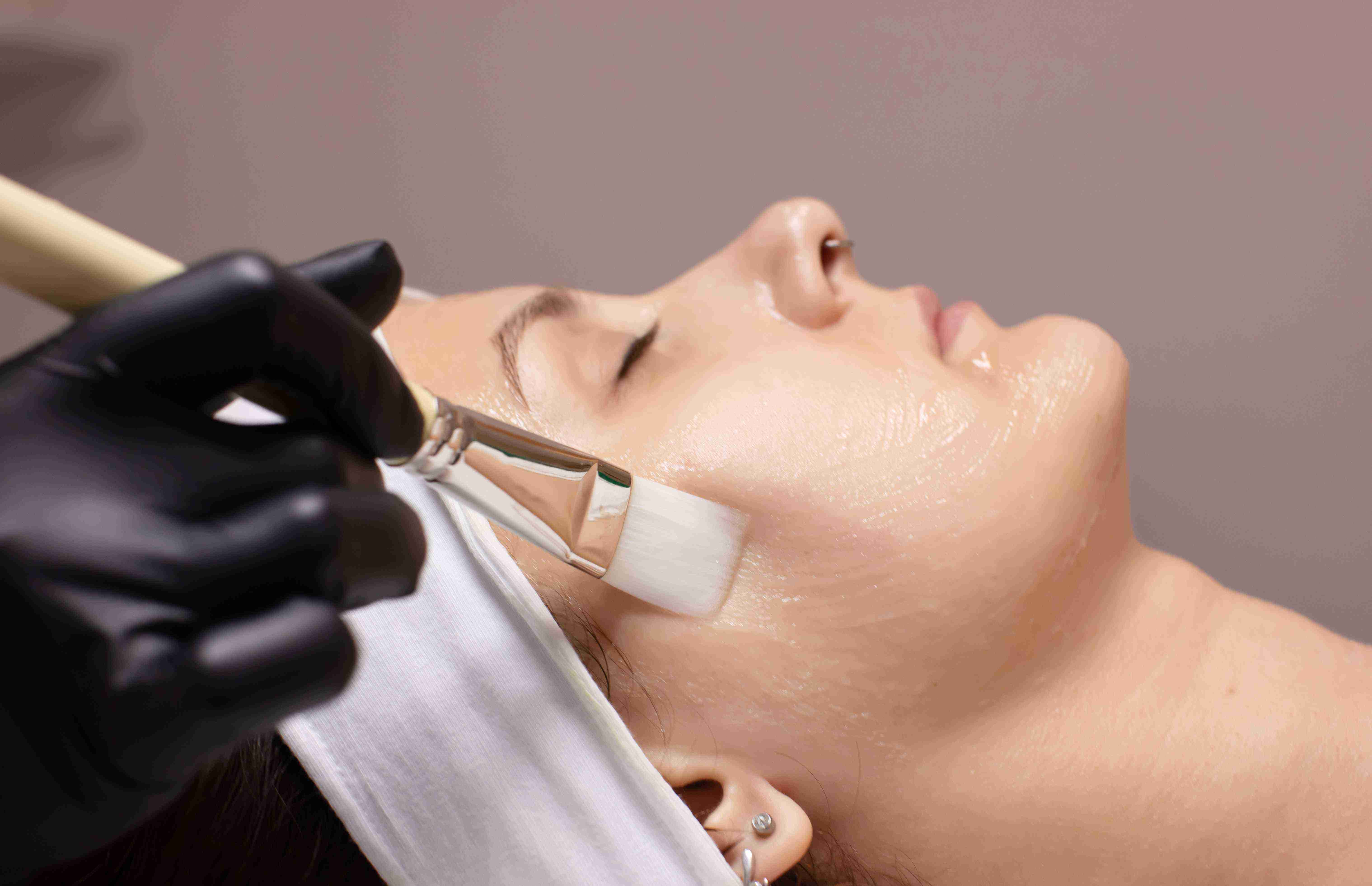
How Medium to Deep Chemical Peels Work
These peels work by deeply penetrating the skin to:

The carbon peel suits a wide range of skin concerns and types. It is particularly effective for oily, congested skin prone to blackheads and enlarged pores. Patients with dull, uneven skin tone benefit from the exfoliating and brightening effect.
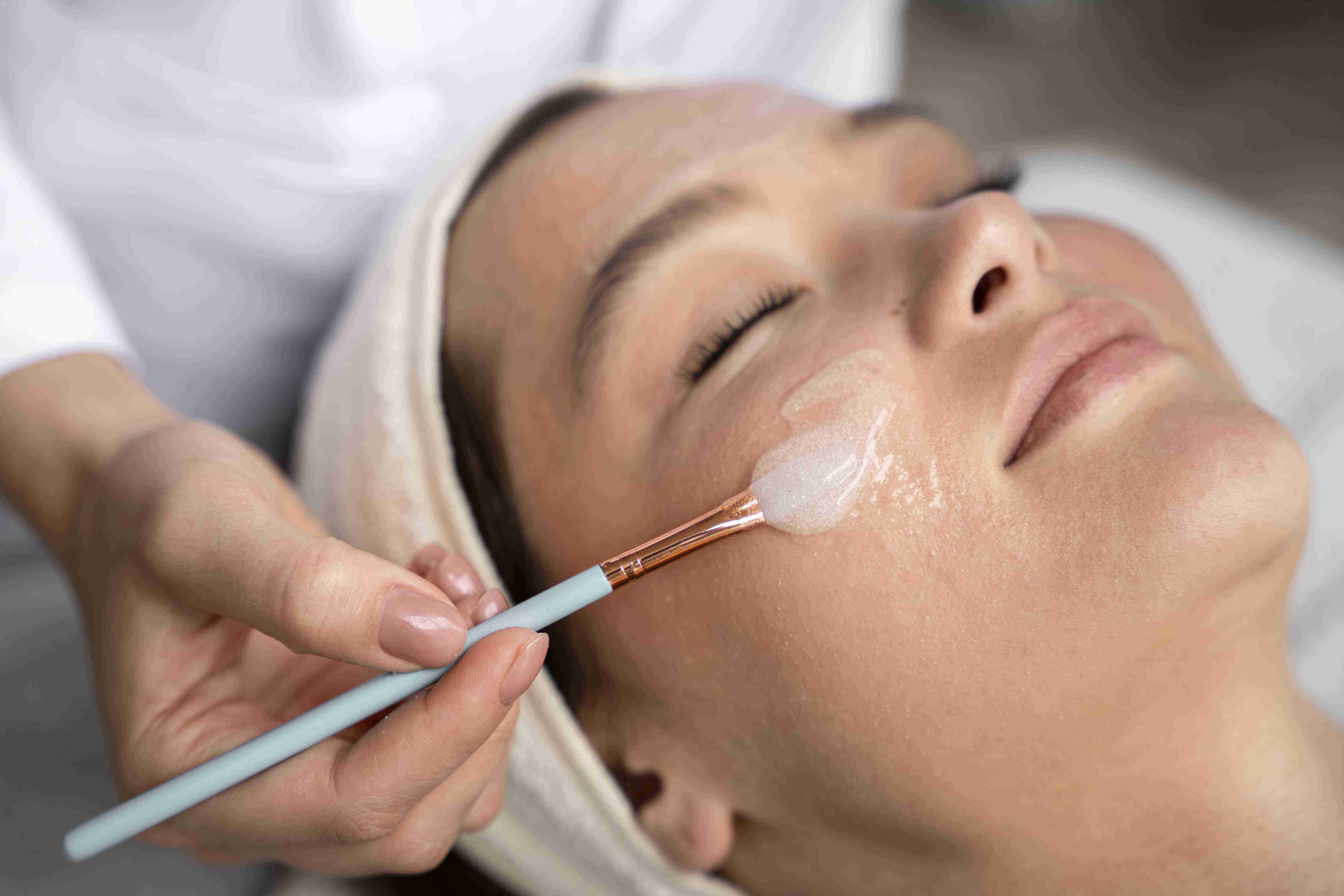
Treating Acne with Medium to Deep Chemical Peels
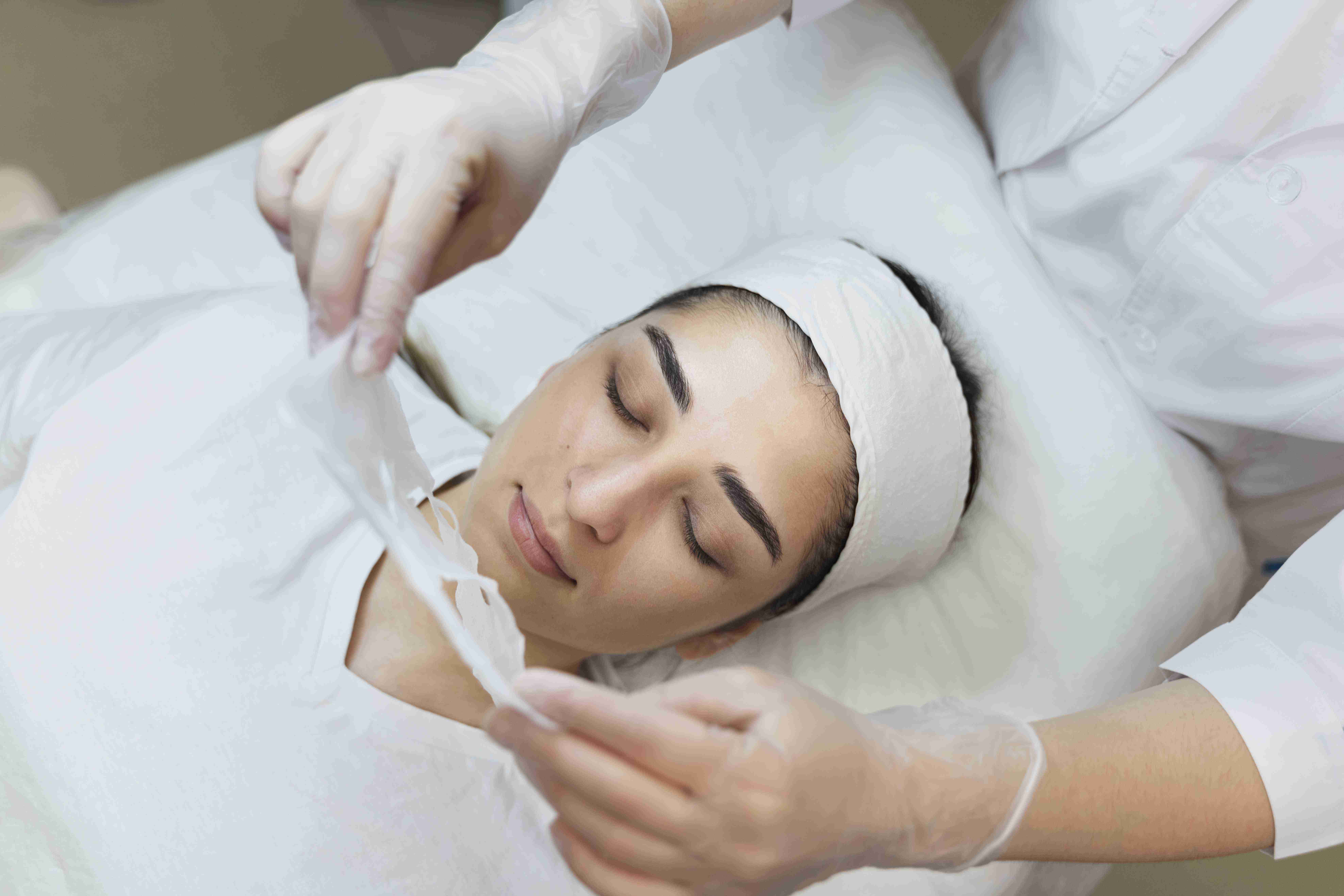
At Claire Derma, a carbon peel session takes approximately 30 to 40 minutes from start to finish. The face is cleansed and dried, then a thin, even layer of liquid carbon lotion is applied and allowed to dry for 10 to 15 minutes. During this time, the carbon particles settle deep into pores and adhere to surface impurities.
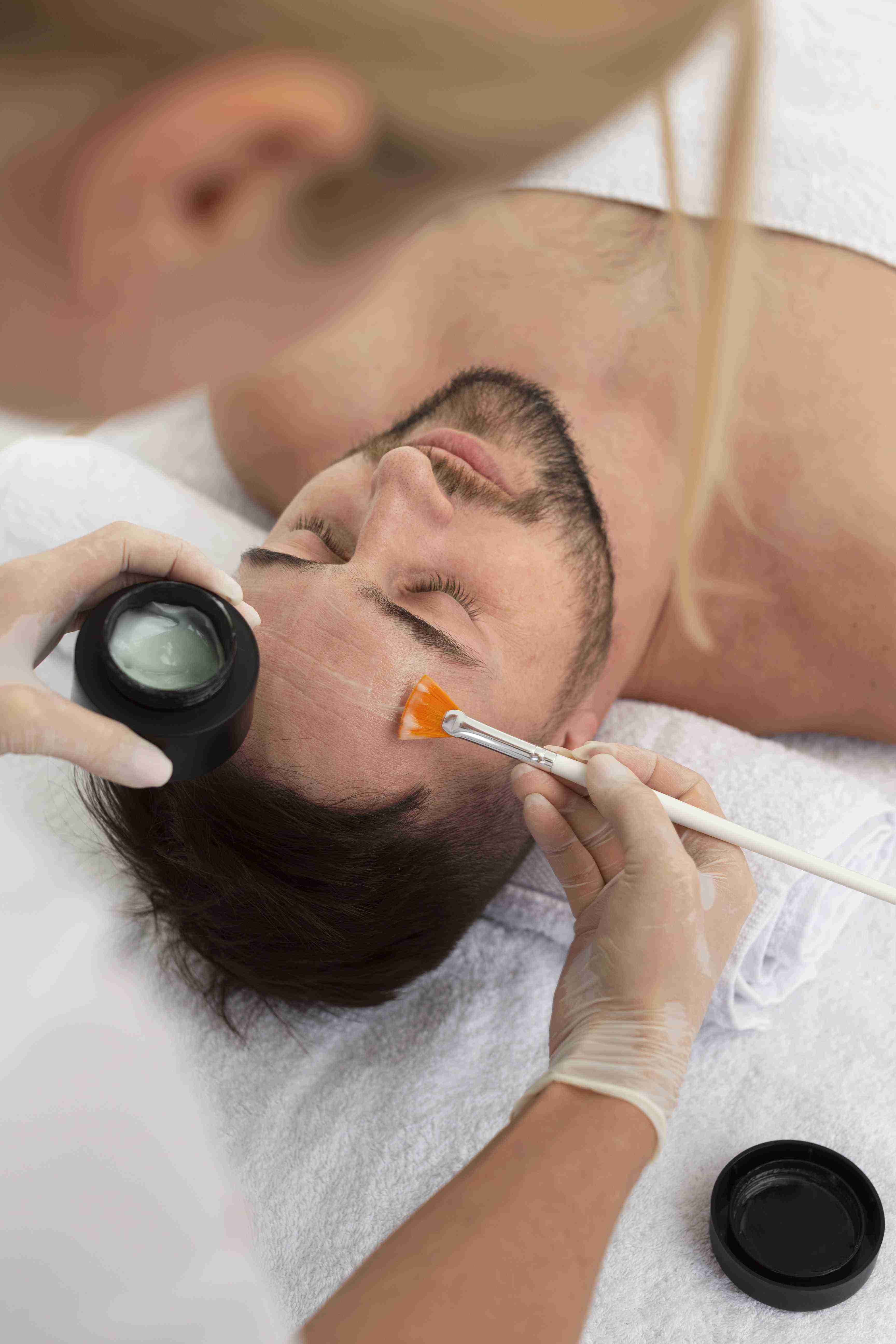
Benefits of Medium to Deep Peels for Acne
Having a carbon peel performed at Claire Derma means the laser parameters are set by a trained clinician who understands how fluence, spot size, and pulse duration interact with different skin types. Incorrect settings — too high a fluence on oily skin, for instance — can cause post-inflammatory hyperpigmentation rather than treating it.
Ideal Candidates for the Treatment
This treatment is ideal for individuals who:
The carbon peel is well tolerated, but it is not appropriate for every patient. Active acne with open lesions should be treated first, as the laser can worsen inflammation on broken skin. Patients on isotretinoin (Accutane) should wait at least six months after discontinuation before undergoing laser treatment. Those with a history of keloid scarring or active cold sores in the treatment area should notify their dermatologist.
The Treatment Process
01
Consultation & Skin Analysis
The dermatologist assesses acne severity and selects the best peel formulation. Your dermatologist examines your skin type, pore size, oiliness, and any pigmentation concerns. Fitzpatrick skin type is assessed to determine safe laser settings. Contraindications are reviewed. A treatment plan is outlined including the number of recommended sessions and their spacing.
02
Preparation
The skin is cleansed, and protective measures are taken for sensitive areas. The face is thoroughly cleansed and dried. A thin, even coat of medical-grade liquid carbon lotion is applied across the treatment area.
03
Peel Application
A customized medium or deep peel solution is applied for controlled penetration. The Q-switched Nd:YAG laser is passed over the face in two phases. The first toning pass uses lower fluence to heat the carbon and stimulate the dermis. The second peeling pass uses higher fluence to vaporise the carbon, exfoliating the surface layer.
04
Neutralization & Post-Treatment Care
The peel is neutralized, and a soothing recovery serum is applied. Residual carbon is gently removed. A calming serum and SPF 50 sunscreen are applied. Mild pinkness may last 30 to 60 minutes. There is no peeling or downtime. Avoid direct sun exposure for 48 hours and apply sunscreen diligently.
Expected Results & Recovery

Visible improvements after one session, with further refinement over multiple treatments.
Fewer blemishes, reduced scarring, and an even complexion.
Expect peeling and skin sensitivity for 5–7 days.
With proper maintenance, results can last several months.
Got Questions?We've Got Answers
Find answers to the most common questions about our treatments, procedures, and recovery process. If you can't find what you're looking for, our support team is always here to help.
Typically, 3–6 sessions, spaced 4–6 weeks apart, yield the best results.
Patients may feel a warm or stinging sensation, but discomfort is manageable.
Peeling and flaking can last between 5–10 days, depending on peel strength.
It significantly reduces acne and breakouts, but maintenance treatments and a proper skincare routine are essential.
Sun exposure must be strictly avoided for at least a week, and broad-spectrum sunscreen is mandatory.
Most patients describe the sensation as mild warmth with a light snapping feeling as the laser fires. The treatment is generally comfortable and does not require anaesthesia or numbing cream. Patients with very sensitive skin may feel slightly more warmth during the higher-fluence peeling pass, but it remains well within tolerable limits.
For an initial course, we recommend four to six sessions spaced three to four weeks apart. This allows cumulative collagen stimulation and progressive pore refinement. After completing the initial course, most patients move to maintenance sessions every six to eight weeks.
The carbon peel primarily targets surface texture, pore congestion, and mild pigmentation — it is not a scar revision treatment. For shallow, discoloured acne marks and post-inflammatory hyperpigmentation, regular carbon peel sessions can produce gradual fading. Deeper atrophic or ice-pick scars require more aggressive treatments like fractional laser resurfacing or microneedling.
Yes, with appropriate laser settings. The Nd:YAG 1064 nm wavelength is one of the safest laser wavelengths for darker skin because it has lower melanin absorption compared to shorter wavelengths. At Claire Derma, we reduce the fluence for Fitzpatrick types IV and V and perform a test patch if it's your first session.