
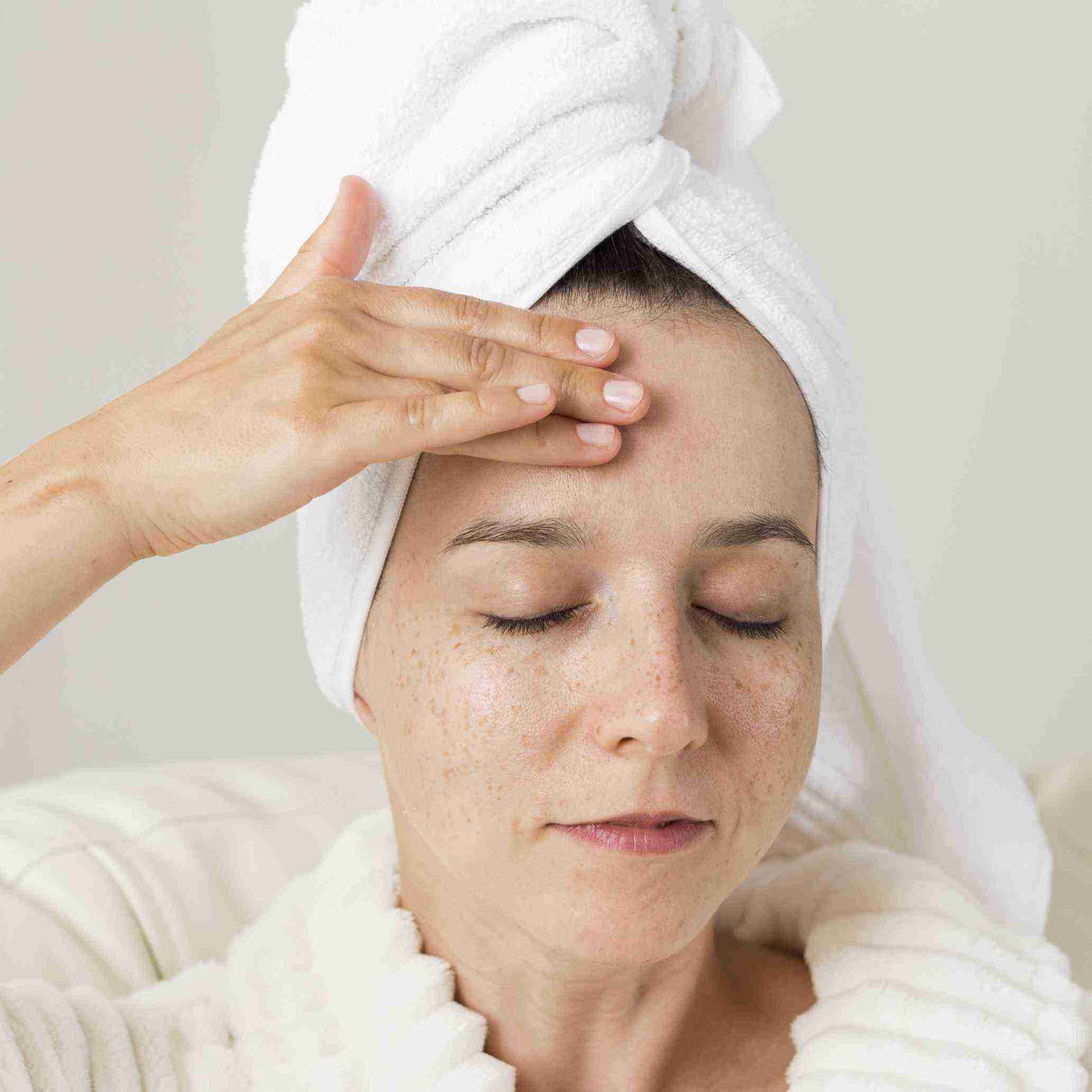
Introduction to Superficial to Medium Chemical Peels
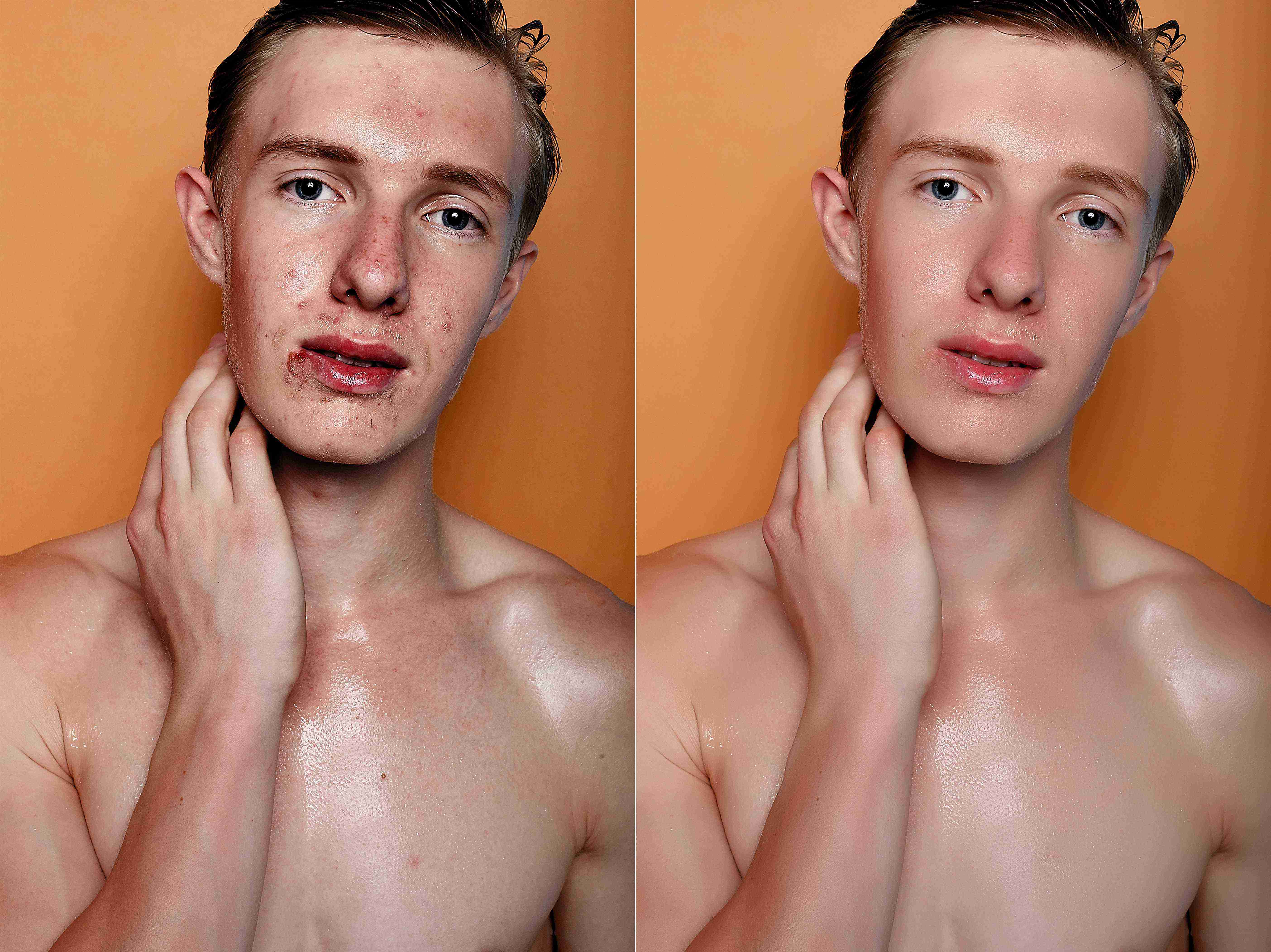
Acne is a common skin condition caused by clogged pores, excess oil production, bacteria, and inflammation. It often leads to pimples, blackheads, whiteheads, and cystic breakouts, which can result in long-term scarring if untreated. Superficial to medium chemical peels are an effective solution for active acne and post-acne marks. These peels work by exfoliating the top layers of the skin, unclogging pores, and reducing oil production, leading to a clearer complexion and fewer breakouts over time.
A photofacial uses Intense Pulsed Light (IPL) — broad-spectrum light filtered to wavelengths between 500 and 1200 nm — to target chromophores in the skin, primarily melanin and oxyhaemoglobin. Unlike a single-wavelength laser, IPL emits a band of wavelengths that can be narrowed with cutoff filters to match the absorption peaks of the specific target.
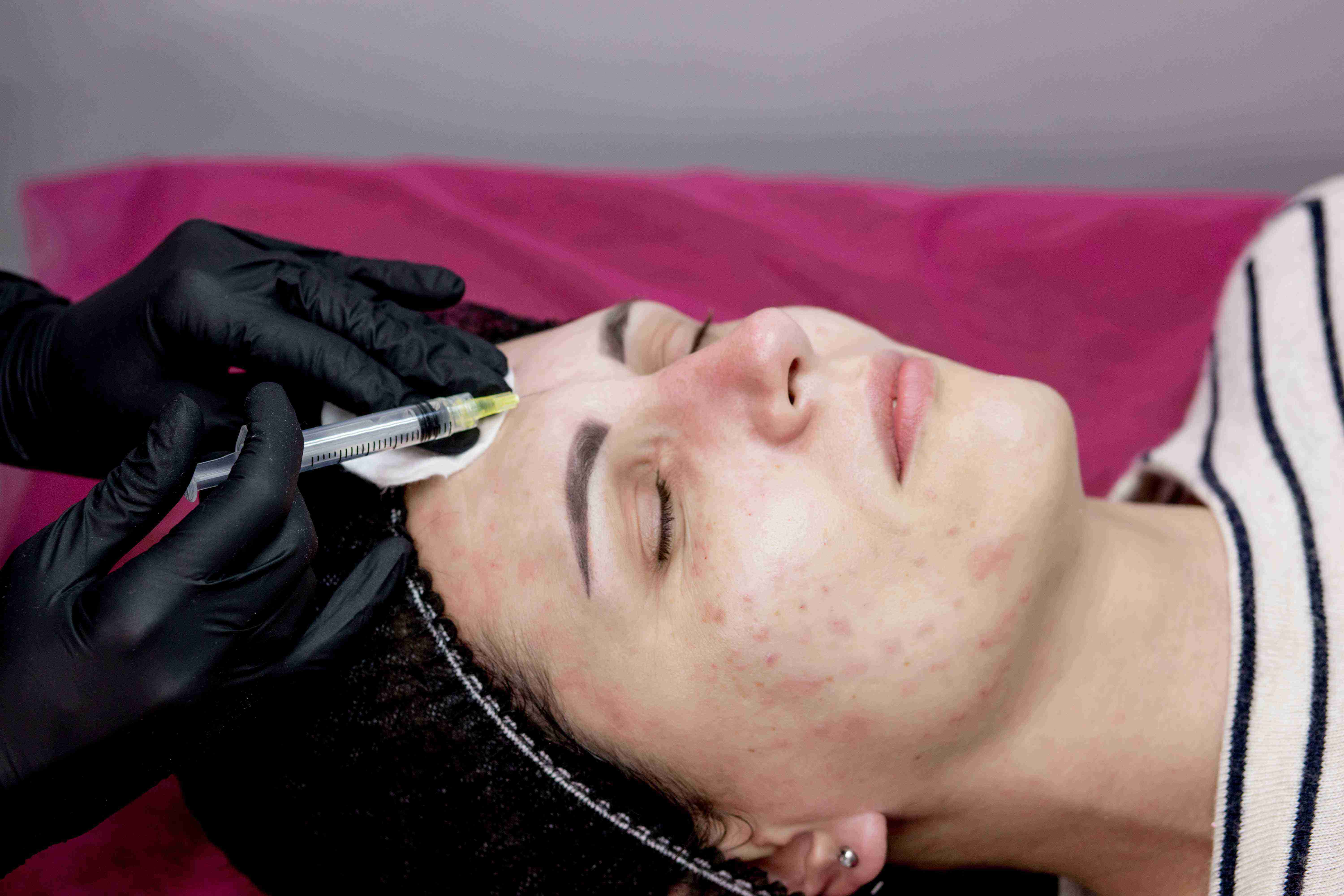
How Superficial to Medium Chemical Peels Work
This treatment targets acne and skin congestion by:

Photofacials are suited for patients with visible sun damage, brown spots, diffuse redness, rosacea-related flushing, broken capillaries, and generally uneven skin tone. It works best on lighter skin types — Fitzpatrick I through III — where there is strong contrast between the pigmented or vascular target and the surrounding skin.
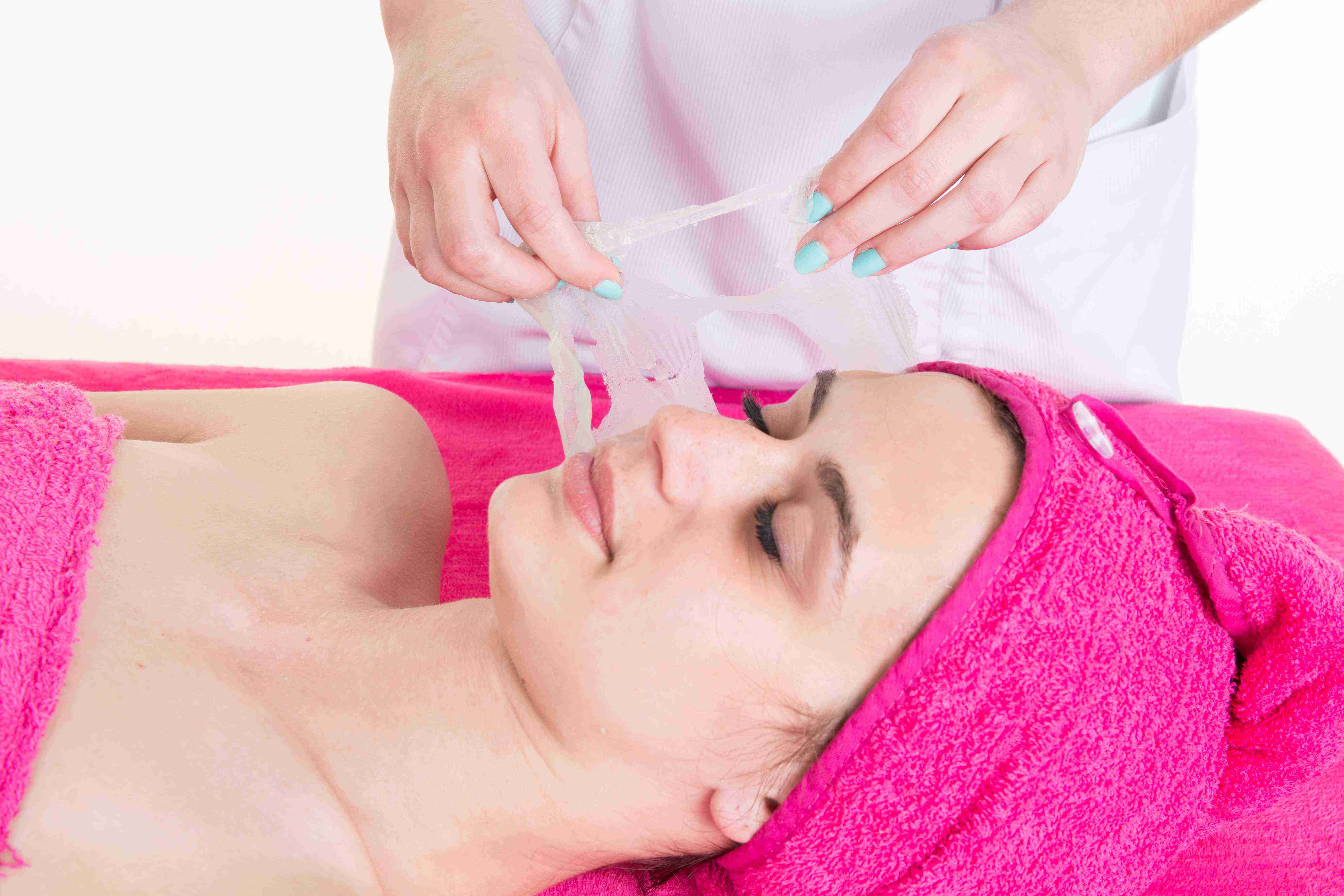
Treating Acne with Superficial to Medium Chemical Peels
An IPL photofacial session at Claire Derma typically takes 20 to 30 minutes for a full face. After cleansing, a thin layer of cooling gel is applied to protect the epidermis and improve light transmission.
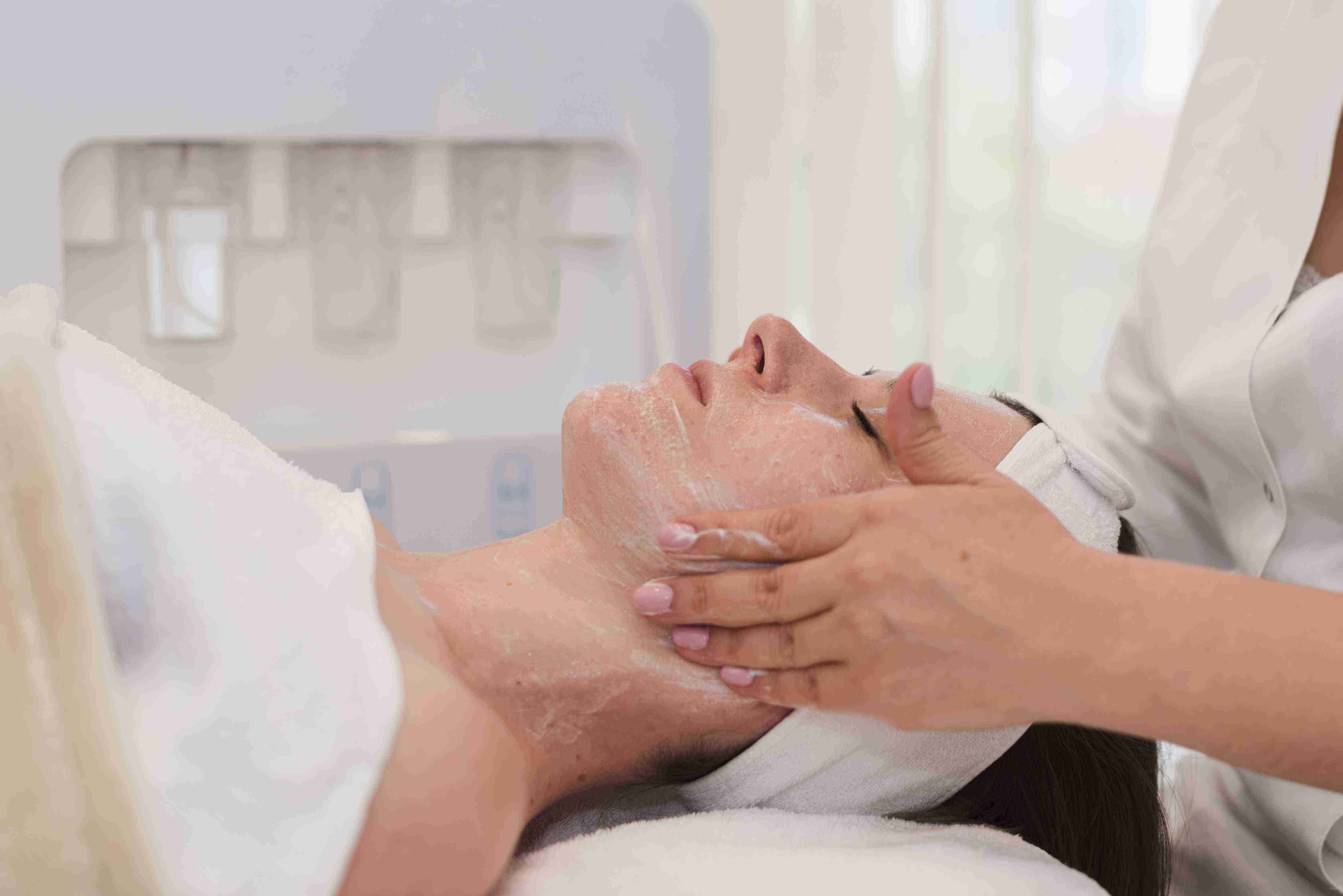
Benefits of Chemical Peels for Acne
Receiving IPL treatment at a dermatology clinic like Claire Derma provides a level of safety and customisation that non-medical settings cannot match. Improper IPL use — wrong filter, excessive fluence, treating tanned skin — can cause burns, blistering, and lasting pigment changes.
Ideal Candidates for the Treatment
This treatment is ideal for individuals who:
IPL is contraindicated on tanned skin, active sunburn, or skin that has had recent UV exposure — the excess melanin in tanned epidermis absorbs the light energy meant for the deeper target, increasing the risk of burns and hyperpigmentation. Patients should avoid sun exposure and self-tanners for four weeks before treatment.
The Treatment Process
01
Consultation & Skin Analysis
The dermatologist assesses acne severity and determines the best peel type. Your dermatologist evaluates your skin type, tan status, and specific concerns — pigment, redness, or both. Contraindications including recent sun exposure and photosensitising medications are screened.
02
Preparation
The skin is cleansed to remove oil and impurities before the treatment. The skin is cleansed and dried. A thin layer of coupling gel is applied to the treatment area to improve light transmission and cool the surface. Protective eyewear is provided.
03
Peel Application
A customized chemical peel is applied and left on for controlled exfoliation. The IPL handpiece is placed on the skin and pulses are delivered in a systematic grid pattern across the treatment area. Each pulse feels like a warm snap. Sensitive areas may require reduced fluence. The full-face treatment takes 20 to 30 minutes.
Expected Results & Recovery

Noticeable improvements in 1–2 sessions.
Fades acne scars over multiple sessions.
Less roughness and irritation.
Skin heals within 3–7 days, depending on the peel depth.
Best results with regular sessions and a good skincare routine.
Got Questions?We've Got Answers
Find answers to the most common questions about our treatments, procedures, and recovery process. If you can't find what you're looking for, our support team is always here to help.
Typically, 3–6 sessions spaced 2–4 weeks apart are recommended.
Chemical peels fade acne scars and dark spots, but deep scars may require microneedling or laser treatments for optimal results.
Most people experience a mild tingling or stinging sensation, but it is tolerable and subsides quickly.
It is recommended to wait at least 24–48 hours before applying makeup to avoid irritation.
Some individuals experience temporary purging before clearing up.
Most patients require three to five sessions spaced three to four weeks apart. You'll see visible improvement after the first treatment — dark spots darken and shed, and redness diminishes — but each subsequent session builds on the last. By the third session, the cumulative effect becomes quite apparent.
No. IPL uses a broad spectrum of light wavelengths filtered to a range, while lasers emit a single, precise wavelength. IPL is effective for treating diffuse concerns like overall redness and scattered pigment because its broad spectrum interacts with multiple chromophores simultaneously. Lasers are more precise for targeting specific structures at a defined depth.
IPL must be used cautiously with melasma. While it can lighten some melasma, the heat delivered to the dermis can also trigger the melanocytes to produce more pigment, worsening the condition. At Claire Derma, we typically recommend other approaches for melasma — such as topical depigmenting agents, chemical peels, or low-fluence Q-switched laser — that carry less risk of rebound darkening.
Right after treatment, you'll notice mild redness and warmth, similar to a light sunburn. This fades within one to three hours. Brown spots will darken — sometimes becoming coffee-coloured — within 24 to 48 hours. Over the following five to ten days, these darkened spots rise to the surface and flake off, revealing cleaner skin beneath.