
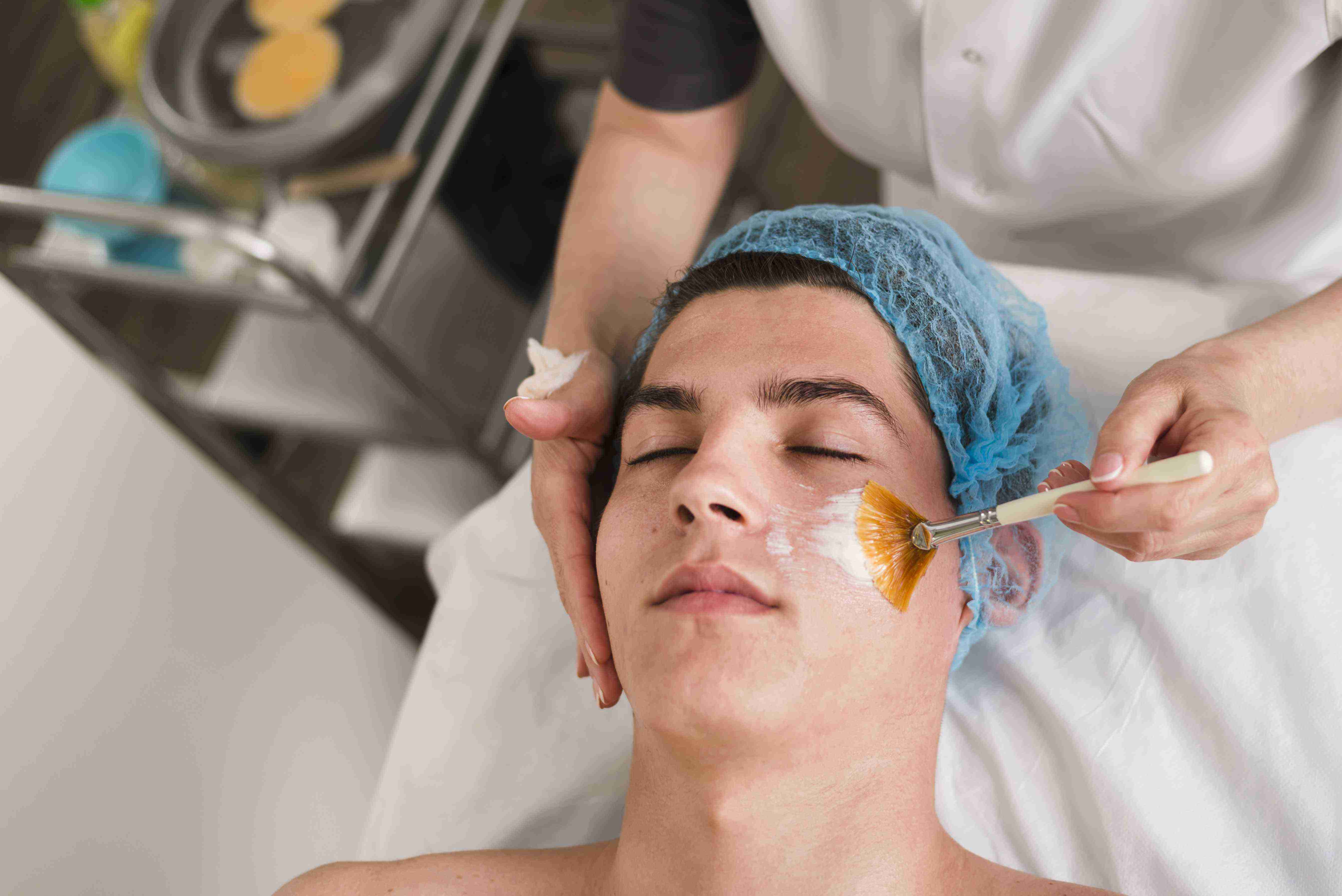
Introduction to Medium to Deep Chemical Peels
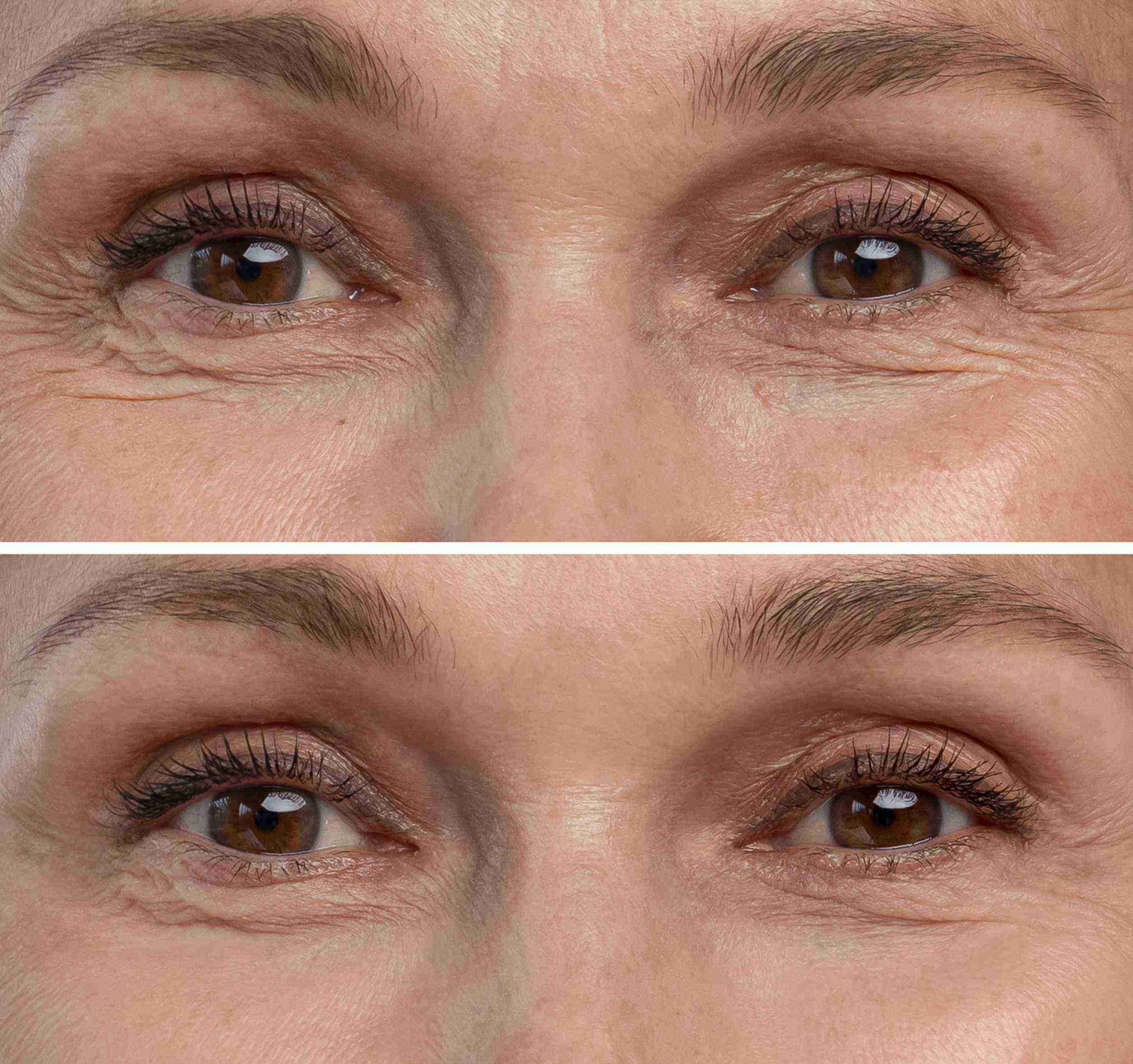
As skin ages, collagen production declines, leading to fine lines, wrinkles, skin laxity, and an uneven texture. Medium to deep chemical peels are an advanced skin rejuvenation treatment that helps reverse these signs of aging by removing damaged skin layers, stimulating new collagen growth, and promoting a youthful, radiant complexion. These peels use potent exfoliating agents, such as trichloroacetic acid (TCA), phenol, and high-strength glycolic acid, which penetrate deeper into the skin layers to trigger cell renewal, enhance skin elasticity, and smooth out wrinkles.
PowerGlow IV drips deliver a concentrated blend of skin-supporting vitamins, antioxidants, and amino acids directly into the bloodstream, bypassing the digestive system entirely. Oral supplements lose a significant portion of their potency during absorption — bioavailability for oral vitamin C, for instance, caps at roughly 50 percent even at moderate doses. Intravenous delivery achieves close to 100 percent bioavailability, allowing therapeutic concentrations that oral intake simply cannot reach.
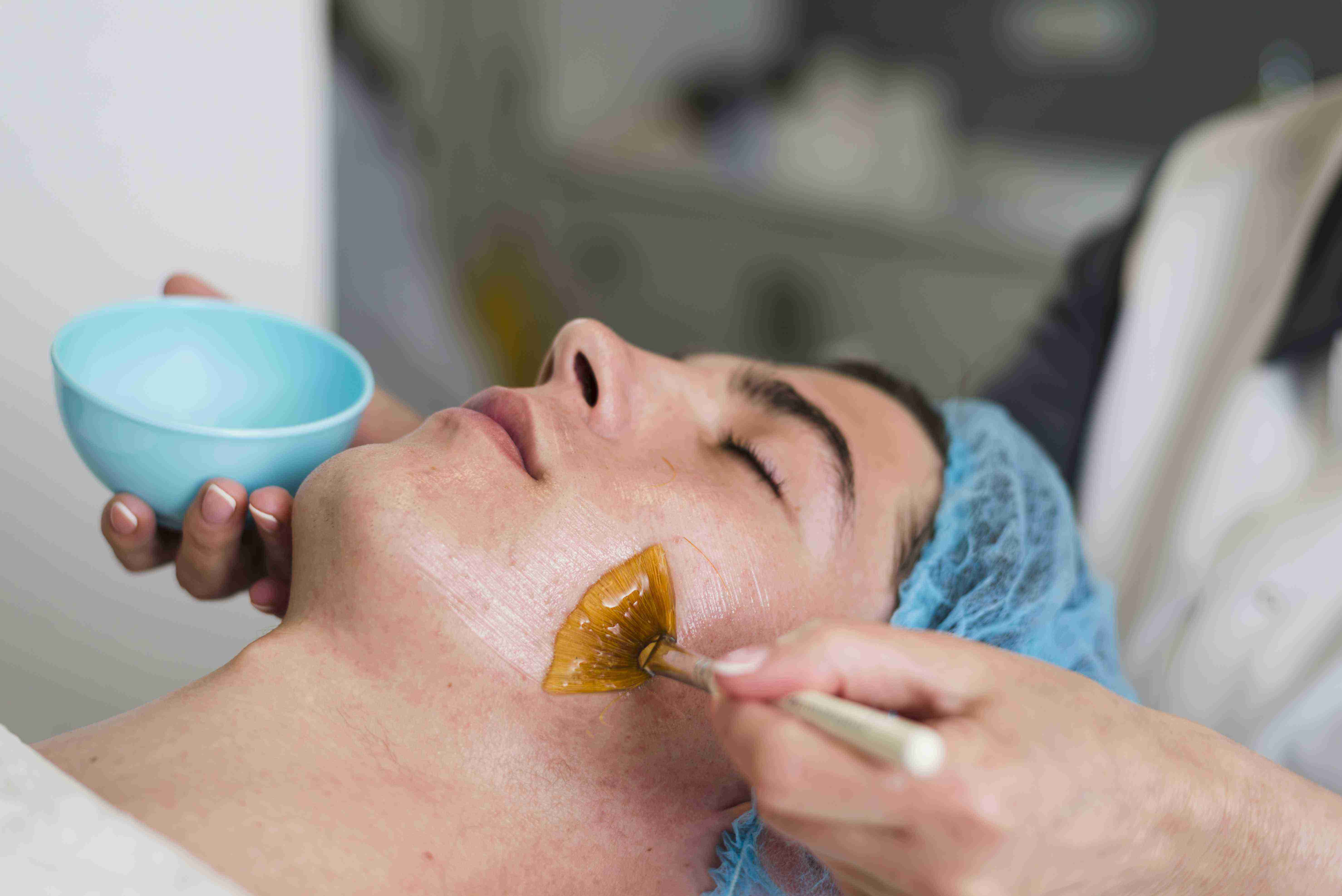
How Medium to Deep Chemical Peels Work
This treatment effectively combats aging by:

PowerGlow IV drips suit patients who want to address skin dullness, uneven tone, and oxidative stress from the systemic level. They are particularly popular among patients preparing for events, recovering from intense laser procedures, or looking to amplify the results of their topical brightening regimen.
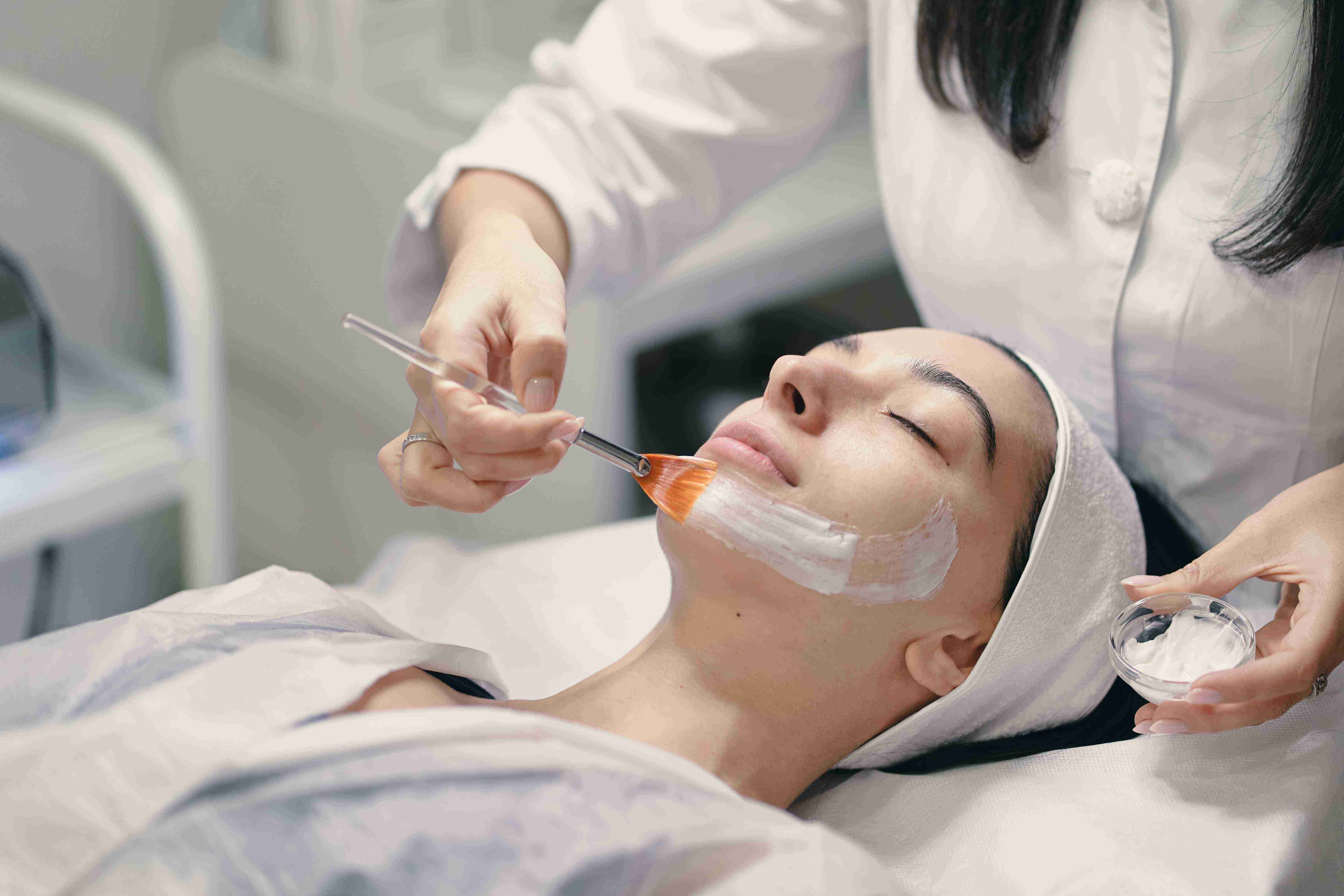
Reversing Signs of Aging with Medium to Deep Chemical Peels
A PowerGlow IV drip session at Claire Derma takes 30 to 45 minutes. You'll be seated comfortably while a trained nurse places a small intravenous cannula — typically in the hand or forearm. The drip solution is prepared fresh for each session using pharmaceutical-grade ingredients at concentrations determined by your dermatologist.
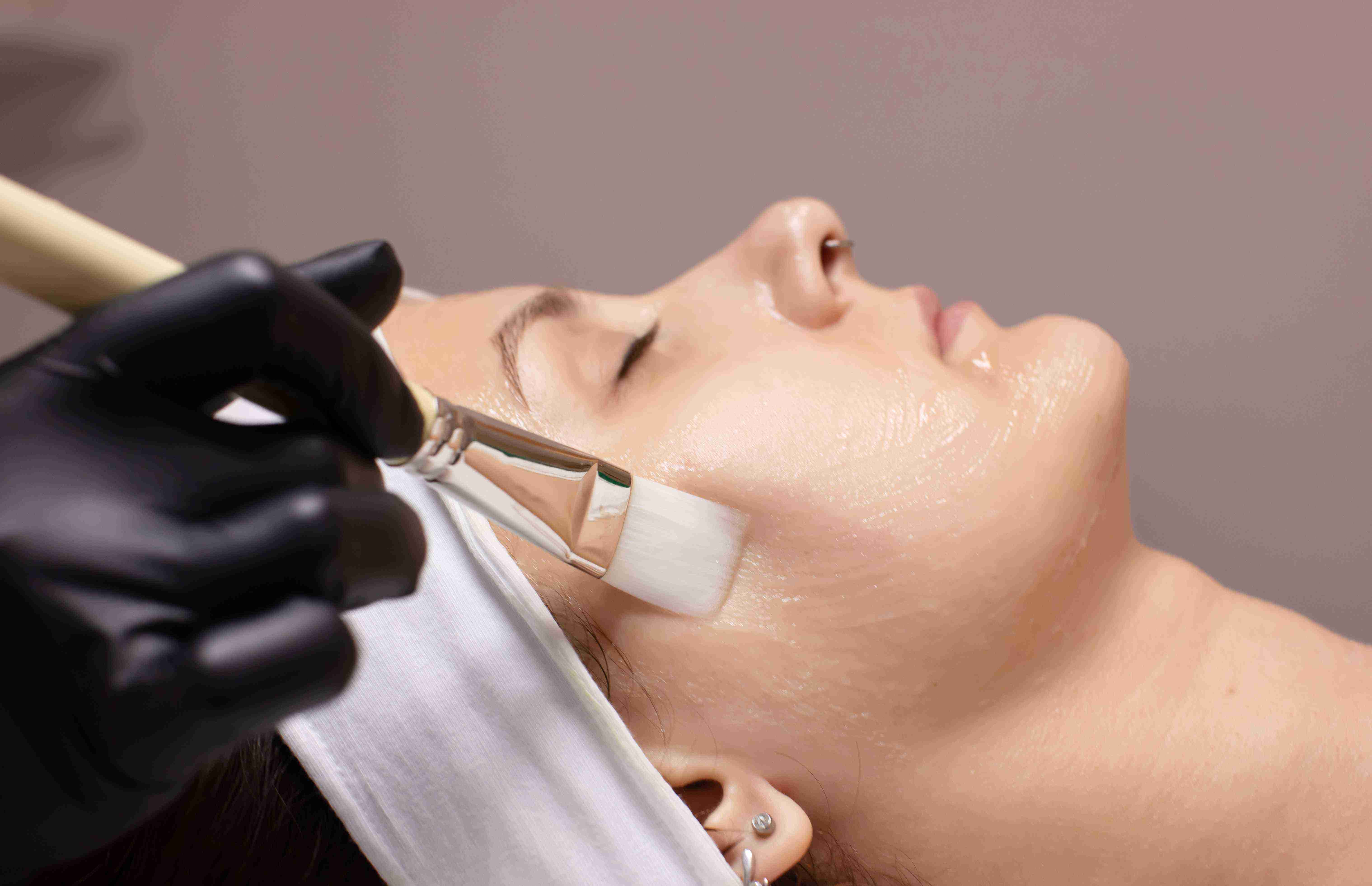
Benefits of Medium to Deep Peels for Anti-Aging
Having IV drip therapy at a medical dermatology clinic like Claire Derma provides safety assurances that non-medical drip lounges cannot offer. IV access carries inherent risks — infection, vein irritation, air embolism, and allergic reaction — that require medical training to prevent and manage. Our nursing staff are IV-certified, and a physician is always available on-site during drip sessions.
Ideal Candidates for the Treatment
This treatment is ideal for individuals who:
PowerGlow IV drips are generally safe for healthy adults, but certain conditions warrant caution or avoidance. Patients with glucose-6-phosphate dehydrogenase (G6PD) deficiency should not receive high-dose IV vitamin C, as it can trigger haemolytic anaemia. Kidney disease impairs the clearance of infused nutrients, so renal function should be confirmed before treatment. Patients with sulfa allergies may react to certain glutathione formulations.
The Treatment Process
01
Consultation & Skin Assessment
The dermatologist examines the skin and selects the appropriate peel strength. Your dermatologist reviews your health history, current medications, and skin concerns. G6PD status and renal function may be checked via blood work. A drip formulation and session schedule are designed based on your goals — whether brightening, recovery support, or general skin health.
02
Preparation
Skin is cleansed, and sensitive areas are protected before applying the peel. On the day of your session, a nurse prepares the drip solution fresh using pharmaceutical-grade ingredients at the prescribed concentrations. An IV cannula is placed — typically in the back of the hand or inner forearm.
03
Peel Application
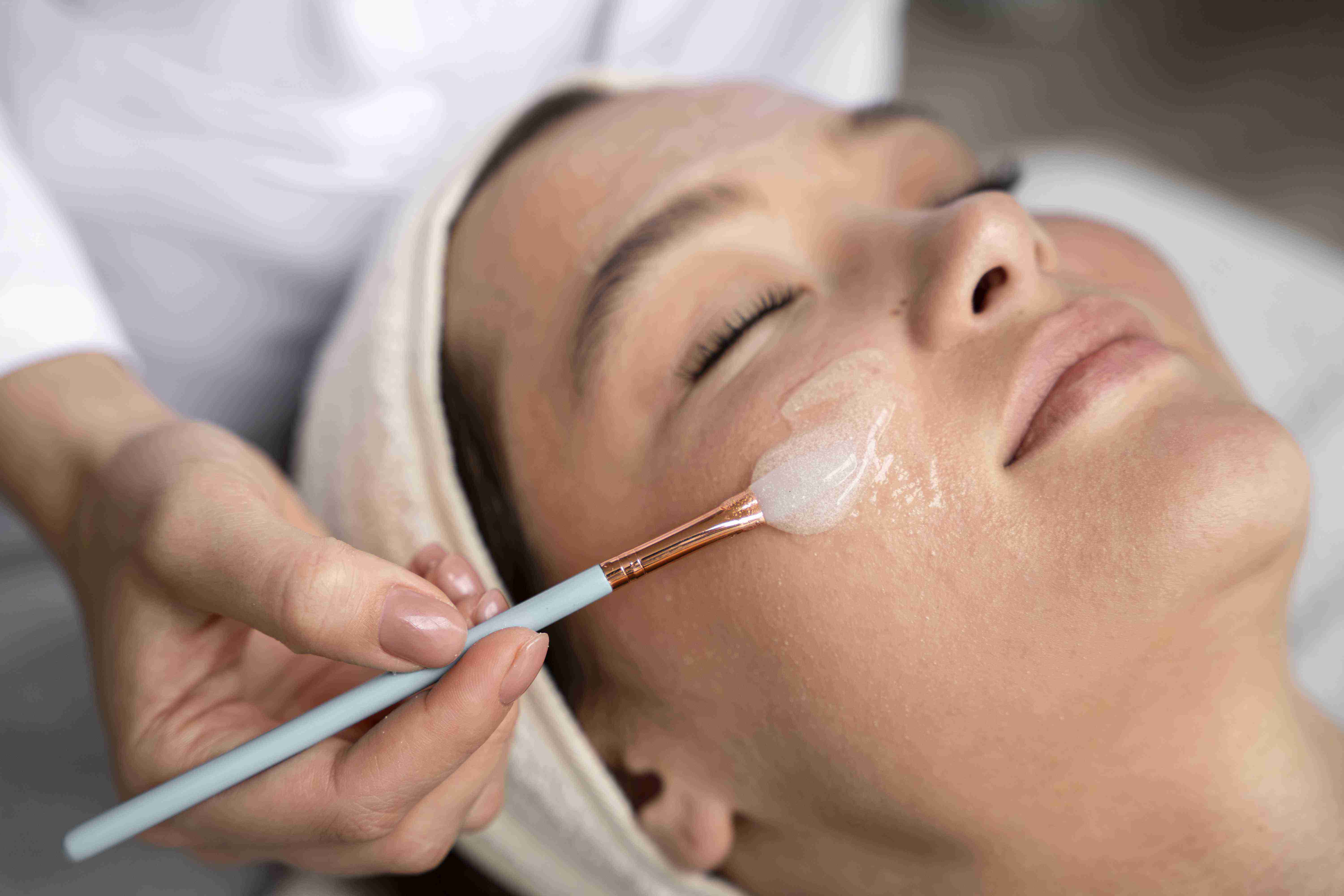
A customized medium or deep chemical peel solution is applied and left on for a set duration. The drip runs at a controlled rate over 30 to 45 minutes. You can relax, read, or use your phone during the session. Nursing staff monitor the infusion and check in periodically.
04
Post-Treatment Care
Redness and peeling occur for 5–10 days, requiring hydration and strict sun protection. Once the drip is complete, the cannula is removed and a small dressing is applied. There is no downtime — you can resume all normal activities immediately. Some patients notice improved energy and skin glow within 24 hours.
Expected Results & Recovery

Fine lines and wrinkles begin to fade within a few weeks.
Skin looks refreshed and revitalized.
Peeling subsides within 7–10 days, with ongoing improvements over 2–6 months.
Regular treatments enhance collagen production and skin elasticity over time.
Got Questions?We've Got Answers
Find answers to the most common questions about our treatments, procedures, and recovery process. If you can't find what you're looking for, our support team is always here to help.
Typically, 3–5 sessions, spaced 4–6 weeks apart, provide the best rejuvenation.
With proper skincare and sun protection, results can last several months to years.
Mild tingling or warmth may be felt during the peel, but discomfort is temporary.
It’s best to avoid makeup for 5–7 days to allow proper skin healing.
Yes, deep peels are more effective for severe wrinkles and sagging skin, but they require longer recovery time.
Most patients require six to ten weekly sessions before a noticeable and sustained brightening effect becomes apparent. Glutathione needs to reach consistently high levels to shift melanin production meaningfully. Some patients report a subtle glow after just two or three sessions, but the tone-evening effect develops fully over the course. After the initial series, monthly maintenance drips help sustain the results.
IV drips are safe when administered by trained medical personnel using pharmaceutical-grade ingredients and proper sterile technique. Common minor effects include slight bruising at the cannula site and a cool sensation during infusion. Rare side effects include vein irritation, allergic reaction, and nausea at high infusion rates.
Oral glutathione has very low bioavailability — most of it is broken down in the gut before reaching the bloodstream. While some liposomal oral formulations show improved absorption in studies, they still cannot reach the plasma concentrations that IV delivery achieves. For skin-brightening purposes, the evidence supports intravenous glutathione as the most effective route.
Melanin production is an ongoing process driven by UV exposure, genetics, and hormonal factors. Once you stop glutathione drips, your melanocytes will gradually return to their baseline activity level, and skin tone will slowly revert over several months. Maintaining results requires periodic maintenance drips — typically once a month — combined with diligent sun protection and topical brightening agents.