
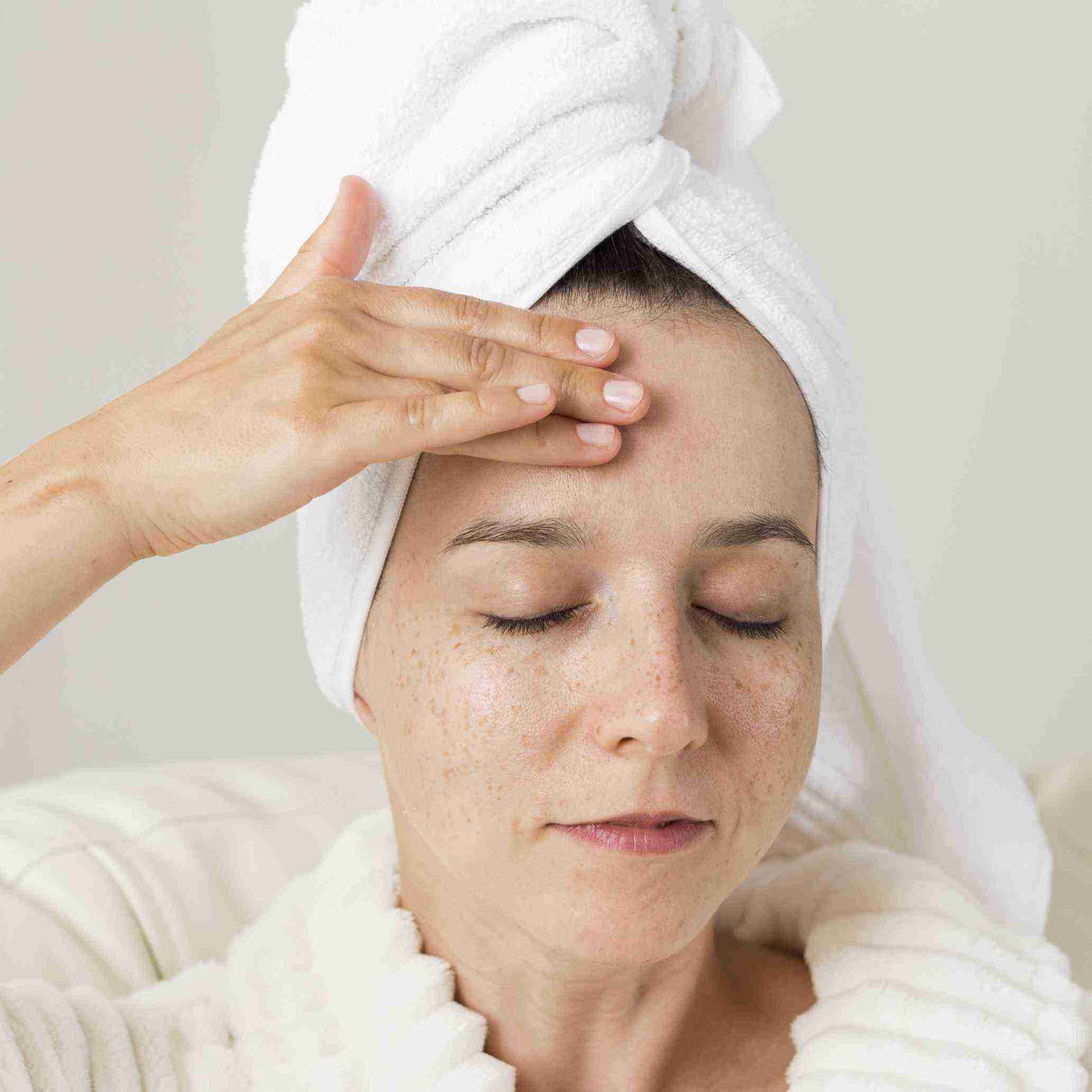
Introduction to Superficial to Medium Chemical Peels
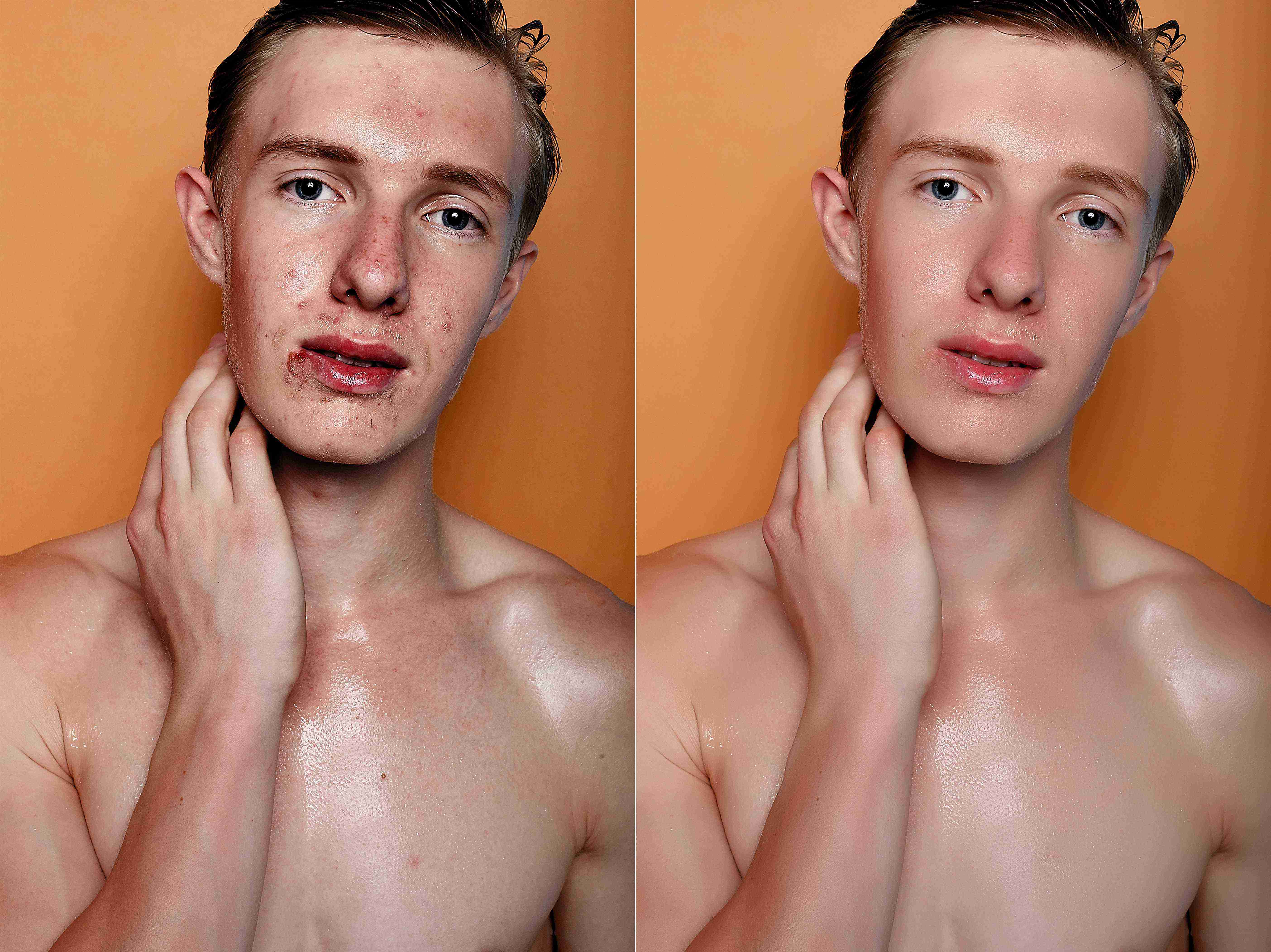
Acne is a common skin condition caused by clogged pores, excess oil production, bacteria, and inflammation. It often leads to pimples, blackheads, whiteheads, and cystic breakouts, which can result in long-term scarring if untreated. Superficial to medium chemical peels are an effective solution for active acne and post-acne marks. These peels work by exfoliating the top layers of the skin, unclogging pores, and reducing oil production, leading to a clearer complexion and fewer breakouts over time.
Skin tag excision at Claire Derma prioritises gentleness — both during the procedure and in the healing that follows. Many patients delay treatment because they expect pain, but modern removal techniques have moved far beyond the crude snipping and freezing of decades past.
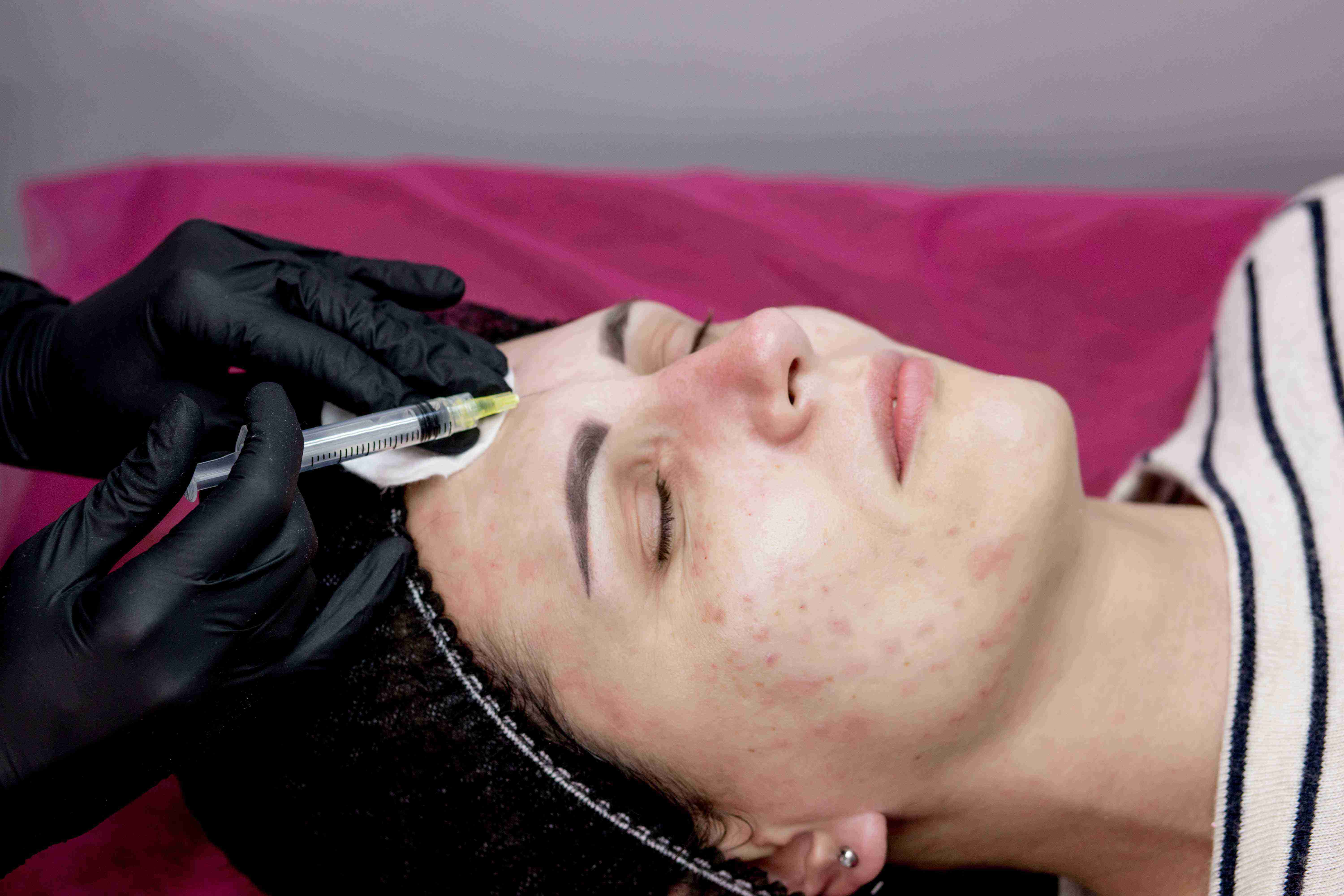
How Superficial to Medium Chemical Peels Work
This treatment targets acne and skin congestion by:

Before treatment begins, our team at Claire Derma takes time to understand each patient's comfort level and any sensitivities that might affect the procedure. We review medical history for conditions like allodynia, fibromyalgia, or heightened skin sensitivity that may require adjusted anaesthesia protocols.
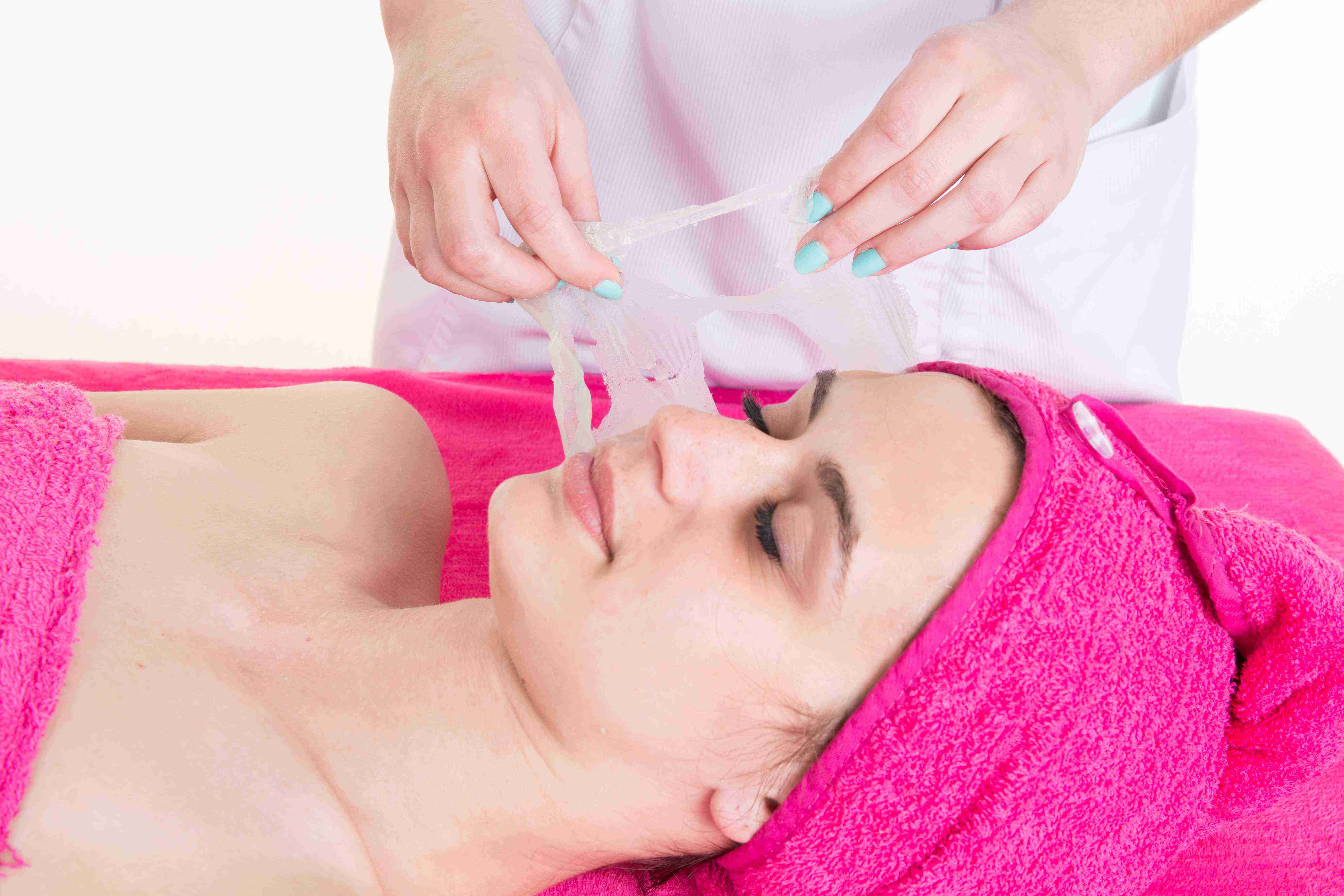
Treating Acne with Superficial to Medium Chemical Peels
Gentle removal at Claire Derma relies on techniques that minimise collateral tissue damage. Our primary method is fine-tip radiofrequency cauterisation set to the lowest effective wattage for each tag's stalk diameter. The electrode touches only the stalk — the surrounding skin is never contacted by the instrument. For very small tags under two millimetres, a single pulse is sufficient.
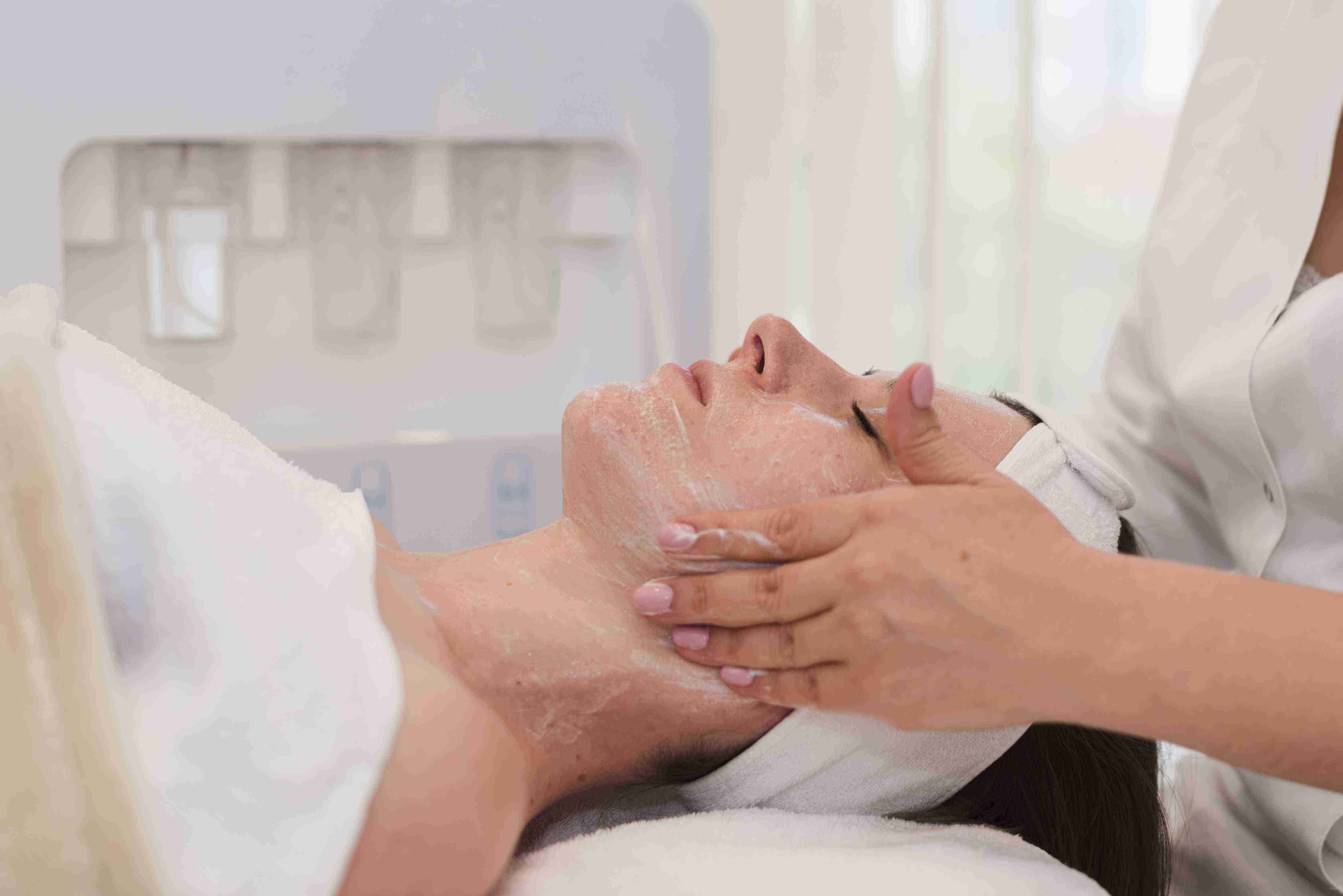
Benefits of Chemical Peels for Acne
Gentle professional excision delivers outcomes that patients cannot achieve at home without risk. The controlled precision of clinical instruments means no healthy skin is sacrificed, no infection is introduced through unsterile tools, and no chemical burns occur from over-the-counter removal solutions.
Ideal Candidates for the Treatment
This treatment is ideal for individuals who:
Aftercare following gentle tag excision at Claire Derma is straightforward. The treated spots require no dressings in most cases — a thin layer of petroleum jelly applied twice daily for two to three days keeps the tiny wound sites moist and comfortable. Avoid applying active skincare ingredients like retinol, glycolic acid, or vitamin C directly over treated areas for one week.
The Treatment Process
01
Consultation & Skin Analysis
The dermatologist assesses acne severity and determines the best peel type. Our dermatologist examines and counts each tag, confirms the diagnosis with dermoscopy, and discusses your comfort preferences. Patients with a high tag count or skin sensitivity may have a customised anaesthesia plan. A clear treatment proposal is provided including expected session length and aftercare overview.
02
Preparation
The skin is cleansed to remove oil and impurities before the treatment. Topical anaesthetic cream is applied to the treatment zone and left for twenty to thirty minutes. The area is then cleaned with a gentle antiseptic solution. For particularly sensitive patients, small buffered local anaesthetic injections supplement the cream.
03
Peel Application
A customized chemical peel is applied and left on for controlled exfoliation. Tags are removed one by one using low-wattage radiofrequency or hybrid snip-and-seal technique. Each removal takes two to five seconds. A chilled gauze pad is applied periodically for comfort. The session lasts fifteen to thirty minutes depending on tag count.
Expected Results & Recovery

Noticeable improvements in 1–2 sessions.
Fades acne scars over multiple sessions.
Less roughness and irritation.
Skin heals within 3–7 days, depending on the peel depth.
Best results with regular sessions and a good skincare routine.
Got Questions?We've Got Answers
Find answers to the most common questions about our treatments, procedures, and recovery process. If you can't find what you're looking for, our support team is always here to help.
Typically, 3–6 sessions spaced 2–4 weeks apart are recommended.
Chemical peels fade acne scars and dark spots, but deep scars may require microneedling or laser treatments for optimal results.
Most people experience a mild tingling or stinging sensation, but it is tolerable and subsides quickly.
It is recommended to wait at least 24–48 hours before applying makeup to avoid irritation.
Some individuals experience temporary purging before clearing up.
At Claire Derma, we take extra precautions for sensitive-skin patients. A strong topical anaesthetic is applied well in advance, and radiofrequency settings are reduced to the minimum effective wattage. Most sensitive-skin patients describe the experience as a faint warm tap — far less uncomfortable than the daily irritation the tags themselves cause.
The area feels smooth within a few days. Right after treatment, each site has a tiny pink dot that may feel slightly tender to the touch. Over the following three to five days, the pink marks fade and the skin settles to its natural texture.
The key is minimal tissue trauma. At Claire Derma, we use the lowest radiofrequency setting that achieves clean stalk severance without thermal spread to surrounding tissue. The instrument contacts only the tag — the adjacent healthy skin is never touched. This controlled approach means the wound is tiny, superficial, and heals without scar formation in the vast majority of patients.
These are among the most common areas we treat. Tags in skin folds cause significant daily discomfort from friction and sweating, and patients are relieved to have them addressed. We apply topical anaesthesia generously in these zones and use the gentlest radiofrequency settings.