
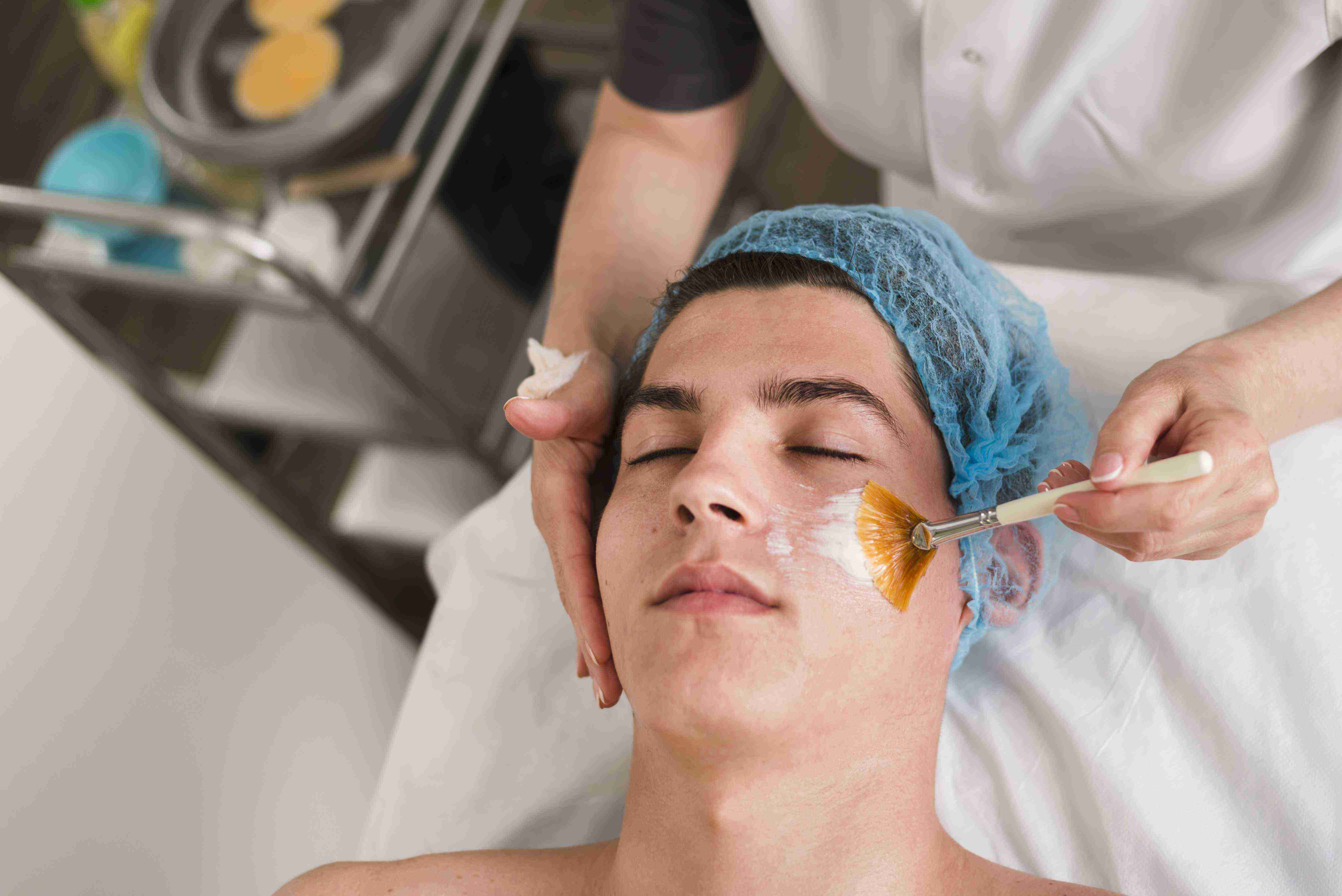
Introduction to Medium to Deep Chemical Peels
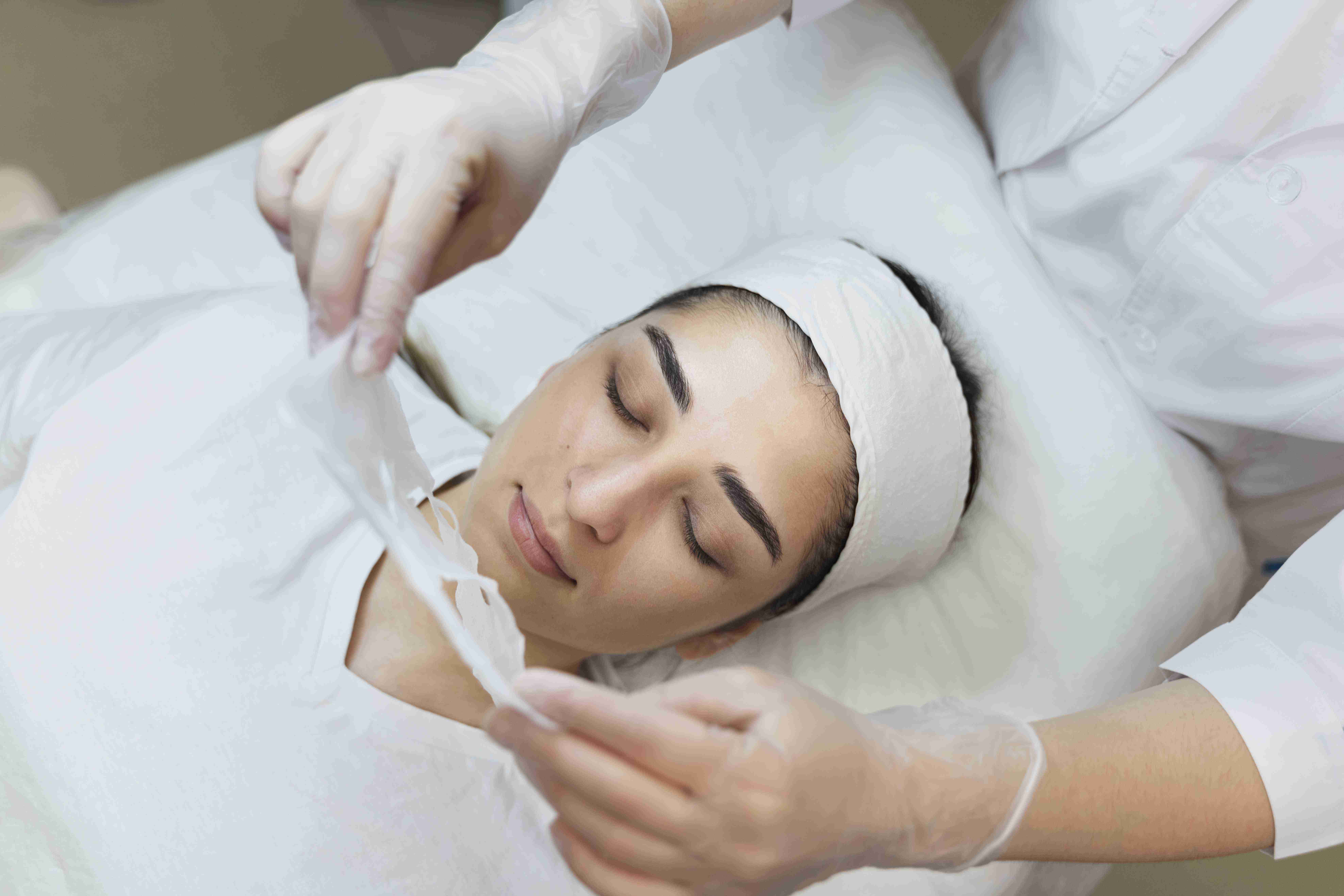
Acne can be persistent and difficult to manage, especially when it leads to scarring, inflammation, and deep breakouts. Medium to deep chemical peels offer an advanced treatment option that targets severe acne, clogged pores, and post-inflammatory hyperpigmentation. These peels penetrate deeper into the skin layers, effectively removing damaged skin cells, regulating oil production, and stimulating skin renewal for a clearer, smoother complexion. Medium to deep peels use stronger exfoliating agents such as trichloroacetic acid (TCA), phenol, or high-strength salicylic acid to reach the mid to lower dermis, making them effective for stubborn acne, deep scars, and long-term skin rejuvenation.
Skin tag excision at Claire Derma is designed to be fast, efficient, and comfortable enough for patients to return to their day immediately after treatment. Most tags are pedunculated — attached to the skin by a narrow stalk — which makes them ideal candidates for rapid removal techniques that take only seconds per tag. Our dermatologists use radiofrequency cauterisation or snip excision under topical or local anaesthesia, depending on the tag's size and location.
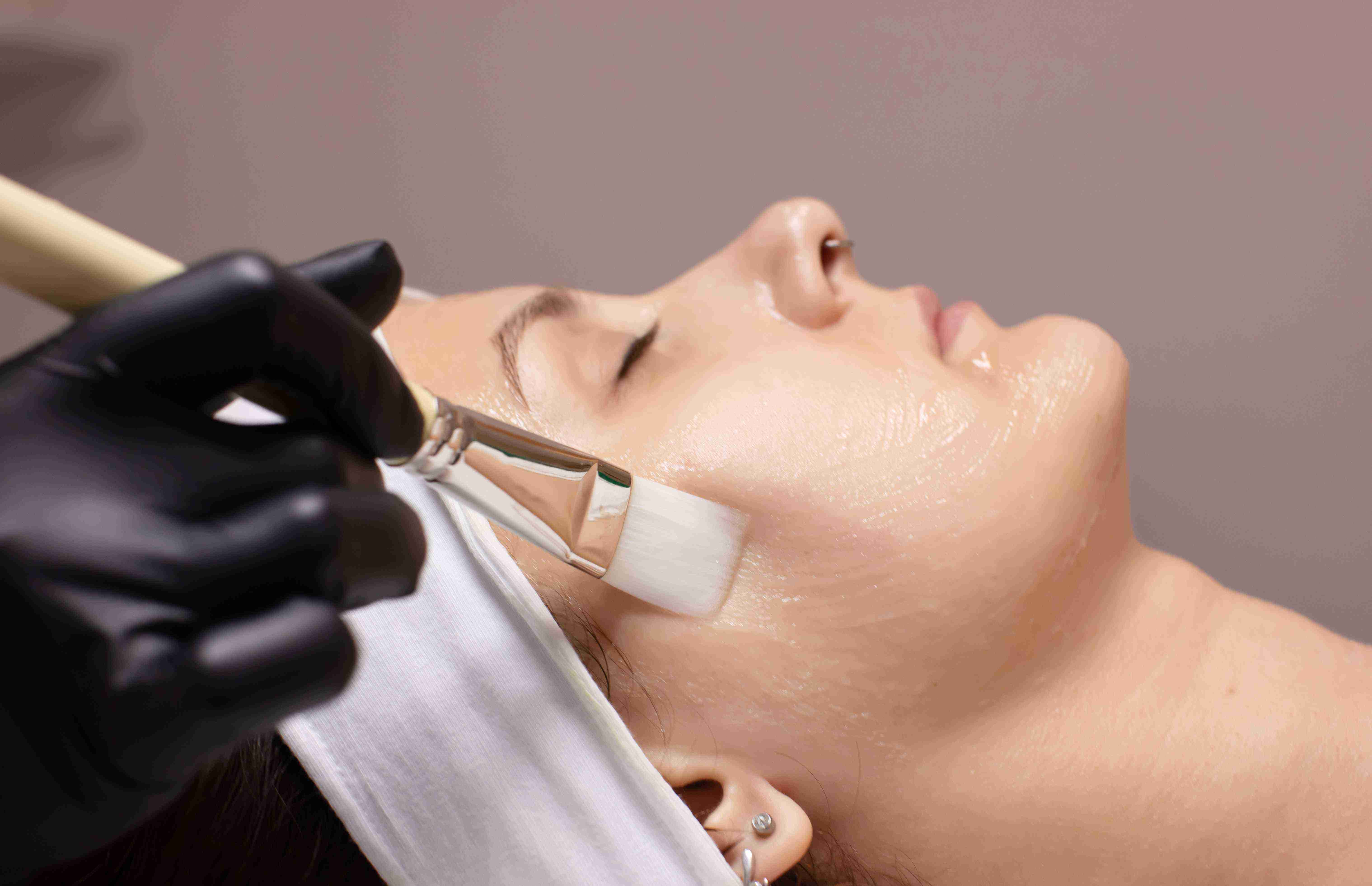
How Medium to Deep Chemical Peels Work
These peels work by deeply penetrating the skin to:

A brief but thorough assessment precedes every skin tag treatment session at Claire Derma. Our dermatologist counts and maps the tags, noting their size, colour, and distribution pattern. Tags clustered in friction zones like the axillae or inguinal folds often signal underlying metabolic factors, and we may recommend blood glucose and lipid testing for patients with a high tag count.
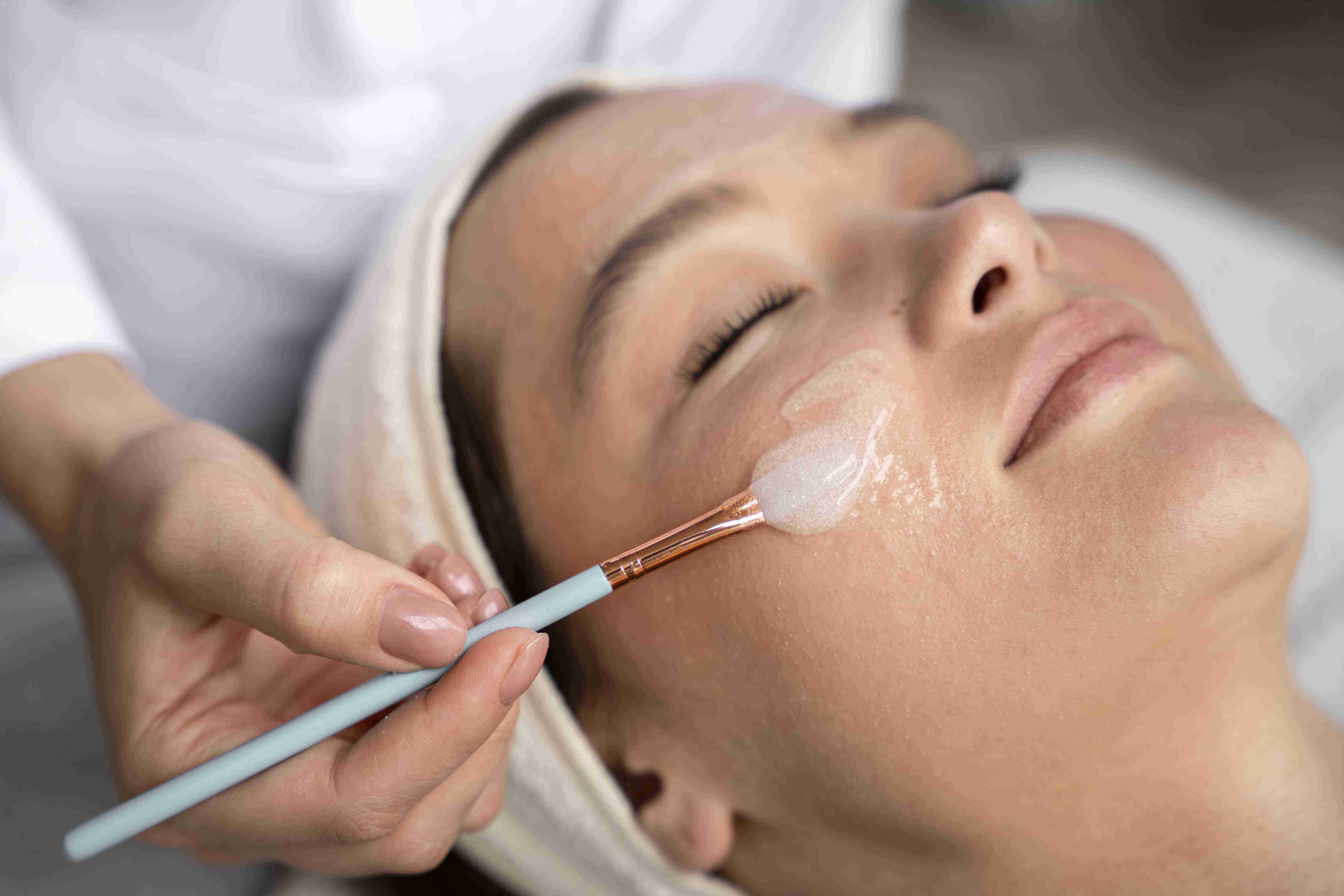
Treating Acne with Medium to Deep Chemical Peels
The two primary techniques used for quick skin tag excision at Claire Derma are radiofrequency cauterisation and snip excision. Radiofrequency delivers a precise burst of energy through a fine-tip electrode that severs and seals the tag's stalk simultaneously — there is virtually no bleeding and the procedure takes three to five seconds per tag.
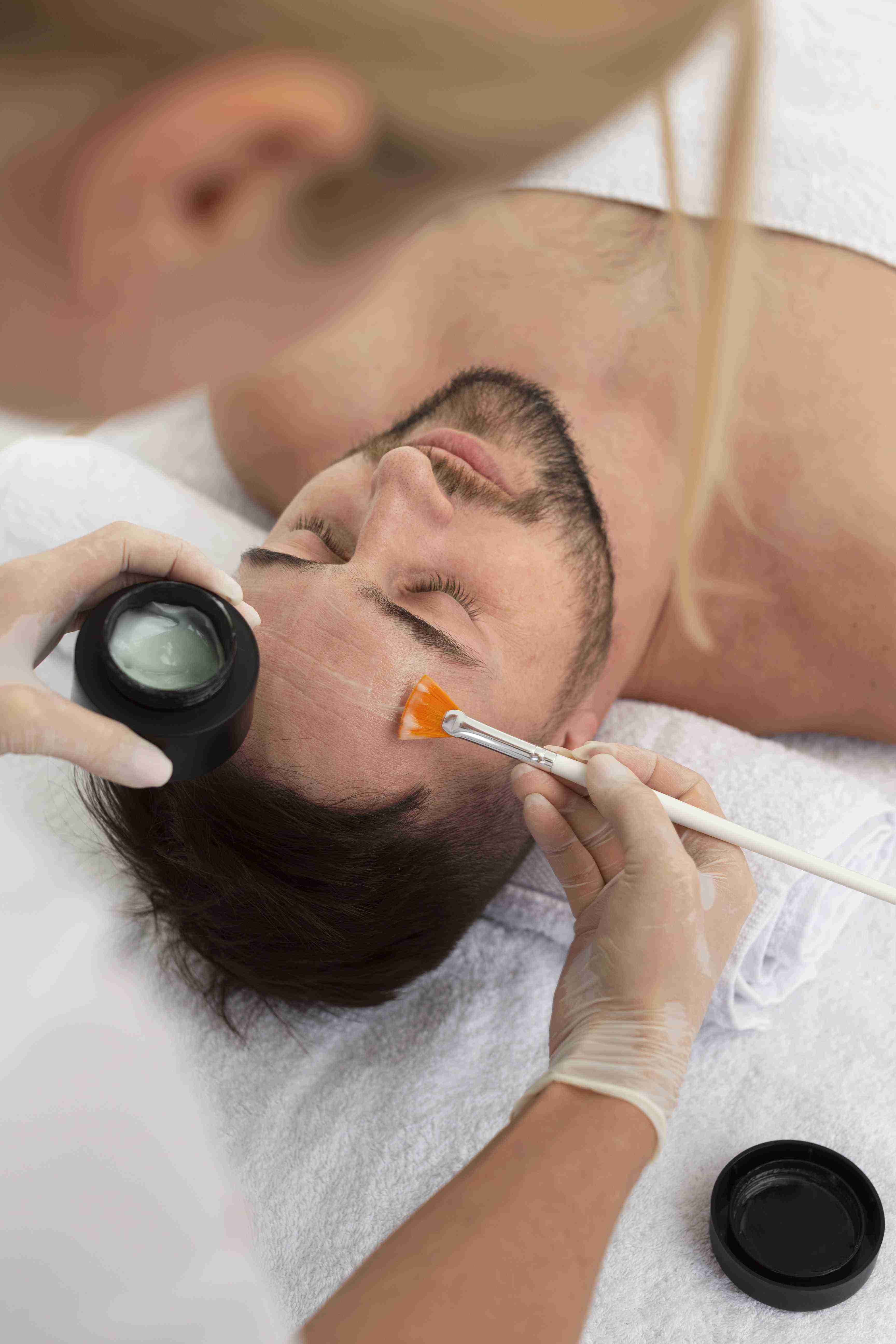
Benefits of Medium to Deep Peels for Acne
Quick professional excision at Claire Derma eliminates the frustration and risk of home removal methods. Tying off tags with thread, applying apple cider vinegar, or using unregulated freeze kits can cause infection, incomplete removal, and hyperpigmentation — problems that take far longer to resolve than the original tag.
Ideal Candidates for the Treatment
This treatment is ideal for individuals who:
After your session at Claire Derma, the treated areas typically appear as small pink dots that fade over one to two weeks. No special wound care is needed beyond keeping the sites clean and applying a thin layer of petroleum jelly for the first two to three days if the area feels dry. Avoid applying perfumed products, retinoids, or exfoliating acids directly over the treated spots until they have fully healed.
The Treatment Process
01
Consultation & Skin Analysis
The dermatologist assesses acne severity and selects the best peel formulation. Our dermatologist counts and inspects each skin tag under magnification, confirms the diagnosis, and discusses the most efficient removal method based on tag size, number, and location. If metabolic screening is appropriate, blood tests may be recommended before or after the treatment session.
02
Preparation
The skin is cleansed, and protective measures are taken for sensitive areas. The treatment area is cleaned with antiseptic. For sensitive areas, a topical numbing cream is applied twenty to thirty minutes beforehand. Larger tags may receive a small local anaesthetic injection at the base. Protective eyewear is provided when treating tags near the eyes.
03
Peel Application
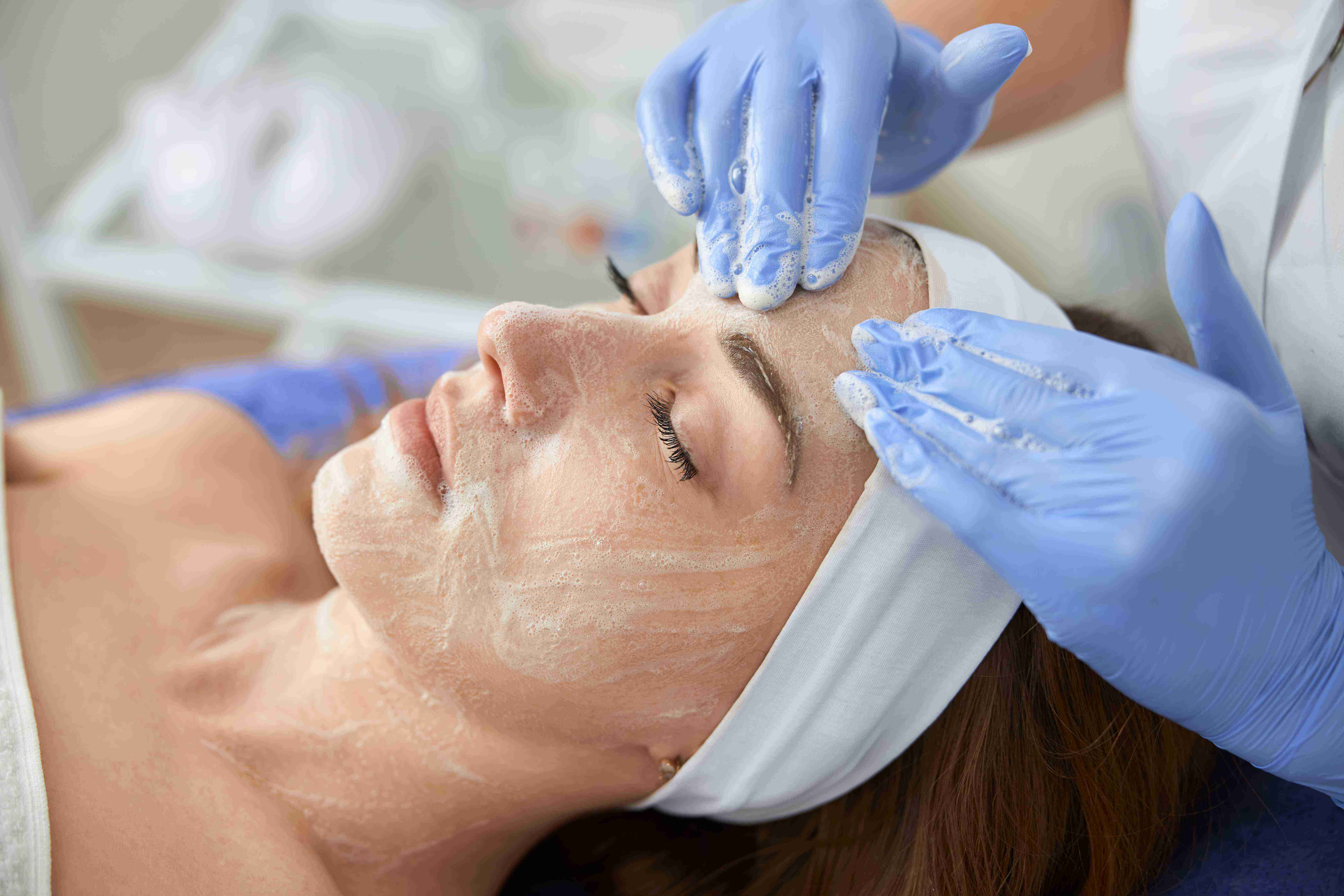
A customized medium or deep peel solution is applied for controlled penetration. Each tag is removed using radiofrequency cauterisation, snip excision, or cryotherapy depending on its size and location. The session typically lasts fifteen to thirty minutes for up to twenty tags. Patients feel a brief warm or cold sensation per tag.
04
Neutralization & Post-Treatment Care
The peel is neutralized, and a soothing recovery serum is applied. Patients leave the clinic with no bandaging required for most treated sites. A brief aftercare sheet covers cleaning instructions and what to expect during healing. A follow-up at two weeks confirms complete healing and checks for any missed tags.
Expected Results & Recovery

Visible improvements after one session, with further refinement over multiple treatments.
Fewer blemishes, reduced scarring, and an even complexion.
Expect peeling and skin sensitivity for 5–7 days.
With proper maintenance, results can last several months.
Got Questions?We've Got Answers
Find answers to the most common questions about our treatments, procedures, and recovery process. If you can't find what you're looking for, our support team is always here to help.
Typically, 3–6 sessions, spaced 4–6 weeks apart, yield the best results.
Patients may feel a warm or stinging sensation, but discomfort is manageable.
Peeling and flaking can last between 5–10 days, depending on peel strength.
It significantly reduces acne and breakouts, but maintenance treatments and a proper skincare routine are essential.
Sun exposure must be strictly avoided for at least a week, and broad-spectrum sunscreen is mandatory.
Most sessions at Claire Derma take fifteen to thirty minutes, including preparation and aftercare instructions. The actual removal time per tag is only three to five seconds with radiofrequency and slightly longer with snip excision. Patients with fewer than ten tags are often finished in under fifteen minutes.
There is essentially no downtime. The treated spots appear as small pink marks that are barely noticeable by the next day. You can return to work, exercise, and social activities immediately after leaving the clinic.
Yes. Eyelid skin tags are among the most commonly treated at Claire Derma. We use a fine-tip radiofrequency electrode or micro-scissors under topical anaesthesia, with the patient's eye protected by a shield. The thin eyelid skin heals quickly — usually within five to seven days — and the procedure takes under a minute per tag.
Skin tags are driven by factors like friction, hormonal changes, insulin resistance, and genetics. Removing existing tags does not change these underlying causes, which is why new ones can appear over time. At Claire Derma, we address this by screening for metabolic contributors and advising on practical measures — weight management, wearing smooth-seam clothing, and reducing heavy jewellery in friction zones.