
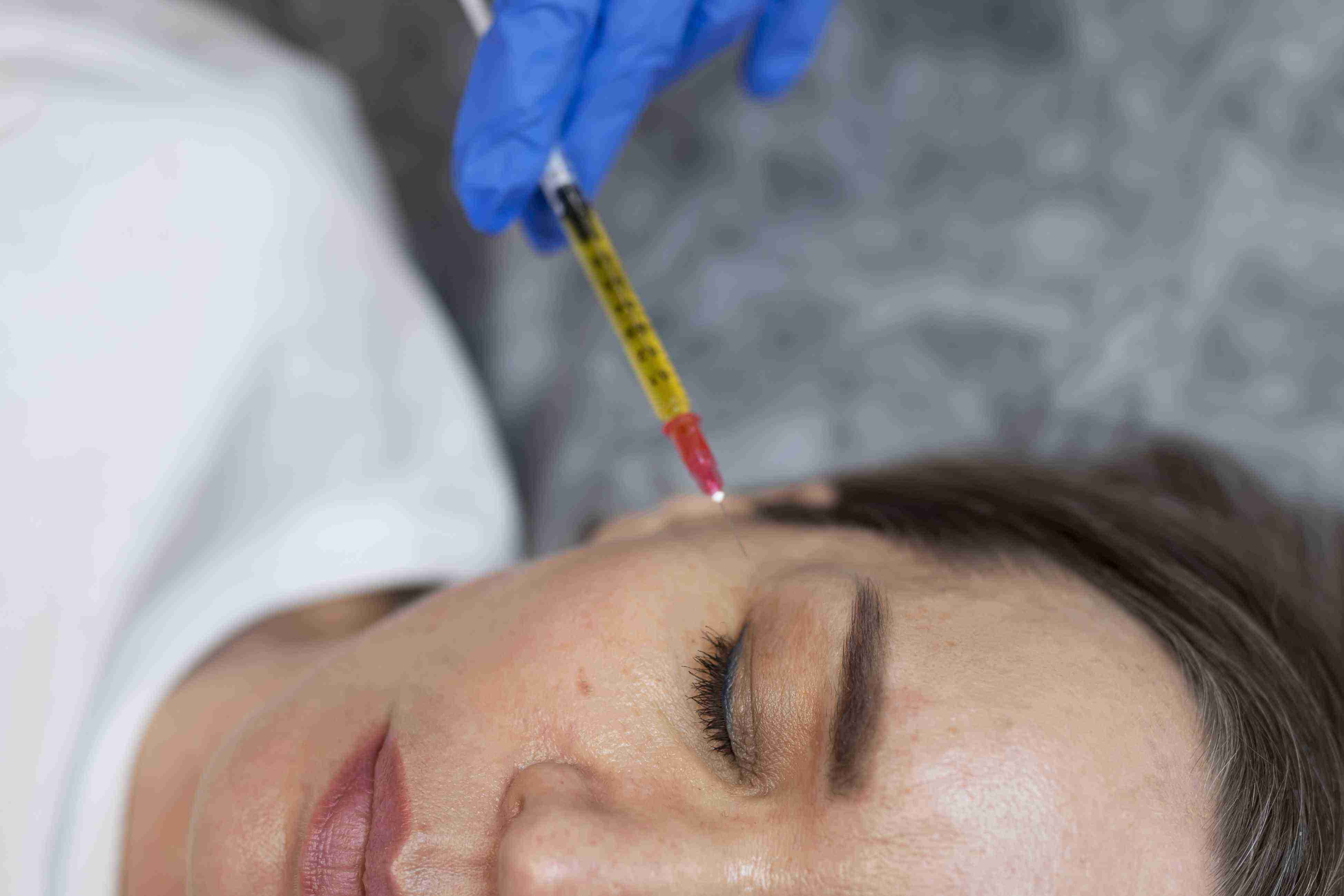
Introduction to Vampire Facelift (PRP Facelift)
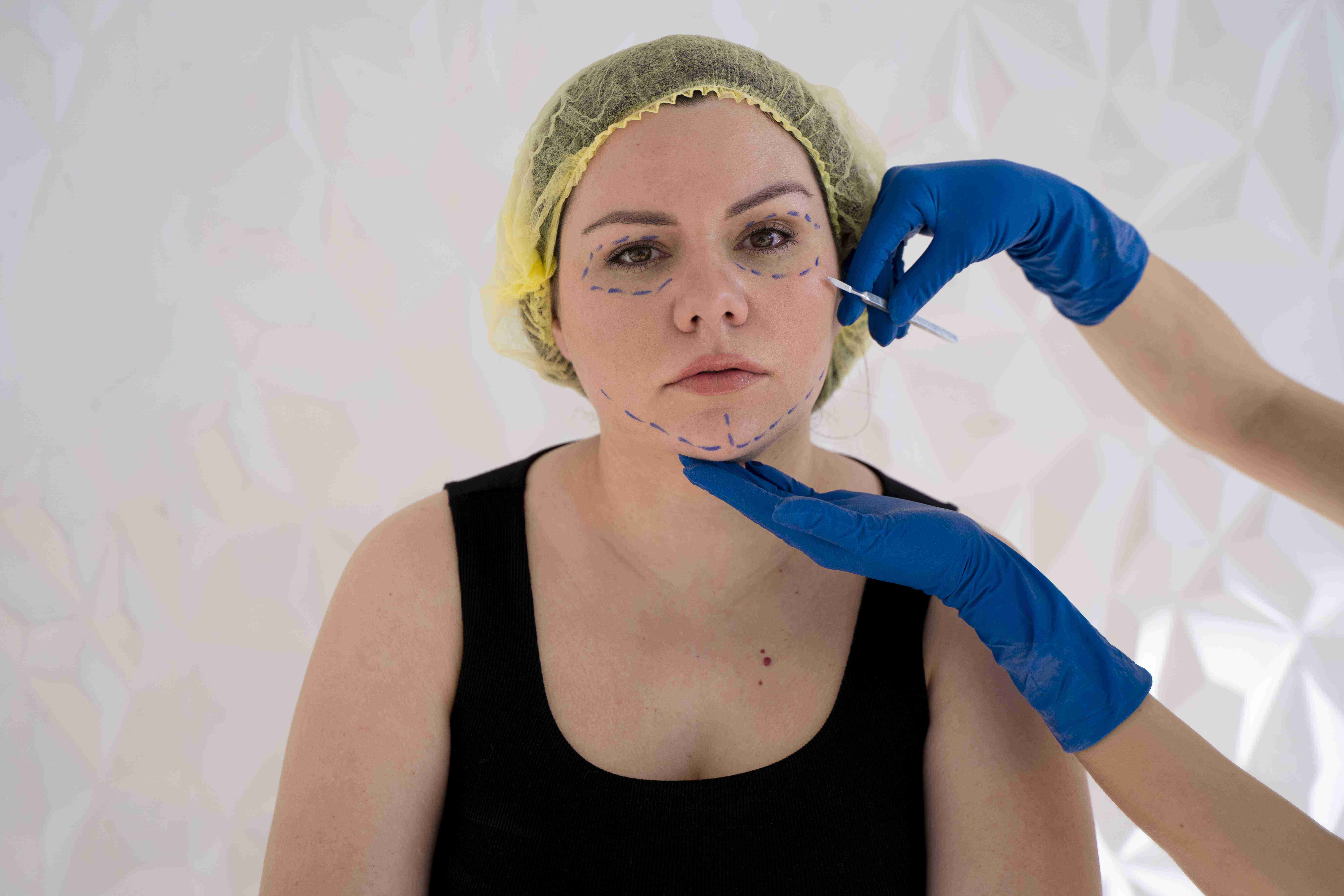
The Vampire Facelift, also known as the PRP Facelift, is an advanced skin rejuvenation treatment that harnesses the healing power of Platelet-Rich Plasma (PRP) derived from the patient’s own blood. PRP is rich in growth factors that stimulate collagen production, tissue repair, and cell regeneration. This treatment is highly effective for improving skin texture, reducing fine lines, and enhancing overall skin quality. Acne scars occur when inflammation from breakouts damages collagen, leading to textural irregularities, indentations, and discoloration. The PRP Facelift can accelerate skin healing, smooth out scars, and improve skin tone, making it an excellent solution for acne-scarred skin.
Acne scars persist because the dermis never fully repairs the damage left by inflamed lesions. Ice pick scars drill narrow channels deep into the skin, boxcar scars create broad depressions with sharp edges, and rolling scars form undulating waves from fibrous bands pulling the surface downward. Vampire facelift therapy addresses these varied scar types by delivering concentrated platelet-rich plasma directly into the damaged dermis.
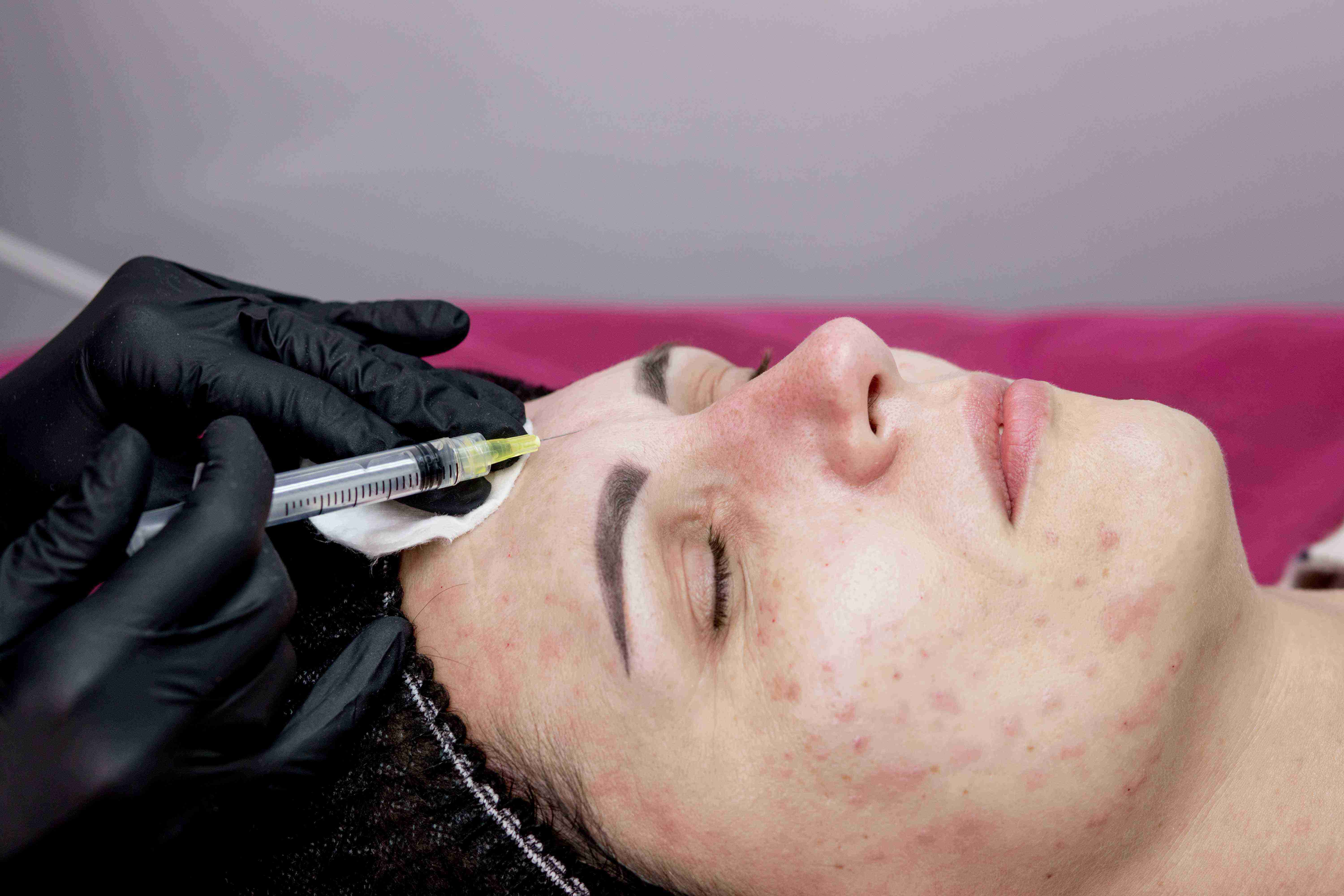
How the Vampire Facelift (PRP Facelift) Works
The treatment involves a combination of microneedling or dermal fillers with PRP therapy to boost skin repair and stimulate collagen production. The process works by:

Scar assessment at Claire Derma goes beyond identifying scar types. Our dermatologists evaluate scar depth, density, skin thickness, and the presence of tethered fibrous bands using dermoscopy and cross-polarised lighting. This detailed mapping determines PRP injection technique, volume, and depth for each scar cluster.
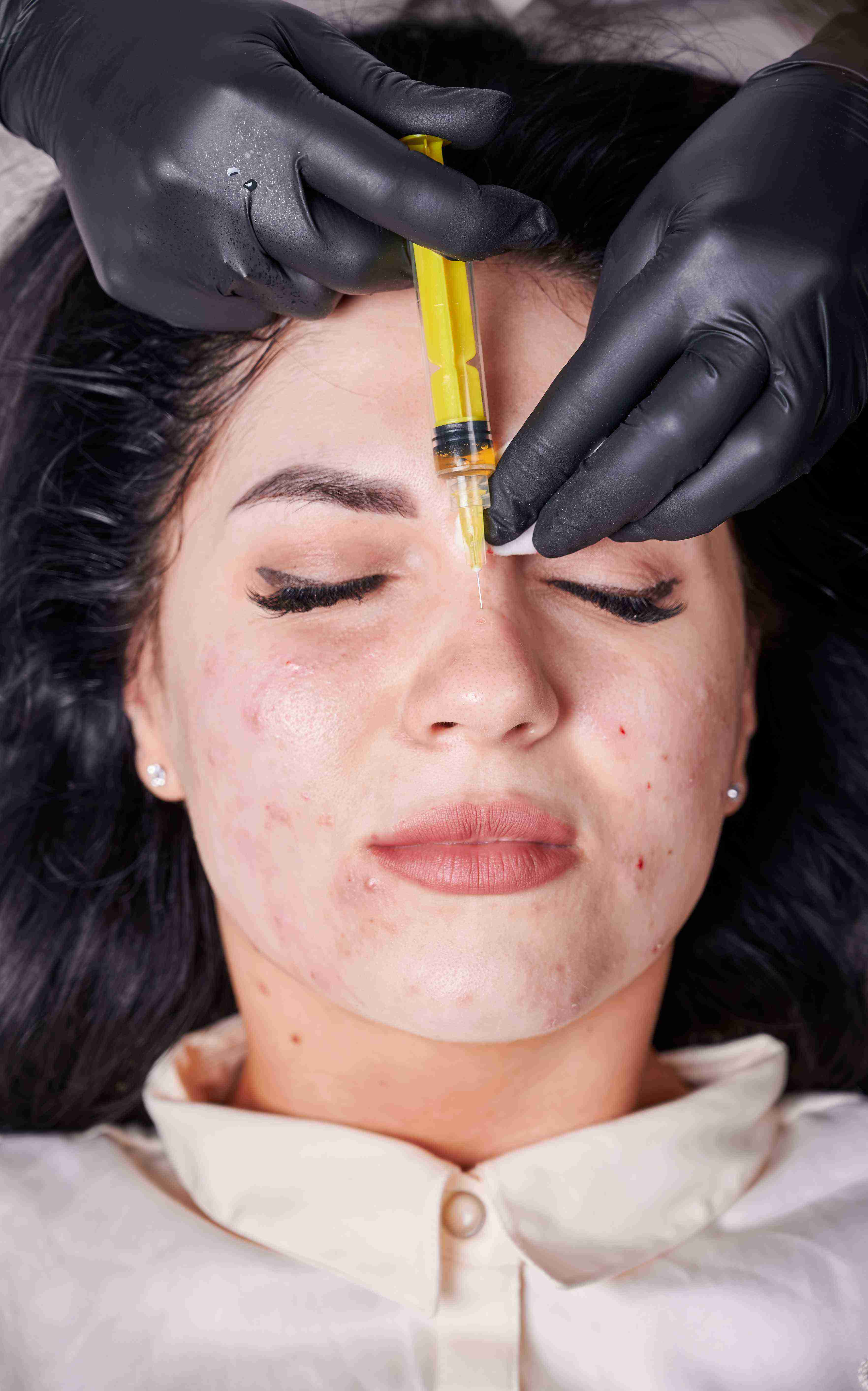
Treating Acne Scars with the PRP Facelift
Acne scars form when breakouts penetrate deep into the skin, damaging collagen and leading to depressed or pitted scars. The PRP Facelift targets acne scars by:
PRP preparation for acne scar treatment at Claire Derma follows strict protocols to ensure optimal growth factor concentration. We draw 20 to 30 millilitres of venous blood and process it through dual-spin centrifugation, producing a platelet concentrate three to five times above baseline. Activation with calcium chloride triggers immediate growth factor release from platelet alpha granules.
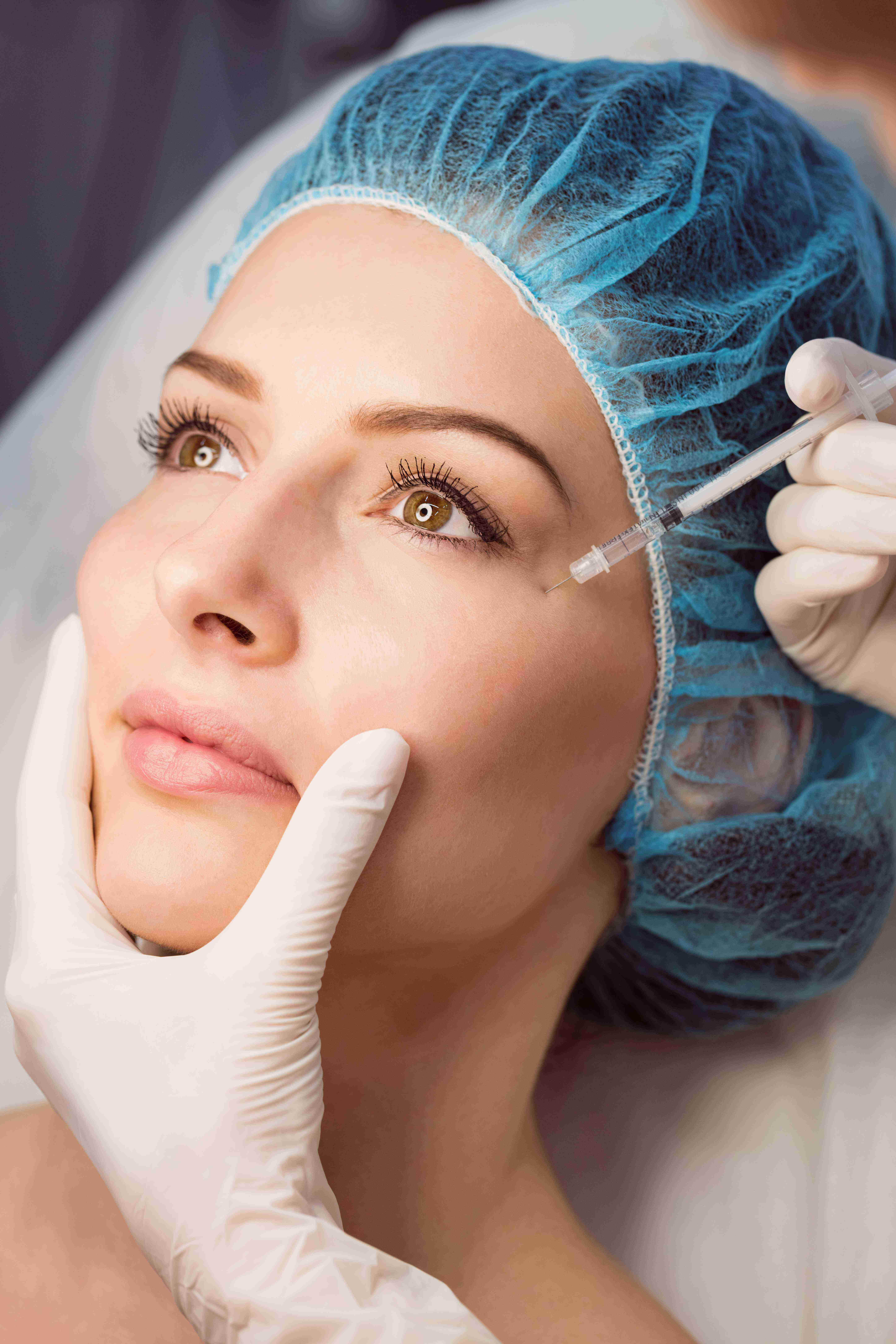
Benefits of the PRP Facelift for Acne Scars
PRP therapy for acne scars at Claire Derma offers a regenerative approach that works with your body rather than against it. Ablative lasers vaporise tissue to trigger remodelling but carry risks of hyperpigmentation, prolonged redness, and infection — particularly for darker skin tones.
Ideal Candidates for the Treatment
This treatment is suitable for individuals who:
After each PRP session for acne scars, expect mild swelling and redness that lasts 24 to 48 hours. If subcision was performed alongside PRP, bruising in the released areas is normal and resolves within five to seven days. We advise avoiding direct sun exposure, retinoids, and exfoliating acids for 48 hours post-treatment. A gentle cleanser and barrier repair moisturiser are the only products you should use during the first two days.
The Treatment Process
01
Consultation & Skin Assessment
A specialist evaluates the severity of acne scars and determines the treatment plan. Your dermatologist maps each scar type, depth, and location using dermoscopy and cross-polarised lighting. We photograph your skin under standardised conditions, discuss previous scar treatments and their outcomes, and design a PRP protocol with scar-specific injection techniques planned for each facial zone.
02
Blood Extraction & PRP Preparation
A small blood sample is drawn and spun in a centrifuge to isolate PRP. We draw 20 to 30 millilitres of blood and process it through dual-spin centrifugation for approximately 15 minutes. Topical numbing cream is applied to the treatment area during this phase.
03
Application of PRP
PRP is either: Injected directly into the scarred areas for deeper repair. Applied with microneedling to enhance overall skin regeneration. Our dermatologist performs subcision on tethered scars first, then injects activated PRP at scar-specific depths using point, fanning, or multi-depth techniques depending on scar type. Remaining PRP is applied topically with a microneedling pass for overall texture improvement. Full-face sessions take 60 to 75 minutes.
04
Post-Treatment Care
Mild redness and swelling may occur but subside within 24–48 hours. Patients should avoid sun exposure and harsh skincare for a few days. Redness and swelling subside within 24 to 48 hours. Bruising from subcision areas resolves in five to seven days. Avoid retinoids, acids, and direct sun for 48 hours. Collagen remodelling accelerates over weeks four through twelve after each session.
Expected Results & Recovery

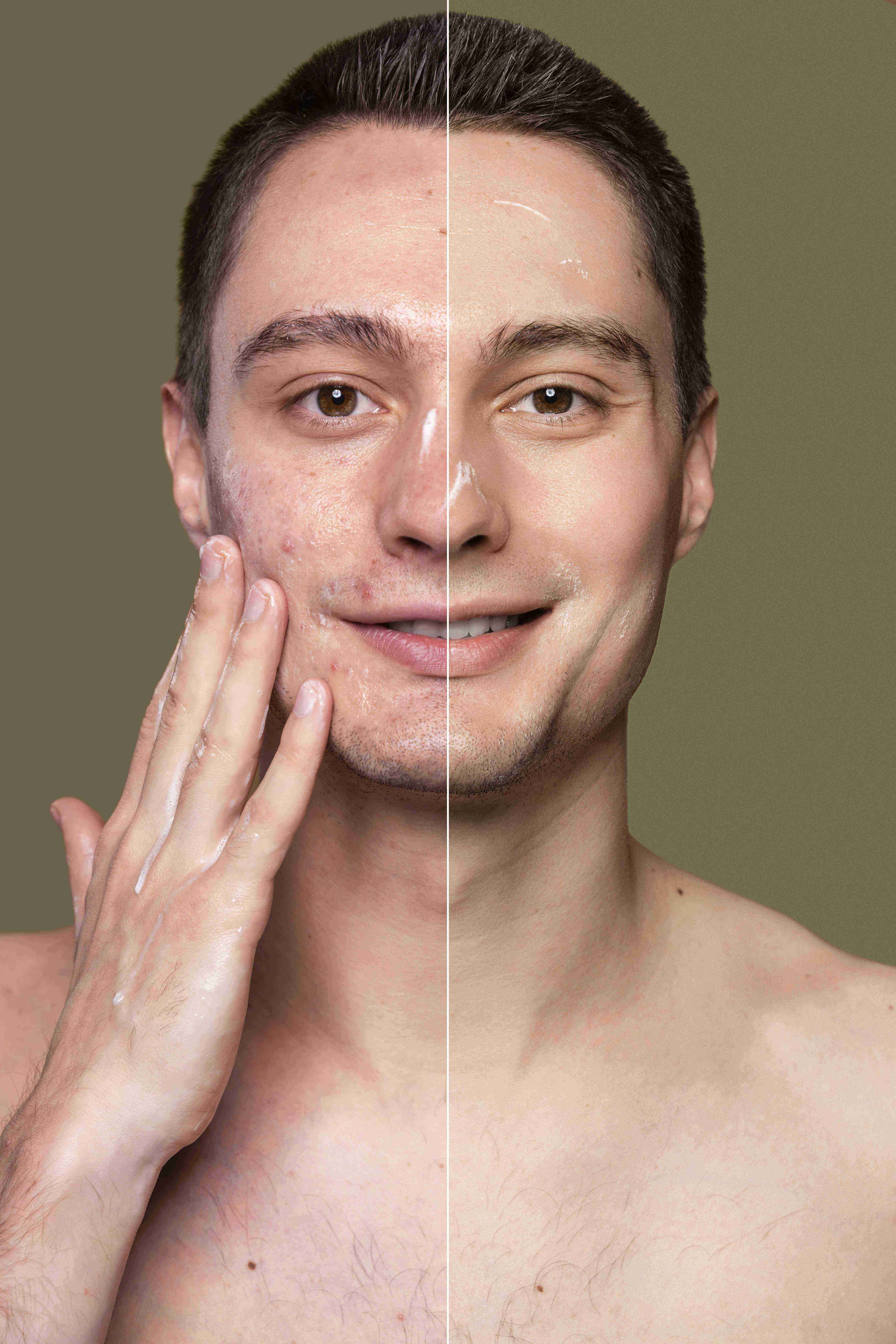
Acne scars begin to fade over several weeks, with best results seen after 3–6 months.
Redness typically subsides within 1–2 days.
With proper skincare, effects can last up to a year, with touch-ups recommended.
Got Questions?We've Got Answers
Find answers to the most common questions about our treatments, procedures, and recovery process. If you can't find what you're looking for, our support team is always here to help.
Most patients notice initial improvement within a few weeks, but full results develop over 3–6 months.
It is most effective for atrophic scars (rolling, boxcar scars) but less effective for deep ice-pick scars.
Generally, 3–4 sessions spaced 4–6 weeks apart provide the best acne scar reduction.
While it significantly improves skin texture and reduces scar visibility, severe scars may require combination treatments with microneedling or laser therapy.
The procedure is well-tolerated, but a numbing cream is applied to reduce discomfort.
Yes, it works well alongside microneedling, laser resurfacing, or chemical peels for enhanced results.
Results last 6–12 months, with maintenance treatments recommended yearly.
Mild redness and swelling may occur, but serious side effects are rare since PRP is derived from the patient’s own blood.
Rolling scars and shallow boxcar scars typically show the most improvement with PRP because the dermal damage is accessible and the tissue retains enough structure to respond to growth factor stimulation. Deep ice pick scars benefit from PRP but often need combination treatment — such as TCA cross or punch excision — to address the narrow, deep channels before PRP fills the remaining deficit.
Yes, and the combination often produces better results than either treatment alone. PRP applied after fractional laser treatment delivers growth factors directly through the laser-created channels, accelerating healing and improving collagen quality during the recovery phase.
Collagen remodelling from PRP is gradual. Most patients notice initial texture improvements four to six weeks after the first session, with progressive smoothing over the following two to three months as new collagen matures. The full effect of a complete treatment course — typically three to five sessions — becomes apparent three to four months after the final session.
Most acne medications are compatible with PRP therapy, but there are exceptions. Isotretinoin (Accutane) should be discontinued at least six months before PRP treatment because it suppresses the skin's healing response that PRP depends on. Topical retinoids should be paused 48 hours before and after each session. Antibiotics and benzoyl peroxide can generally continue.