
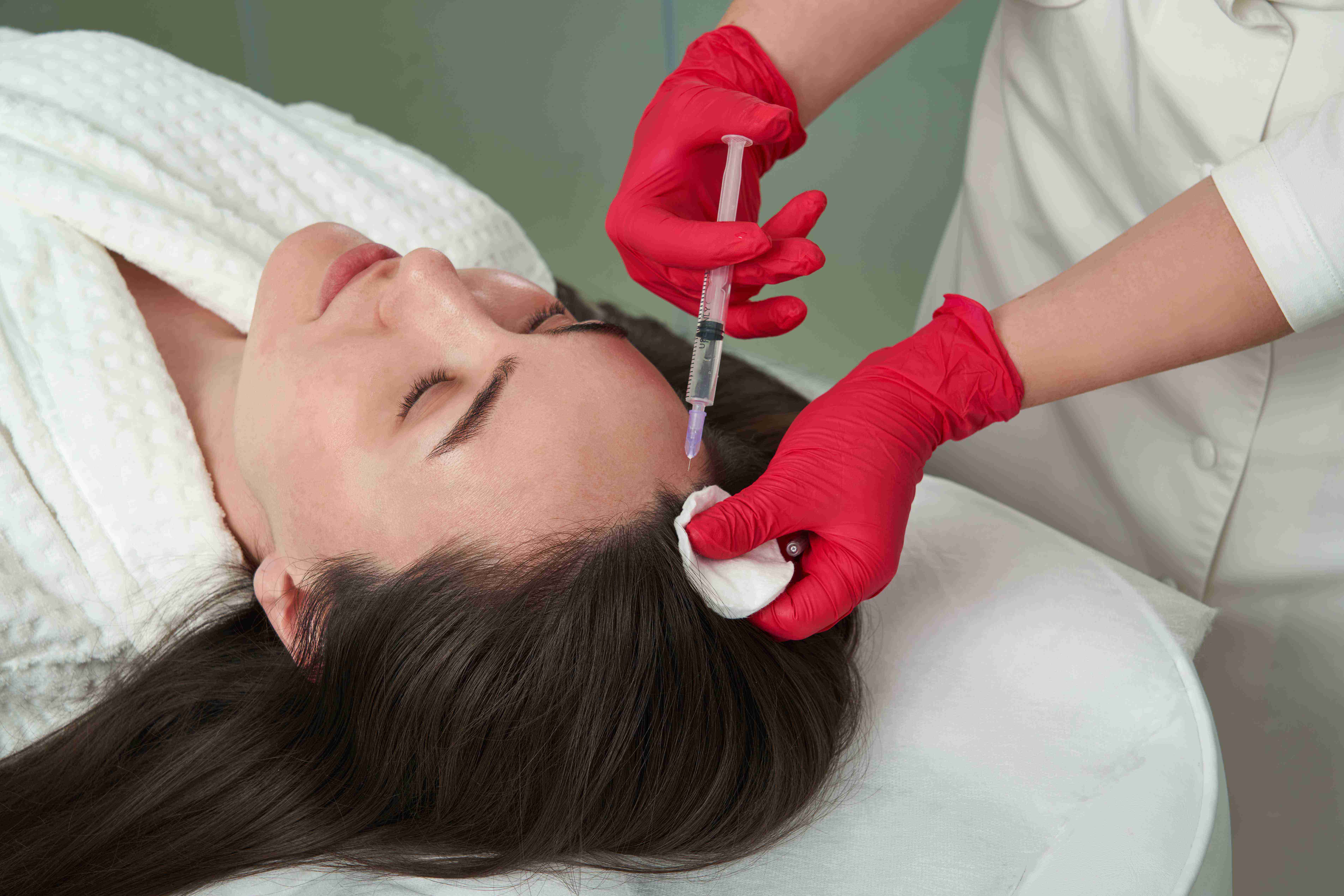
Introduction to Vampire Facelift (PRP Facelift)
The Vampire Facelift, also known as the PRP (Platelet-Rich Plasma) Facelift, is an advanced skin rejuvenation therapy that harnesses the body's natural healing abilities. This treatment uses PRP derived from the patient’s own blood to stimulate collagen production, tissue repair, and cellular regeneration. The result is firmer, smoother, and more youthful-looking skin without the need for invasive surgery. Aging leads to collagen depletion, loss of skin elasticity, fine lines, and volume reduction, resulting in sagging and dullness. The PRP Facelift reverses these signs by boosting collagen renewal, enhancing skin hydration, and restoring a youthful glow.
Skin aging accelerates when collagen production slows — typically after age 25, declining at roughly one percent per year. The result is thinner skin, fine lines, volume loss, and a dull complexion that topical products alone cannot reverse. Vampire facelift therapy targets these changes by reintroducing concentrated platelet-rich plasma into the facial dermis, where growth factors stimulate fibroblast activity and trigger new collagen synthesis.
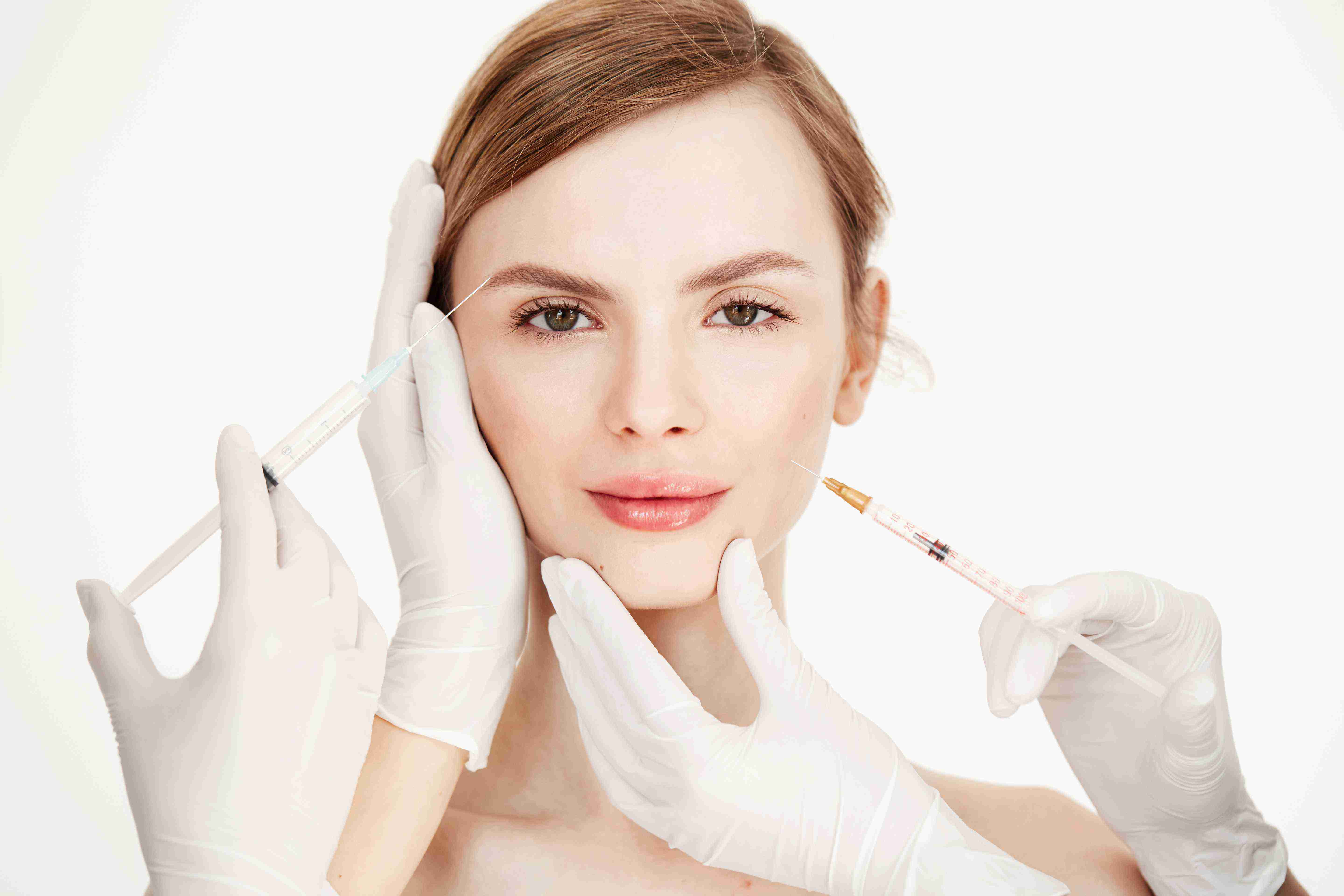
How the Vampire Facelift (PRP Facelift) Works
This treatment combines PRP therapy with microneedling or dermal fillers to accelerate skin repair and anti-aging benefits. The process involves:

Aging manifests differently across facial zones, and our PRP protocols reflect that. The under-eye area develops crepey texture and dark hollows due to thin skin and poor circulation — PRP injections here improve microcirculation and stimulate collagen in a zone where aggressive treatments carry high risk.
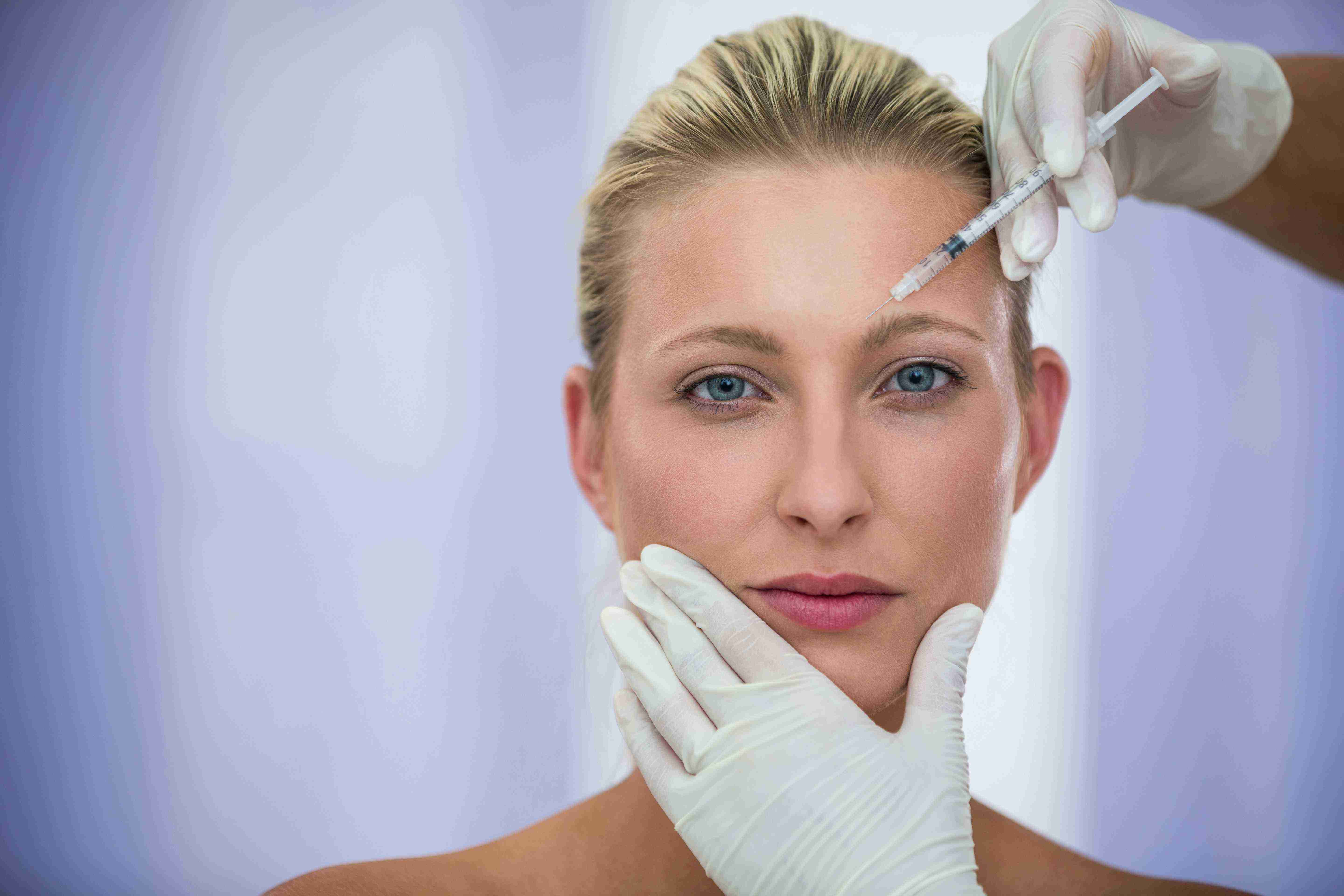
Reversing Signs of Aging with the PRP Facelift
At Claire Derma, the PRP preparation process for anti-aging treatments is calibrated to maximise growth factor concentration. We draw 15 to 25 millilitres of blood and process it through a dual-spin centrifuge that isolates platelets at three to five times their normal blood concentration.
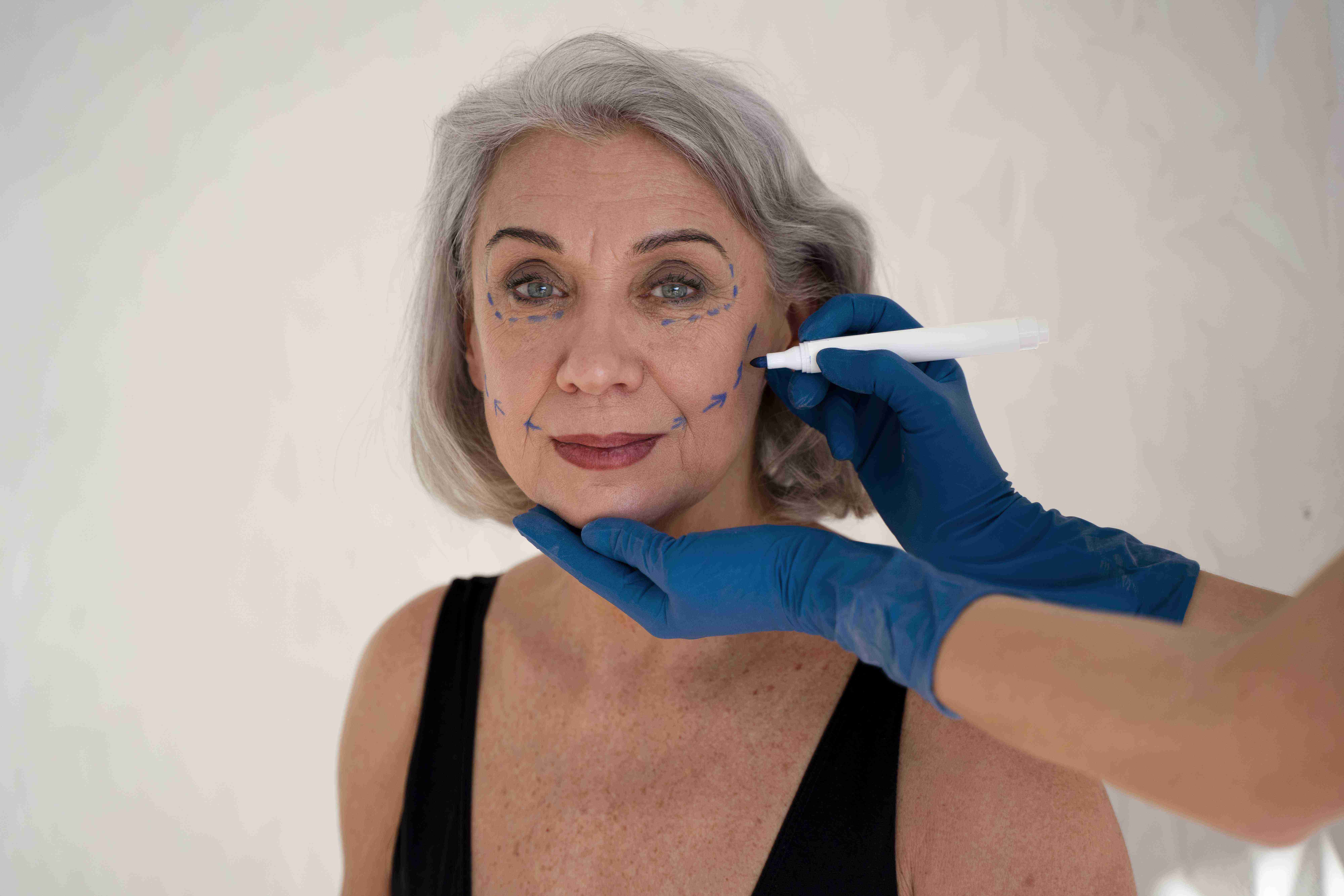
Benefits of the PRP Facelift for Anti-Aging
PRP anti-aging therapy at Claire Derma delivers results that synthetic treatments cannot replicate because it works with your body's own regenerative processes. There is zero risk of allergic reaction since the plasma comes from your own blood. The results appear gradually over four to eight weeks, avoiding the sudden change that makes cosmetic work obvious.
Ideal Candidates for the Treatment
This treatment is ideal for individuals who:
Post-treatment care for PRP anti-aging sessions is simple but specific. Mild swelling and redness across the treated areas last 12 to 24 hours. We ask patients to avoid makeup for 12 hours, skip retinoids and active acids for 48 hours, and stay out of direct sunlight for the first week. Sleeping slightly elevated on the first night helps reduce puffiness.
The Treatment Process
01
Consultation & Skin Assessment
A specialist evaluates skin aging concerns and determines the best approach. Your dermatologist evaluates facial aging zone by zone — assessing volume loss, fine lines, skin texture, and elasticity. We photograph your face under standardised lighting, discuss your cosmetic goals and any previous treatments, and design a PRP protocol that targets your specific aging concerns across.
02
Blood Extraction & PRP Preparation
A small blood sample is taken and processed in a centrifuge to extract PRP. We draw 15 to 25 millilitres of blood and process it through a dual-spin centrifuge for approximately 15 minutes. Topical anaesthetic cream is applied to your face during the centrifuge phase.
03
PRP Application
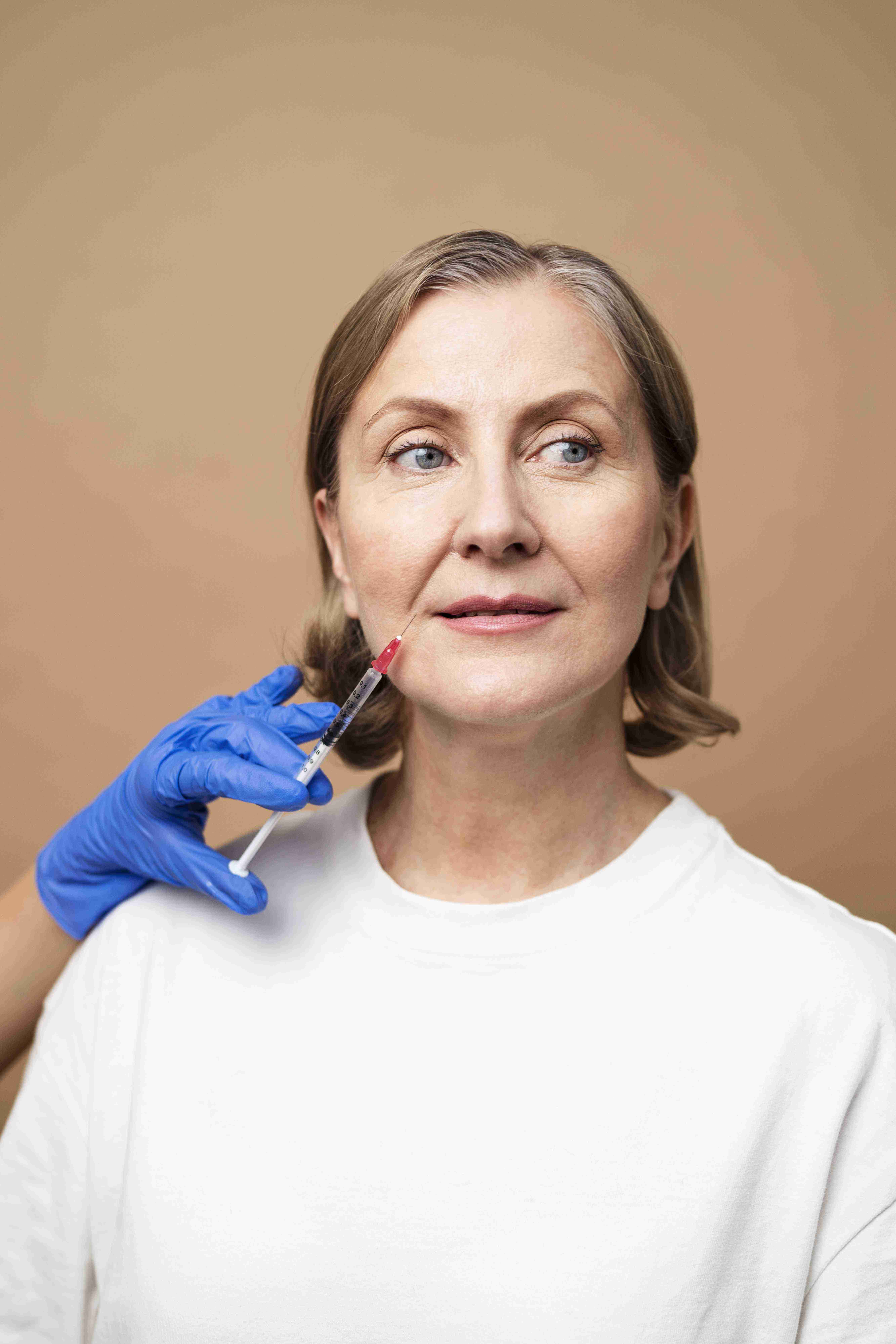
The PRP is applied in two ways: Injected into targeted areas to boost collagen and volume. Microneedling technique to allow PRP to penetrate deeply into the skin. Our dermatologist injects PRP using zone-specific techniques — linear threading for folds, serial puncture for delicate areas, and blanket microinjections for overall rejuvenation. Treatment depth ranges from 1 to 3 millimetres depending on the facial zone.
04
Post-Treatment Care
Mild redness and swelling may occur but subside within 24–48 hours. Patients should avoid direct sun exposure and harsh skincare products for a few days. Expect mild redness and swelling for 12 to 24 hours. Avoid makeup for 12 hours, active skincare ingredients for 48 hours, and direct sun exposure for one week. Collagen remodelling begins within days and continues for eight to twelve weeks.
Expected Results & Recovery

Wrinkles and skin laxity improve over 3–6 months as collagen production increases.
Most patients experience redness for 1–2 days before resuming normal activities.
Effects last 6–12 months, with maintenance sessions recommended annually.
Got Questions?We've Got Answers
Find answers to the most common questions about our treatments, procedures, and recovery process. If you can't find what you're looking for, our support team is always here to help.
Initial skin glow and hydration improve within a few weeks, while collagen renewal takes 3–6 months for full results.
Typically, 3–4 sessions spaced 4–6 weeks apart provide optimal anti-aging results.
PRP is a natural alternative to fillers that enhances collagen and volume, but for deep wrinkles, a combination with fillers may be recommended.
A numbing cream is applied before treatment, making the procedure comfortable with minimal discomfort.
PRP works by naturally stimulating collagen, while lasers resurface the skin. Both treatments can be combined for enhanced anti-aging effects.
Results last 6–12 months, with maintenance sessions recommended yearly for continued benefits.
Since PRP comes from the patient’s own blood, allergic reactions are rare. Temporary redness, mild swelling, or bruising may occur but subside quickly.
Yes, PRP works well alongside microneedling, laser therapy, or dermal fillers to enhance skin firmness and radiance.
There is no strict minimum age, but most patients begin PRP therapy in their early to mid-thirties when collagen loss becomes visible as fine lines, dullness, and reduced skin bounce. Starting at this stage is proactive — you are reinforcing collagen reserves before significant loss occurs.
PRP, Botox, and fillers serve different purposes. Botox relaxes muscles to reduce dynamic wrinkles like crow's feet and forehead lines. Fillers add immediate volume to areas like cheeks and lips. PRP improves actual skin quality — thickness, elasticity, hydration, and texture — by stimulating your cells to produce new collagen and elastin.
After completing a full course of three to four sessions, most patients enjoy results for six to twelve months. The collagen and elastin your body produces in response to PRP is real tissue that degrades at your normal biological rate — so lifestyle factors like sun exposure, smoking, and sleep quality influence how long results hold.
Yes, but timing matters. For 48 hours after each PRP session, avoid retinoids, vitamin C serums, AHAs, BHAs, and any exfoliating products — these can irritate the microinjection sites and interfere with the initial healing response. After that window, you can resume your normal routine.