
Introduction to Vampire Facelift (PRP Facelift)
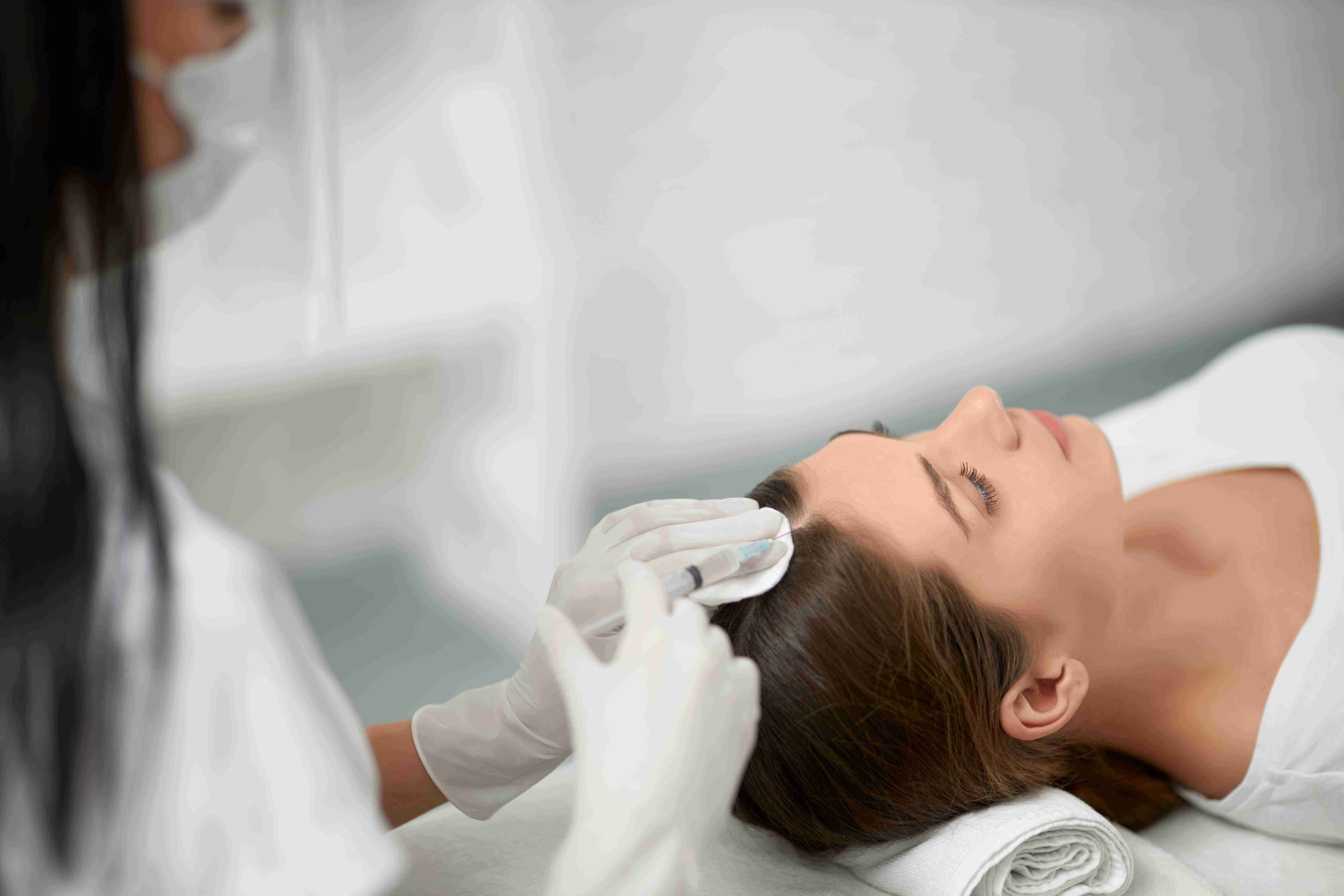
The Vampire Facelift, also known as the PRP (Platelet-Rich Plasma) Facelift, is an advanced regenerative therapy that uses growth factors extracted from the patient’s own blood to stimulate cell repair, collagen production, and tissue regeneration. While commonly used for facial rejuvenation, PRP is highly effective for treating hair loss, helping to strengthen hair follicles, increase hair thickness, and promote natural hair regrowth. Hair loss can result from genetic factors, hormonal changes, aging, stress, or medical conditions. PRP therapy helps revitalize weakened hair follicles, making it a non-surgical and natural solution for hair restoration.
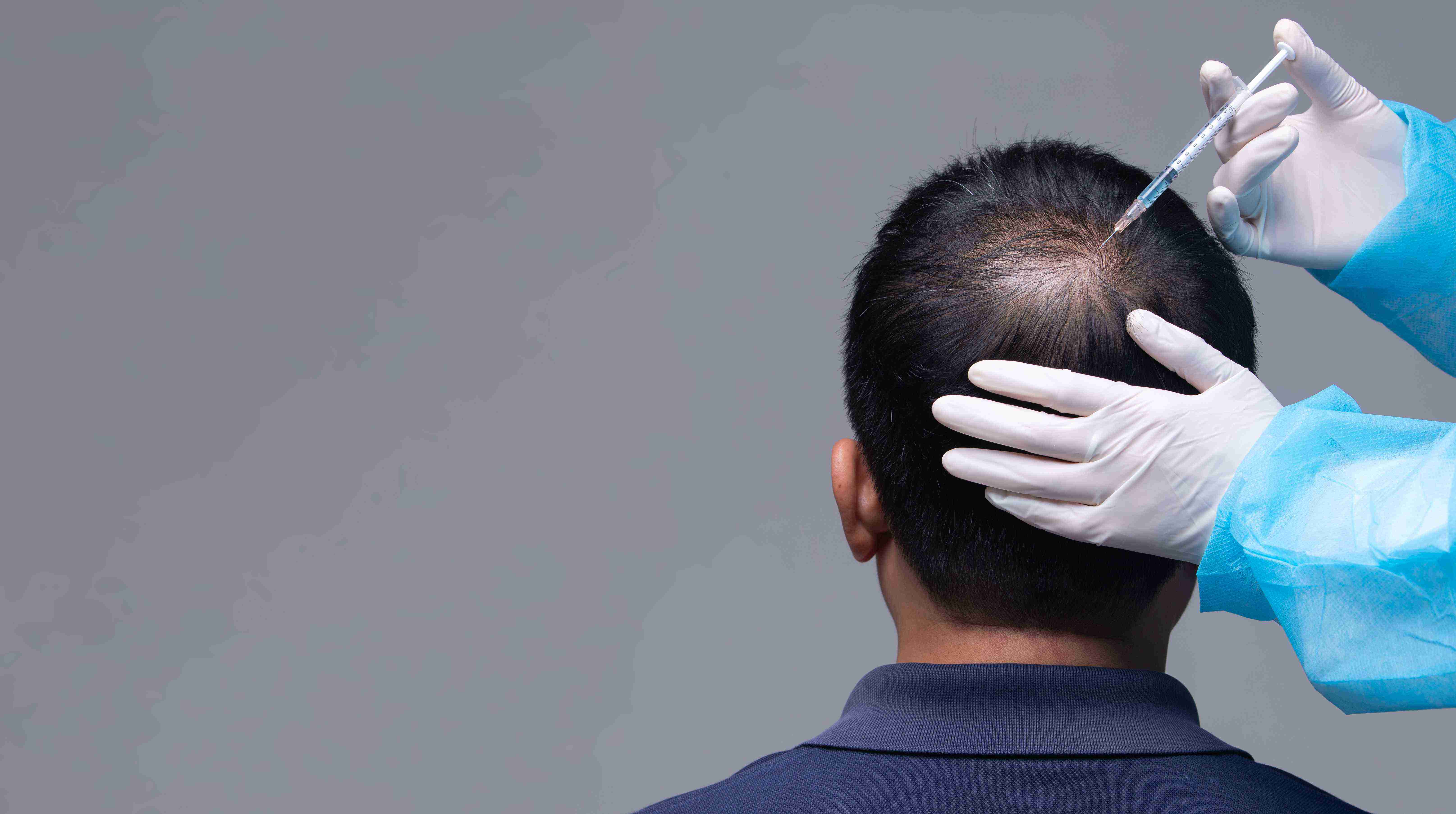
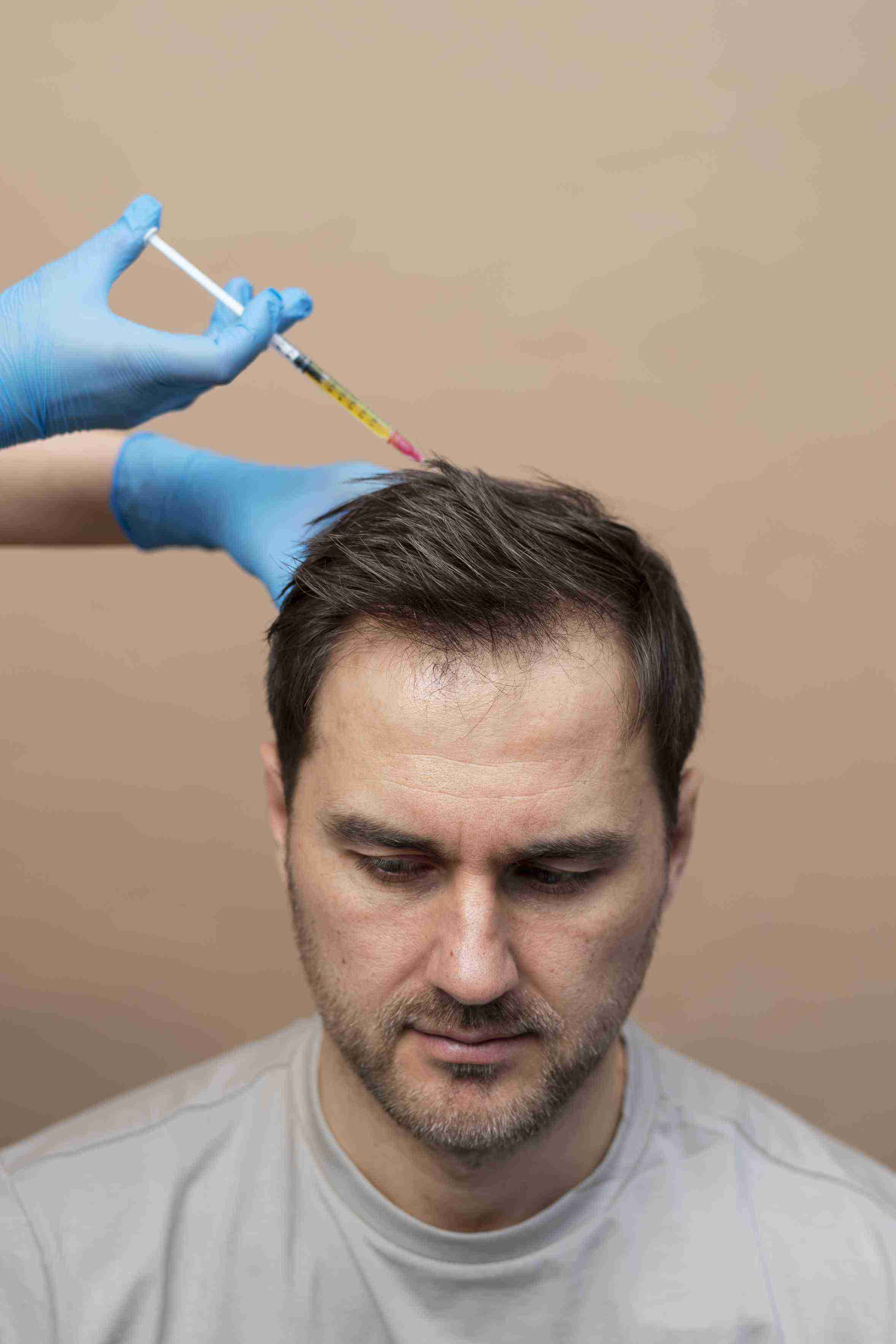
Hair loss occurs when follicles miniaturise — shrinking progressively with each growth cycle until they produce only fine, nearly invisible vellus hairs or stop producing hair entirely. Androgenetic alopecia, the most common form, affects roughly 50 percent of men and 40 percent of women over their lifetime. Vampire facelift PRP therapy for hair loss works by injecting concentrated platelet-rich plasma directly into the scalp dermis around miniaturising follicles.
How the Vampire Facelift (PRP) Works for Hair Loss
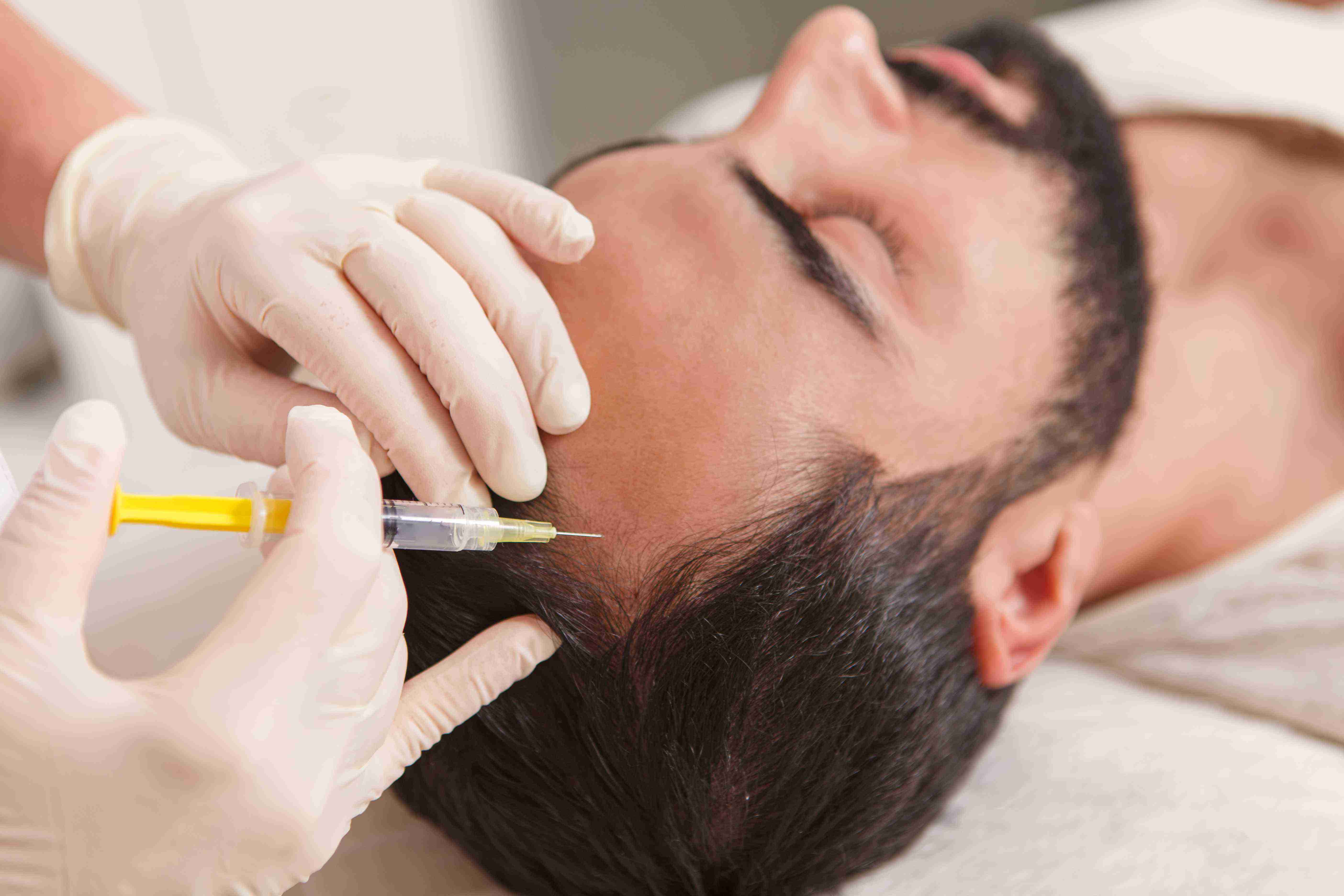
The treatment harnesses the healing power of platelets to stimulate the hair follicles' natural growth cycle. The process includes:

Hair loss presents differently depending on the underlying cause, and our PRP protocols reflect these differences. Male-pattern hair loss typically affects the crown and frontal hairline, requiring concentrated PRP injections in these recession zones. Female-pattern hair loss usually manifests as diffuse thinning across the central part line, needing broader coverage with more evenly distributed injection points.
Treating Hair Loss with PRP
Scalp PRP preparation at Claire Derma involves drawing 20 to 40 millilitres of blood — slightly more than facial PRP due to the larger treatment area. Dual-spin centrifugation concentrates platelets to three to five times above baseline, and activation with calcium chloride ensures growth factors release immediately upon injection.
Benefits of the PRP Facelift for Hair Loss
PRP for hair loss offers several advantages over pharmaceutical options like minoxidil and finasteride. It carries no systemic side effects — finasteride, while effective, causes sexual side effects in a meaningful percentage of male patients, and minoxidil requires indefinite twice-daily application with scalp irritation as a common complaint.
Ideal Candidates for the Treatment
This treatment is ideal for individuals who:
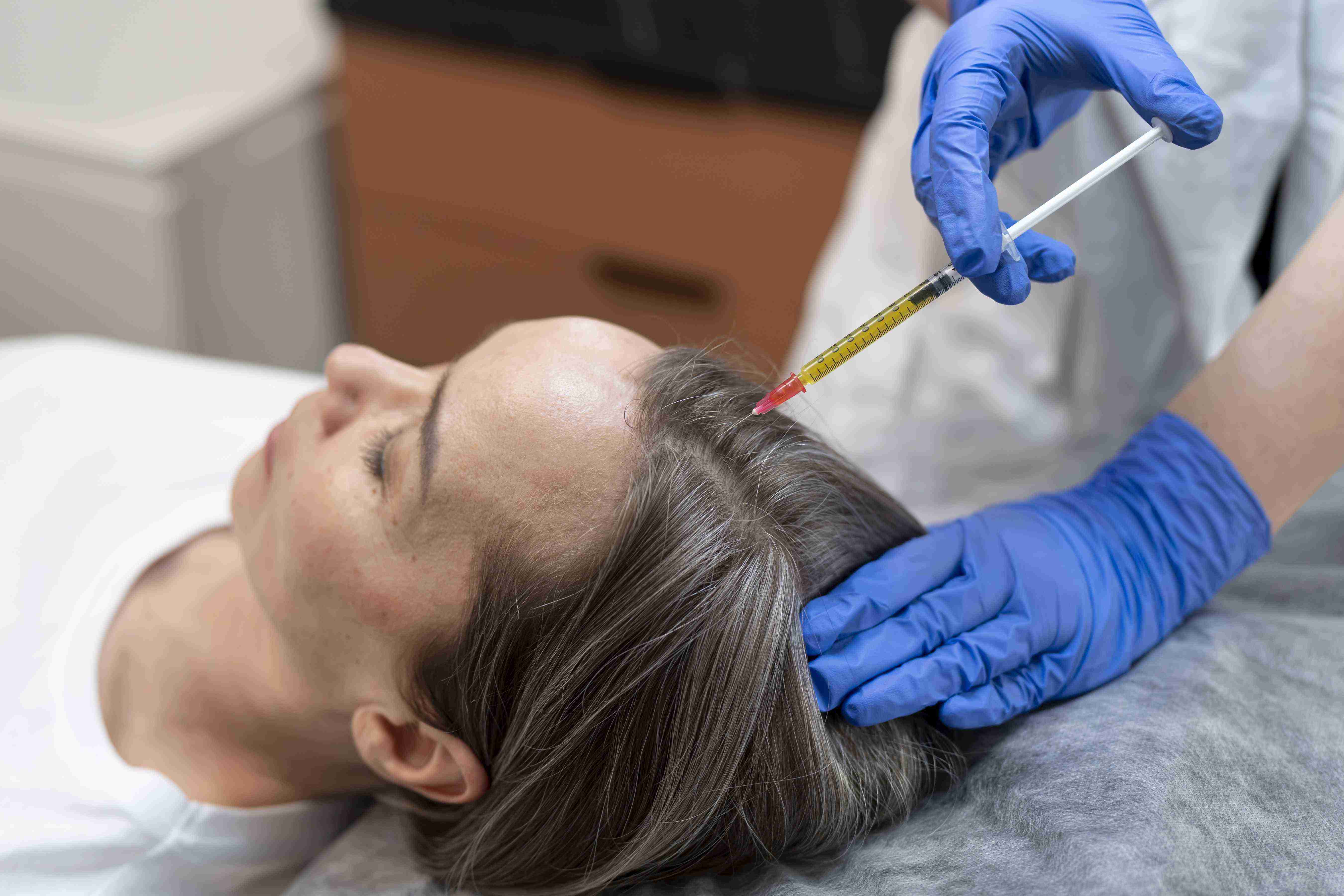
After scalp PRP, mild soreness and pinpoint redness across the injection sites last 12 to 24 hours. We advise avoiding hair washing for 24 hours post-treatment and skipping harsh styling products for 48 hours. Exercise and saunas should be avoided for 24 hours to prevent excessive scalp sweating that could irritate injection sites. At Claire Derma, most patients return to work the same day without visible signs of treatment.
The Treatment Process
01
Consultation & Scalp Analysis
A specialist evaluates hair loss concerns and determines the most suitable treatment plan. Your dermatologist performs trichoscopy to assess follicle miniaturisation, hair density per square centimetre, and scalp health. We photograph thinning zones under standardised conditions, review your medical history including thyroid function and iron levels, and classify your hair loss pattern to determine whether PRP is appropriate.
02
Blood Extraction & PRP Preparation
A small blood sample is drawn and processed to extract platelet-rich plasma. We draw 20 to 40 millilitres of blood and process it through dual-spin centrifugation for approximately 15 minutes. No topical numbing is typically needed for scalp injections, though it is available on request.
03
PRP Injection into the Scalp
PRP is injected into targeted areas to stimulate hair follicle activity. Our dermatologist injects activated PRP into the scalp dermis at 3 to 5 millimetre depth using a systematic grid pattern across all thinning zones. Injection points are spaced approximately 1 centimetre apart.
04
Post-Treatment Care
Mild redness or swelling may occur but subsides within 24 hours. Avoid washing hair or using harsh chemicals for 24–48 hours. Mild soreness and pinpoint redness resolve within 12 to 24 hours. Avoid washing your hair for 24 hours, harsh styling products for 48 hours, and strenuous exercise for 24 hours. There is no shedding phase.
Expected Results & Recovery

Noticeable improvement in hair thickness and reduced shedding within 3–6 months.
Patients can resume daily activities immediately.
With regular maintenance treatments, results can last for years.
Got Questions?We've Got Answers
Find answers to the most common questions about our treatments, procedures, and recovery process. If you can't find what you're looking for, our support team is always here to help.
Hair regrowth begins within 3–4 months, with optimal results visible in 6–12 months.
A series of 3–6 treatments spaced 4–6 weeks apart is recommended for best results.
PRP is most effective for early-stage hair loss, androgenic alopecia, and thinning hair but may be less effective for complete baldness.
PRP injections cause mild discomfort, but numbing agents help minimize pain.
Yes, PRP can be combined with topical treatments, microneedling, and medications like minoxidil or finasteride for enhanced results.
Side effects are minimal and may include temporary redness, swelling, or mild scalp tenderness.
Results last for 12–18 months, with maintenance sessions recommended every 6–12 months.
Most patients notice reduced shedding within four to six weeks of the first session and visible thickening by the second or third treatment. New hair growth typically becomes apparent two to four months into the course as follicles transition from miniaturised vellus hairs to thicker terminal shafts.
PRP is most effective on areas with active but miniaturising follicles — where hair is thinning rather than completely absent. Once a follicle has been dormant for several years and the area is fully bald, the chance of regrowth with PRP alone is low. At Claire Derma, our dermatologists use trichoscopy during consultation to assess follicle viability.
Hair loss from androgenetic alopecia is progressive, so maintaining results requires ongoing treatment — but the frequency decreases over time. At Claire Derma, the initial course involves four to six sessions spaced four to six weeks apart. After completing this phase, most patients transition to maintenance sessions every three to four months.
Yes, and the combination often produces better outcomes than any single treatment. PRP targets follicles directly with growth factors, minoxidil improves local blood flow and extends the growth phase, and finasteride blocks the DHT that drives follicle miniaturisation. These mechanisms complement each other without overlapping side effects.