Introduction to Vampire Facelift (PRP Facelift)
The Vampire Facelift, also known as the PRP (Platelet-Rich Plasma) Facelift, is an advanced skin rejuvenation therapy that uses growth factors from the patient’s own blood to stimulate collagen production, tissue repair, and cellular regeneration. This treatment helps improve skin elasticity, hydration, and overall texture, making it an effective solution for reducing the appearance of stretch marks. Stretch marks develop due to rapid skin stretching, which causes micro-tears in the dermis. The PRP Facelift accelerates skin healing, boosts collagen renewal, and improves skin texture, helping fade both new and old stretch marks naturally.
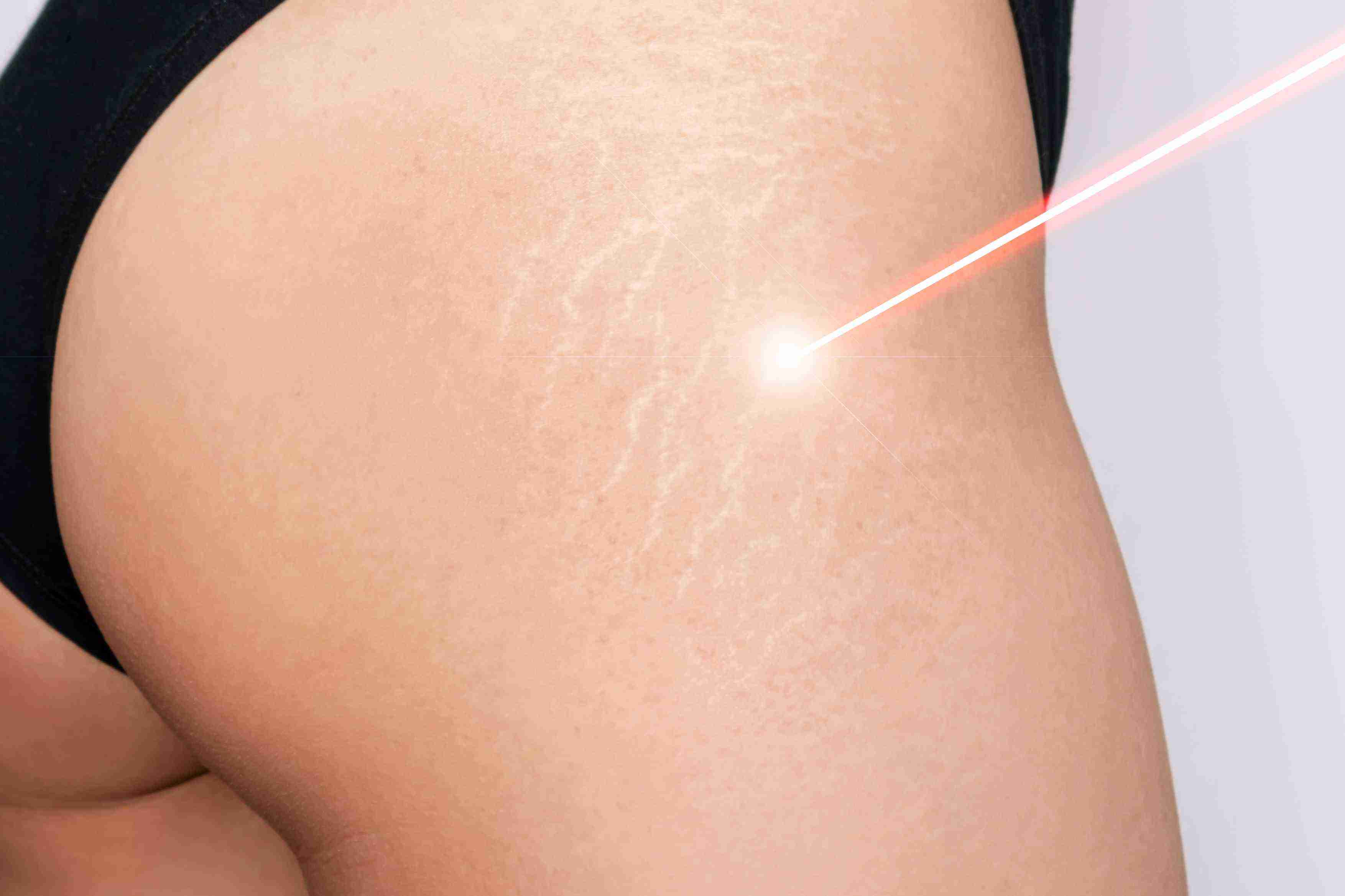
Stretch marks form when the dermis tears under rapid skin expansion — pregnancy, growth spurts, or significant weight changes. The resulting scars replace normal collagen architecture with thin, disorganised fibres that sit lower than surrounding skin. Vampire facelift therapy for stretch marks uses your own platelet-rich plasma to reactivate repair processes in these damaged zones.
How the Vampire Facelift (PRP Facelift) Works
This treatment uses PRP extracted from the patient’s blood, which is then applied to the affected areas through microneedling or direct injections to promote skin regeneration and healing. The process involves:

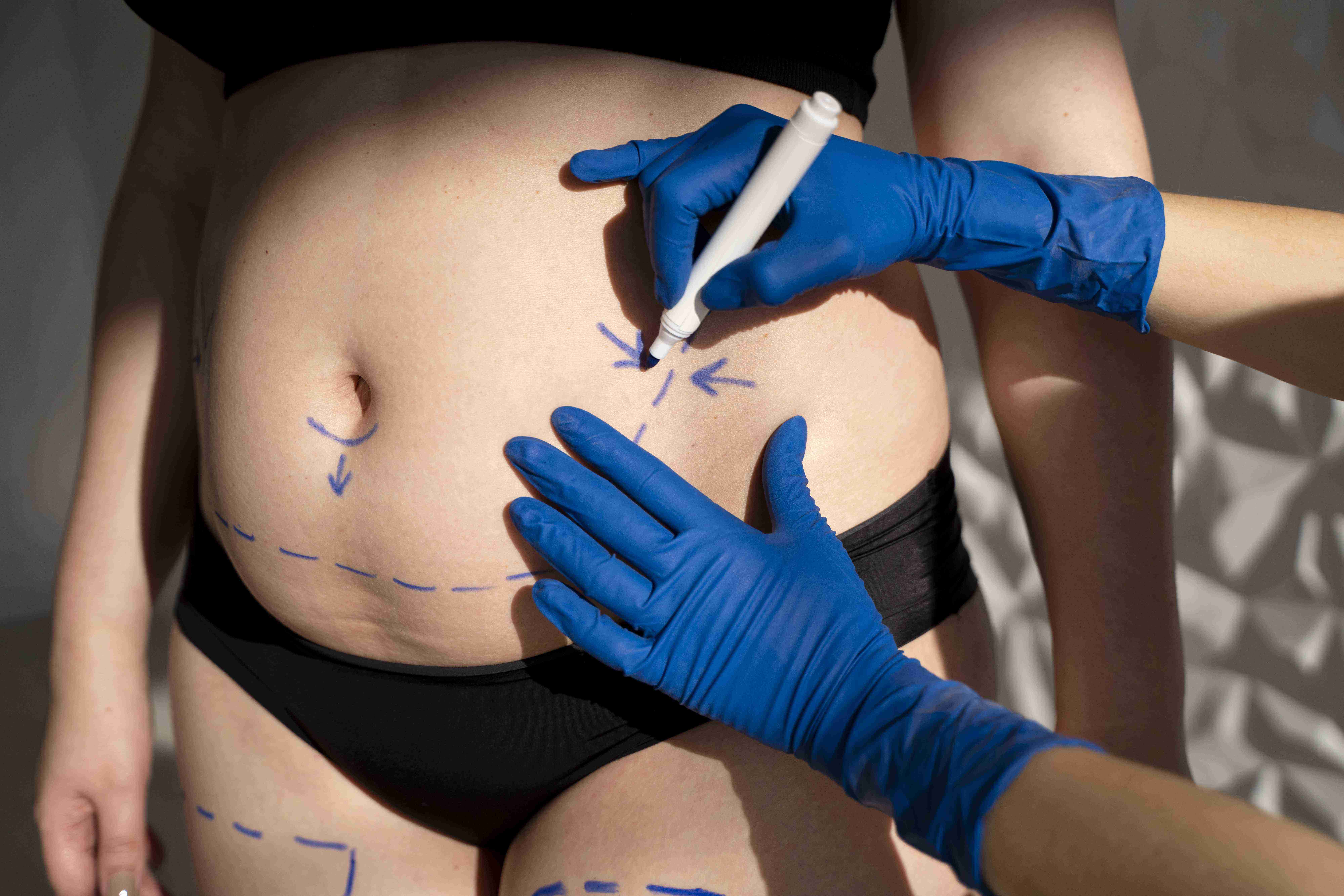
The depth of stretch mark damage determines how our dermatologists design your PRP protocol. Shallow, narrow striae on the upper arms or thighs may respond well to superficial PRP injections paired with microneedling to improve absorption. Wider abdominal striae from pregnancy often require deeper dermal injections at multiple points along each mark, with higher PRP volumes per session.
Treating Stretch Marks with the PRP Facelift
PRP preparation for stretch mark treatment follows a precise protocol at Claire Derma. We draw approximately 20 to 30 millilitres of blood, then process it in a dual-spin centrifuge to isolate a platelet concentration three to five times above baseline levels.
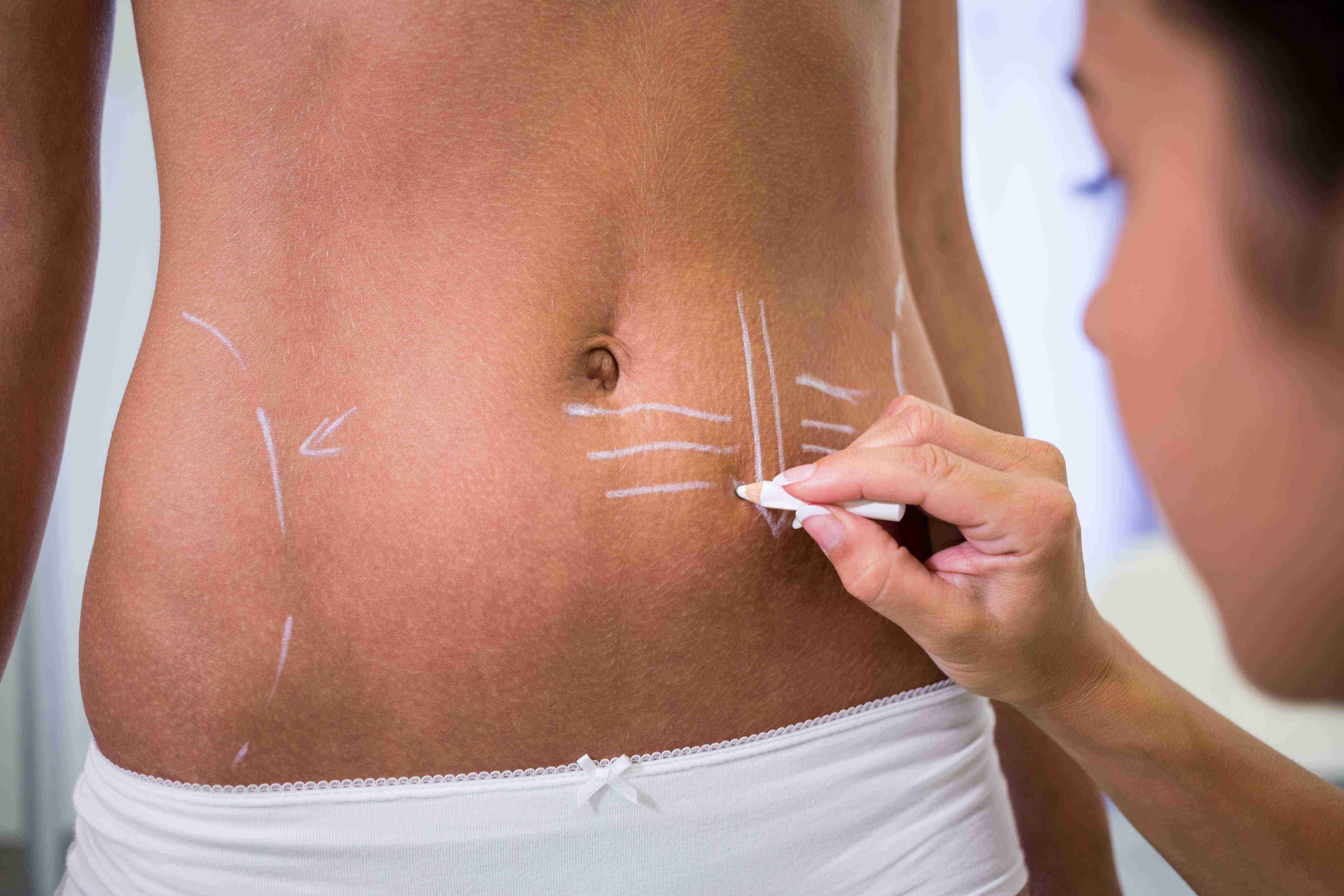
Benefits of the PRP Facelift for Stretch Marks
PRP therapy for stretch marks offers distinct advantages over ablative treatments like fractional CO2 laser, particularly for patients with darker skin tones who face higher risks of post-inflammatory hyperpigmentation from heat-based devices. Because PRP uses your own blood components, allergic reactions and rejection are not concerns.
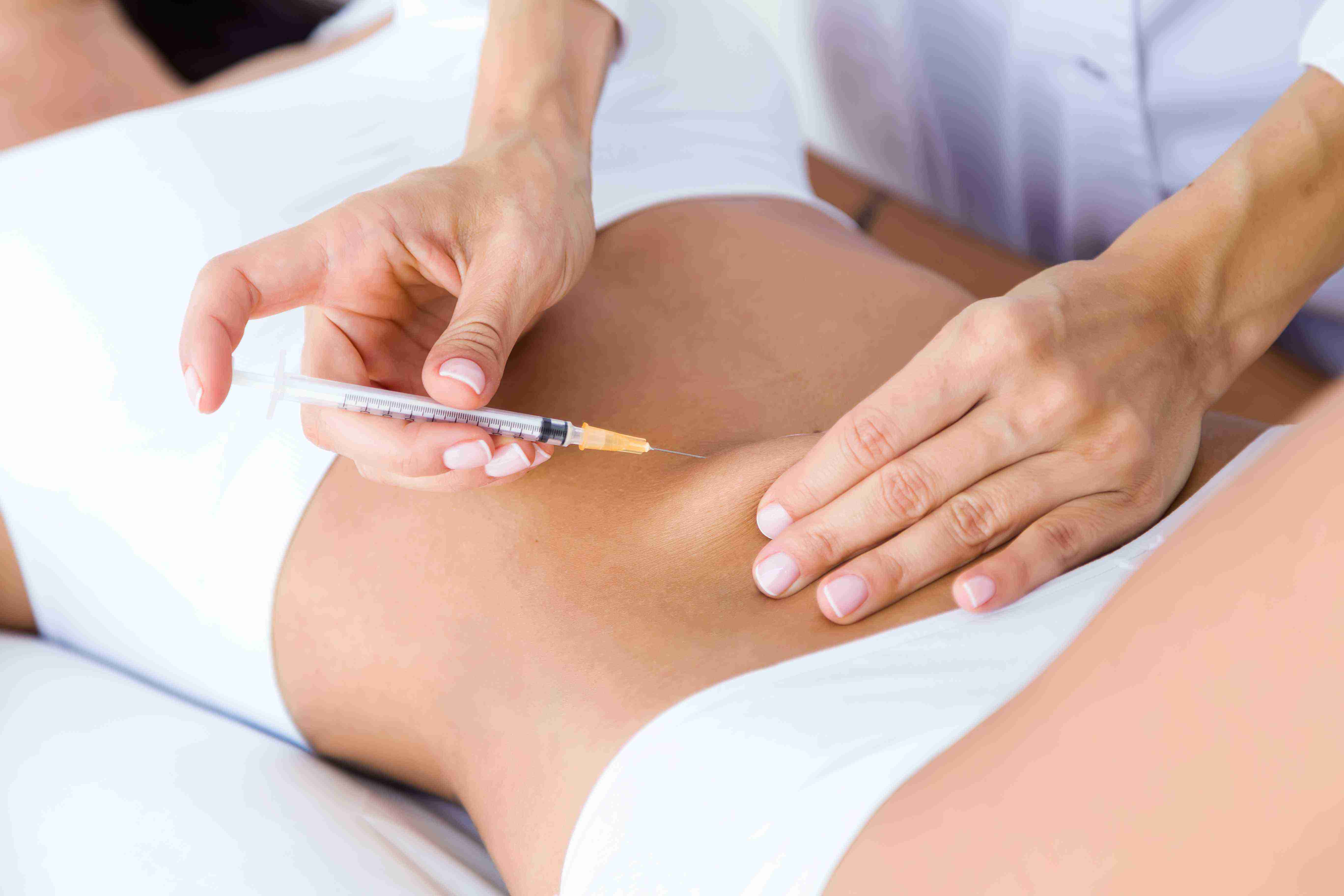
Ideal Candidates for the Treatment
This treatment is ideal for individuals who:
Recovery from each PRP session for stretch marks is straightforward. The treated area may appear slightly swollen and pink for 24 to 48 hours. We advise avoiding hot showers, saunas, and strenuous exercise for the first 48 hours to prevent excessive inflammation at injection sites. Moisturising with a gentle, fragrance-free barrier cream is recommended from day one.
The Treatment Process
01
Consultation & Skin Assessment
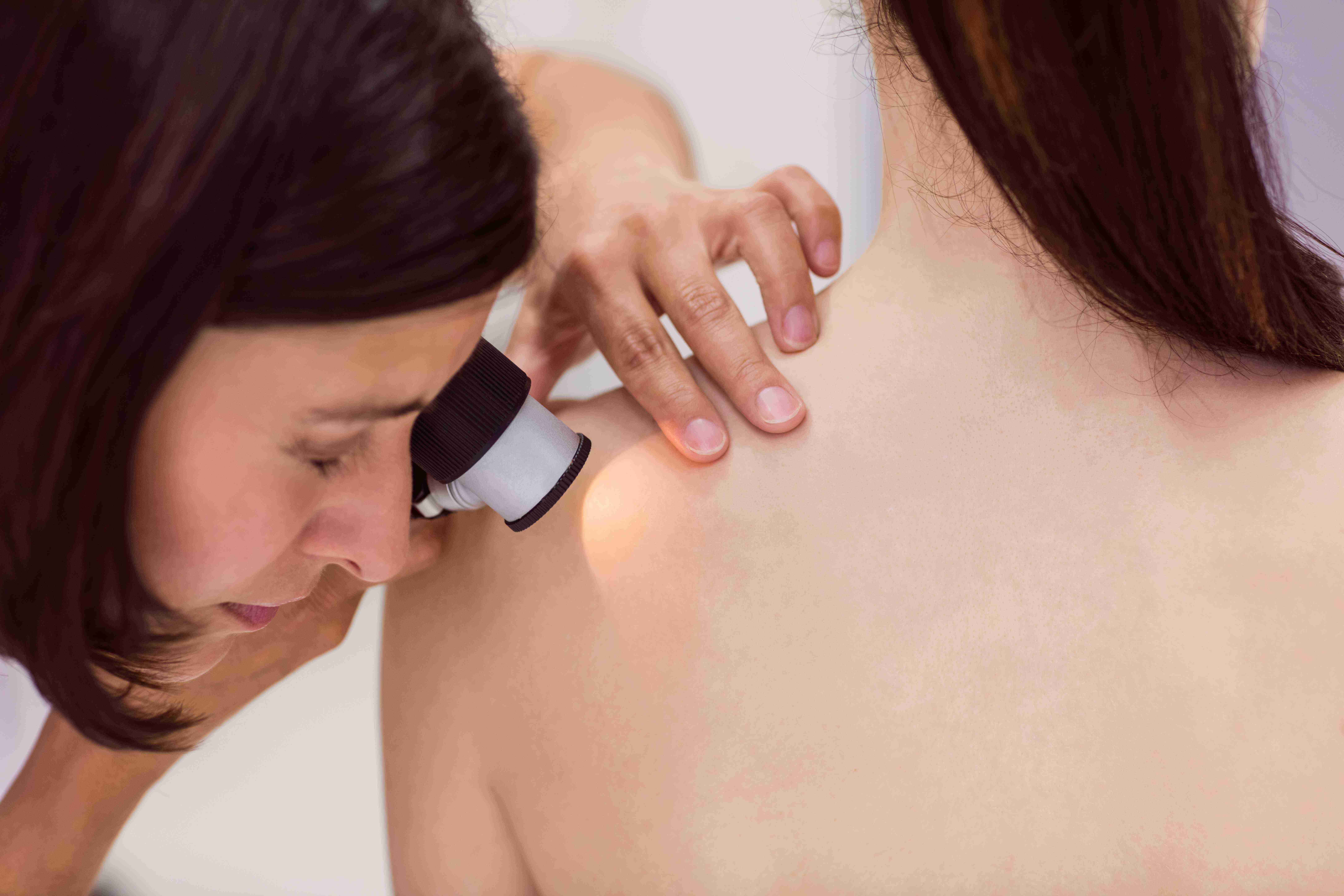
A specialist evaluates stretch marks and determines the best approach. Your dermatologist examines the stretch marks under dermoscopy, classifying them as rubra or alba and measuring width and depth. We photograph each zone under standardised lighting, discuss your medical history including any blood disorders, and outline a treatment timeline — typically three to five sessions.
02
Blood Extraction & PRP Preparation
A small blood sample is drawn and processed to extract PRP. We draw 20 to 30 millilitres of blood from your arm and process it through a dual-spin centrifuge over approximately 15 minutes. The resulting PRP concentrate is activated with calcium chloride just before use.
03
PRP Application
The PRP is applied in two ways: Injected directly into stretch marks to accelerate healing. Microneedling technique to improve skin texture and absorption. Our dermatologist injects activated PRP into the dermis along each stretch mark using a grid pattern with points spaced 1 to 1.5 centimetres apart. Deeper marks receive multiple injection depths. For large areas, remaining PRP is applied topically after microneedling to maximise absorption.
04
Post-Treatment Care
Mild redness and sensitivity may occur but subside within 24–48 hours. Patients should avoid sun exposure and harsh skincare for a few days. Mild redness and swelling at injection sites resolve within 24 to 48 hours. Avoid hot water, intense exercise, and direct sun exposure for 48 hours post-treatment. Apply the recommended barrier cream from day one.
Expected Results & Recovery

Visible reduction in stretch marks over 3–6 months as collagen rebuilds.
Most patients resume normal activities within 1–2 days.
With proper skincare, results can last for years.
Got Questions?We've Got Answers
Find answers to the most common questions about our treatments, procedures, and recovery process. If you can't find what you're looking for, our support team is always here to help.
Initial improvements in skin texture and hydration appear within a few weeks, while full results take 3–6 months as collagen production increases.
3–5 sessions spaced 4–6 weeks apart provide optimal results, depending on the severity of stretch marks.
PRP significantly reduces the appearance of stretch marks but may not remove them entirely. However, it makes them less visible and smoother.
A numbing cream is applied before treatment, making it comfortable with minimal discomfort.
PRP stimulates natural collagen repair, while lasers resurface the skin. Combining both treatments can enhance results for deeper stretch marks.
Since PRP comes from the patient’s own blood, allergic reactions are rare. Temporary redness, mild swelling, or slight bruising may occur but subside quickly.
Yes, PRP can be combined with microneedling, laser therapy, or radiofrequency treatments for enhanced stretch mark reduction.
Most patients at Claire Derma require three to five sessions spaced four to six weeks apart for visible improvement. Red or purple stretch marks typically respond faster, with noticeable changes after two sessions. White or silver stretch marks take longer and may need the full five-session course.
PRP therapy significantly improves stretch mark texture, width, and colour, but complete removal is unlikely for deep or mature striae. Most patients achieve 40 to 70 percent improvement across a full treatment course, which translates to noticeably smoother skin and less visible marks. At Claire Derma, we set realistic expectations during your consultation using clinical photographs of comparable cases.
We apply a topical numbing cream to the treatment area 20 to 30 minutes before injections, which significantly reduces discomfort. Most patients describe the sensation as mild pricking with occasional pressure. Areas with thinner skin — inner thighs or lower abdomen — tend to be more sensitive than outer hips or upper arms.
We recommend waiting at least three months after delivery before starting PRP therapy, and six months if you are breastfeeding — though PRP is generally considered safe since it uses your own blood. Starting treatment while stretch marks are still in the red or purple phase gives the best results because the tissue retains more blood supply and active fibroblasts.