
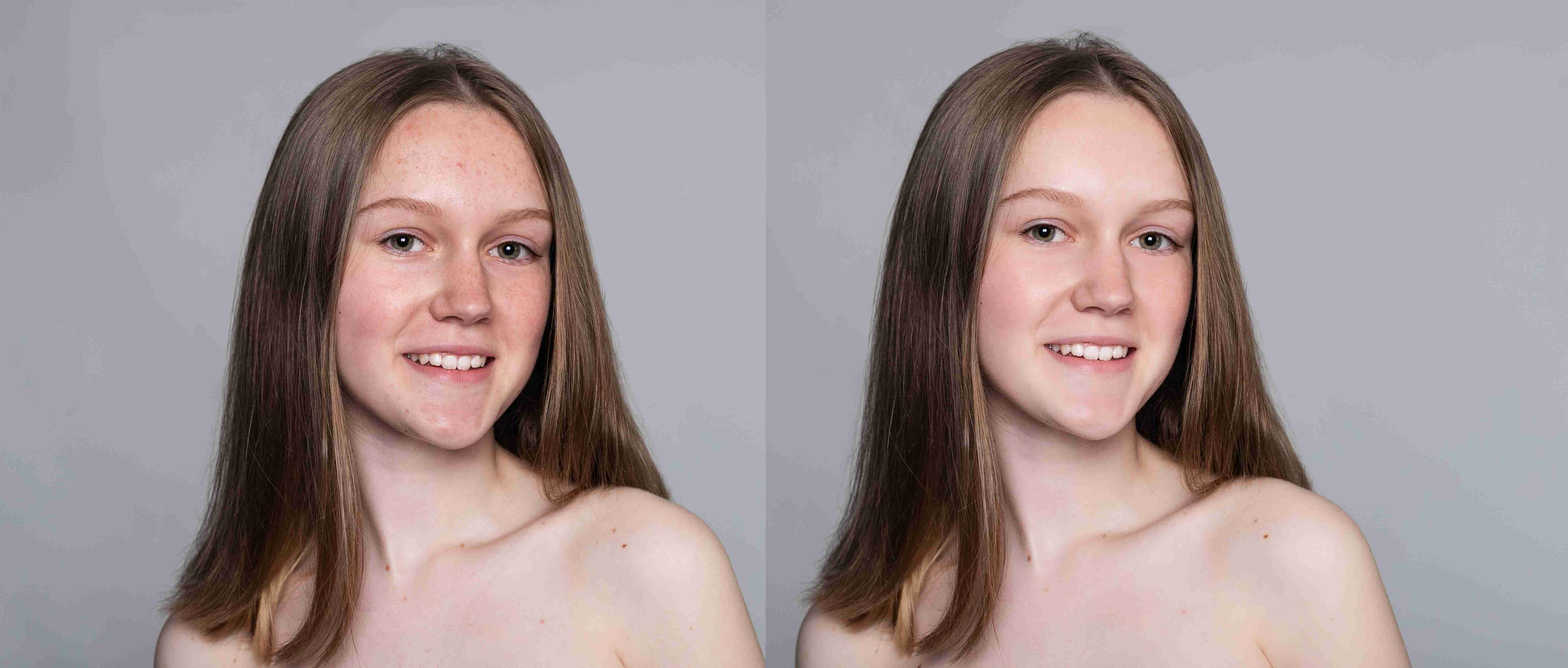
Introduction to MesoBotox
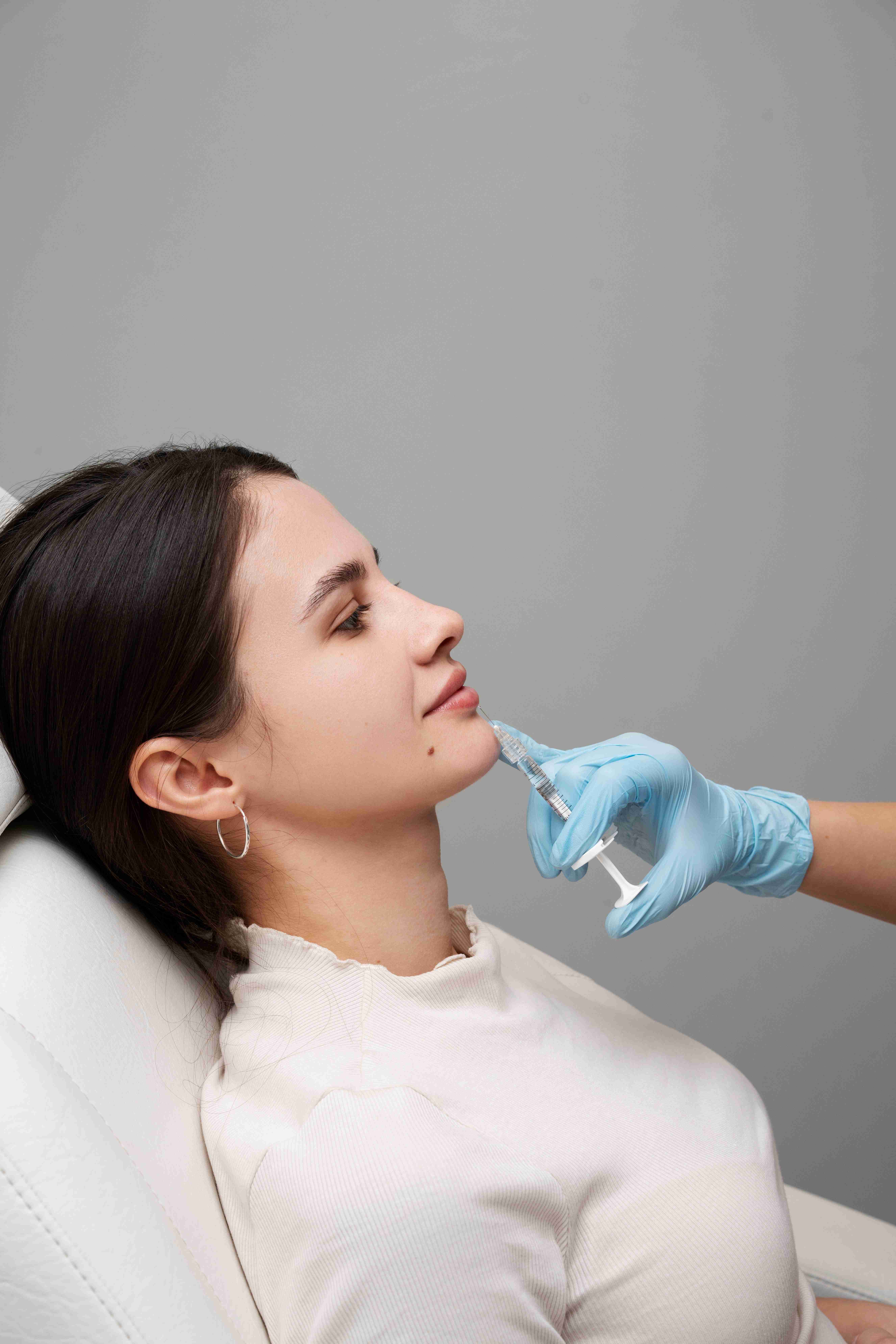
MesoBotox is an advanced skin treatment that combines traditional Botox with mesotherapy techniques, delivering microdoses of botulinum toxin into the superficial layers of the skin rather than the muscles. Unlike conventional Botox, which targets muscle movement to reduce wrinkles, MesoBotox works by refining skin texture, reducing pore size, controlling oil production, and improving skin tone. For individuals with acne scars, MesoBotox offers a non-invasive, skin-smoothing solution that helps improve scar appearance, tighten pores, and promote collagen production for skin rejuvenation.
MesoBotox for acne scars uses diluted botulinum toxin delivered into the superficial dermis around and within scarred areas to relax the tiny muscle fibres that tether and distort scar tissue. Acne scars — particularly rolling and boxcar types — are partly maintained by tension from underlying arrector pili muscles and fine dermal muscle fibres that pull the skin surface downward.
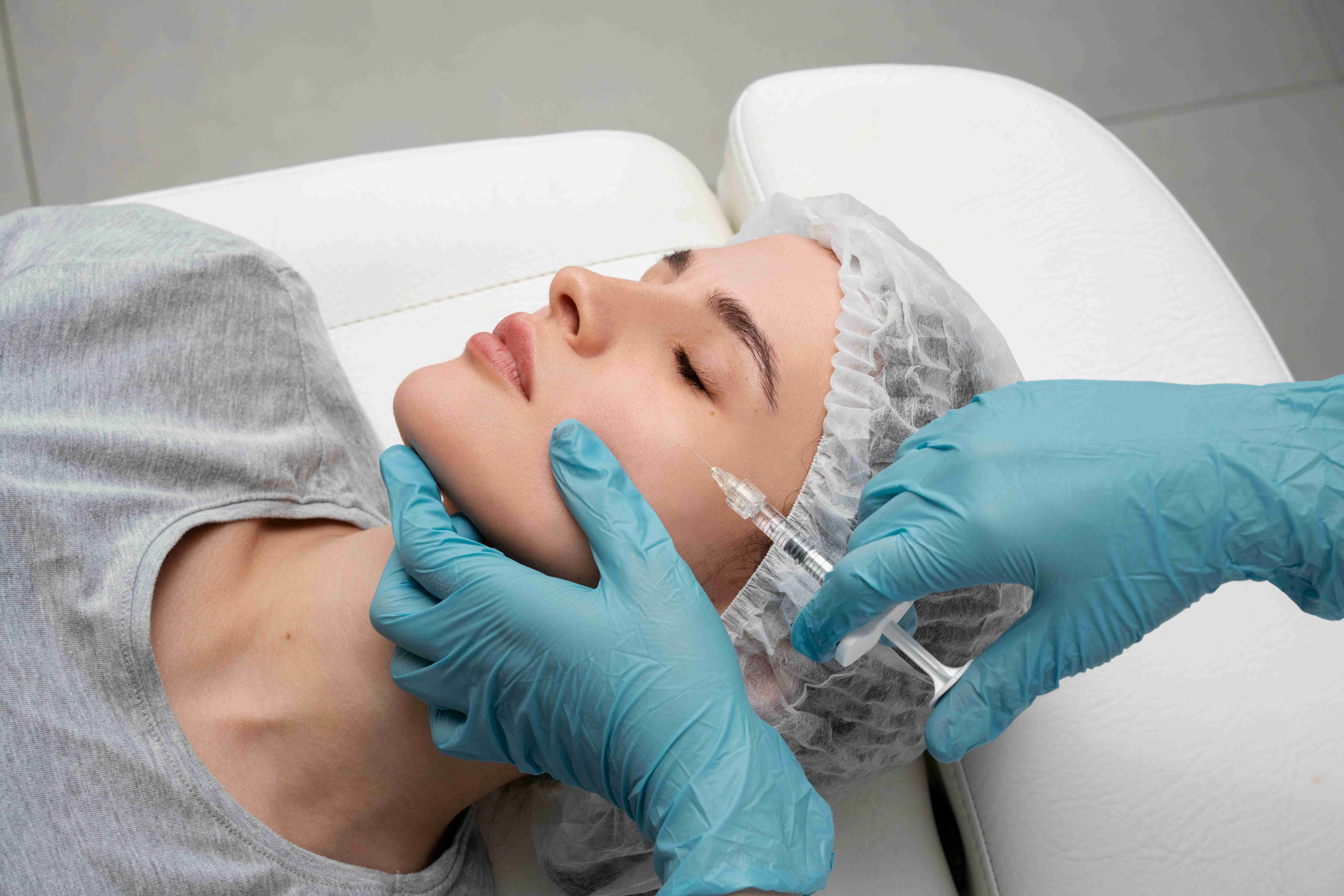
How MesoBotox Works
MesoBotox is administered through microinjections using a fine needle or mesotherapy device, allowing for precise delivery into the skin’s upper layers. It works by:

The mechanism by which MesoBotox improves acne scars differs fundamentally from its anti-aging application. For aging skin, the goal is pore refinement and texture smoothing across a broad area. For acne scars, the goal is targeted relaxation of the specific muscle fibres that anchor scar tissue.
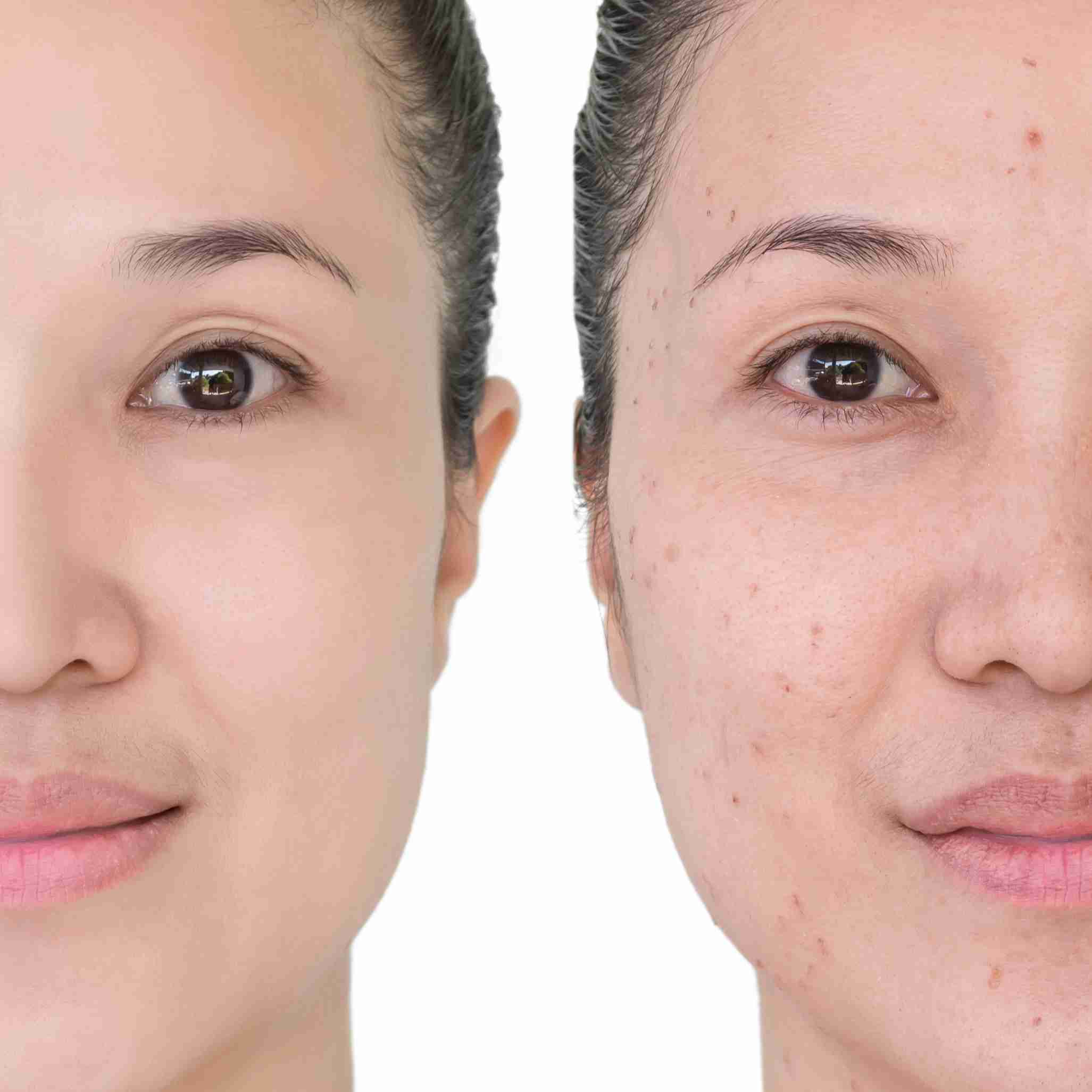
Treating Acne Scars with MesoBotox
MesoBotox for acne scars at Claire Derma involves a more targeted injection pattern than broad-area skin quality treatment. Our dermatologist maps each scar under direct examination, identifying those with a dynamic tethering component versus purely structural damage.
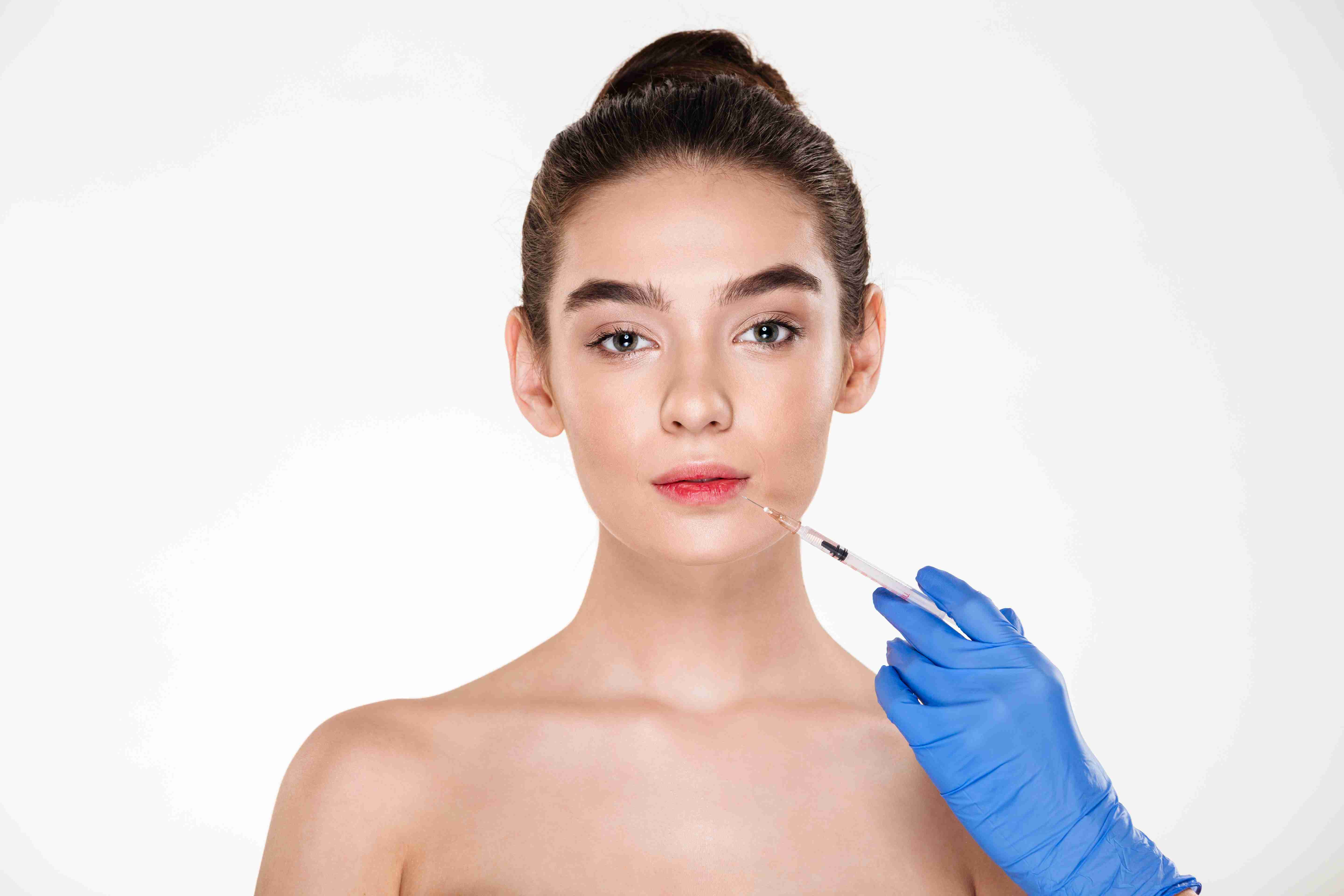
Benefits of MesoBotox for Acne Scars
MesoBotox adds a dimension to acne scar treatment that collagen-stimulating procedures alone do not address. Microneedling, fractional lasers, and chemical peels rebuild collagen within the scar bed, but they do not relax the muscular tension that pulls the skin surface into depressions.
Ideal Candidates for MesoBotox
MesoBotox is suitable for individuals who:
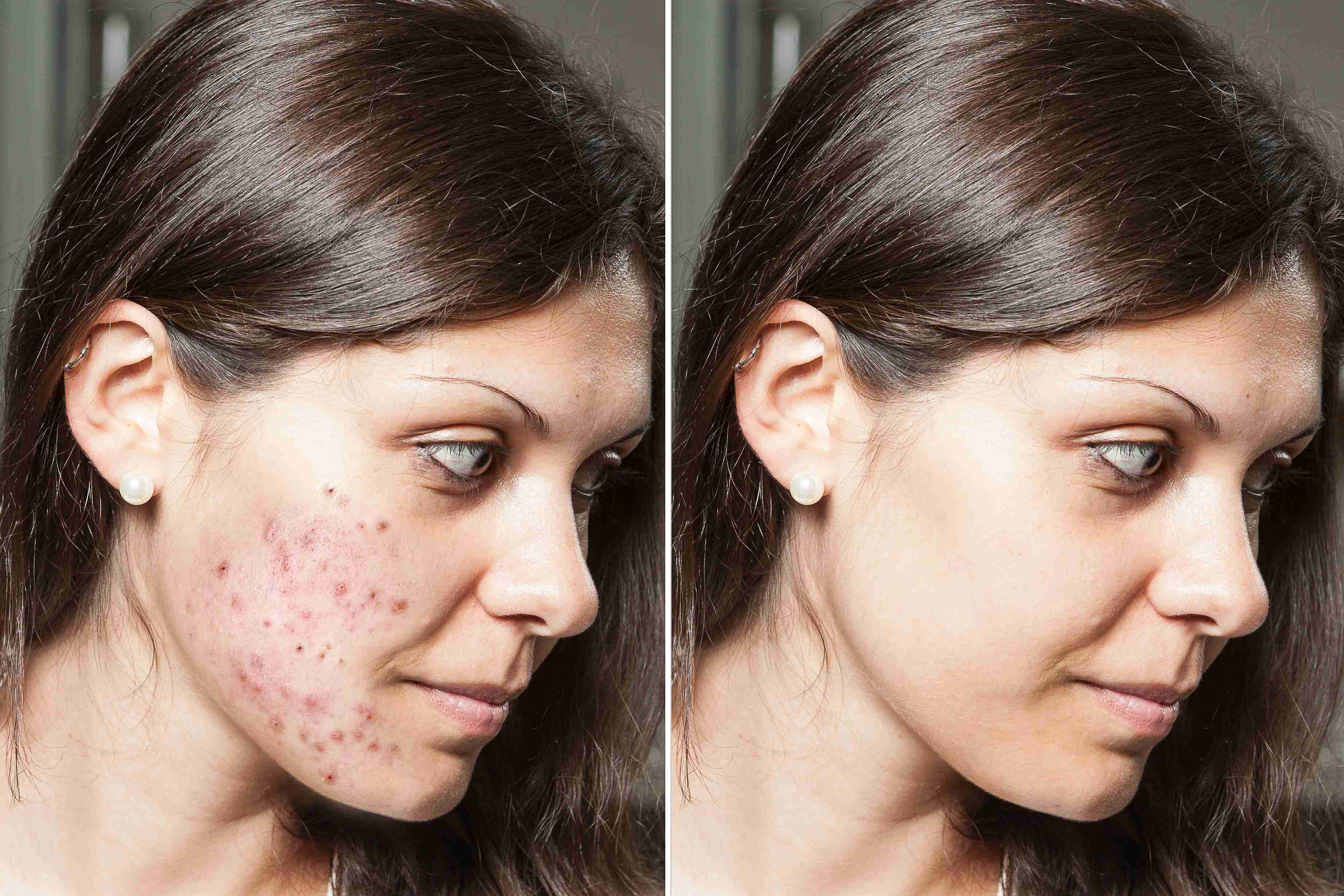
Results from MesoBotox for acne scars develop over one to two weeks as the diluted toxin takes effect on the superficial muscle fibres. Rolling scars appear shallower and less pronounced under angled lighting. The improvement is subtle but meaningful — most patients at Claire Derma notice that their scars look less severe in natural daylight and photographs.
The Treatment Process
01
Consultation & Skin Assessment
The dermatologist evaluates your skin and customizes the MesoBotox formula. Your dermatologist examines your acne scars under direct and side lighting, classifying each as rolling, boxcar, or icepick. Dynamic assessment — observing how scars change with facial expression — identifies which scars have a muscular tethering component suitable for MesoBotox.
02
Microinjections
Small amounts of diluted Botox are injected into the upper skin layers using a fine needle. Topical numbing cream is applied to the treatment area 20 minutes before the procedure. Target scars are marked under appropriate lighting.
Expected Results & Recovery

Skin appears smoother and more refined after a few weeks.
Pore size is visibly reduced, making skin look healthier.
Acne scars become less noticeable over time with repeated sessions.
Minimal downtime, allowing patients to resume normal activities the same day.
Best results with 3–5 sessions, spaced 4–6 weeks apart.
Got Questions?We've Got Answers
Find answers to the most common questions about our treatments, procedures, and recovery process. If you can't find what you're looking for, our support team is always here to help.
Results typically last 3–6 months, depending on skin type and lifestyle factors.
Most individuals see noticeable improvement after 3–5 sessions. Severe scars may require additional treatments.
While MesoBotox significantly improves skin texture and minimizes scars, deep scars may need combination treatments such as microneedling or laser therapy.
The procedure is minimally uncomfortable, and a numbing cream is applied beforehand for comfort.
Yes, MesoBotox works well with microneedling, chemical peels, and laser resurfacing for enhanced scar reduction.
No significant downtime; mild redness or swelling may occur but resolves within a few hours to a day.
MesoBotox helps control oil production and reduces inflammation, which can minimize breakouts, but it is not a permanent acne prevention treatment.
Rolling scars respond most noticeably because their depth is partly maintained by muscle fibre tension pulling the skin surface downward. When MesoBotox relaxes these fibres, the skin smooths and the undulating depressions become less visible. Boxcar scars show modest improvement as surrounding tension softens their sharp edges.
MesoBotox addresses only the dynamic muscular component of acne scars — it does not rebuild collagen or fill volume loss within the scar bed. At Claire Derma, we use MesoBotox as a complementary treatment that improves the results of structural work like subcision, microneedling, fillers, and fractional laser.
The effect of each MesoBotox treatment lasts two to three months. At Claire Derma, we recommend repeat sessions every ten to twelve weeks if MesoBotox is being used as ongoing scar maintenance. When combined with subcision or other structural treatments, the timing is coordinated — MesoBotox is performed at the same session and repeated at the next structural treatment appointment.
The toxin and dilution are similar, but the injection strategy differs. Anti-aging MesoBotox is distributed evenly across a broad area in a grid pattern for uniform pore and texture improvement. MesoBotox for acne scars is targeted — concentrated around specific scars with identified dynamic tethering. At Claire Derma, the dermatologist maps individual scars under side-lighting before injecting, rather than treating the entire face uniformly.