Introduction to Mesotherapy
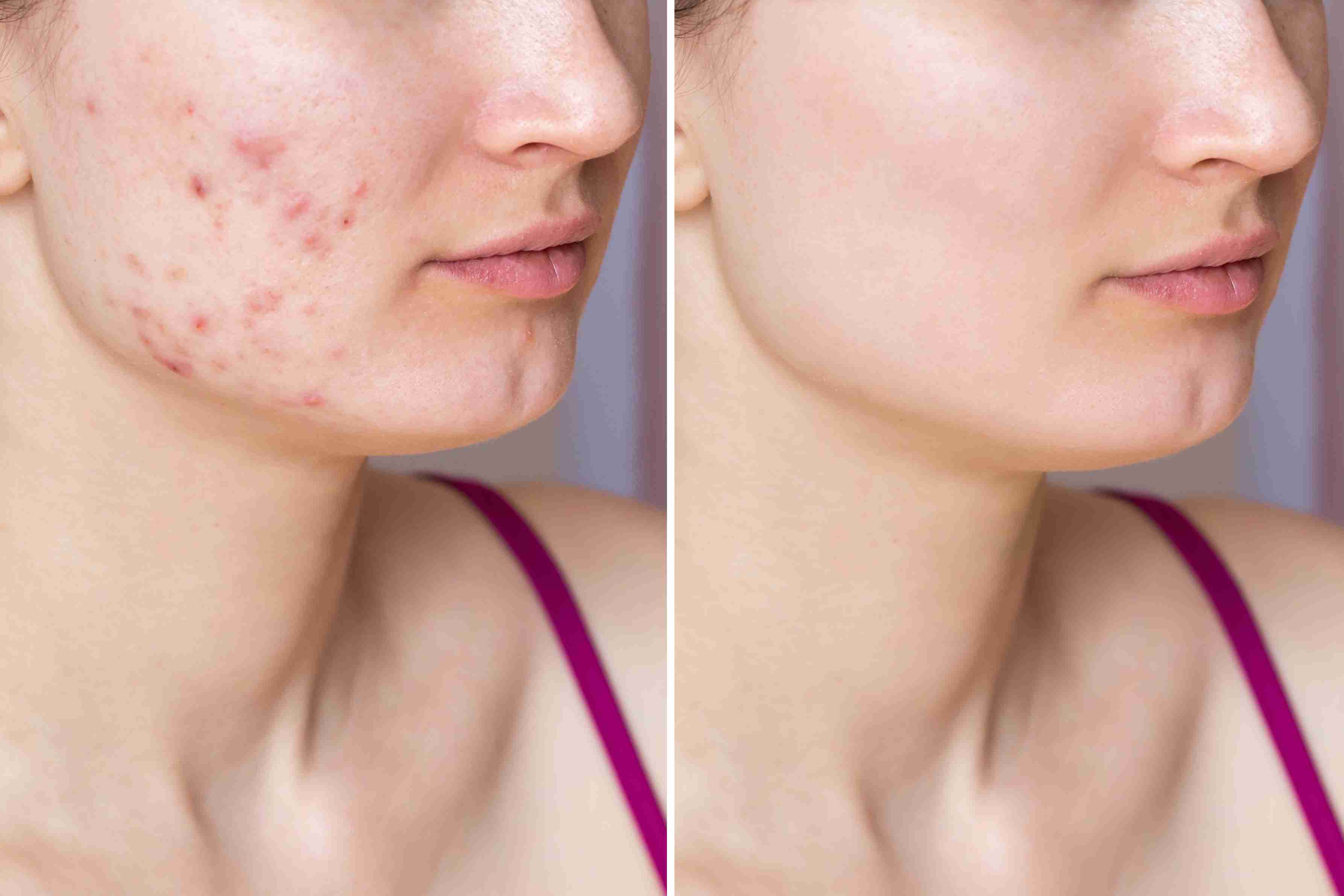
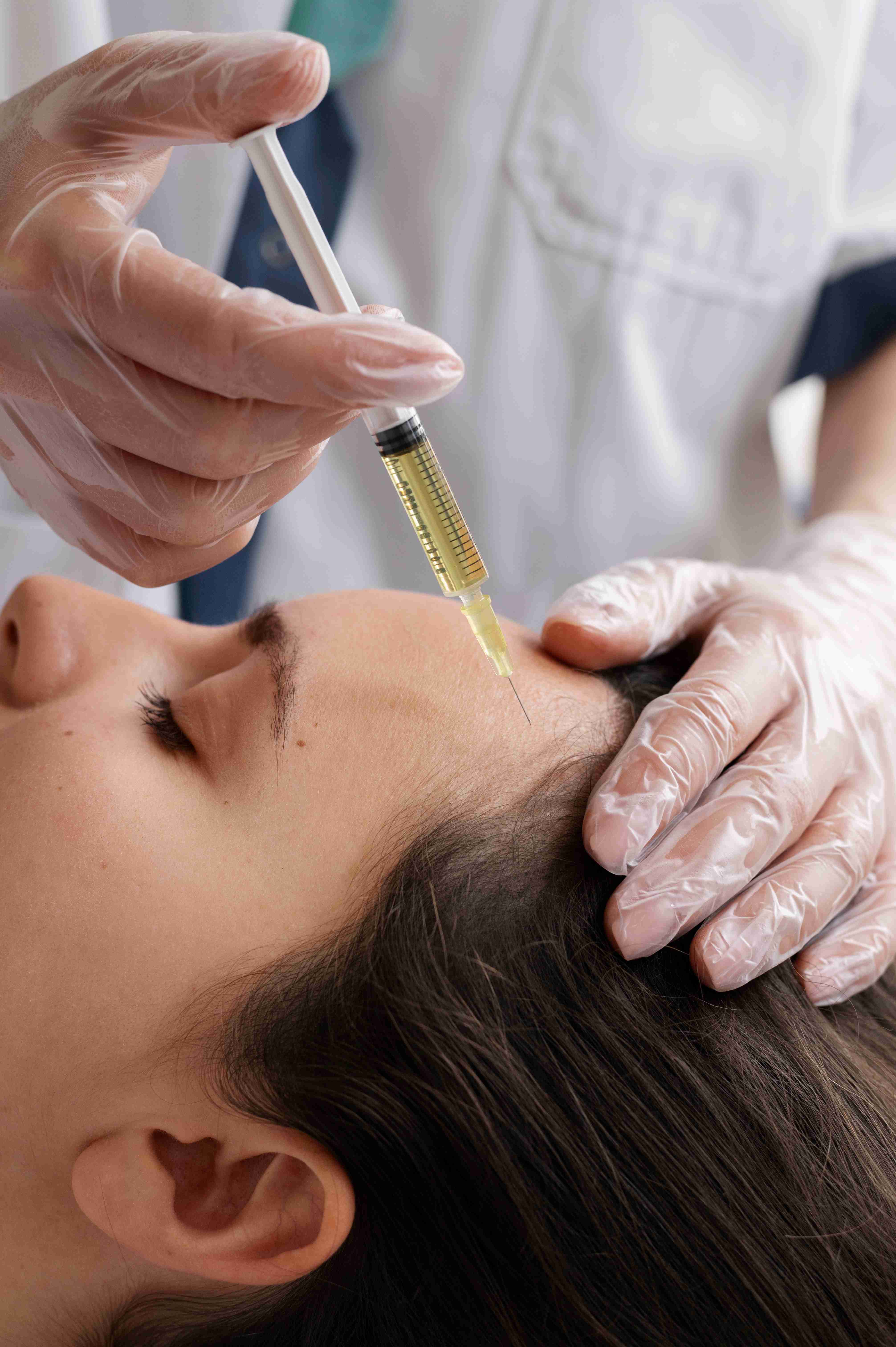
Mesotherapy is a minimally invasive skin rejuvenation treatment that delivers a specialized cocktail of vitamins, hyaluronic acid, peptides, growth factors, and antioxidants directly into the skin. It works by stimulating collagen production, improving skin texture, and accelerating skin healing, making it an effective solution for acne scars, uneven skin tone, and post-inflammatory pigmentation. Unlike topical treatments, mesotherapy targets the deeper layers of the skin, ensuring faster and more noticeable improvements in acne scar reduction and skin regeneration.
Mesotherapy for acne scars delivers collagen-stimulating peptides, hyaluronic acid, and regenerative vitamins directly into the scarred dermis through a series of targeted microinjections. At Claire Derma, our dermatologists use this technique to address the collagen deficit that defines atrophic acne scars — the rolling, boxcar, and shallow icepick depressions left behind after inflammatory breakouts destroy dermal tissue.

How Mesotherapy Works
Mesotherapy involves microinjections that deliver skin-repairing nutrients into the mesoderm (middle layer of the skin). This process:

The mesotherapy cocktail for acne scars is formulated differently from the anti-aging blend. While anti-aging mesotherapy emphasises hydration with hyaluronic acid, scar-focused formulations prioritise collagen-building ingredients and wound-healing peptides. At Claire Derma, our scar cocktails contain higher concentrations of vitamin C (as sodium ascorbyl phosphate), copper peptides (GHK-Cu), and specific amino acids that are direct collagen precursors.
Treating Acne Scars with Mesotherapy
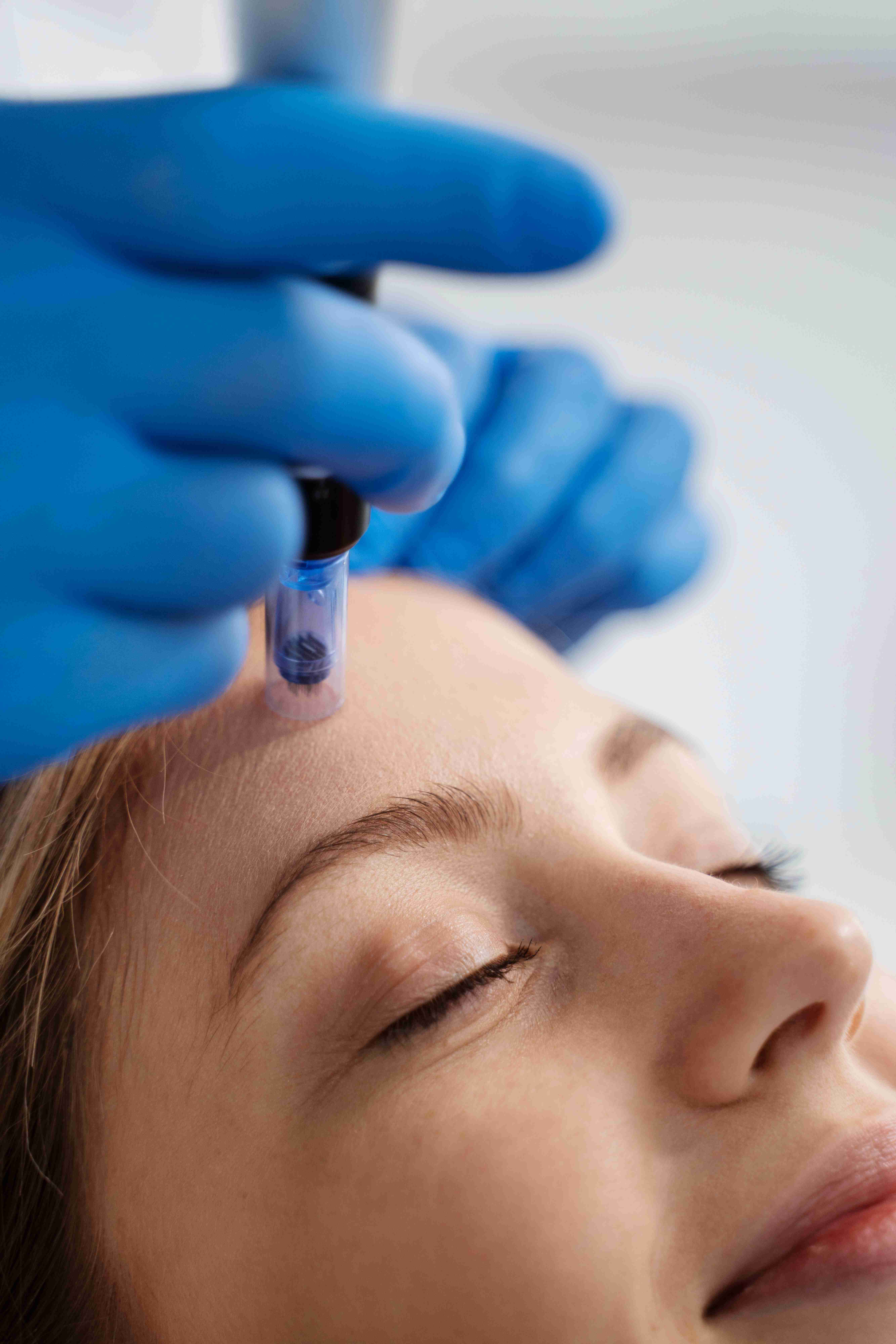
Treatment at Claire Derma involves precise injections into and around individual acne scars rather than the broad-area approach used in anti-aging mesotherapy. Our dermatologist maps each scar under magnification, identifying the type (rolling, boxcar, or icepick), depth, and extent.
Benefits of Mesotherapy for Acne Scars
Mesotherapy has specific advantages for scar treatment that device-based procedures do not provide. Lasers and microneedling create controlled injury to trigger healing — but they do not supply the raw materials for that healing. Mesotherapy delivers collagen precursors, enzymatic cofactors, and wound-healing peptides directly to the repair site.
Ideal Candidates for Mesotherapy
Mesotherapy is suitable for individuals who:
Visible improvement from mesotherapy for acne scars develops over six to twelve weeks as collagen production ramps up and new matrix is deposited within the treated scars. The initial sessions produce mild immediate improvement from the hydration effect — scars appear slightly plumper and less shadowed within days. The structural improvement — actual collagen thickening within the scar bed — takes longer to appear and becomes progressively more apparent after each subsequent session.
The Treatment Process
01
Consultation & Skin Evaluation
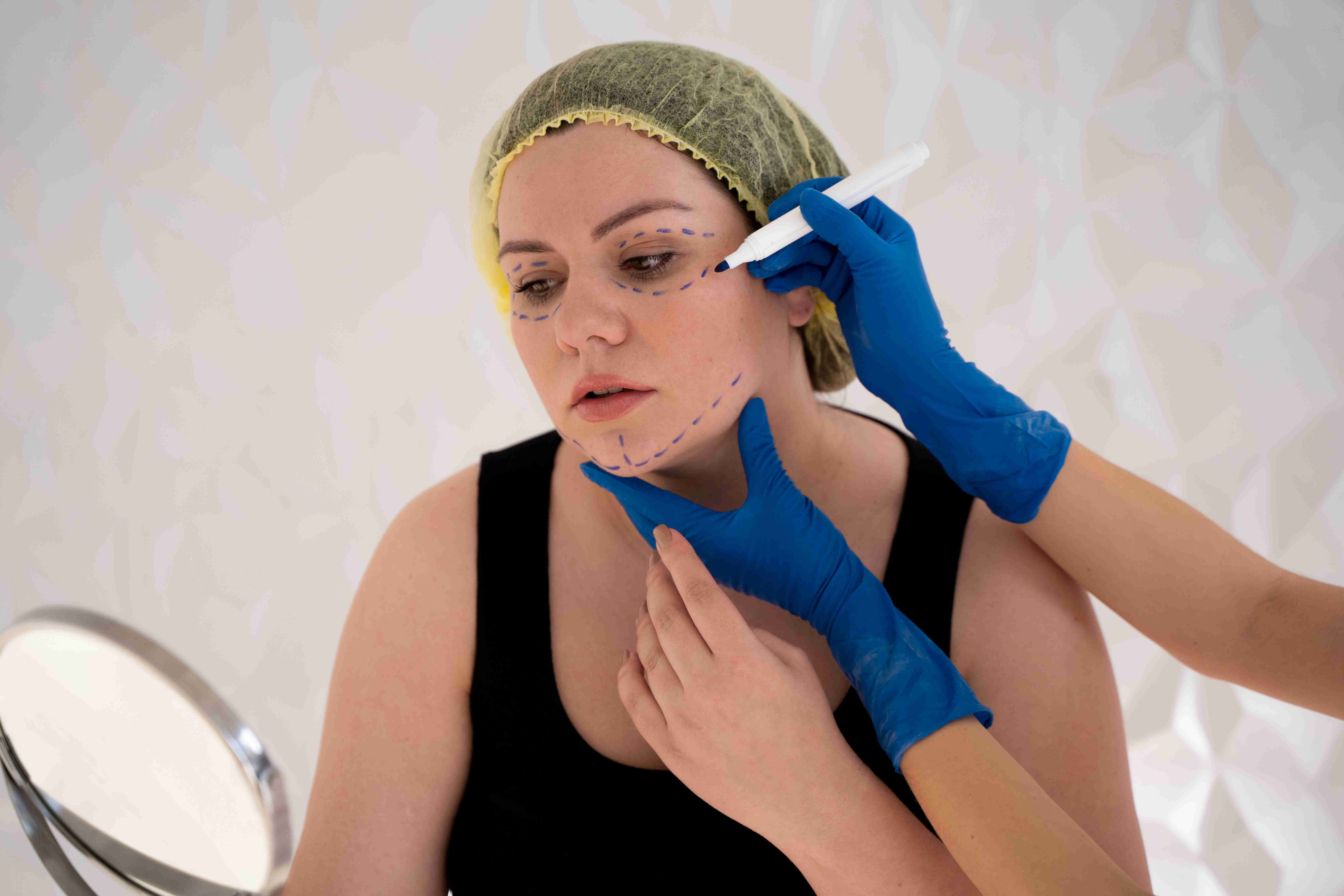
A dermatologist assesses the skin type and scar severity. Your dermatologist maps your acne scars under magnification and side-lighting, classifying each by type and depth. We assess which scars are best suited for mesotherapy versus other modalities and design a treatment sequence. Baseline photographs are taken for progress tracking.
02
Microinjections
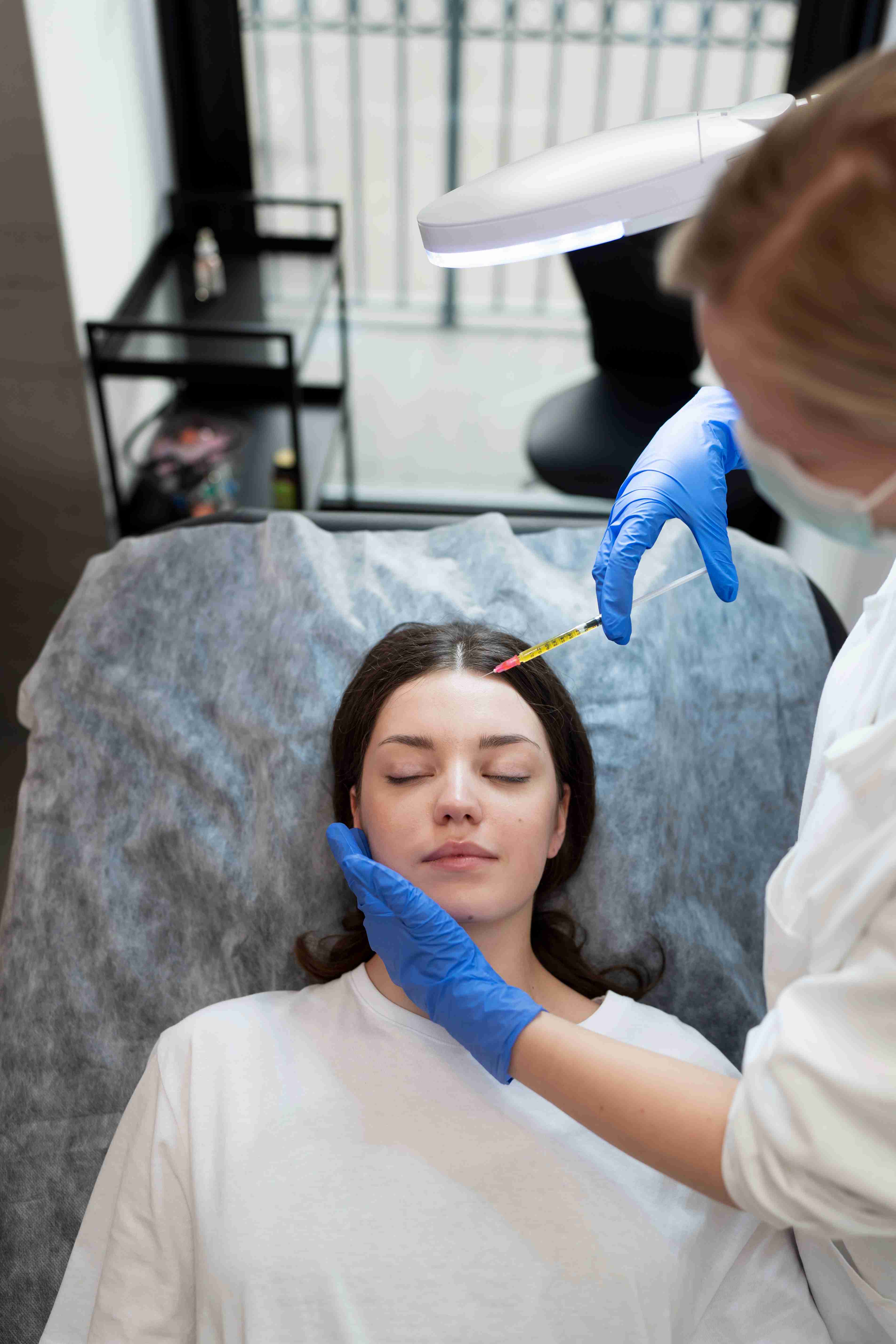
The mesotherapy solution is administered across the treatment area using fine needles. Topical anaesthetic cream is applied to the treatment area 20 minutes before the session. The skin is cleansed with antiseptic solution. The scar-specific mesotherapy cocktail — containing copper peptides, vitamin C, amino acids, hyaluronic acid, and organic silicium — is prepared fresh for each treatment.
Expected Results & Recovery

Initial improvements visible within 2–4 weeks.
Smoother, clearer skin with reduced scarring after multiple sessions.
Minimal downtime, with only mild redness that subsides within hours.
Long-lasting results, with maintenance sessions every 3–6 months.
Got Questions?We've Got Answers
Find answers to the most common questions about our treatments, procedures, and recovery process. If you can't find what you're looking for, our support team is always here to help.
Typically, 4–6 sessions spaced 2–4 weeks apart are recommended for best results.
It is most effective for atrophic scars (boxcar, rolling, and ice pick scars) but less effective on raised or keloid scars.
Mild discomfort may be experienced, but a numbing cream is applied to ensure a comfortable procedure.
Initial results appear in 2–4 weeks, with full improvement after 3–6 months.
Yes, it can be combined with microneedling, PRP therapy, laser treatments, or chemical peels for enhanced results.
Minimal downtime, with mild redness and swelling that fades within 24 hours.
Results last 6–12 months, with maintenance treatments every 3–6 months for sustained improvements.
Mesotherapy provides collagen-stimulating nutrients to scar tissue, but deep scars typically require multiple modalities for meaningful correction. At Claire Derma, we use mesotherapy as a supporting treatment within a broader plan that may include subcision for tethered scars, fractional laser for texture resurfacing, and fillers for deep volume-deficient depressions.
Shallow rolling and boxcar scars — where the dermis is thinned but not deeply scarred to the bone — respond best because they retain fibroblast populations capable of producing new collagen when supplied with appropriate nutrients. Deep icepick scars have very little viable dermal tissue to stimulate and typically require punch excision or TCA CROSS rather than mesotherapy.
The injection technique is similar, but the cocktail formulation and injection strategy differ. Anti-aging mesotherapy distributes hydrating ingredients broadly across the face for overall skin quality. Scar mesotherapy uses a higher concentration of collagen-stimulating ingredients — copper peptides, organic silicium, and amino acids — injected directly into individual scars rather than across the whole face.
A minimum of four to six sessions spaced three to four weeks apart is recommended for the initial course. Visible improvement typically begins after the third session as cumulative collagen production takes effect. At Claire Derma, scar treatment is usually a twelve-month programme that may include eight to twelve mesotherapy sessions interspersed with other modalities.